Blepharitis
Blepharitis is a common and often chronic inflammation of the eyelids, characterised by redness, itching, a burning sensation and crusting at the base of the eyelashes. It is typically caused by an excess of oils (sebum) or a proliferation of bacteria along the lid margins. While persistent, it can be successfully managed through a dedicated eyelid hygiene routine, sometimes supplemented by specific clinical treatments.
Discover how to proceed with lid hygiene in the illustrations below.

.png)
Apply heat (1–2 minutes)
- Use a clean compress, a warm flannel or a reusable heated mask.
- Apply to the closed eyelids.
- The heat helps to loosen the secretions and widen the opening of the Meibomian glands.
.png)
Gently massage the eyelids
- With clean fingers or a cotton bud, massage along the edge of the eyelids:
- Upper eyelid: from top to bottom
- Lower eyelid: from bottom to top
.png)
Clean the edge of the eyelids (crusts and debris)
- Use:
- A dedicated eyelid wipe (available from pharmacies)
- Or a cotton bud or make-up removal pad soaked in saline solution, or a special solution suitable for the eye
- Gently rub the base of the lashes (the free edge of the eyelids) to remove secretions and crusts
What is Blepharitis?
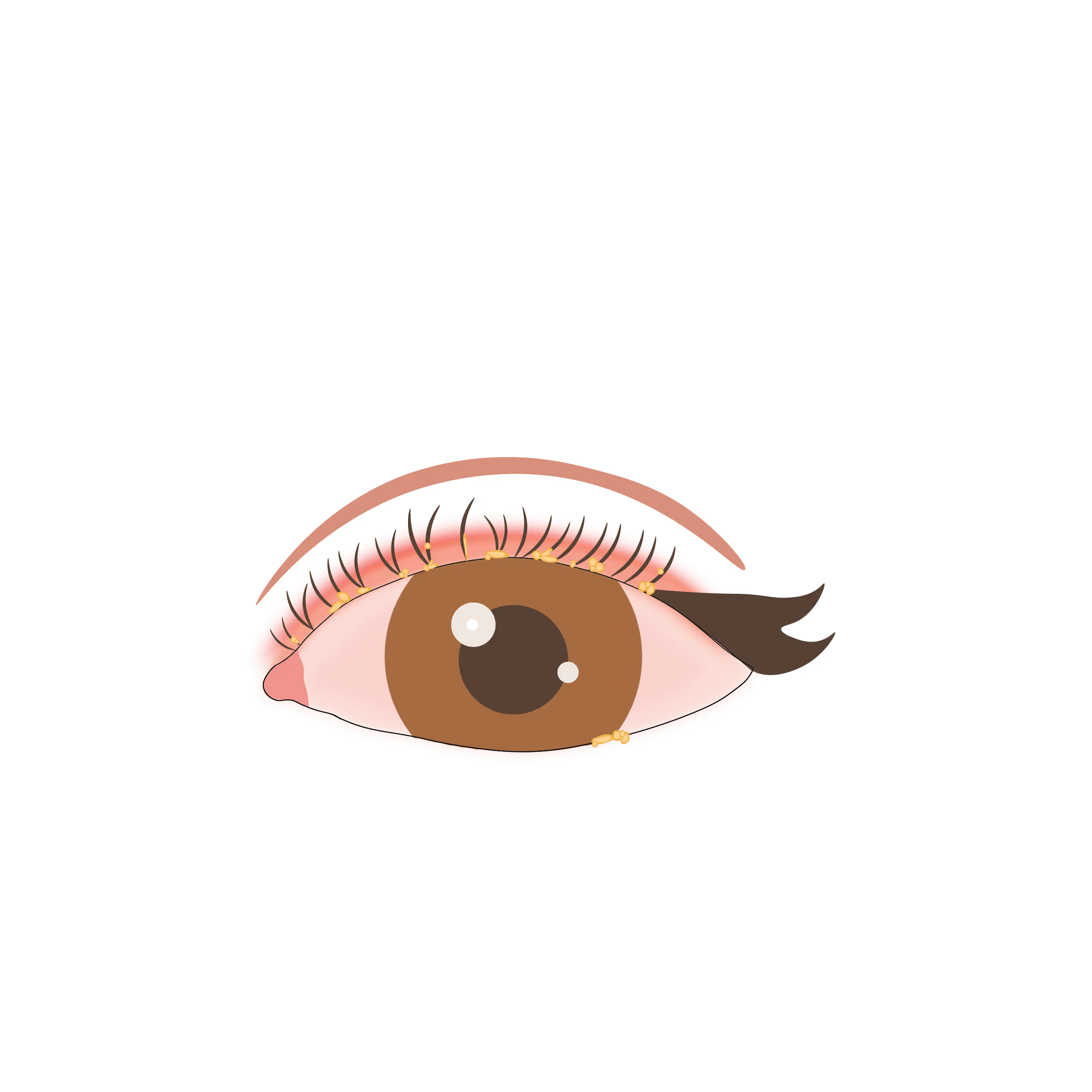
Blepharitis is a chronic inflammation of the lid margins (the edges of the eyelids), typically affecting both eyes. It is a common, often recurrent condition that can significantly impact quality of life through persistent irritation. Although benign, it requires consistent management to prevent flare-ups.
Common Symptoms
- Redness and swelling of the eyelid edges.
- Gritty sensation, burning, or the feeling of a foreign body in the eye.
- Itching (Pruritus).
- Crusting or flakes at the base of the lashes (particularly upon waking).
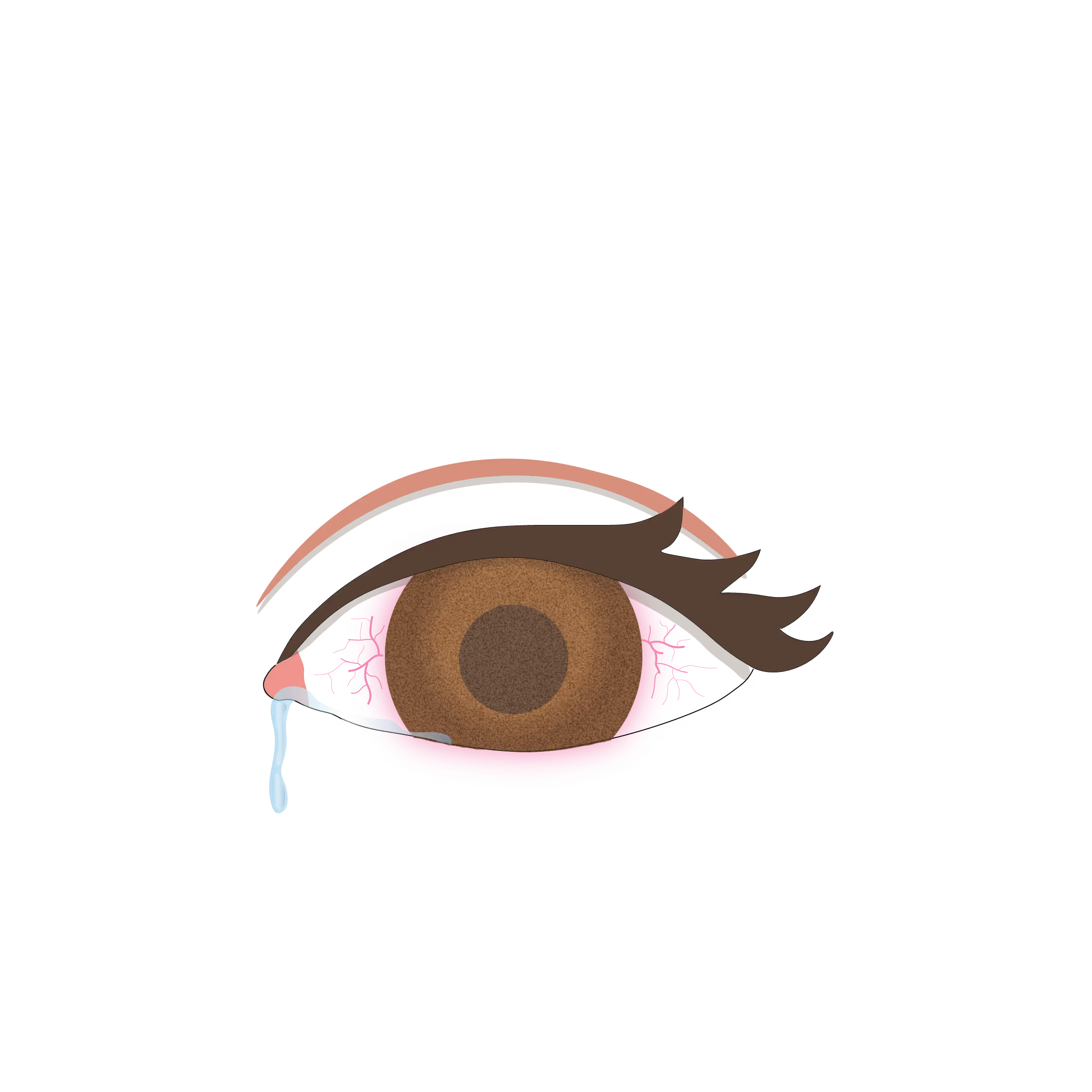
- Watery eyes or conversely, Dry Eye symptoms.
- Fluctuating vision.
- Eyelash abnormalities (loss or misdirected growth in chronic cases).
Main Causes
Blepharitis is often multifactorial and is generally classified into two types:
1. Anterior Blepharitis (affecting the base of the lashes):
- Bacterial: Usually caused by Staphylococcal bacteria.
- Seborrhoeic: Associated with oily skin or dandruff.
- Parasitic: Caused by Demodex, a microscopic mite.
2. Posterior Blepharitis (Meibomian Gland Dysfunction - MGD):
- Clogged or inflamed oil glands (Meibomian glands), which reduce tear quality.
- Frequently associated with Ocular Rosacea.
The two forms often coexist, known as mixed blepharitis.
Possible Complications
- Dry Eye Syndrome: Due to an unstable tear film
- Chalazia or Styes: Repeated blockages or infections of the eyelid glands
- Marginal Keratitis: Secondary inflammation of the cornea
- Contact Lens Intolerance
- Less frequently: loss of eyelashes or depigmentation
Management and Treatment
1. Essential Eyelid Hygiene (The Foundation of Care)
A consistent routine is the most effective way to manage blepharitis:
- Warm Compresses: Apply a clean, warm flannel or a reusable warming eye mask to closed eyelids for 1–2 minutes. This liquefies the oils and opens the Meibomian glands.
- Eyelid Massage: Gently massage the lid margins with clean fingers or a cotton bud:
- Upper lid: Massage downwards toward the lashes.
- Lower lid: Massage upwards toward the lashes.
- This helps express the glands and clear blocked secretions.
- Eyelid Cleaning: Use a dedicated eyelid wipe or a cotton pad soaked in a specialized lid cleansing solution (or saline) to delicately rub the base of the lashes. This removes debris, crusts and microbes .
- Frequency: Perform this 1–2 times daily during active phases. Once symptoms improve, this can be reduced to a maintenance routine a few times a week.
2. Complementary Clinical Treatments
If hygiene measures alone are insufficient, your ophthalmologist may prescribe:
- Lubricating Eye Drops: To manage associated dryness.
- Antibiotics: Topical ointments or oral medications (e.g., Doxycycline, Azithromycine) for severe cases.
- Demodex Treatment: Specifically formulated Tea Tree Oil cleansers or specific topical or oral medications (Lotilaner eye drops, Ivermectine ointment or tablets)
- Anti-inflammatories: Short-term topical steroids or long-term Ciclosporin/Tacrolimus drops to reduce chronic inflammation.
- IPL (Intense Pulsed Light): Advanced therapy for certain chronic forms of blepharitis and MGD.
NB: Lotilaner was approved by the FDA (Food and Drug Administration) in the United States in 2023, and procedures are underway or planned for its distribution in Europe and Switzerland.
To remember
- Blepharitis is chronic but manageable.
- Daily eyelid hygiene is the key to success.
- Treatment is often personalised depending on the type of blepharitis and patient's tolerance.
- An ophthalmological consultation makes it possible to confirm the diagnosis, identify the cause (sometimes Demodex or rosacea) and adapt treatment.
Linked conditions
.png)
Linked procedures
Les questions fréquentes
Si vous avez d'autres questions n'hésitez pas à nous contacter !
Book a consultation
Swiss Visio Montchoisi
1006 Lausanne, Switzerland