Dry eye
Dry Eye Syndrome is a common condition occurring when the eye’s tear film is either insufficient in quantity or poor in quality, leading to inadequate lubrication of the ocular surface. This lack of moisture causes persistent discomfort, irritation, fluctuating blurred vision, and a characteristic burning or gritty sensation (often described as having sand in the eyes).
Management is tailored to the severity and cause of the dryness, typically involving lubricating drops (artificial tears), gels, and eyelid hygiene routines. In more complex cases, specific clinical treatments may be required, such as anti-inflammatories, punctal plugs (to retain natural tears), or Intense Pulsed Light (IPL) therapy.

What is Dry Eye?
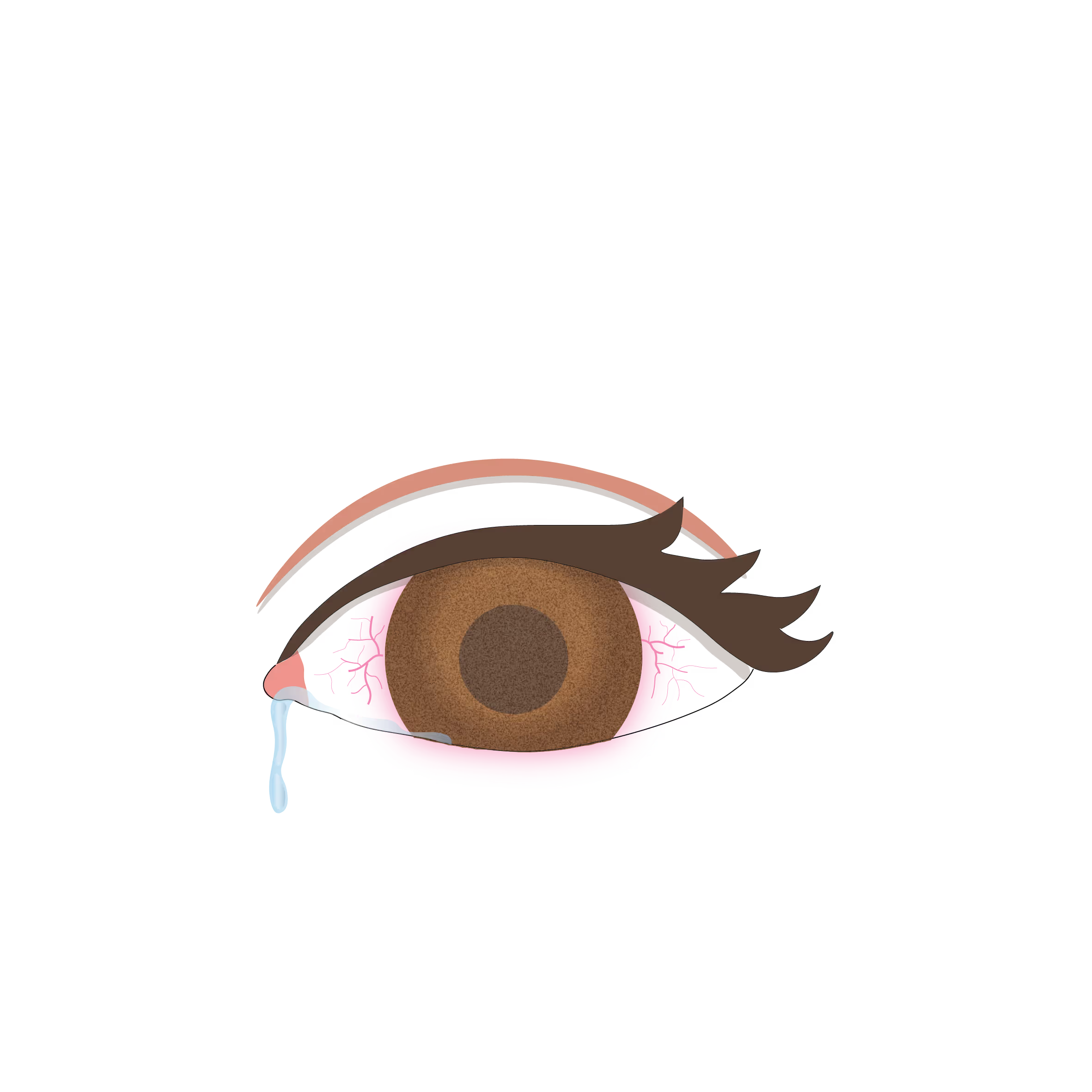
Dry Eye Syndrome is a common chronic condition caused by an imbalance in the tear film. This is linked either to insufficient tear production (aqueous deficiency) or excessive evaporation. This dryness triggers inflammation of the ocular surface, which in turn worsens the dryness, creating a "vicious cycle" of irritation.
Most Common Symptoms
- Gritty sensation or feeling of a foreign body (sand) in the eye.
- Burning, stinging, or tingling.
- Eye redness.
- Fluctuating blurred vision (often improved upon blinking).
- Discomfort during reading or prolonged screen use.
- Photophobia (sensitivity to light).
- Paradoxical tearing (reflex tearing in response to dryness).
Main Causes
- Age: Increased prevalence after age 50.
- Hormonal Factors: Often associated with menopause.
- Reduced Blink Rate: Primarily due to prolonged screen use.
- Contact Lens Wear.
- Ocular Surgery: Such as LASIK or PRK.
- Autoimmune Conditions: Such as Sjögren’s Syndrome.
- Medications: Including antihistamines, antidepressants, and beta-blockers.
- Environmental Factors: Dry air, wind, or air-conditioning.
Classification
Dry eye is generally classified into two primary categories, though they frequently coexist as a mixed clinical picture:
- Aqueous Deficient Dry Eye: This occurs when the lacrimal glands fail to produce an adequate volume of the watery (aqueous) component of the tear film. It is commonly associated with autoimmune conditions, such as Sjögren’s Syndrome, or age-related gland atrophy.
- Evaporative Dry Eye: This is the most prevalent form, characterised by the rapid loss of moisture from the ocular surface.
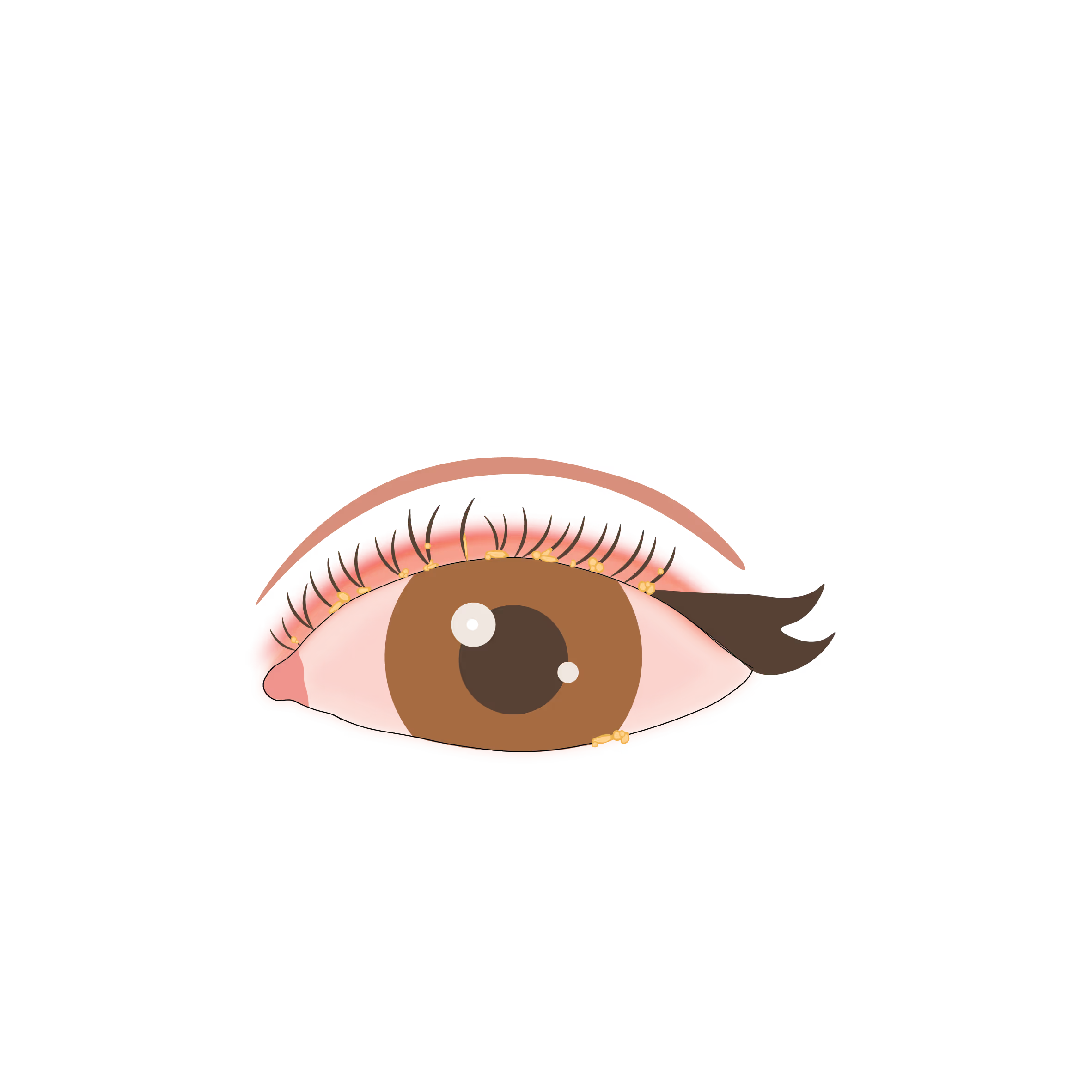
- It is most frequently caused by Meibomian Gland Dysfunction (MGD), where an alteration of the lipid (oil) layer prevents the tears from remaining stable.
- Exposure-Related Evaporation: Incomplete blinking or anomalies in the eyelid aperture (where the eye remains too widely open) also lead to excessive evaporation by increasing the surface area exposed to the air.
Targeted Management and Care
1. Management of Aqueous Deficit
- Preservative-free artificial tears.
- Ocular gels or ointments (particularly for overnight use).
- Topical Anti-inflammatories: Such as Ciclosporin or mild corticosteroids.
- Punctal Plugs: Small inserts placed in the tear ducts to retain natural tears on the eye.
2. Management of Evaporative Dry Eye
- Eyelid Hygiene: Warm compresses, lid massage, and specialized cleaning.
- Lipid-based Emulsions: Eye drops designed to restore the oily layer.
- Intense Pulsed Light (IPL): To improve Meibomian gland function.
- Manual Gland Expression.
3. Advanced Treatments for Severe Cases
- Scleral Contact Lenses: Large-diameter lenses that create a constant reservoir of fluid over the cornea.
- Autologous or Allogeneic Serum: Specialised eye drops derived from the patient's own blood (autologous) or from a screened donor (allogeneic), containing essential growth factors for advanced healing.
- Amniotic Membrane: Used as a biological bandage to heal the ocular surface.
- Tarsorrhaphy: A surgical procedure where the eyelids are partially sewn together to protect the cornea and maintain moisture. This is usually temporary.
Linked procedures
Les questions fréquentes
Si vous avez d'autres questions n'hésitez pas à nous contacter !
Book a consultation
Swiss Visio Montchoisi
1006 Lausanne, Switzerland