Chalazion
A chalazion is a firm, localised lump that forms within the eyelid due to the obstruction and inflammation of a Meibomian gland (an oil-producing gland). While it may initially be tender, it often becomes a painless swelling. Many chalazia resolve spontaneously or with targeted conservative management, such as warm compresses and lid hygiene but some need specialised medical attention or surgical management.
Discover how to proceed with lid hygiene in the drawings below.

.png)
.png)
A chalazion here affects the Lower Eyelid. It is a firm and sometimes painful subcutaneous nodule.
The chalazion of the upper eyelid is more common and has a greater tendency to obstruct vision by obstructing the visual axis.
.png)
Apply heat (1–2 minutes)
- Use a clean compress, a warm flannel or a reusable heated mask.
- Apply to the closed eyelids.
- The heat helps to loosen the secretions and widen the opening of the Meibomian glands.
.png)
Gently massage the eyelids
- With clean fingers or a cotton bud, massage along the edge of the eyelids:
- Upper eyelid: from top to bottom
- Lower eyelid: from bottom to top
.png)
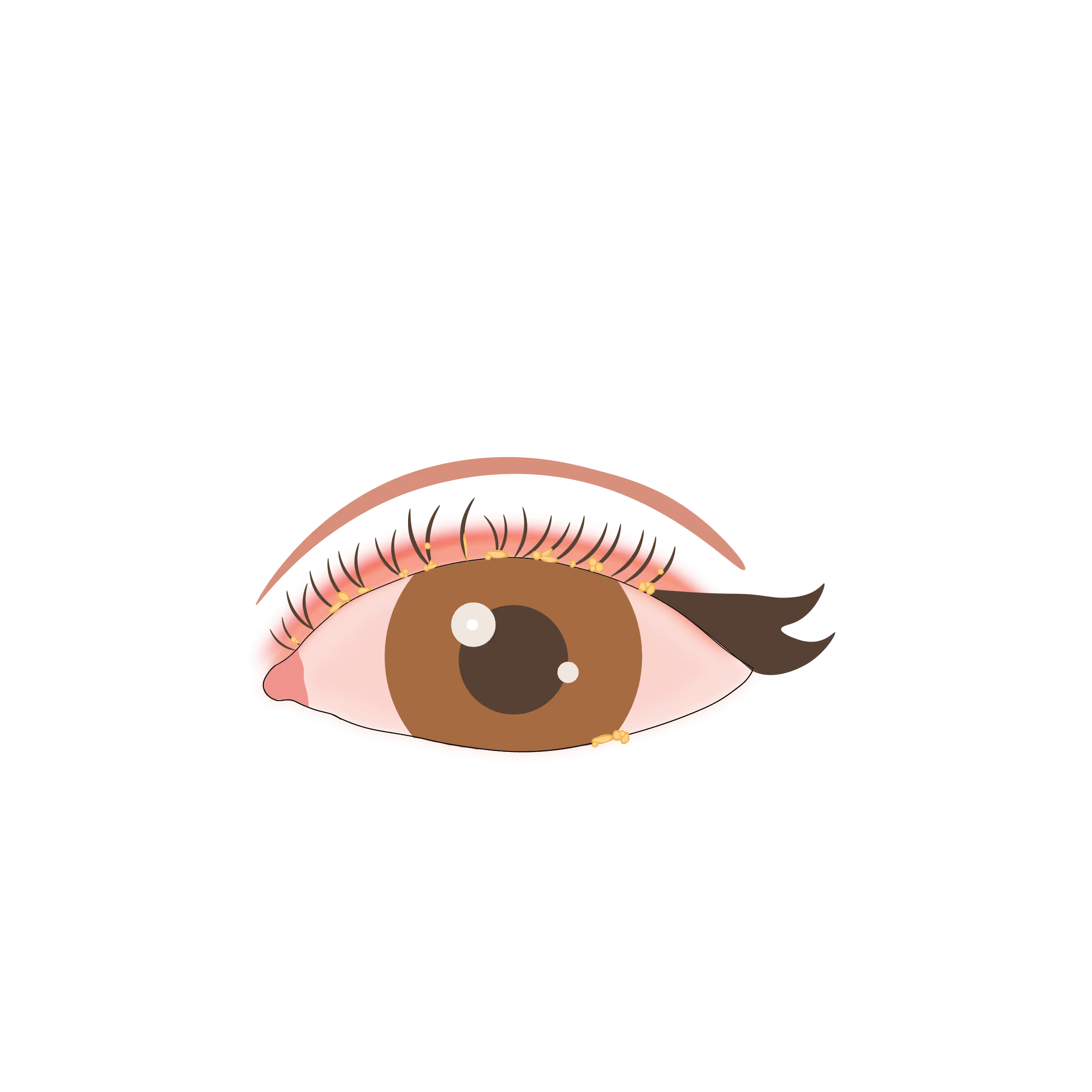
Clean the edge of the eyelids (crusts and debris)
- Use:
- A dedicated eyelid wipe (available from pharmacies)
- Or a cotton bud or make-up removal pad soaked in saline solution, or a special solution suitable for the eye
- Gently rub the base of the lashes (the free edge of the eyelids) to remove secretions and crusts
What is a Chalazion?
A chalazion is a localised inflammation of a Meibomian gland within the eyelid. These glands produce the essential lipid (oil) layer of the tear film, which prevents tears from evaporating too quickly and maintains ocular lubrication. When a gland's duct becomes obstructed, oily secretions build up, resulting in a firm nodule.
How to Recognise It
- A firm lump: Usually felt within the eyelid; more common on the upper lid but can occur on the lower lid.
- Initial Tenderness: It may be painful during the acute inflammatory stage but typically becomes a painless, firm swelling.
- Redness and Swelling: Localised to the area of the lump.
- Visual Disturbance: If the chalazion is large enough, it can press on the cornea and cause temporary blurred vision.
Natural Progression
The majority of chalazia resolve spontaneously within a few weeks. However, some may persist or increase in size, requiring conservative management or, in some cases, surgical intervention.
Possible Treatments
- Warm Compresses: Applied several times a day to liquefy the blocked oils.
- Eyelid Massage: Gentle pressure to encourage the drainage of the obstructed gland.
- Medicated Ointments: Antibiotic and corticosteroid combinations may be prescribed if inflammation persists.
- Surgical Excision: A minor procedure to drain the chalazion if it remains large, painful, or fails to resolve after several weeks.
Is it Contagious?
No. A chalazion is an inflammatory condition, not an infectious one. It is not contagious and cannot be spread to other people or to your other eye through contact.
When to Consult an Ophthalmologist
- If the lump persists for more than 2 to 3 weeks despite consistent warm compresses and massage.
- If the area becomes significantly painful, red, or is accompanied by a fever.
- If you suffer from recurrent chalazia, as an ophthalmological evaluation is necessary to rule out underlying lid margin disease.
Linked procedures
.png)
Les questions fréquentes
Si vous avez d'autres questions n'hésitez pas à nous contacter !
Book a consultation
Swiss Visio Montchoisi
1006 Lausanne, Switzerland