YAG Laser Capsulotomy
YAG laser capsulotomy is a quick and painless procedure performed to treat secondary opacification of the posterior capsule, a relatively common occurrence after cataract surgery.
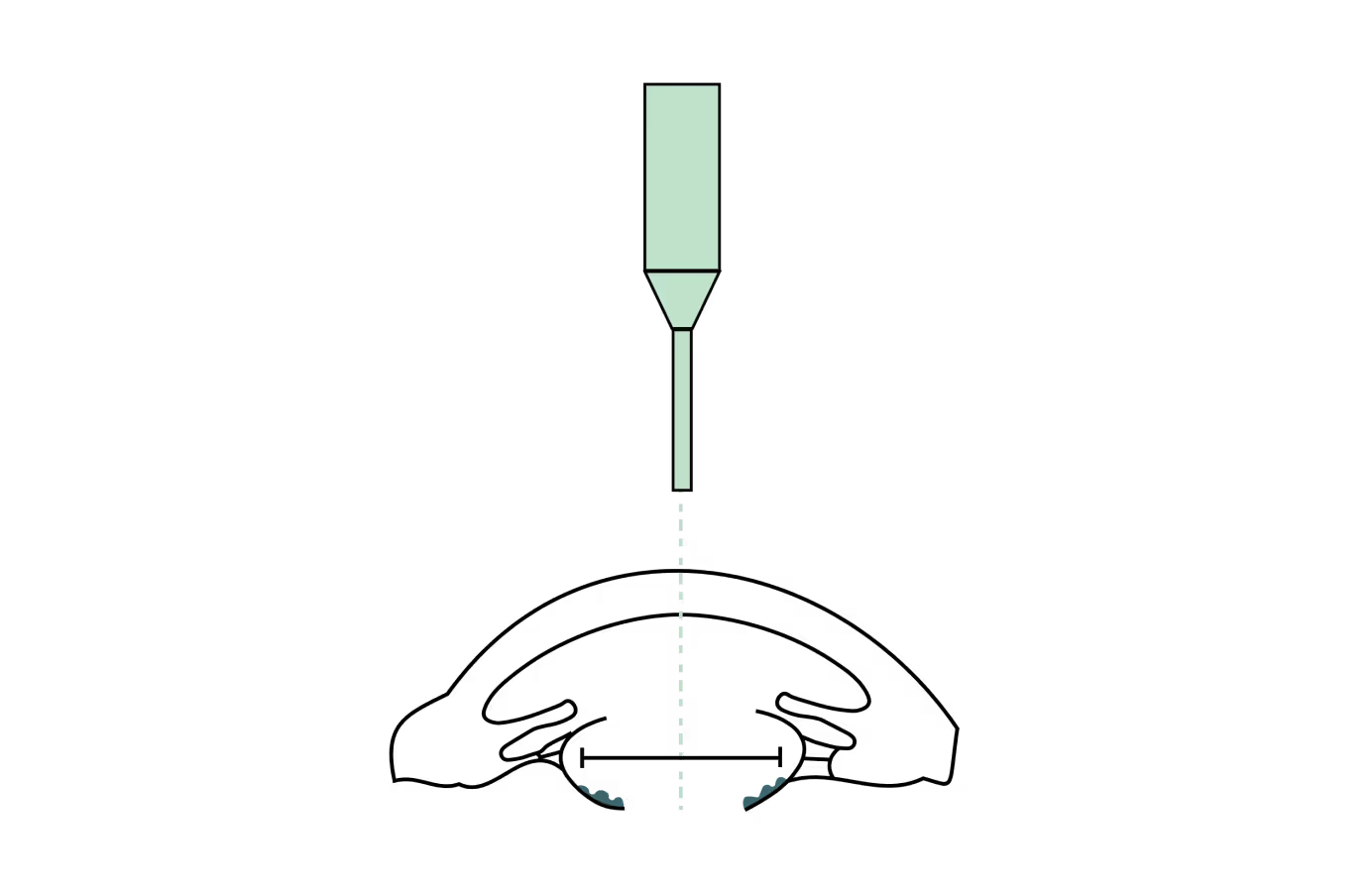
During the procedure, a special laser is used to create a clear opening in the capsule behind the artificial lens, which restores clear vision.
This procedure takes only a few minutes, requires no incision, and you can usually resume your normal activities the same day.

How does it work?
Learn more about the procedure / equipment
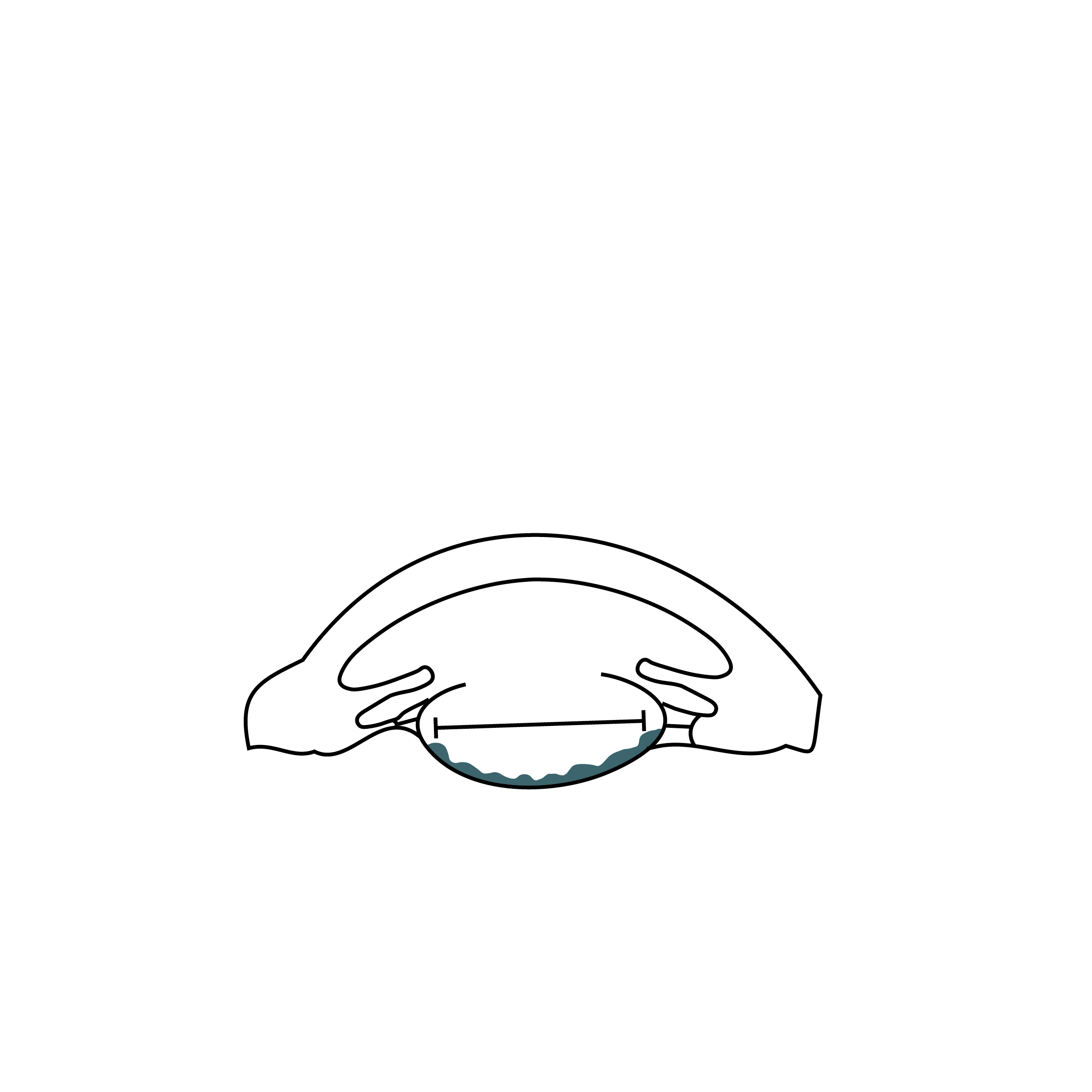
Posterior capsule opacification causing blurred vision, also known as "secondary cataract".

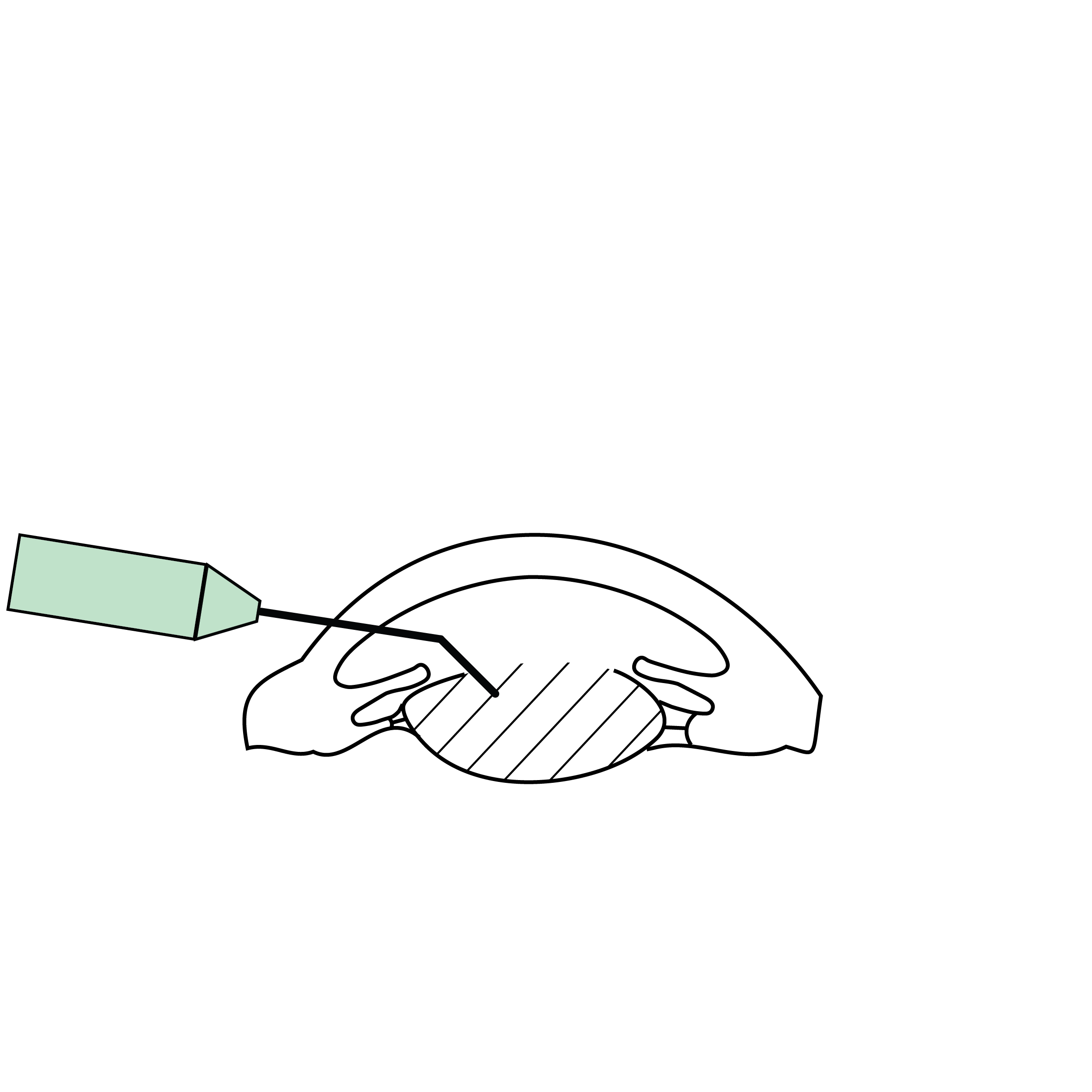
A central opening is created in the posterior capsule using a YAG laser to allow light to pass through properly and thus restore clear vision.
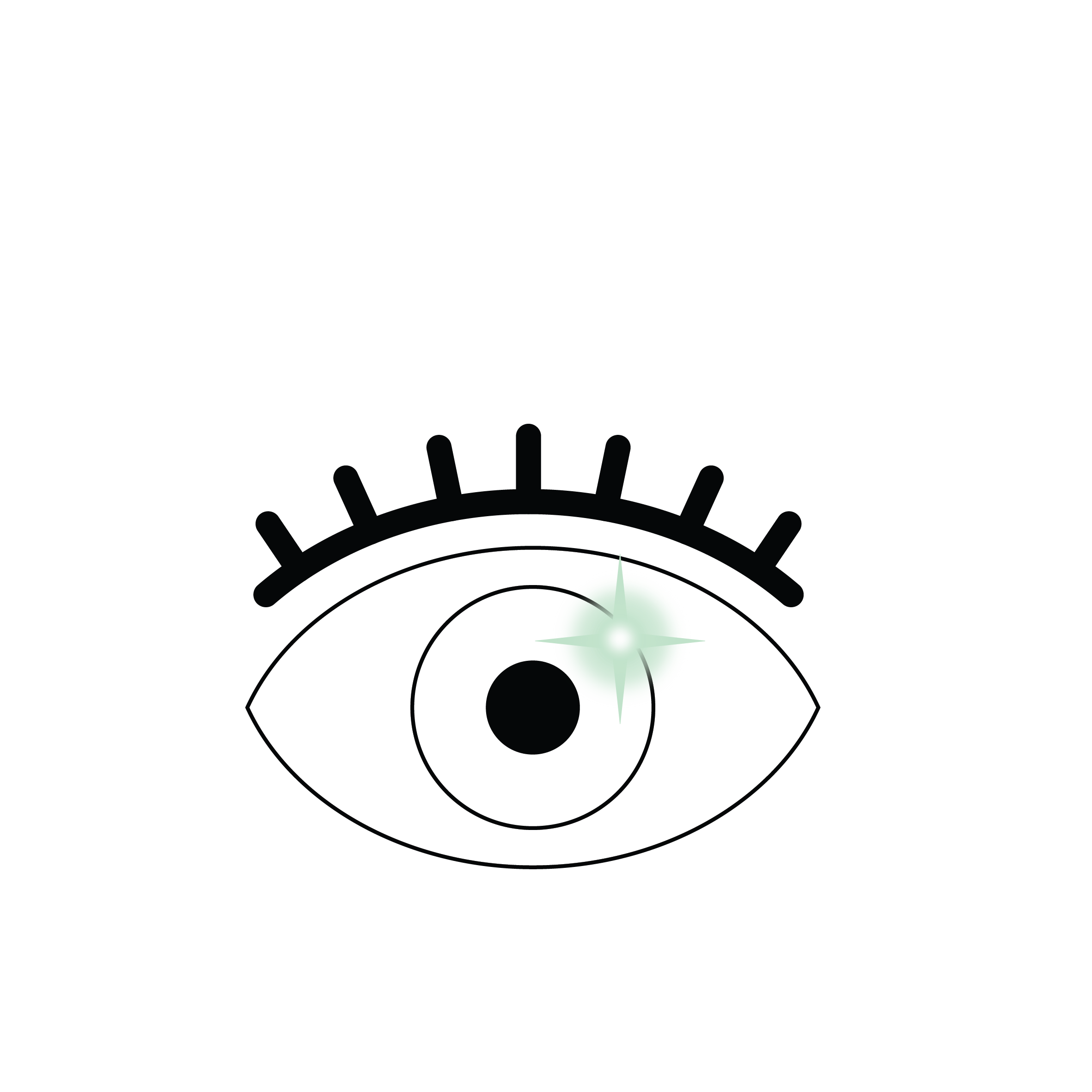
The eye structures are clear, and the posterior capsule has a clear central opening, allowing light to pass through unobstructed to restore clear vision.
What is YAG laser capsulotomy?
YAG laser capsulotomy is a procedure performed to improve vision in people who have undergone cataract surgery. After this surgery, a thin membrane called the posterior capsule, which supports the artificial lens, can become thick and cloudy.
This can cause blurry vision or glare, a phenomenon known as "secondary cataract."
The YAG laser is used to create a small opening in this cloudy capsule, allowing light to pass properly to the retina and thereby restoring clear vision.
The procedure is quick, painless, and requires no incision.
What are the risks?
Like any procedure, YAG laser capsulotomy carries some risks, although they are rare.
These risks include mild inflammation with a possible temporary increase in intraocular pressure and, in very rare cases, a retinal tear or detachment.
Some patients may experience "floaters," blurry vision, or temporary discomfort after the procedure.
Your ophthalmologist will prescribe anti-inflammatory eye drops and drops to prevent an increase in eye pressure to minimize these risks.
What happens after the laser procedure?
YAG laser capsulotomy is an outpatient procedure that usually takes less than 5 minutes. It is performed under topical anesthesia in the form of anesthetic drops.
After the procedure, you can go home and resume your normal activities quickly, sometimes even the same day. You may experience slight discomfort or light sensitivity for a few hours.
A follow-up appointment is usually scheduled to check your recovery and measure intraocular pressure. The majority of patients notice a significant improvement in their vision within a few hours after the procedure.
In most cases, the results are long-lasting and no further treatment is necessary.
If you experience unusual symptoms, such as severe pain or a sudden change in vision, it's important to consult your ophthalmologist promptly.
Les différentes types de greffes
Découvrez les kératoplasties (= greffes de cornée)
Frequently asked questions
If you have any further questions, please do not hesitate to contact us!
Linked procedures
Discover other related surgical topics
Linked conditions
Book a consultation
Swiss Visio Montchoisi
1006 Lausanne, Switzerland