Corneal cross-linking: the reference treatment for keratoconus
Corneal cross-linking is the reference treatment to stabilise progressive keratoconus. Here is how it works, who it is for, and what to expect.
Created on
17.06.2026
·
Updated on
05.07.2026

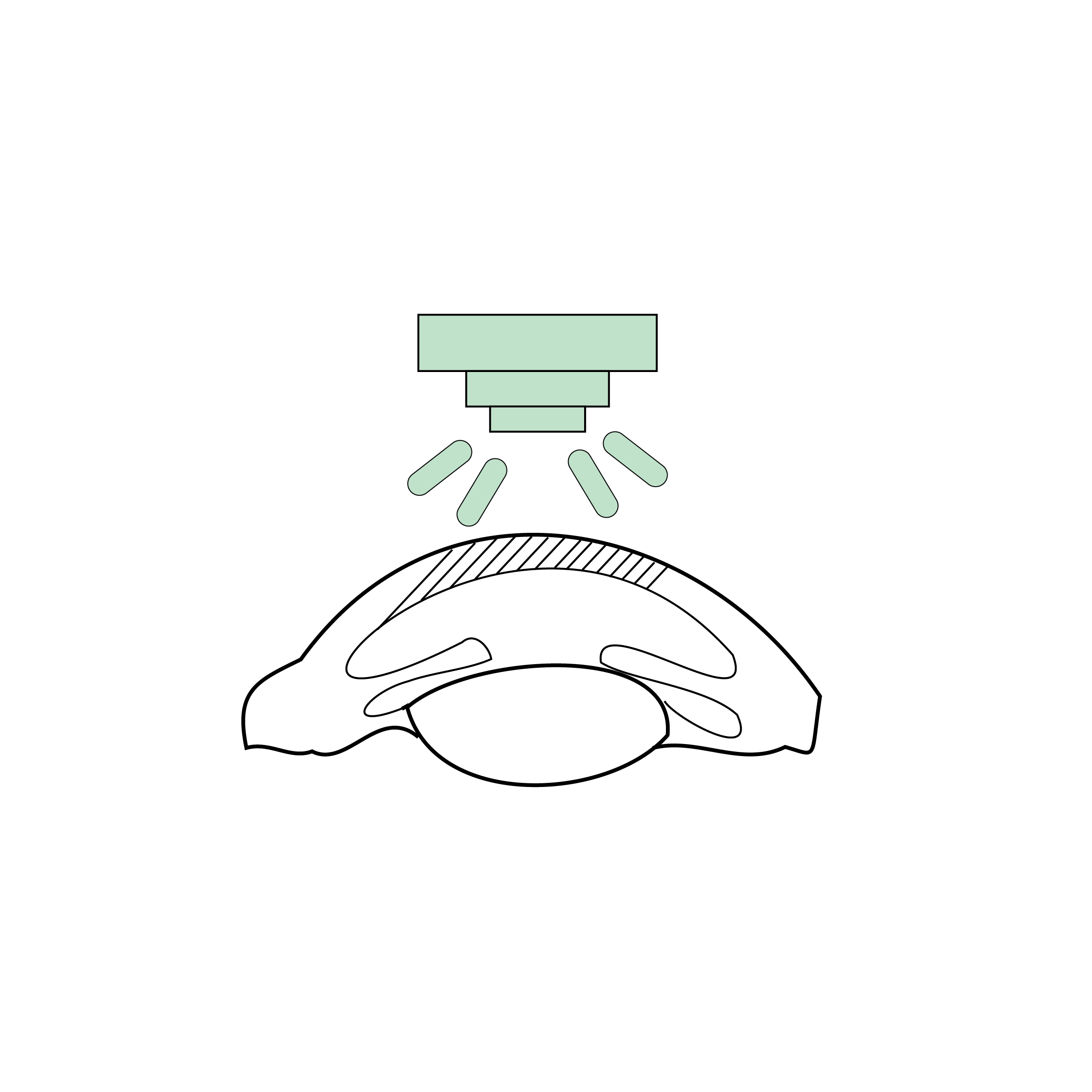
Corneal cross-linking (CXL) is the reference treatment to stabilise progressive keratoconus. It strengthens the cornea to slow its deformation and preserve vision. This article explains the principle, the indications, the procedure, the recovery and the limits. One key reminder: cross-linking stabilises the disease, it does not restore vision that is already lost.
What is corneal cross-linking?
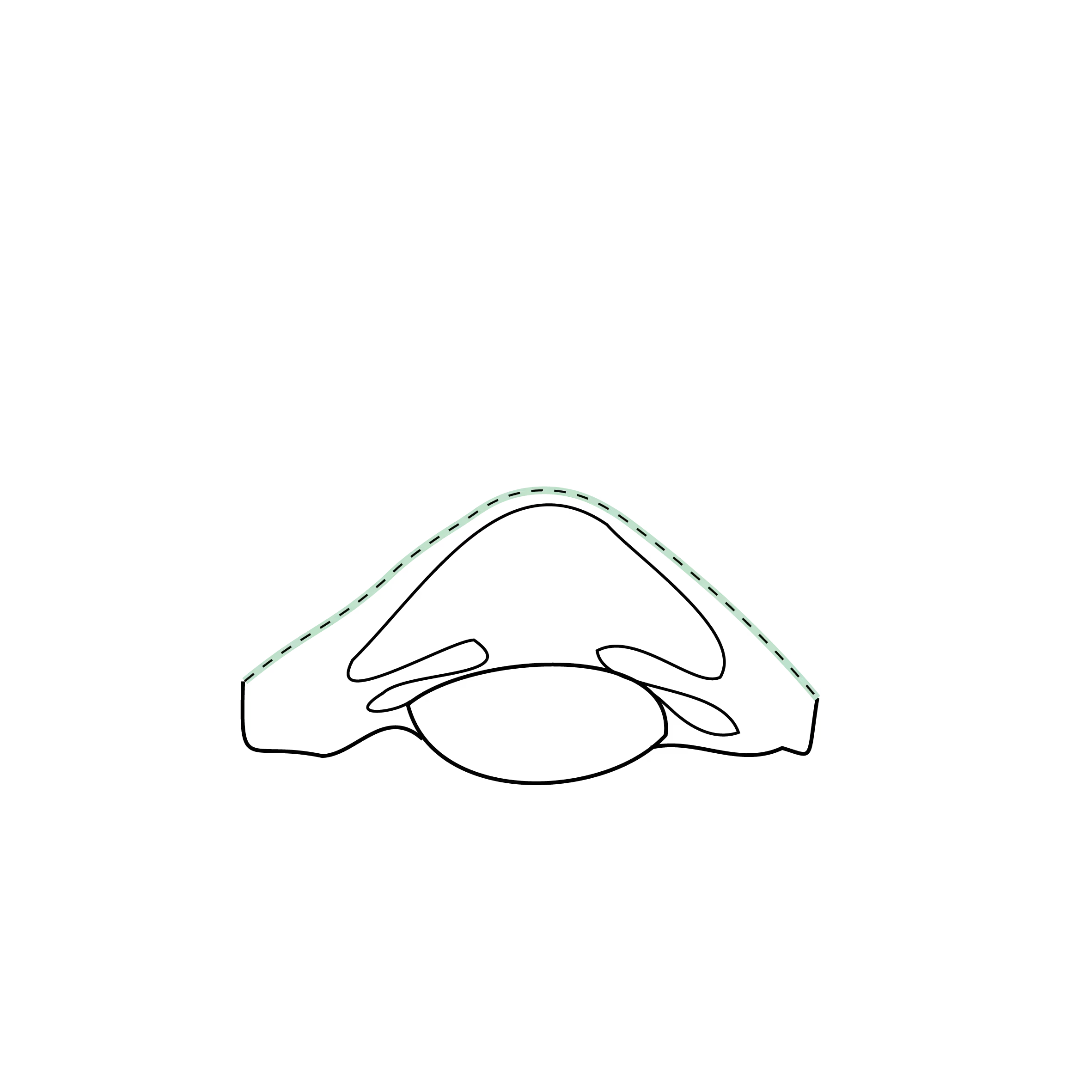
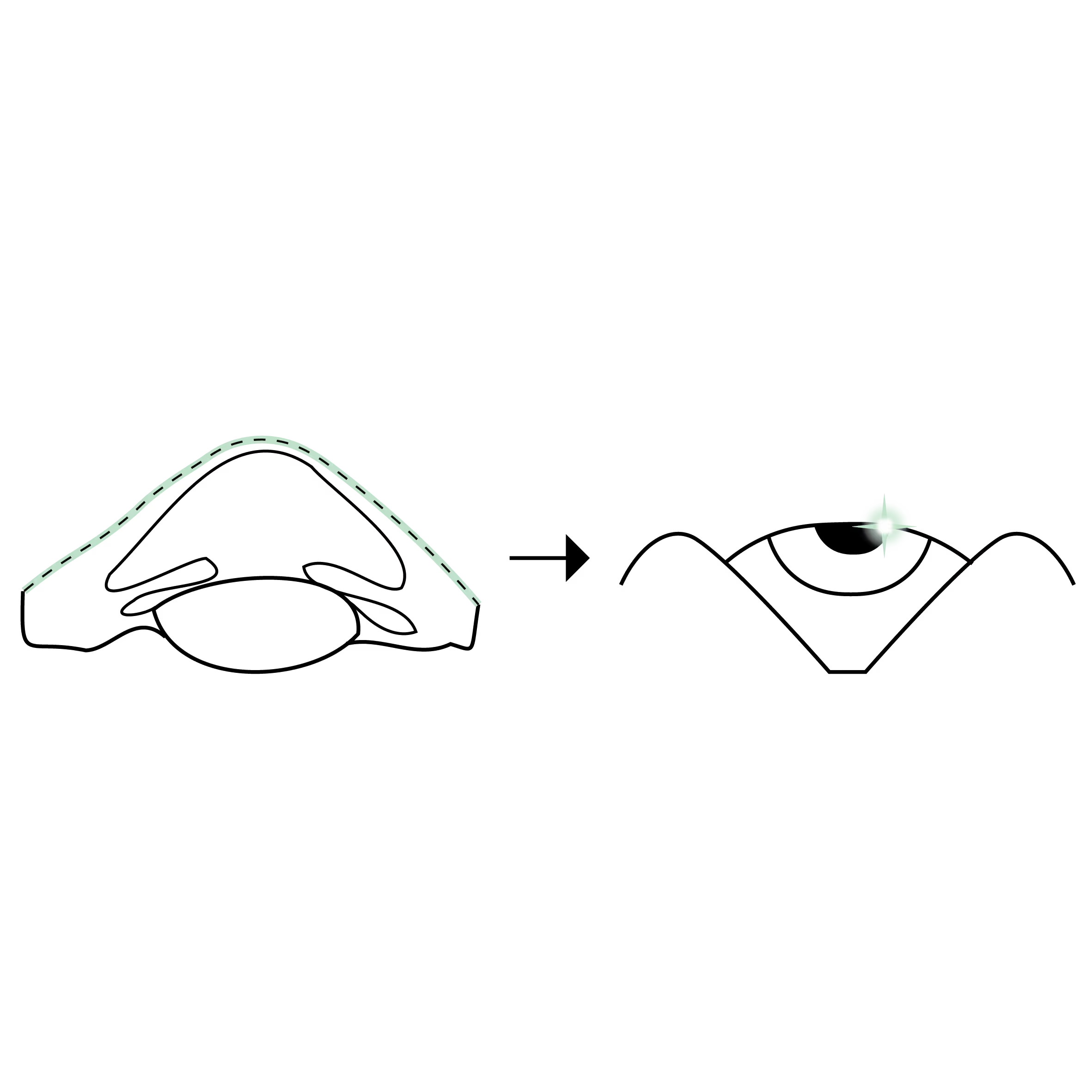
Corneal cross-linking is a technique that stiffens the cornea by creating new bonds between its collagen fibres. In keratoconus, the cornea thins and bulges into a cone. By reinforcing it, CXL aims to halt this progression.
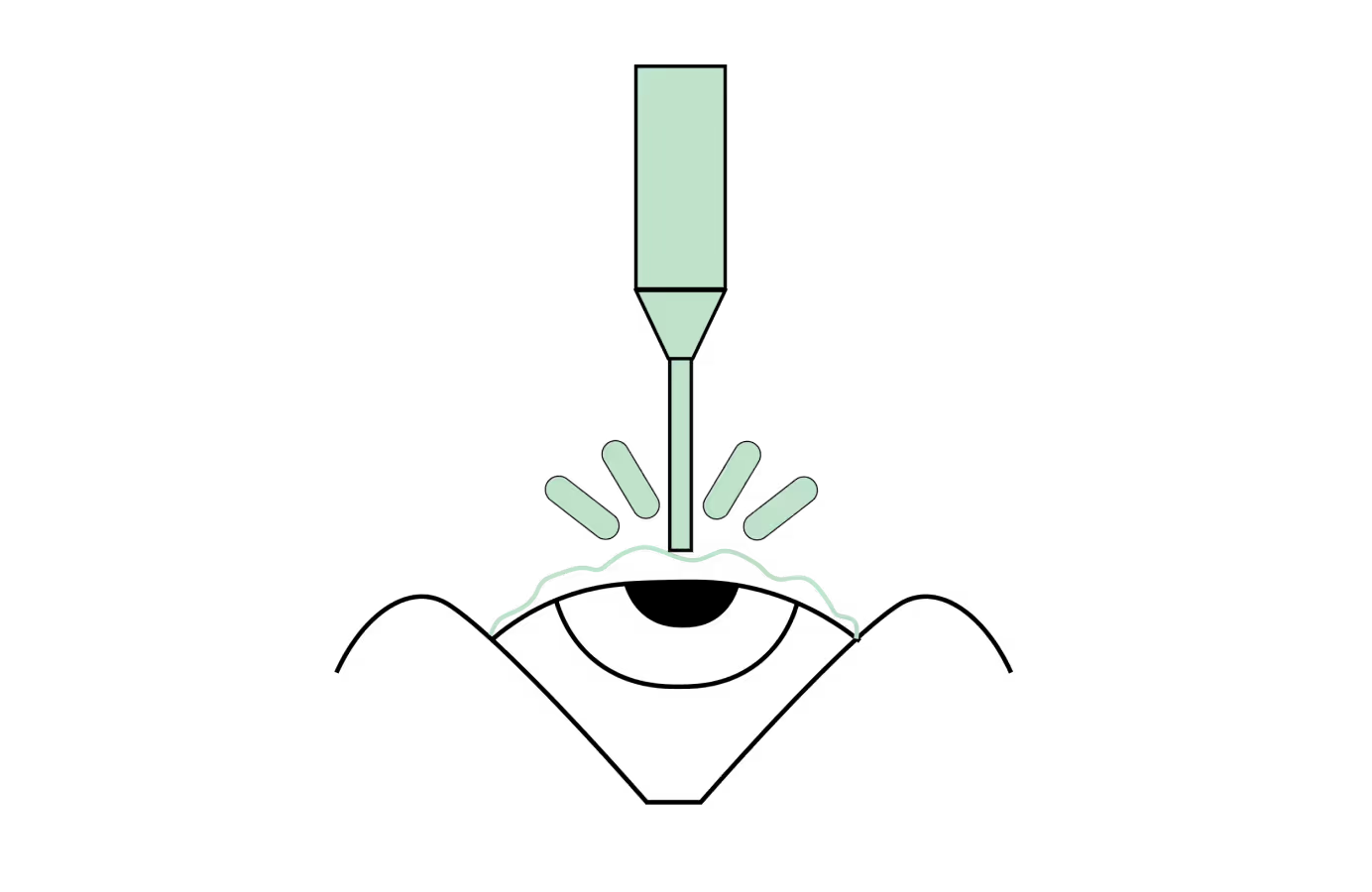
The technique combines two elements: the application of riboflavin (vitamin B2) to the cornea, then controlled exposure to ultraviolet (UVA) light. This photochemical reaction solidifies the corneal tissue. Cross-linking is now endorsed by learned societies, including the ESCRS, as the reference treatment for progressive keratoconus.
Who is cross-linking for?
Cross-linking is mainly for patients whose keratoconus is progressing, confirmed by comparing several corneal topographies/tomographies over time. Good candidates are usually:
- adolescents and young adults, in whom the disease progresses quickly
- patients with a documented worsening of astigmatism or deformation
- corneas thick enough to be treated safely
A stable keratoconus does not always need immediate cross-linking: monitoring may be enough. Only a specialist examination can decide. To assess your situation, you can consult a specialist in corneal surgery.
How is the procedure performed?
Cross-linking is an outpatient procedure carried out under local anaesthesia with drops. It involves several steps:
- Anaesthesia of the eye with drops.
- Depending on the technique, removal of the thin surface layer (epithelium) to help the riboflavin penetrate.
- Soaking of the cornea with riboflavin drops.
- UVA exposure for a controlled time.
- Placement of a bandage contact lens for comfort and healing.
The procedure lasts on average 30 to 60 minutes per eye. There are two main approaches: with removal of the epithelium (epi-off) and without removal (epi-on), whose indications are discussed case by case.
Recovery
The first days after epi-off cross-linking can be uncomfortable: a foreign-body sensation, watering, light sensitivity and blurred vision. The bandage lens and prescribed drops relieve these symptoms. The discomfort clearly decreases within 3 to 5 days, as the surface heals.
Vision stabilises gradually over several weeks to several months. One instruction is essential during healing: do not rub the eye and follow the drops strictly. Follow-up topography/tomography confirms stabilisation.
What results to expect
The main goal of cross-linking is to stop the progression of keratoconus. In most cases the deformation stabilises after treatment. A slight improvement in corneal shape is sometimes seen, but it is not guaranteed and is not the primary aim.
Worth remembering: cross-linking does not replace glasses or contact lenses and does not restore vision that is already impaired. When the deformation is already significant, it may be combined with other options such as intracorneal ring segments, assessed by your surgeon.
Risks and limits
Cross-linking is considered safe, but no medical procedure is risk-free. Complications, which are uncommon, can include delayed healing, infection, corneal haze or, rarely, a drop in vision. These risks are discussed in consultation before the procedure.
How much does cross-linking cost in Switzerland?
When it treats a documented progressive keratoconus, cross-linking is in principle covered by basic health insurance (LAMal, the Swiss compulsory basic insurance), minus the deductible and the 10% co-payment. The exact terms depend on the situation and are set out during the consultation.
FAQ: common questions about corneal cross-linking
Is cross-linking painful?
The procedure itself is painless thanks to anaesthetic drops. It is mainly the first few days that can be uncomfortable after epi-off cross-linking, with a foreign-body sensation and light sensitivity. These symptoms usually ease within 3 to 5 days, relieved by the bandage lens and prescribed drops.
Does cross-linking improve eyesight?
The aim of cross-linking is to stabilise keratoconus, not to improve eyesight. A slight improvement in corneal shape is sometimes seen, but it is not guaranteed. Most patients continue to wear glasses or contact lenses after treatment.
Can keratoconus progress again after cross-linking?
In the vast majority of cases, cross-linking stabilises keratoconus for the long term. Renewed progression remains possible in rare situations and may justify a second treatment. Regular follow-up with corneal topography/tomography detects it in time.
At what age can cross-linking be done?
It is often offered early in adolescents and young adults, because keratoconus progresses fastest at that age. Acting early helps preserve better vision in the long term. The decision depends on evidence of progression and on corneal thickness.
Can you drive after cross-linking?
Vision is often blurred in the first days and driving is not advised until eyesight is sharp enough. The return to driving is decided with your ophthalmologist at the check-up, based on your recovery.
In summary
Corneal cross-linking is a validated, safe treatment to stabilise progressive keratoconus and preserve vision. The earlier it is performed, the more effective it is. If progressive keratoconus has been mentioned to you, book an appointment with Dr Arthur Hammer, an FMH ophthalmologist specialising in the cornea in Lausanne and Geneva, to assess the indication.
Linked conditions
.avif)
.avif)
Related articles
Discover our other articles that might interest you
Book a consultation
Swiss Visio Montchoisi
1006 Lausanne, Switzerland