Intracorneal Rings & Segments (ICRS and CAIRS)
Synthetic intracorneal segments (ICRS - IntraCorneal Ring Segments) and biological segments (CAIRS - Corneal Allogenic Intrastromal Ring Segments) are devices used to modify corneal curvature and improve vision, primarily in the treatment of keratoconus and other corneal ectasias.

.avif)
How does it work?
Learn more about the procedure / equipment
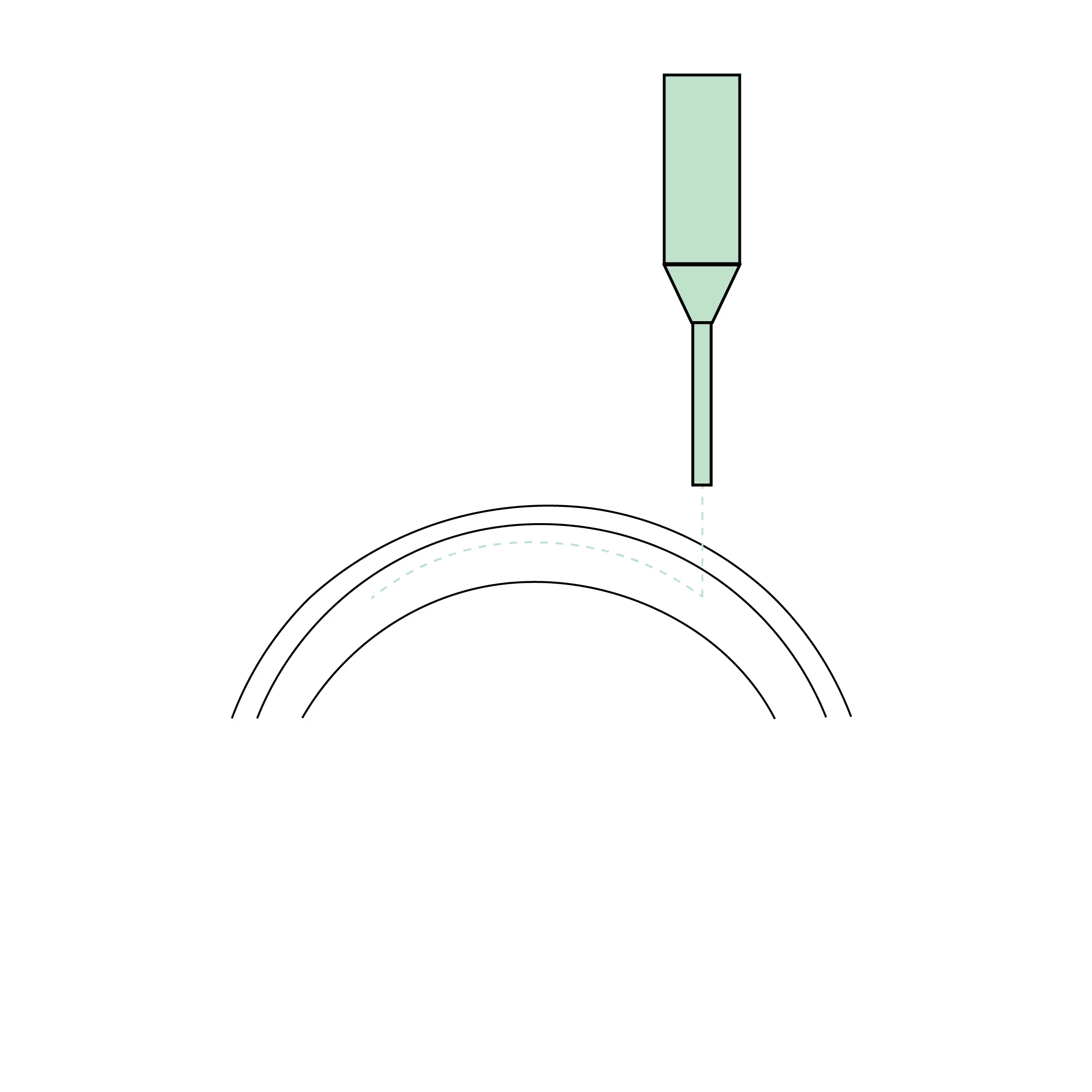
Creating a circular (or semi-circular) tunnel in the cornea, often performed with a femtosecond laser (the same one used for LASIK and SMILE), for the insertion of an intracorneal segment.
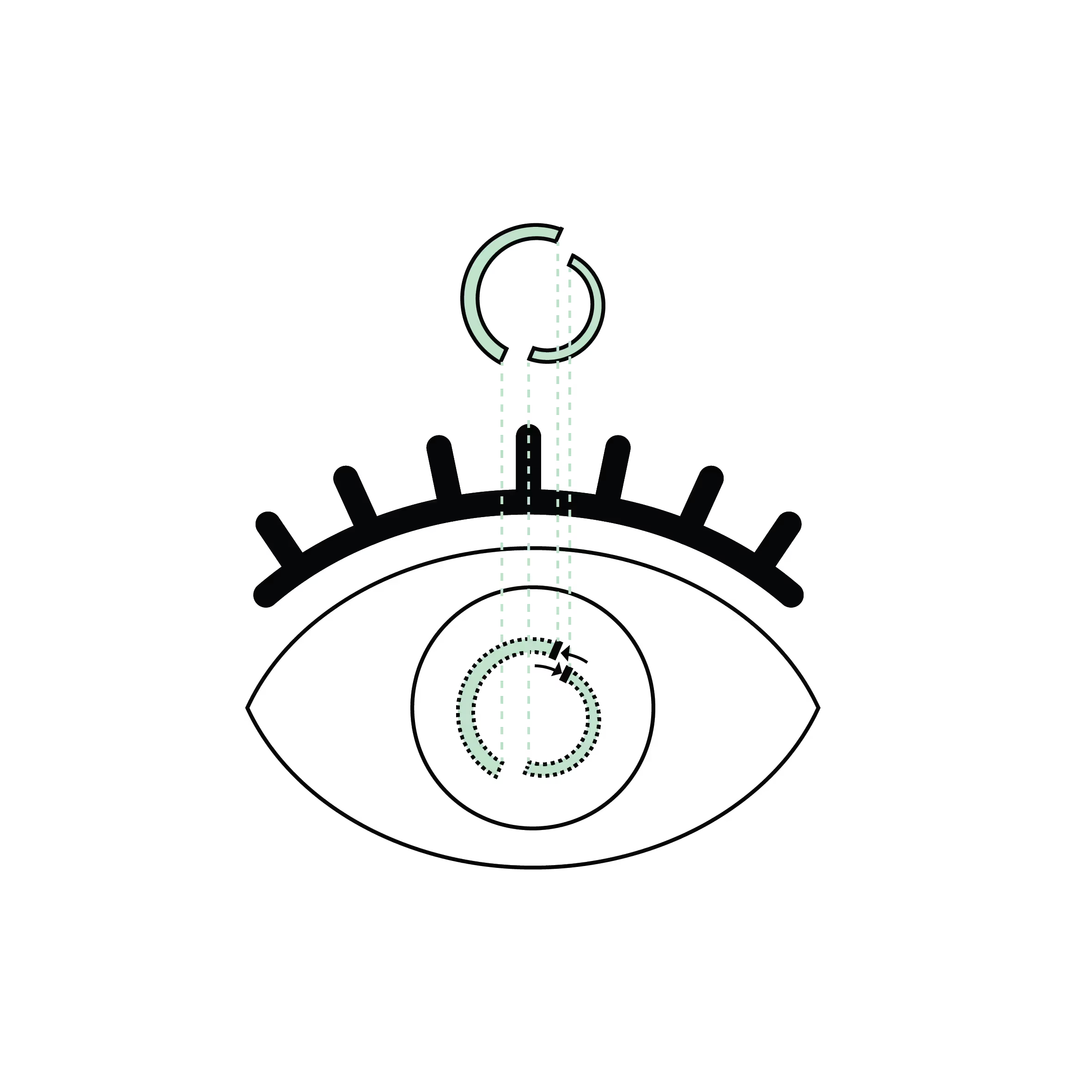
Insertion of the intracorneal segment(s) into the previously created tunnel(s) in the cornea.

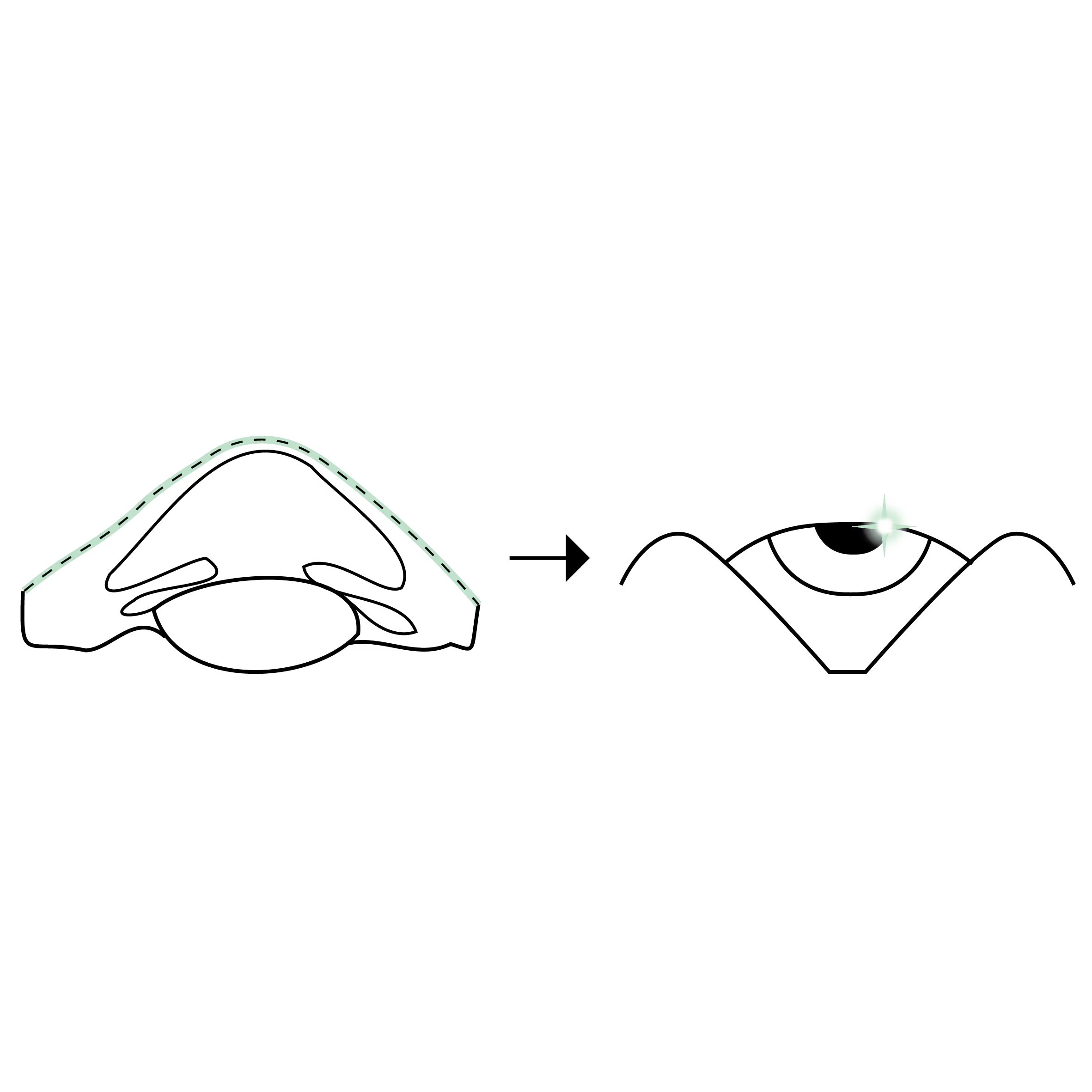
Regularization of the anterior corneal curvature by slightly flattening it, which improves vision.
Synthetic Intracorneal Segments (ICRS)
ICRS are implants made of synthetic material (generally PMMA - polymethyl methacrylate) inserted into the corneal stroma to reshape corneal curvature and reduce irregularity induced by keratoconus or other ectatic corneal pathologies.
There are different types, such as Ferrara Ring, MyoRing and Keraring.
Main advantages of ICRS:
- Corneal regularization/flattening and improved vision without permanently altering corneal structure.
- Reversible technique (segments can be removed or adjusted).
- Improved corneal regularity, thereby reducing astigmatism and myopia associated with keratoconus.
- May delay the need for a corneal transplant.
- Combined treatment with cross-linking is possible for better keratoconus stabilization.
Limitations:
- Risk of complications (exposure, extrusion, and segment migration).
- Variable results depending on the stage of keratoconus and the patient's corneal characteristics.
Biological Intracorneal Segments (CAIRS)
CAIRS (Corneal Allogenic Intrastromal Ring Segments) are a biological alternative to synthetic segments, using allogenic corneal tissue segments for a more natural and biocompatible remodeling.
Advantages of CAIRS:
- Improved biocompatibility: lower risk of extrusion compared to ICRS.
- More gradual and natural effect on corneal curvature compared to ICRS.
- Reversible technique (segments can be removed or adjusted).
- May delay the need for a corneal transplant.
- Combined treatment with cross-linking is possible for better keratoconus stabilization.
Limitations:
- Limited availability of corneal grafts.
- Newer technique, still requiring long-term studies on its efficacy and durability.
What are the benefits of intracorneal segments?
Improved vision: By reshaping the cornea, intracorneal segments can improve vision with glasses or contact lenses and sometimes reduce reliance on optical aids.
Reversibility: The procedure is reversible, making it suitable for individuals who wish to explore other treatment options in the future. Corneal scars may be observed at the location of removed segments but are usually outside the visual axis and therefore should not significantly affect vision.
Less invasive: The procedure is minimally invasive compared to corneal transplants.
Conclusions
The primary goal of intracorneal segments is to improve vision by flattening and regularizing the corneal curvature. This helps reduce irregular astigmatism caused by corneal thinning and protrusion in keratoconus.
While segments may not always completely eliminate the need for glasses or contact lenses, they can significantly improve the quality of vision.
Les différentes types de greffes
Découvrez les kératoplasties (= greffes de cornée)
Frequently asked questions
If you have any further questions, please do not hesitate to contact us!
Is segment implantation painful?
The procedure is minimally invasive, performed under local anesthesia or with anesthetic drops, and is generally painless.
How long does the placement of intracorneal segments (ICRS or CAIRS) take?
It usually lasts 10 to 15 minutes per eye.
Am I a good candidate for intracorneal segments?
Candidates are generally individuals with keratoconus or corneal ectasia who have a clear central cornea and contact lens intolerance.
Linked procedures
Discover other related surgical topics



Linked conditions
Book a consultation
Swiss Visio Montchoisi
1006 Lausanne, Switzerland