Dry eye syndrome: causes, symptoms, treatments and when to consult
Dry eye syndrome affects a growing number of people. Causes, symptoms, types, diagnosis and treatments: a comprehensive guide to understanding and managing it.
Created on
17.06.2026
·
Updated on
05.07.2026

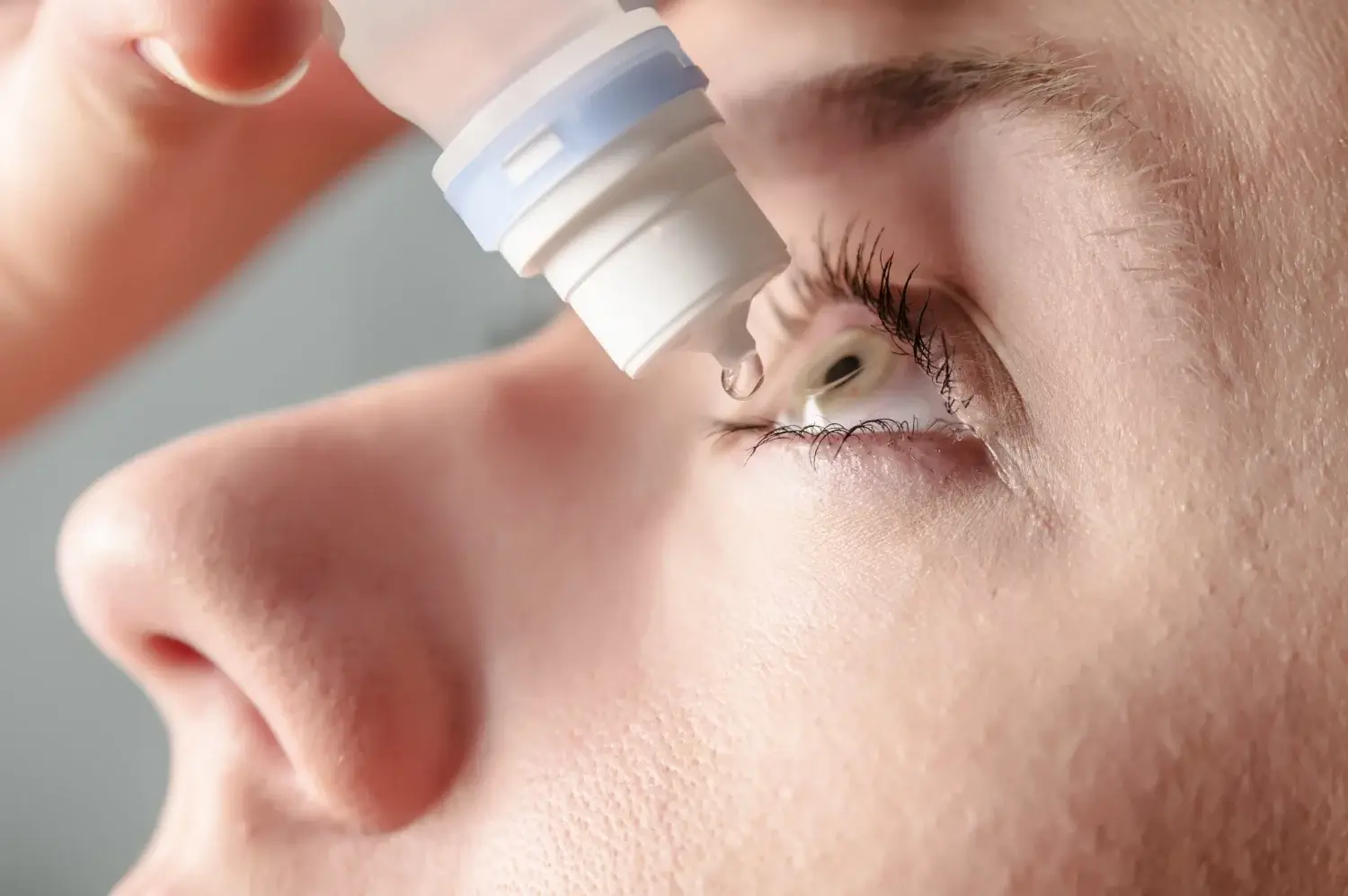
Dry eye syndrome is a common disorder of the tear film that causes stinging, a gritty sensation, redness and fluctuating vision. It results from either insufficient tear production or poor-quality tears that evaporate too quickly. When properly diagnosed and treated, dry eye syndrome can be managed effectively in the vast majority of cases. This comprehensive guide covers its causes, types, symptoms, diagnosis, treatments and when to consult an ophthalmologist.
What is dry eye syndrome?
Dry eye syndrome is a chronic condition affecting the ocular surface, caused by an imbalance in the tear film. This film, composed of three layers (lipid, aqueous and mucous), protects, nourishes and lubricates the cornea and conjunctiva. When it becomes unstable or insufficient, the ocular surface becomes irritated and inflamed.
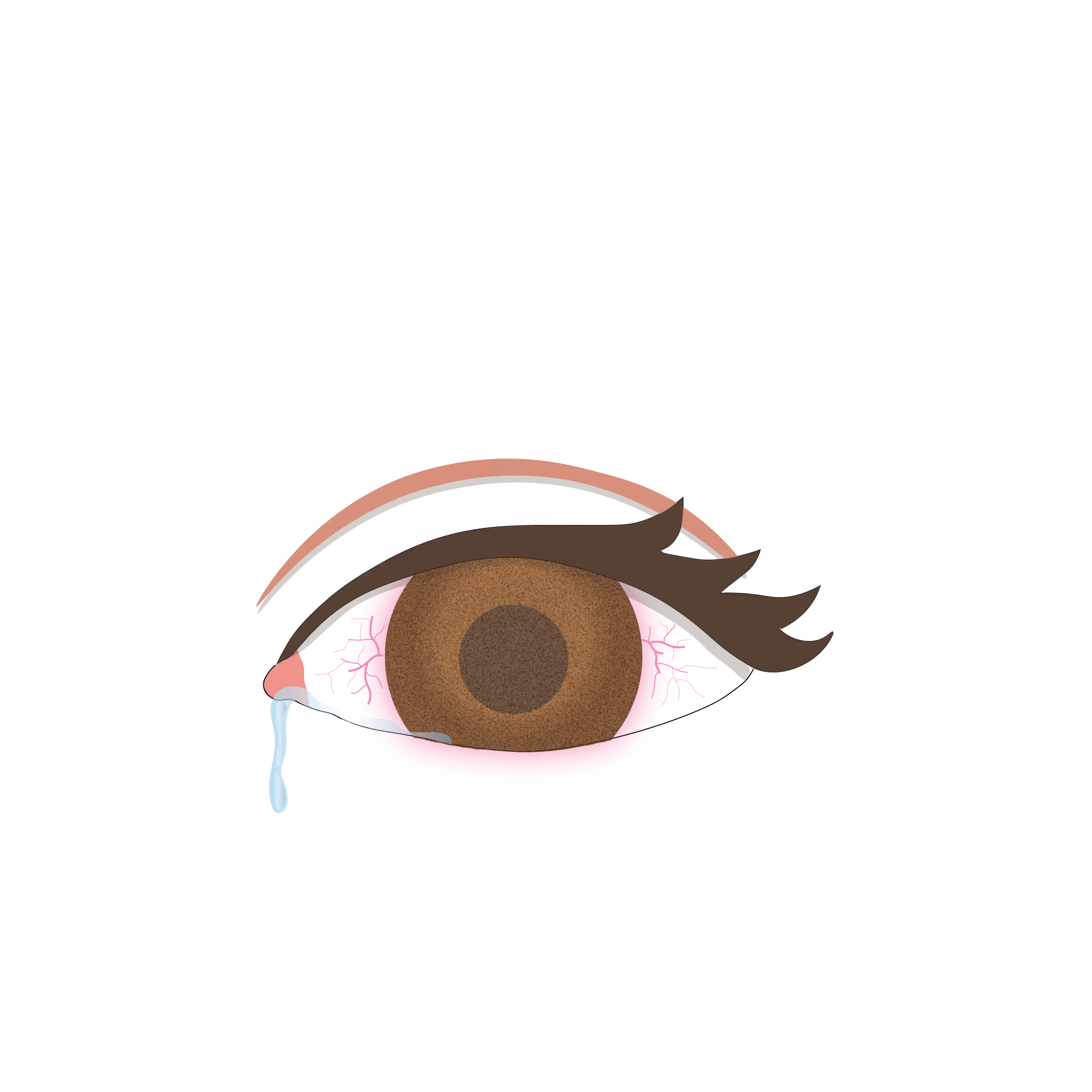
Dry eye syndrome occurs when this balance is durably disrupted. The symptom is not always a feeling of dryness: many patients report reflex tearing instead, as the irritated eye produces poor-quality tears that fail to stabilise the ocular surface. Dry eye syndrome is now one of the most common reasons for attending an ophthalmology appointment.
Symptoms of dry eye syndrome
Symptoms vary from person to person, but the most common include:
- a burning or gritty sensation in the eyes
- stinging and itching
- redness and a feeling of eye fatigue
- intermittent blurred vision that improves with blinking
- sensitivity to light (photophobia)
- paradoxical excessive tearing
- difficulty tolerating contact lenses
These symptoms often worsen towards the end of the day, in front of screens, or in dry or draughty environments.
The two main types of dry eye syndrome
Dry eye syndrome is divided into two main mechanisms, which are often present together. Distinguishing between them guides treatment.
The evaporative form is the most common. It is frequently linked to Meibomian gland dysfunction, whereby the eyelid glands responsible for producing the protective lipid layer of the tear film fail to function correctly.
Why does dry eye syndrome worsen?
Dry eye syndrome is a multifactorial condition whose severity varies with lifestyle and environment. Several factors contribute to its progression.
Screens and reduced blinking
In front of a screen, blink rate drops significantly. Yet each blink spreads the tear film across the eye. The less one blinks, the faster tears evaporate and the drier the ocular surface becomes. Prolonged office work is therefore a major cause of evaporative dry eye.
Age and hormones
Tear production declines with age. Hormonal changes, particularly at the menopause, also alter the quality of the tear film, which explains the higher prevalence in women over 50.
Environment
Air conditioning, central heating, dry mountain or cabin air, wind and pollution all accelerate tear evaporation and aggravate dry eye syndrome.
Contact lenses
Prolonged contact lens wear can disrupt the tear film and increase discomfort, particularly towards the end of the day.
Medications and systemic conditions
Certain medications (antihistamines, antidepressants, beta-blockers, hormone therapies) reduce lacrimal secretion. Systemic conditions such as Sjögren's syndrome, rheumatoid arthritis or thyroid disorders may also be implicated.
After corneal laser refractive surgery
Transient dry eye is common after LASIK, SMILE or PRK. It generally resolves over a few weeks to months and is managed with artificial tears. A pre-operative assessment always evaluates tear film quality before laser surgery.
Dry eye syndrome and blepharitis: a frequent association
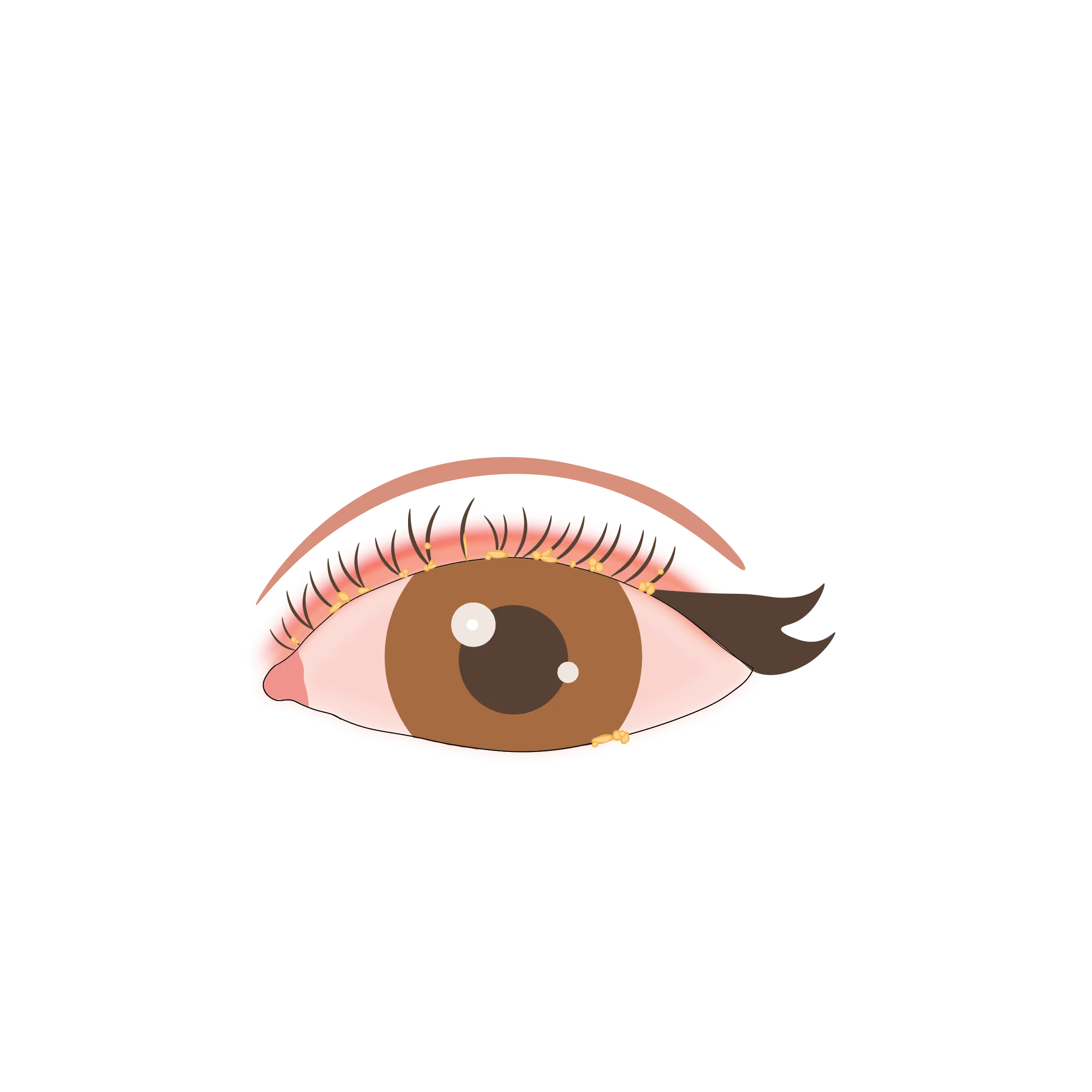
Blepharitis is an inflammation of the eyelid margins, often associated with Meibomian gland dysfunction. It is a major and underappreciated cause of evaporative dry eye. When these glands become blocked, the lipid layer of the tears becomes insufficient and tears evaporate too quickly. Managing blepharitis through regular eyelid hygiene often produces a lasting improvement in dry eye symptoms. This can be discussed during an ophthalmology consultation.
How is dry eye syndrome diagnosed?
The diagnosis of dry eye syndrome is based on a specialist assessment of the ocular surface and the tear film. Several painless tests may be performed:
- the tear break-up time (TBUT), which measures tear film stability
- the Schirmer test, which evaluates the quantity of tears produced
- measurement of tear osmolarity
- meibography, which visualises the Meibomian glands
- ocular surface staining to identify areas of irritation
These tests allow aqueous-deficient dry eye to be distinguished from the evaporative form and help tailor treatment accordingly. These symptoms may suggest dry eye syndrome, but only a specialist examination can confirm the diagnosis and identify the underlying cause.
How is dry eye syndrome treated?
Treatment of dry eye syndrome is stepwise and tailored to the cause and severity. It combines simple measures with more targeted treatments where needed.
Artificial tears
Preservative-free artificial tears are the first-line treatment. They lubricate the ocular surface and quickly relieve symptoms. Gel or more viscous formulations are suited to more pronounced dryness.
Eyelid hygiene
In the presence of blepharitis or Meibomian gland dysfunction, warm compresses followed by eyelid massage and cleansing help unblock the glands and restore the lipid layer of the tears.
Nutritional supplements
Adequate hydration and an intake of omega-3 fatty acids may contribute to improving tear film quality in certain patients.
Medical treatments
When significant inflammation is present, the ophthalmologist may prescribe anti-inflammatory eye drops such as corticosteroïds or ciclosporin-based drops, or autologous serum in severe cases. These treatments require specialist management.
Procedural interventions
In some cases, punctal plugs (small implants inserted into the lacrimal puncta) reduce tear drainage and keep the eye moist. Intense pulsed light (IPL) therapy may be offered for Meibomian gland dysfunction. The indication is determined following a full assessment.
Day-to-day measures to limit dry eye discomfort
A few simple habits reduce the discomfort associated with dry eye syndrome:
- follow the 20-20-20 rule when using screens: every 20 minutes, look at something approximately 6 metres away for 20 seconds
- blink consciously and fully, particularly at work
- humidify indoor air and avoid direct draughts (fans, air conditioning)
- take regular breaks and stay well hydrated
- reduce prolonged contact lens wear and opt for glasses during periods of discomfort
- protect the eyes from wind and sun with appropriate eyewear
When to consult an ophthalmologist
It is advisable to seek specialist advice when:
- symptoms persist despite artificial tears
- vision becomes repeatedly blurred
- the eye is red, painful or highly sensitive to light
- discomfort interferes with work, driving or daily activities
Severe pain, a sudden deterioration in vision or marked redness affecting one eye alone warrant prompt assessment, as other diagnoses must be excluded.
How much does treatment cost in Switzerland?
An ophthalmology consultation and tear film investigations are in principle covered by mandatory health insurance (LAMal), subject to the deductible and the 10% co-payment. Certain comfort treatments or devices may remain at the patient's expense. Full details are provided at the consultation.
FAQ: frequently asked questions about dry eye syndrome
Is dry eye syndrome serious?
In most cases, dry eye syndrome is primarily uncomfortable rather than dangerous. However, when severe and prolonged, it can weaken the corneal surface and predispose to irritation or superficial lesions. Appropriate specialist management prevents these complications in the vast majority of cases.
Why does my dry eye worsen in front of screens?
Screen use significantly reduces blink rate, which allows tears to evaporate and leaves the ocular surface dry. It is a very common aggravating factor. Regular breaks, conscious blinking and the use of artificial tears all help to limit discomfort.
Why do my eyes water if they are dry?
This is a common paradox. An irritated ocular surface triggers reflex tearing, but these poor-quality tears fail to stabilise the tear film and provide no lasting relief. Watering eyes do not, therefore, exclude dry eye syndrome.
Does the menopause worsen dry eye syndrome?
Yes. Hormonal changes associated with the menopause can reduce both the quality and quantity of tears, which often aggravates dry eye. Artificial tears, eyelid hygiene and an ophthalmology review help to tailor management appropriately.
Are artificial tears sufficient?
For mild dryness, preservative-free artificial tears are often enough. If symptoms persist, an examination is advisable to identify the underlying cause, such as blepharitis, and to recommend appropriate treatment. Prolonged self-medication is best avoided.
Can dry eye syndrome be cured?
Dry eye syndrome is often a chronic condition, but it is well controlled in the majority of cases with appropriate treatment and a few lifestyle adjustments. The aim is to provide lasting relief of symptoms and protect the ocular surface.
Can I wear contact lenses if I have dry eye syndrome?
This is sometimes possible, but contact lenses may worsen discomfort. Depending on severity, the ophthalmologist may recommend special lenses, a reduction in wearing time or a temporary return to spectacles. Expert advice helps find the most suitable solution.
What is the difference between dry eye syndrome and conjunctivitis?
Dry eye syndrome is a chronic disorder of the tear film, whereas conjunctivitis is an inflammation of the conjunctiva, often of infectious or allergic origin. The symptoms may overlap (redness, discomfort), but the treatments differ. Only an examination can distinguish between them.
In summary
Dry eye syndrome is a common condition, frequently aggravated by screen use, age, hormonal changes and environmental factors. When correctly diagnosed, it can be effectively managed through a stepwise approach and a few adjustments to daily habits. If discomfort persists despite artificial tears, consult Dr Arthur Hammer, FMH ophthalmologist in Lausanne and Geneva, for a full tear film assessment and personalised treatment plan.
Linked conditions
Linked procedures
Related articles
Discover our other articles that might interest you
Book a consultation
Swiss Visio Montchoisi
1006 Lausanne, Switzerland