Pterygium/Pinguecula
Pterygium and pinguecula are benign degenerations of the conjunctival tissue on the surface of the eye. These conditions are strongly associated with cumulative exposure to ultraviolet (UV) radiation from the sun. While typically harmless, they can cause persistent irritation and may impair vision if the growth extends across the visual axis.

What are pterygium and pinguecula?
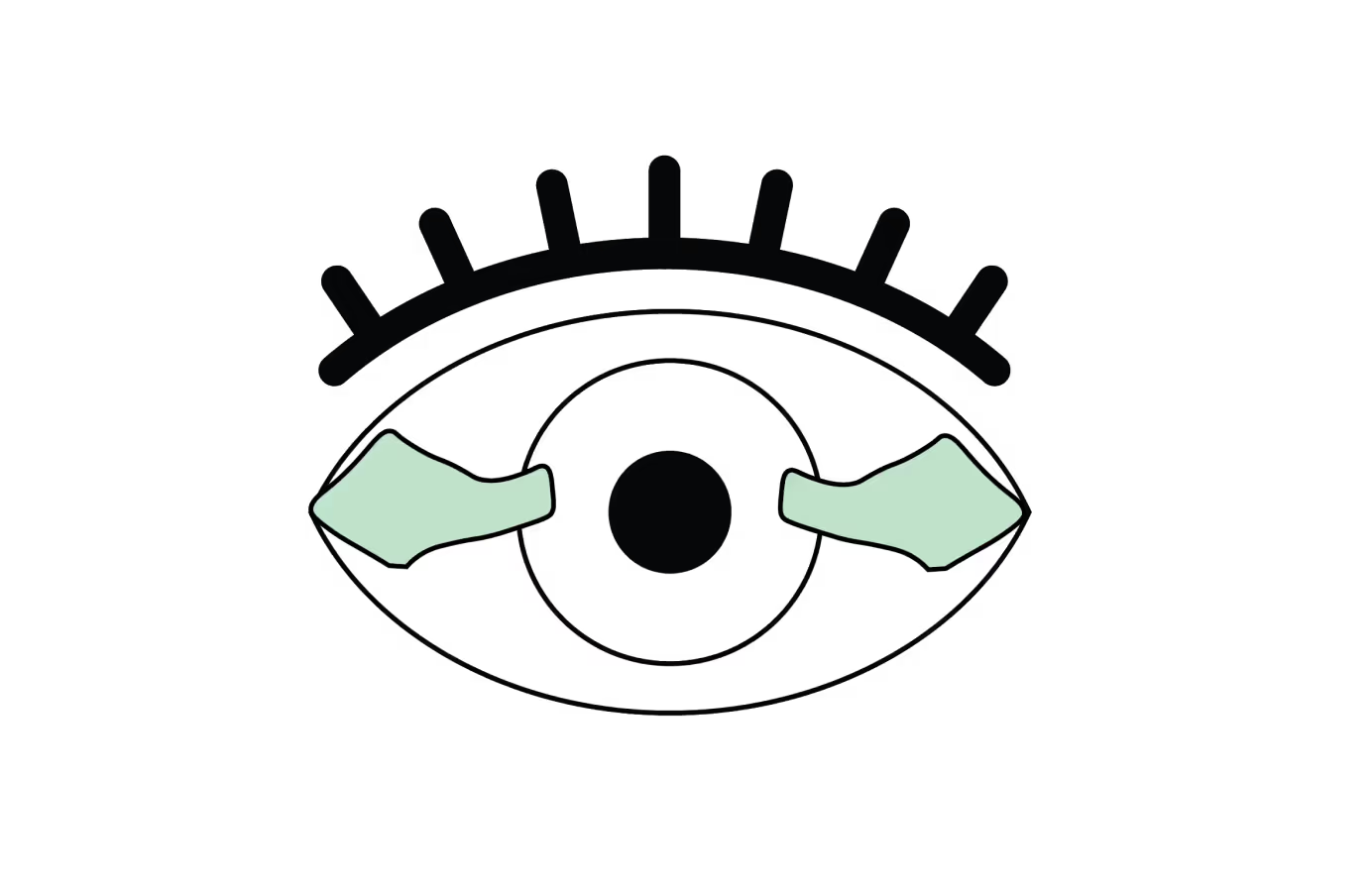
Pterygium is a benign growth of conjunctival tissue on the surface of the eye. This triangular-shaped degeneration typically begins in the inner corner of the eye (near the nose) and can extend onto the cornea, the clear front window of the eye.
It is strongly associated with prolonged exposure to UV radiation, wind, dust, and dry environments. While generally harmless, it can cause persistent discomfort and, in some cases, impair vision if the growth reaches the visual axis.
Pinguecula is often considered a precursor to pterygium. It is a localised degeneration that remains confined to the sclera (the white part of the eye) and has not yet reached the cornea.
What are the symptoms?
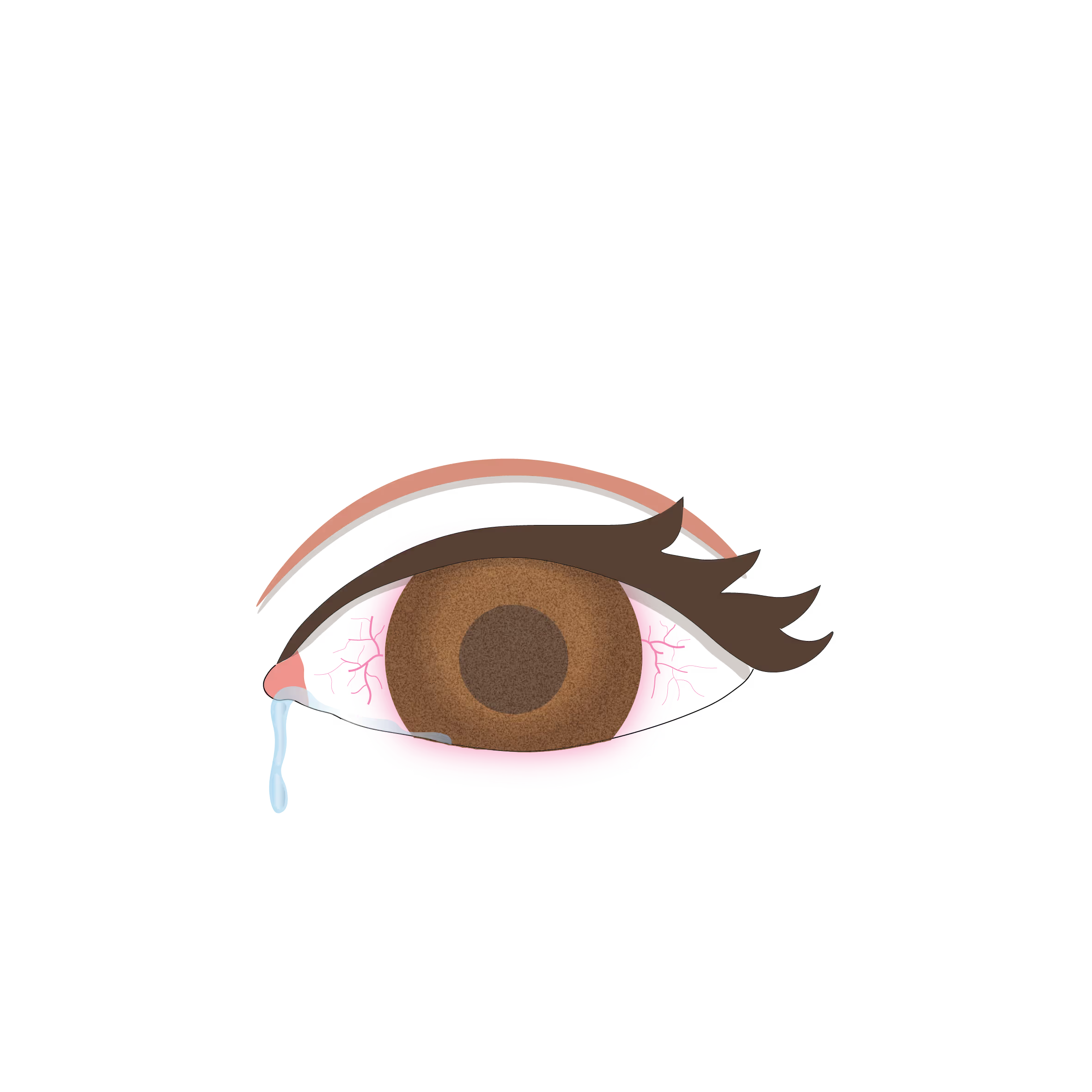
- Redness and irritation: The growth may cause a burning sensation or contribute to dry eye.
- Foreign body sensation: Patients often feel as though there is grit or something stuck in the eye.
- Blurred vision: If a pterygium extends onto the cornea, it can distort the surface and affect visual clarity.
- Cosmetic appearance: The visible presence of the growth can be a source of concern for some patients.
- Sensitivity: Increased sensitivity to light, wind, and environmental pollutants.
What are the causes?
- UV Exposure: Sunlight is the primary risk factor, making the condition more prevalent in sunny climates.
- Environmental Factors: Dry, windy, or dusty environments increase the risk of development.
- Chronic Irritation: Ongoing ocular surface inflammation, such as allergies or dry eye syndrome, can promote the onset.
- Genetics: A familial predisposition may play a role in some cases.
What are the treatments?
The choice of treatment depends on the size of the growth and the severity of the symptoms.
Non-surgical management
- Lubricating eye drops (Artificial tears): These help to soothe dry and irritated eyes.
- Anti-inflammatory drops: In cases of acute inflammation, a short course of medicated drops may reduce redness and swelling.
- UV Protection: Wearing high-quality sunglasses with 100% UV protection is essential to prevent the growth from progressing.
Surgical treatment
If the pterygium is large, affects vision, or causes significant persistent discomfort or concerns, surgical removal may be recommended.
- Surgical Excision: The growth is carefully removed under local anaesthesia.
- Conjunctival Autograft: To significantly reduce the risk of the pterygium returning, a small piece of the patient's own healthy tissue is transplanted to the site.
- Amniotic Membrane Transplant (AMT): In cases where a conjunctival autograft is not feasible, for example in patients with extensive scarring or those requiring the preservation of the conjunctiva for future glaucoma surgery, an amniotic membrane graft may be used as an alternative to promote healing and reduce inflammation.
- Adjunctive Therapy: In recurrent or complex cases, medications such as Mitomycin-C may be used during the procedure to inhibit further regrowth.
Linked procedures
.png)
Les questions fréquentes
Si vous avez d'autres questions n'hésitez pas à nous contacter !
Book a consultation
Swiss Visio Montchoisi
1006 Lausanne, Switzerland