DLEK: Deep Lamellar Endothelial Keratoplasty
The DLEK (Deep Lamellar Endothelial Keratoplasty) is a partial corneal transplant that replaces only the damaged deep layers (endothelium, Descemet's membrane, and a thin layer of stroma), while keeping the superficial layers intact. It is used to treat certain endothelial diseases associated with deep stromal opacity.


How does it work?
Learn more about the procedure / equipment
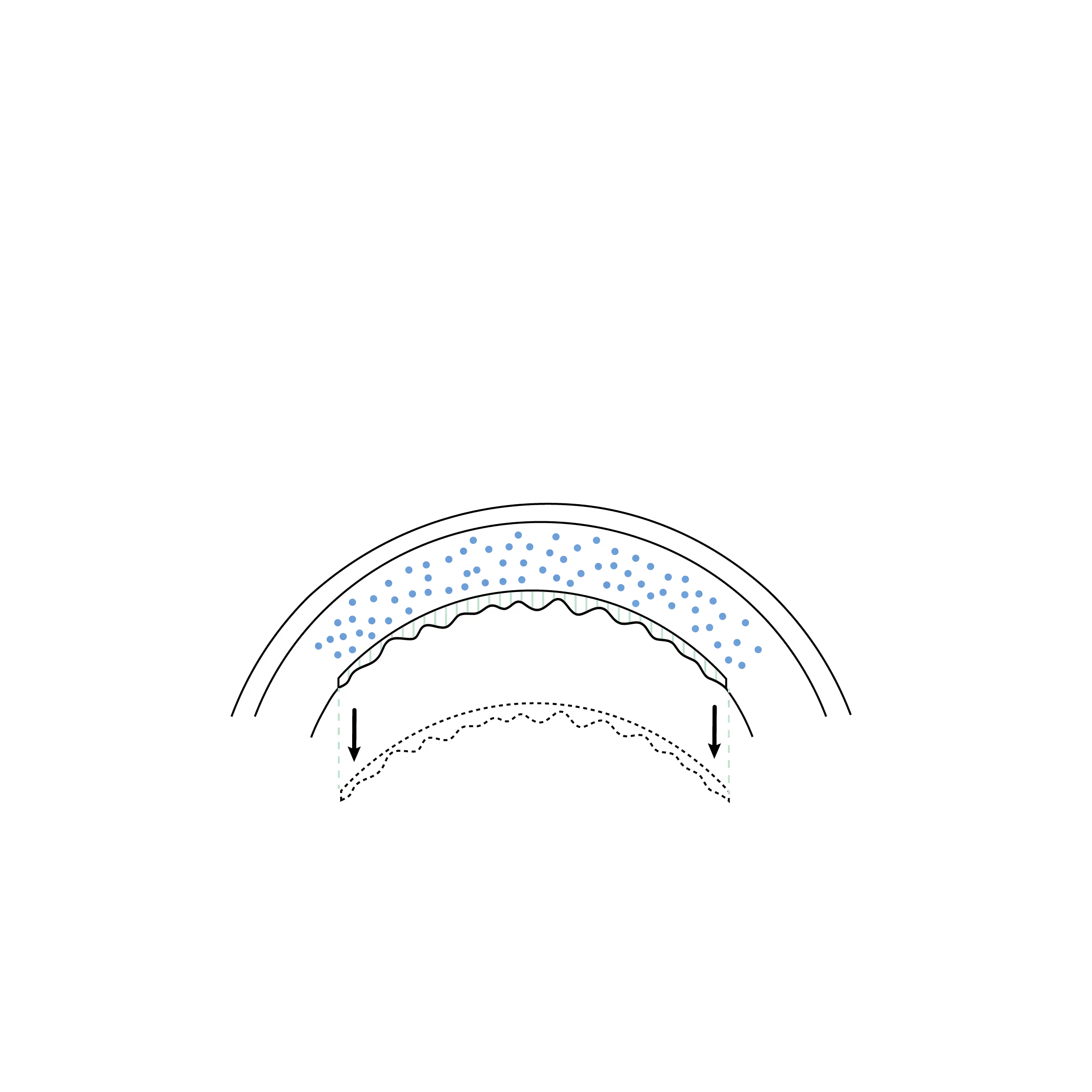
Edematous cornea with loss of transparency. The surface may show microbubbles (bullous keratopathy) and folds in Descemet's membrane.
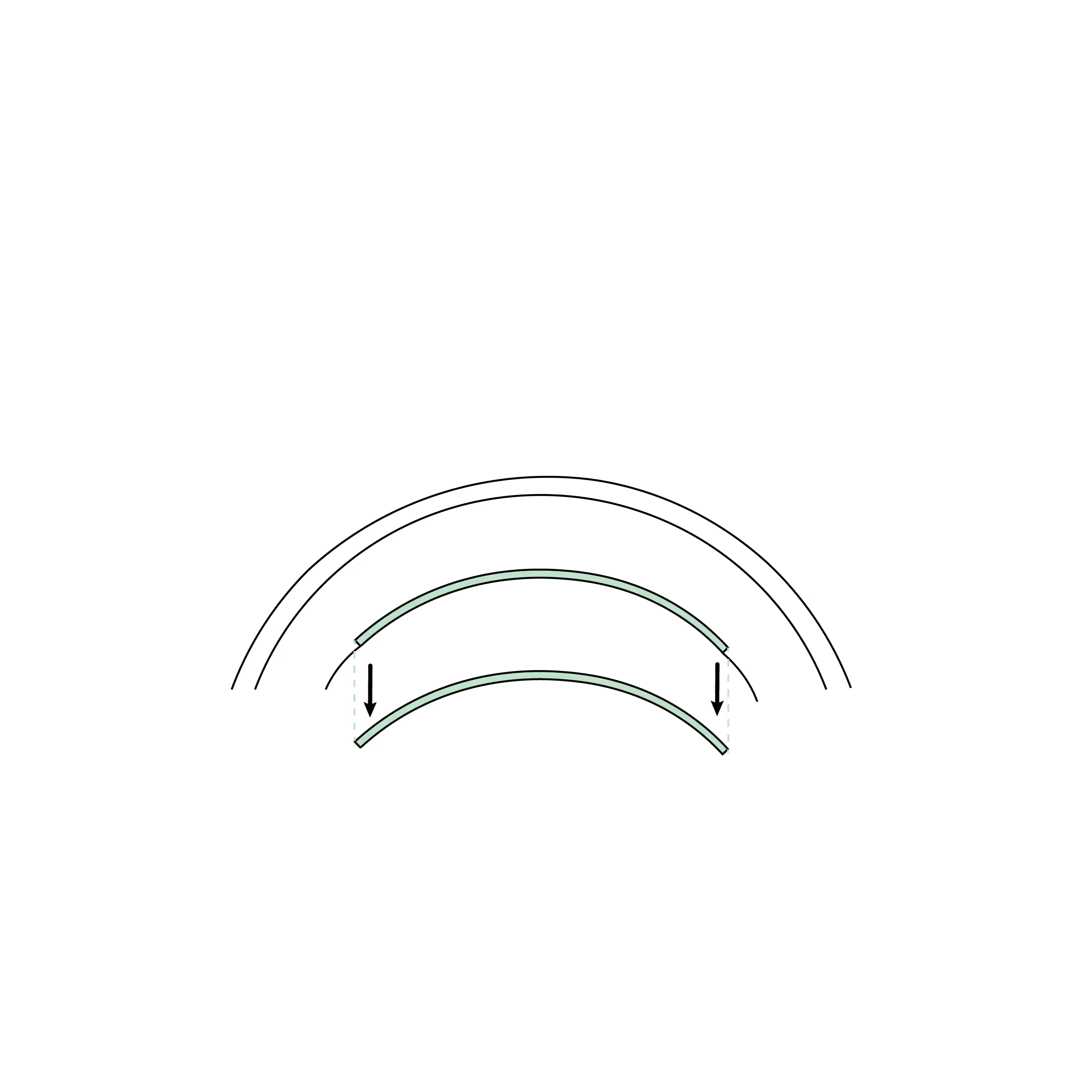
Posterior graft harvesting for DLEK: a thin disc of posterior cornea, including the endothelium, Descemet's membrane, and a thin layer of stroma, is carefully dissected from the donor. The graft is precisely prepared for insertion into the recipient's eye.
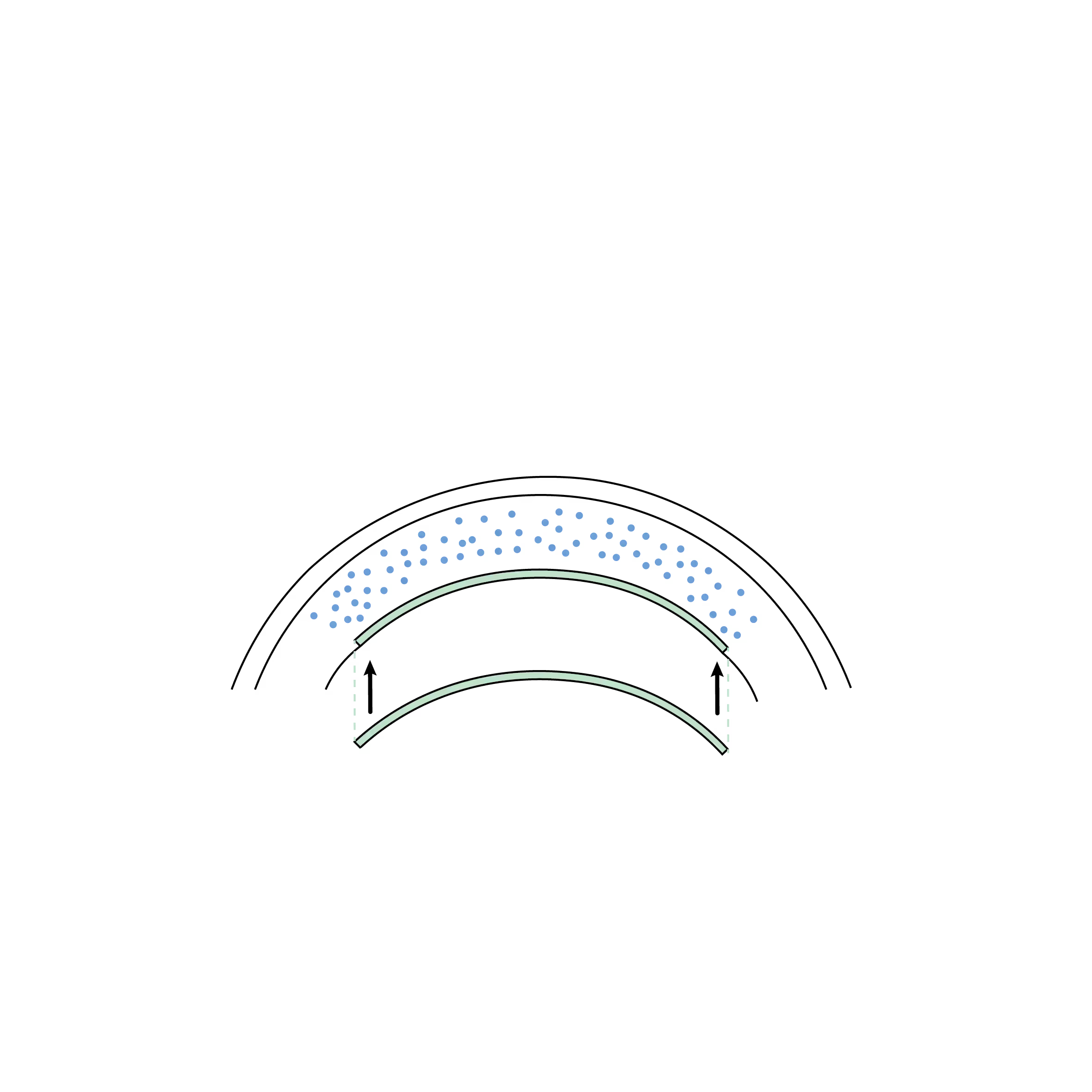
Implantation of the DLEK graft into the patient's eye: the graft is inserted through a small incision, then positioned within a stromal pocket prepared beforehand. It is adjusted manually so that it fits closely against the posterior surface of the patient's cornea.
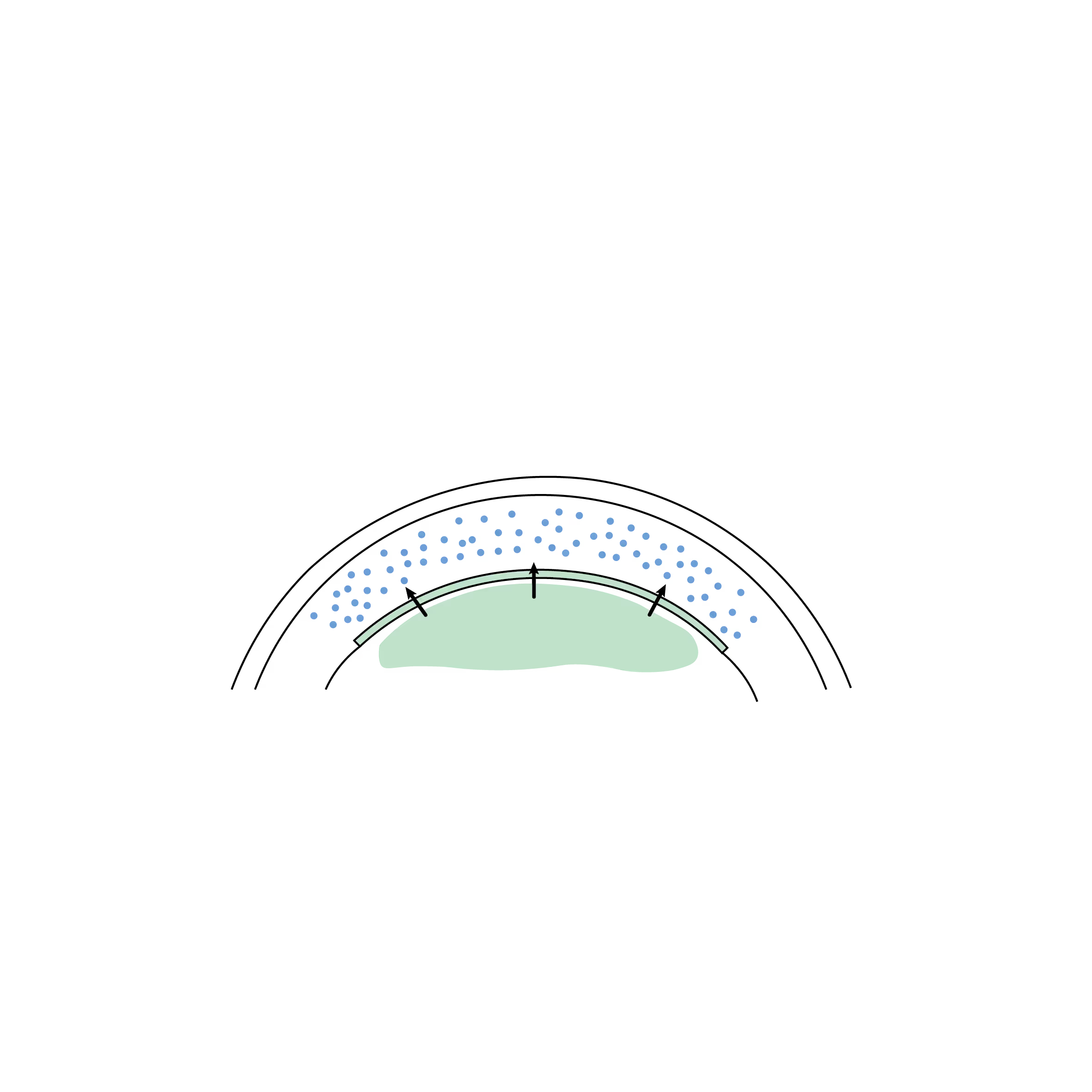
Adhesion of the DLEK graft to the patient's cornea by means of a gas or air injection into the anterior chamber. The bubble presses the graft against the posterior surface of the cornea, helping it to position and integrate.

The cornea became clear again after a DLEK transplant: the edema disappeared, and the surface is transparent, with vision restored.
What is DLEK?
The DLEK (Deep Lamellar Endothelial Keratoplasty) is a type of posterior lamellar keratoplasty of the cornea. It involves removing and replacing the deep layers of the cornea (mainly the endothelium, Descemet's membrane, and a small amount of posterior stroma), while preserving the patient's anterior layers (anterior stroma and epithelium).
This technique was one of the first alternatives to penetrating keratoplasty in cases of endothelial dysfunction, and it paved the way for more modern techniques such as DSAEK and DMEK.
Indication
DLEK is indicated in pathologies where a failing endothelium is associated with posterior stromal opacity.
Benefits
- Preservation of the anterior layers of the patient: the natural corneal structure is largely preserved
- Lower risk of rejection than penetrating keratoplasty (because the donor stroma is not implanted)
- Less mechanical fragility postoperatively than a full-thickness graft
- Reduced risk of induced postoperative astigmatism
- Faster visual recovery than penetrating keratoplasty (but generally slower than DMEK)
Risks and complications
- Significant technical difficulty, especially in achieving good centration and a regular optical interface
- Imperfect visual interface (due to the presence of a cleavage plane in the posterior stroma)
- Graft detachment (less frequent than in DSAEK or DMEK, but possible)
- Risk of endothelial rejection (low but not zero)
- Visual recovery sometimes limited compared to more modern techniques (DMEK)
- General complications: infection, transient ocular hypertension, inflammation
Contraindications
- Alterations of the anterior corneal layers (stromal scars or keratoconus)
Comparative note
Although DLEK was a significant advance, it is now largely replaced by more modern techniques such as DSAEK (Descemet Stripping Automated Endothelial Keratoplasty) and especially DMEK (Descemet Membrane Endothelial Keratoplasty), offering better optical quality, faster visual recovery, and a more standardized surgical technique.
Les différentes types de greffes
Découvrez les kératoplasties (= greffes de cornée)
Frequently asked questions
If you have any further questions, please do not hesitate to contact us!
Linked procedures
Discover other related surgical topics
Linked conditions
Book a consultation
Swiss Visio Montchoisi
1006 Lausanne, Switzerland