Intracorneal ring segments (ICRS): treating keratoconus and reshaping the cornea
Intracorneal ring segments help reshape a cornea distorted by keratoconus, to improve vision when glasses and contact lenses are no longer enough.
Created on
20.07.2026
·
Updated on
08.08.2026

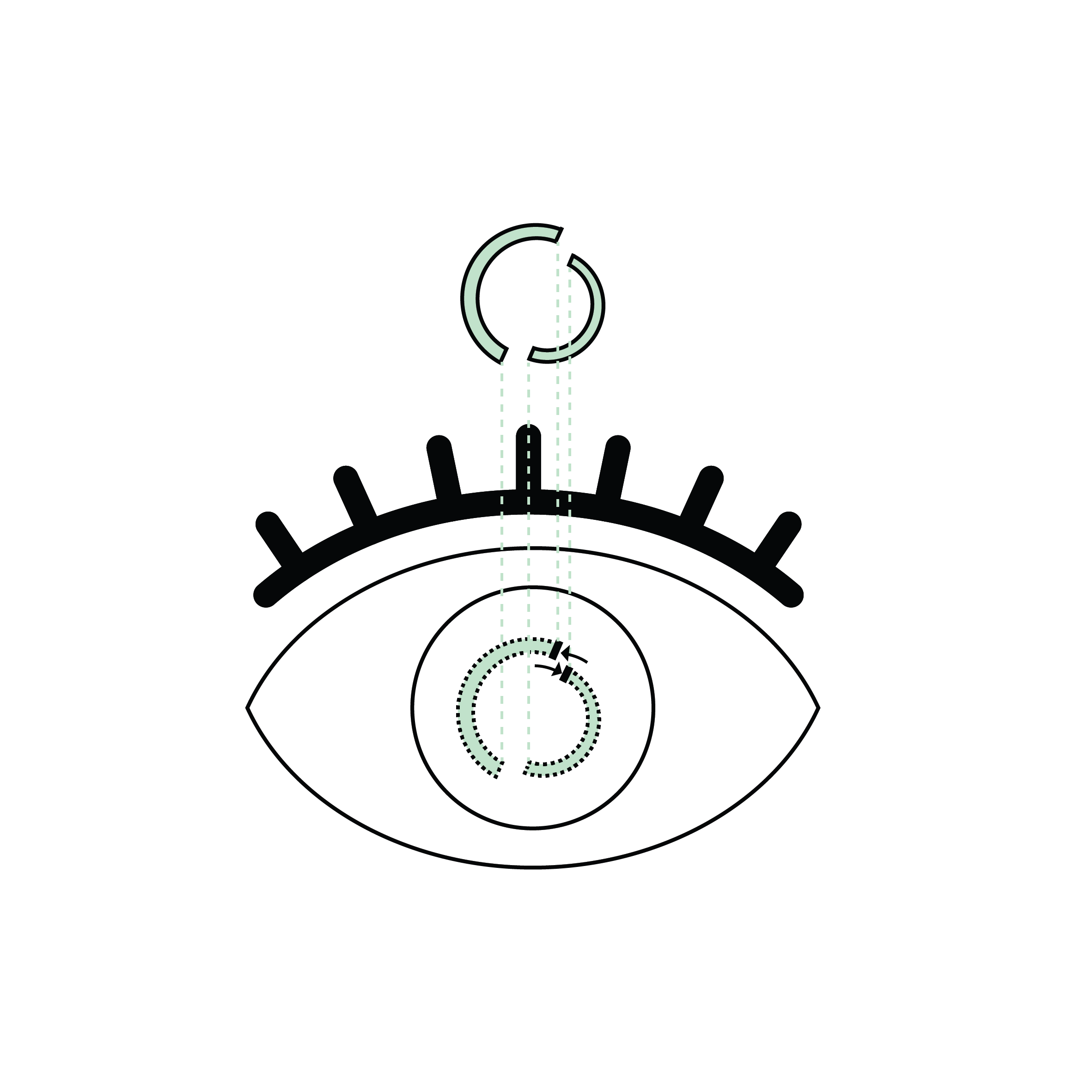
Intracorneal ring segments, or ICRS, are thin segments implanted within the thickness of the cornea to flatten the cone and reshape its surface. They aim to improve vision and contact lens tolerance as keratoconus progresses. Distorted vision, prescriptions that keep changing, a growing intolerance to contact lenses: these difficulties are common and understandable. This article explains what intracorneal ring segments are, who they are suitable for, how the procedure is carried out, the expected results and how they are covered in Switzerland. A specialist assessment with corneal topography remains essential before any decision.
What are intracorneal ring segments?
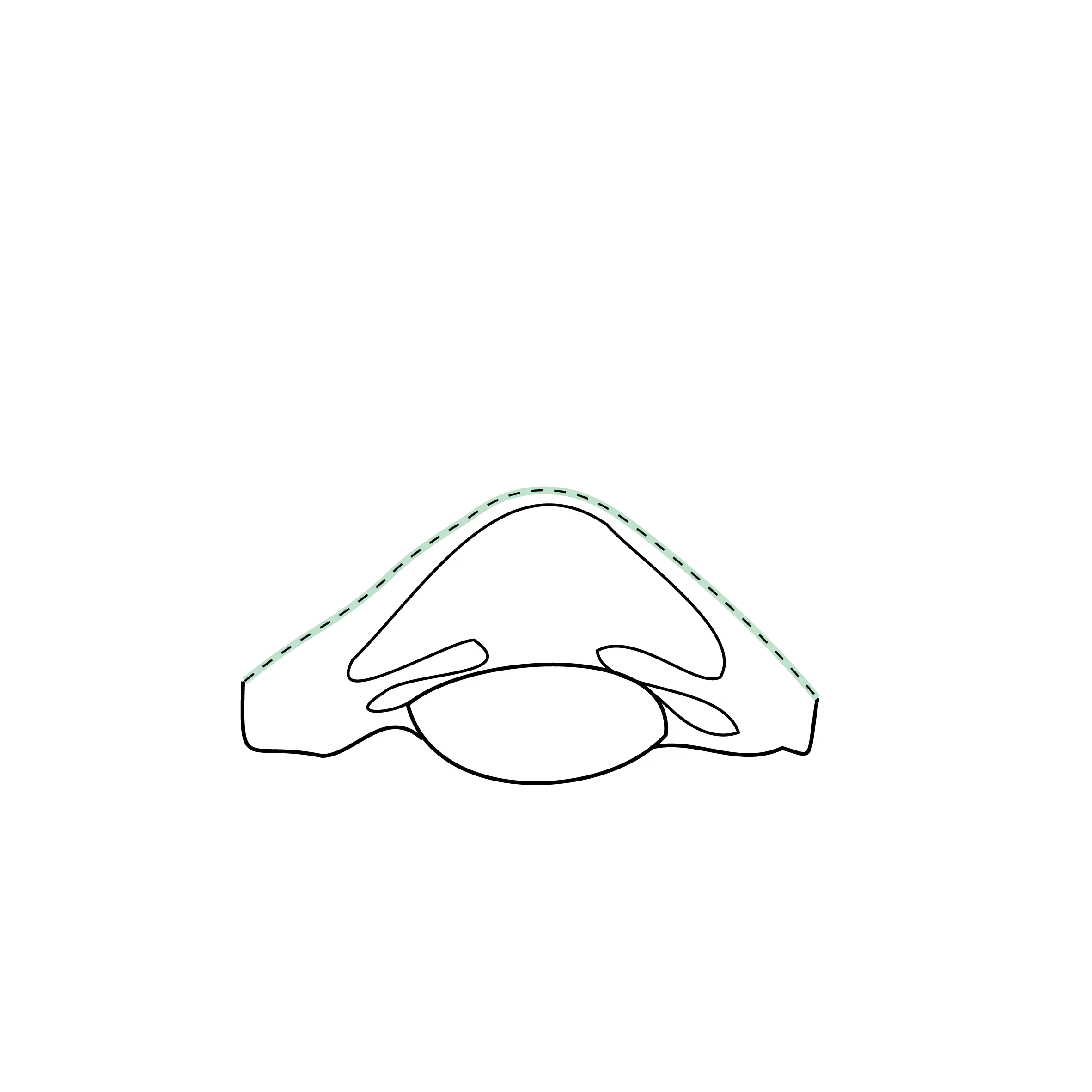
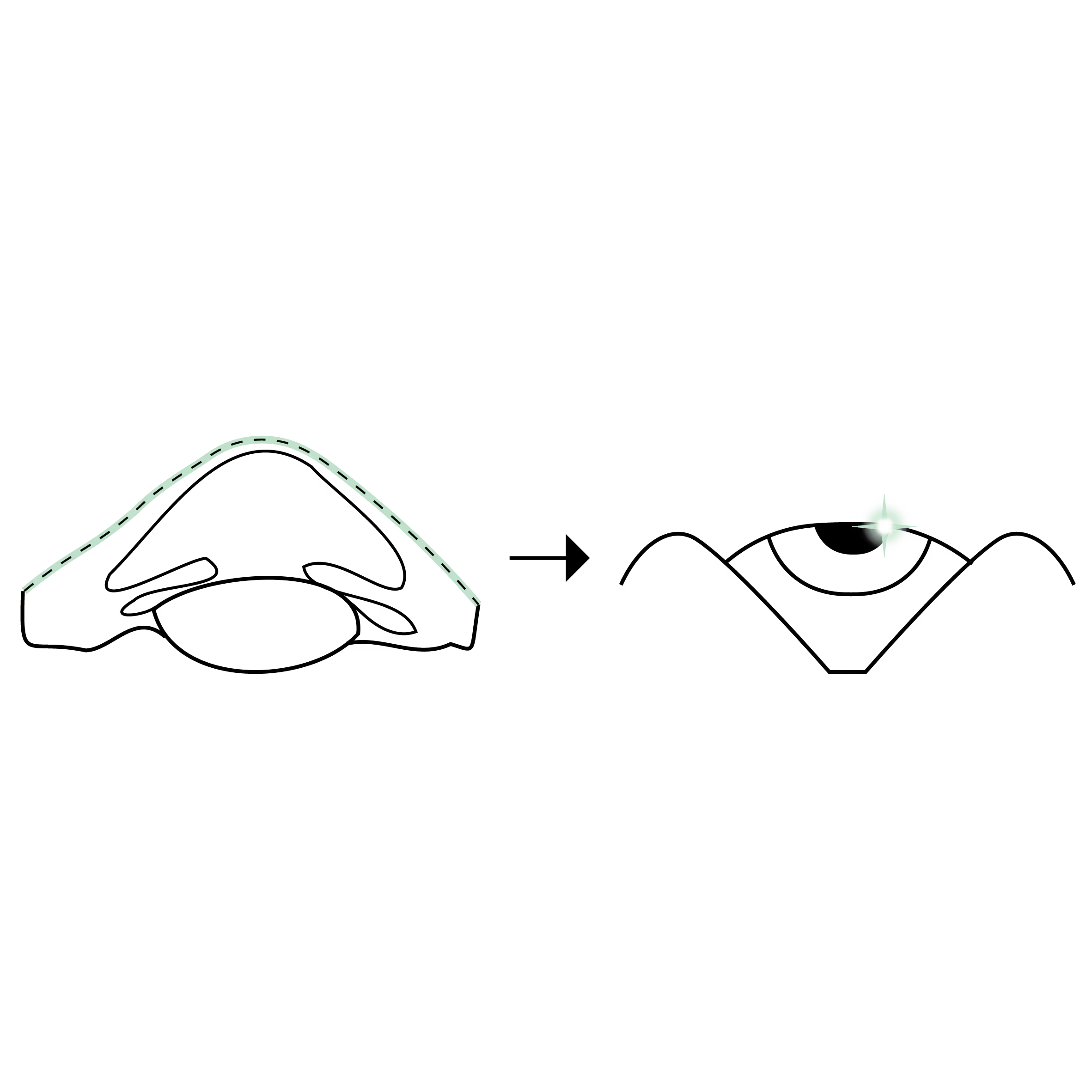
Intracorneal ring segments are thin, semicircular segments inserted into the stroma, the central layer of the cornea. By altering the local curvature, they tend to flatten the cone and re-centre the optical zone. They are also known as intracorneal segments, or ICRS for intrastromal corneal ring segments.
Two families exist today. Conventional ICRS are made from a biocompatible synthetic polymer. The more recent CAIRS use donor corneal tissue cut into segments, which limits certain risks associated with the synthetic material.
These implants do not remove the disease. They help to reshape a distorted cornea, making vision clearer and correction more stable. Dr Arthur Hammer, a consultant ophthalmic surgeon (FMH ophthalmology and ophthalmic surgery), assesses the value of this option on a case-by-case basis.
Keratoconus and where rings fit in the treatment strategy
Keratoconus is a corneal disease that thins the cornea and deforms it into a cone, progressively affecting vision. It often begins in adolescents and young adults and develops over several years. You will find more details on our page dedicated to keratoconus and its symptoms.
Management follows a step-by-step logic. Early on, glasses and then rigid contact lenses are often enough to correct vision. When these solutions are no longer sufficient, intracorneal ring segments become an option to reshape the cornea.
Rings are frequently combined with corneal cross-linking (CXL), which aims to slow progression. According to available estimates, a significant proportion of keratoconus cases stabilise over time. The strategy is always decided after a full assessment.
Who are intracorneal ring segments suitable for?
Intracorneal ring segments are suitable for patients whose keratoconus is no longer satisfactorily corrected by glasses or contact lenses. They mainly concern moderate to advanced stages, but the cornea also needs to retains sufficient thickness.
Several criteria guide the indication:
- an intolerance to rigid contact lenses or a correction that has become unstable;
- a cornea that is not too thin and free of central scarring;
- the absence of any general contraindication to eye surgery.
Corneal topography and tomography are essential to map the cone and check these criteria. The indication depends on the stage; only a specialist examination can establish it. Some very advanced keratoconus cases are better suited to a corneal graft.
How is the intracorneal ring segment procedure carried out?
Fitting intracorneal ring segments is an outpatient procedure, carried out under local anaesthesia with eye drops. It does not require hospitalisation and usually takes around fifteen minutes per eye.
The surgeon first creates a circular tunnel in the stroma, most often using a femtosecond laser, which offers great precision. The segments are then slid into this tunnel, at the depth planned from the preoperative assessment.
The procedure relies on careful planning: the number of segments, their thickness, arc length and position are calculated from the topography, tomography and corneal OCT. This personalised approach follows the same logic as laser refractive surgery, even though the objectives differ.
In practice at Dr Hammer's clinic: every case begins with a thorough corneal assessment, including topography, tomography, OCT and thickness measurement. Dr Hammer, a consultant ophthalmic surgeon (FMH ophthalmology and ophthalmic surgery) practising notably in Lausanne, discusses the expected benefits and the limitations with you before any decision.
Recovery and follow-up after the procedure
Recovery after intracorneal ring segment surgery is generally quick, even though vision may fluctuate in the first few weeks. Mild discomfort, a foreign-body sensation and sensitivity to light are common at first.
Treatment with eye drops, often antibiotic and anti-inflammatory, supports healing. Vision gradually stabilises over several weeks to a few months.
Follow-up includes regular check-ups with repeat topography, tomography and corneal OCT to check the position of the segments and how the corneal shape is changing. One instruction remains essential: do not rub your eyes, as this can worsen keratoconus.
Expected results and limitations
In most cases, intracorneal ring segments improve the regularity of the cornea and visual comfort. Many patients regain better tolerance to contact lenses and a more usable correction.
These results have limitations. Rings do not always restore perfect vision without correction, and glasses or contact lenses often remain necessary. The effect varies according to the stage and the shape of the cone.
A notable advantage is their reversibility: the segments can be removed or exchanged if the result is not satisfactory. This feature distinguishes rings from more definitive procedures such as a corneal graft.
Risks and complications of intracorneal ring segments
Like any eye surgery, fitting intracorneal ring segments carries risks, which remain rare in the hands of an experienced team. Discussing them openly is part of the process of informed consent.
Possible complications include:
- an infection or inflammation, managed with appropriate treatment;
- displacement or extrusion of a segment;
- halos, night-time discomfort or glare;
- an insufficient refractive result requiring an adjustment.
Most of these situations can be corrected, in particular thanks to the reversibility of the segments. Careful follow-up allows any abnormality to be detected early. Report promptly any severe pain, drop in vision or marked redness.
Intracorneal ring segments and cross-linking: how do they fit together?
Corneal cross-linking (CXL) is a treatment that strengthens the collagen bonds to slow the progression of keratoconus. It acts on progression, whereas rings act on shape and vision.
The two approaches are complementary. Cross-linking aims to stabilise the disease, while rings aim to reshape an already distorted cornea. They can be combined, in an order defined case by case.
Other options exist depending on the stage: rigid or scleral contact lenses and, for advanced forms, a corneal graft. The choice is discussed with an ophthalmologist, drawing on the recommendations of specialist societies such as the SSO/SOG and the ESCRS.
How much do intracorneal ring segments cost in Switzerland?
The cost of intracorneal ring segments depends on the technique, the facilities and the number of segments. As a guide, expect in the region of 2'500 to 4'500 CHF per eye.
Keratoconus is a medical condition, not simply an optical defect. In this therapeutic context, coverage by Swiss basic health insurance (LAMal) is possible depending on the clinical situation and might require prior approval / coverage confirmation from the insurance company's medical advisor.
The deductible and the 10 per cent co-payment remain payable by you. The clinic provides a detailed quote and directs you to your insurer to clarify coverage before the procedure.
FAQ: frequently asked questions about intracorneal ring segments
Do intracorneal ring segments cure keratoconus?
No. Intracorneal ring segments do not cure keratoconus and do not remove the disease. They help to reshape the distorted cornea, to improve vision and contact lens tolerance. The progression of keratoconus is treated instead with cross-linking. The two approaches are often complementary. A specialist assessment with corneal topography remains essential to define the strategy suited to your case.
Is fitting intracorneal ring segments reversible?
Yes, this is one of their advantages. The segments are inserted into the cornea without removing any tissue, and can be removed or exchanged if necessary. This reversibility distinguishes rings from more definitive procedures, such as a corneal graft. If the result is not satisfactory, other options therefore remain possible. Dr Hammer discusses this with you during postoperative follow-up.
Rings or cross-linking for keratoconus?
These two treatments serve different objectives. Cross-linking aims to slow the progression of keratoconus by strengthening the collagen of the cornea. Intracorneal ring segments aim to reshape an already distorted cornea, to improve vision. They are not in opposition and are often combined. The choice, and the possible order of the two procedures, depends on the stage and is decided after a full assessment.
Are intracorneal ring segments reimbursed in Switzerland?
As keratoconus is a medical condition, coverage by Swiss basic health insurance (LAMal) is possible in a therapeutic context, depending on the clinical situation. The deductible and the 10 per cent co-payment remain payable by you. Conditions vary according to the case and the insurer. The clinic provides a quote and helps you check coverage before the procedure.
Is fitting intracorneal ring segments painful?
The procedure is carried out under local anaesthesia with eye drops and is not painful during the operation. After fitting, a foreign-body sensation, sensitivity to light and mild discomfort are common for a few days. Treatment with eye drops supports healing. These symptoms generally ease quickly. Any severe or persistent pain should be reported to the clinic without delay.
Will I still need glasses after the rings?
Often, yes. Intracorneal ring segments improve the regularity of the cornea, but do not generally restore perfect vision without correction. Many patients continue to wear glasses or contact lenses, but with improved comfort and tolerance. The aim is to make the correction more effective and more stable. The result varies according to the stage and the shape of the keratoconus.
How long does recovery take?
Recovery is generally quick, but vision may fluctuate in the first few weeks. Stabilisation often takes several weeks to a few months. Treatment with eye drops and regular check-ups accompany this period. It is essential not to rub your eyes during healing. Follow-up allows the position of the segments and the change of shape of the cornea to be checked.
What happens if keratoconus continues to progress?
Rings reshape the cornea, but do not stop the progression of the disease. If keratoconus progresses, cross-linking may be offered to stabilise the cornea. In advanced forms, a corneal graft remains an option. Regular follow-up with topography and tomography allows progression to be detected and the strategy to be adapted. Every decision is made with your ophthalmologist.
In conclusion
Intracorneal ring segments offer a useful option to reshape a cornea distorted by keratoconus, when glasses and contact lenses are no longer enough. They do not cure the disease, but aim to improve vision and comfort, with the advantage of being reversible.
Every case is different, and the indication depends on the stage, the corneal thickness and your needs. To assess your situation, Dr Arthur Hammer offers you a full corneal assessment. Discover Dr Hammer's background or book a consultation.
Linked conditions
.avif)
.avif)
Related articles
Discover our other articles that might interest you
Book a consultation
Swiss Visio Montchoisi
1006 Lausanne, Switzerland