Laser Vision Correction (LVC)
Refractive laser surgery is a procedure designed to correct refractive errors (ametropia), including myopia (short-sightedness), hyperopia (long-sightedness), astigmatism, and presbyopia. By remodelling the cornea, the surgery ensures that light focuses precisely on the retina.
The most advanced techniques - such as LASIK, SMILE, and PRK - are rapid, safe, and enable patients to achieve clear vision without the need for glasses or contact lenses. The procedure is performed under topical anaesthesia (numbing drops) and typically offers a swift recovery.

%20au%20laser.avif)
How does it work?
Learn more about the procedure / equipment
What is laser refractive surgery?
Laser refractive surgery is an intervention aimed at correcting refractive errors, such as myopia (short-sightedness), hyperopia (long-sightedness), astigmatism, and presbyopia.
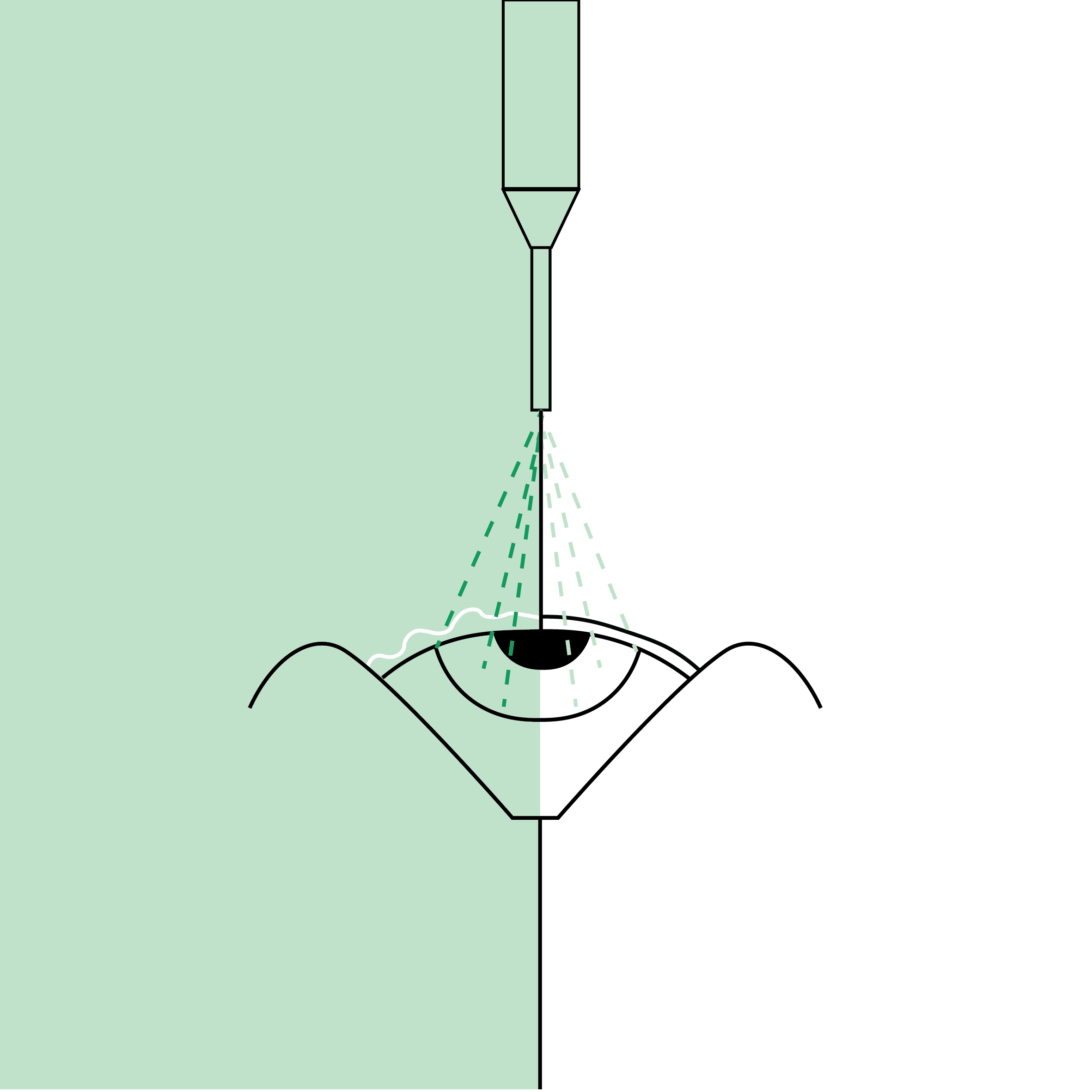
It uses advanced laser technology to reshape (remodel) the corneathe clear front window of the eyeensuring that light focuses precisely on the retina. This enhances visual clarity and significantly reduces or eliminates the need for glasses or contact lenses. The most common techniques include LASIK, Presby-LASIK, SMILE, and PRK, each tailored to the patient’s specific needs.
What is the process?
The surgical journey consists of several key stages:
- Initial Consultation: An ophthalmic surgeon specialising in refractive surgery assesses your eyes to ensure you are a suitable candidate. Detailed diagnostics, including corneal topography (mapping curvature) and tomography (anterior segment OCT or Scheimpflug imaging), pachymetry (measuring thickness) and other advanced ocular imaging techniques are performed to determine the optimal method for you.
- The Procedure: Performed as a day-case (outpatient) procedure, anaesthetic drops are used to completely numb the eyes.
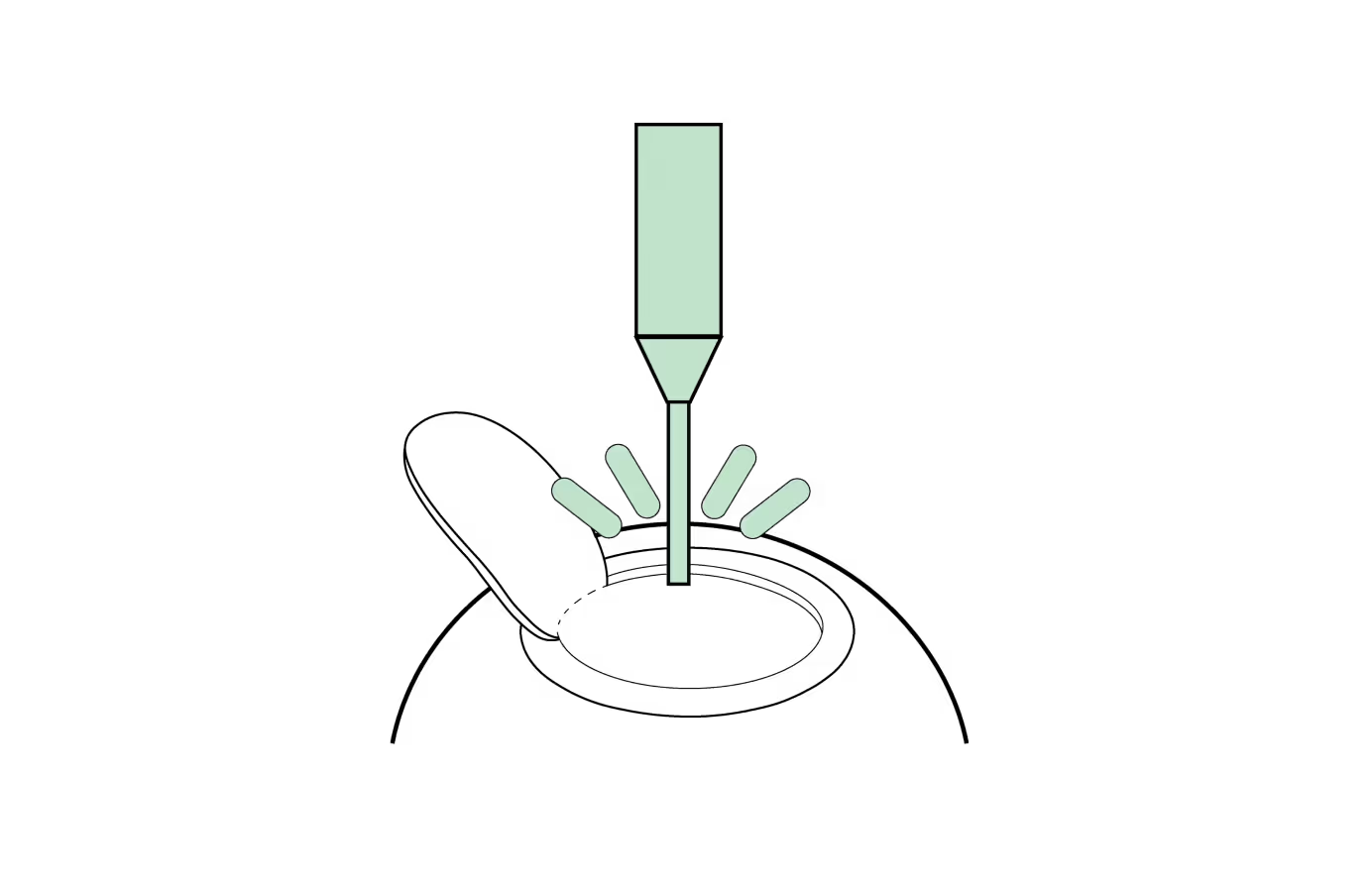
- LASIK: A thin protective flap is created using a Femtosecond laser; an Excimer laser then reshapes the underlying tissue before the flap is repositioned.
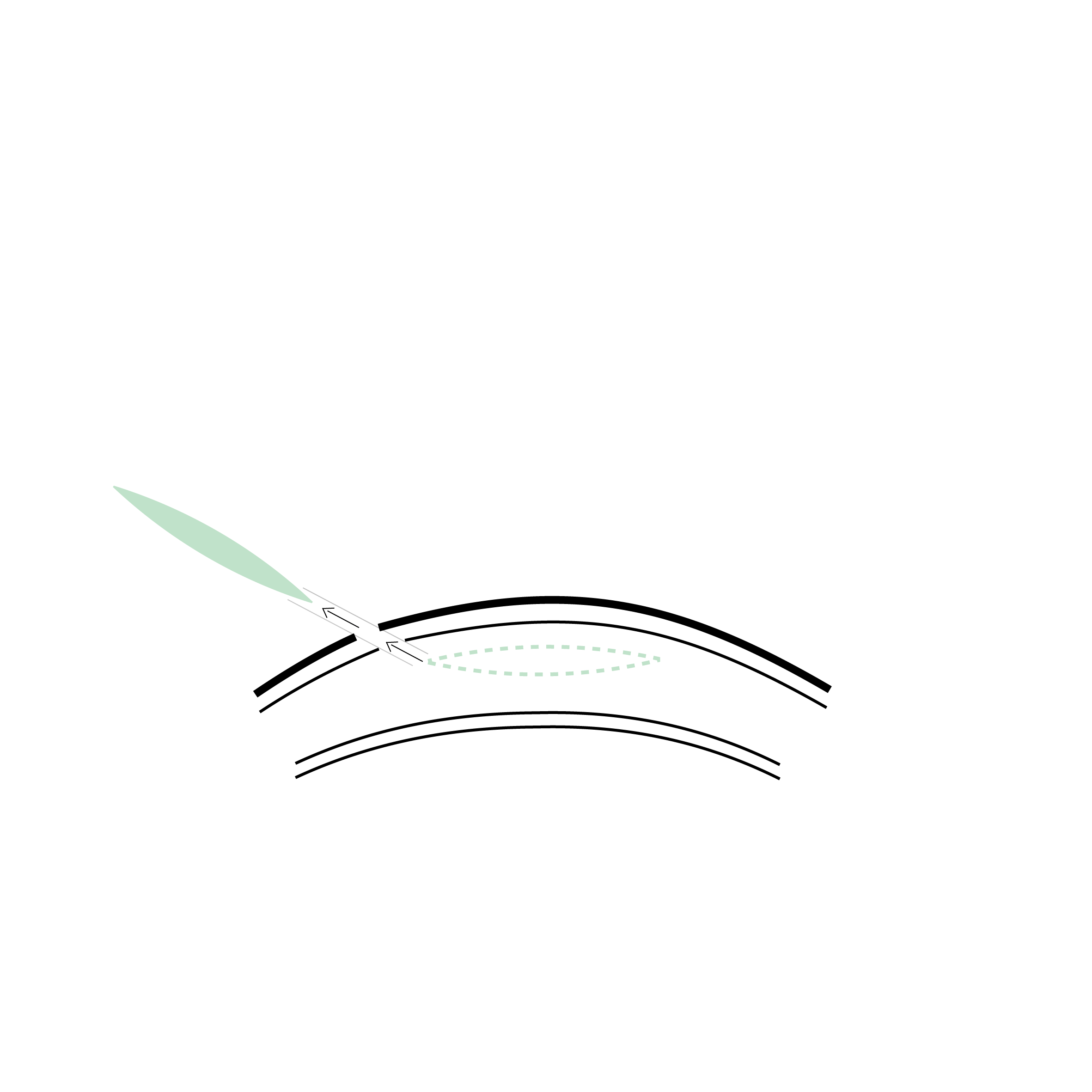
- SMILE: A Femtosecond laser is used to create a small disc of tissue (a lenticule) within the cornea, which is then removed through a microscopic incision.
- PRK: The surface skin of the cornea (the epithelium) is gently removed, and the Excimer laser remodels the surface directly.
The procedure typically takes less than 10 minutes per eye, with the actual laser treatment lasting only a few seconds.
Who is eligible for these interventions?
While laser surgery is suitable for many, specific criteria must be met:
- Age: Patients should typically be over 18
- Stable glasses or contact lenses prescription for at least one year (except for the addition for near vision in presbyopia which naturally increases over time).
- Ocular Health: Your eyes must be generally healthy and free from active disease.
- Corneal Thickness: Adequate thickness is required; the minimum threshold varies between LASIK, SMILE, and PRK.
- Medical History: Certain conditions, such as keratoconus or specific systemic illnesses, may make surgery unsuitable.
What is the recovery process?
Recovery is generally rapid, though timelines vary by technique:
- After LASIK: Vision is often clear by the following day. You may experience mild dryness or a "gritty" sensation initially.
- After SMILE: Visual recovery is slightly more gradual than LASIK, but patients often report fewer symptoms of post-operative dry eye.
- After PRK: Recovery takes longer, with more pronounced discomfort for the first few days. Vision improves progressively over week
Post-operative eye drops will be prescribed to prevent infection and control inflammation. It is vital to avoid rubbing your eyes and to protect them from dust and debris. Most patients return to their normal routine within a few days, supported by a schedule of follow-up appointments.
Important Note for PRK: It is essential to avoid direct exposure to strong sunlight for at least six months following PRK to prevent the formation of corneal haze. Wearing high-quality sunglasses when outdoors is strongly advised.
Les différentes types de greffes
Découvrez les kératoplasties (= greffes de cornée)
Frequently asked questions
If you have any further questions, please do not hesitate to contact us!
Linked procedures
Discover other related surgical topics
%20(1).png)
.avif)


Book a consultation
Swiss Visio Montchoisi
1006 Lausanne, Switzerland