PTK, TransPTK and WetPTK (PhotoTherapeutic Keratectomy)
The PTK is a procedure for resurfacing of the cornea performed using an excimer laser. Its objective is to regularize the corneal surface by removing irregular superficial layers, which allows for treating scars and dystrophies.
TransPTK and WetPTK are advanced versions of this technique, which are particularly useful for smoothing the cornea more homogeneously, which is necessary in certain situations.
These procedures are often indicated to improve corneal regularity or to relieve chronic pain associated with corneal pathologies.

.avif)
How does it work?
Learn more about the procedure / equipment
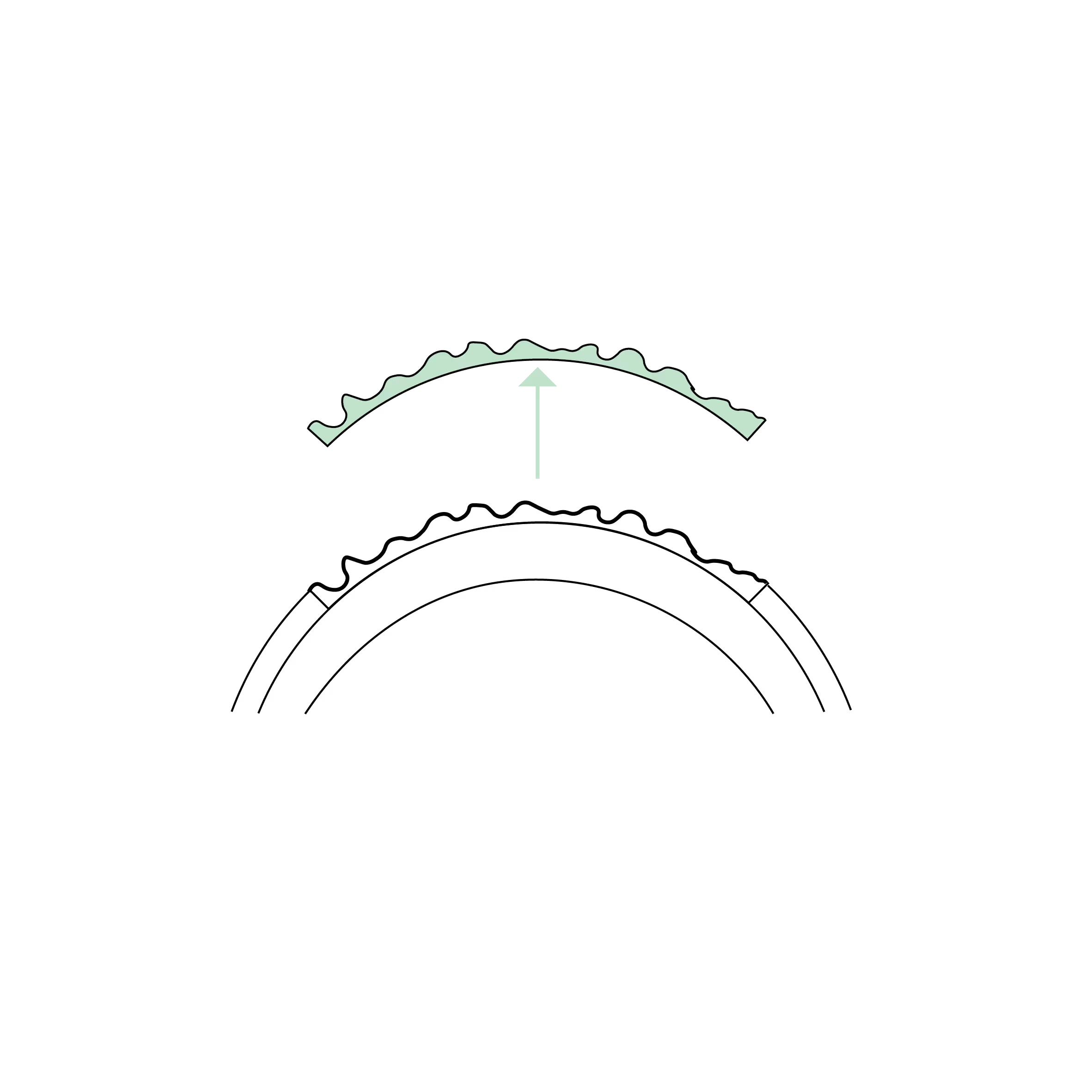
PTK Step 1: Under topical anesthesia, painless manual removal of the corneal epithelium. This step exposes the anterior stroma to allow for precise excimer laser treatment.
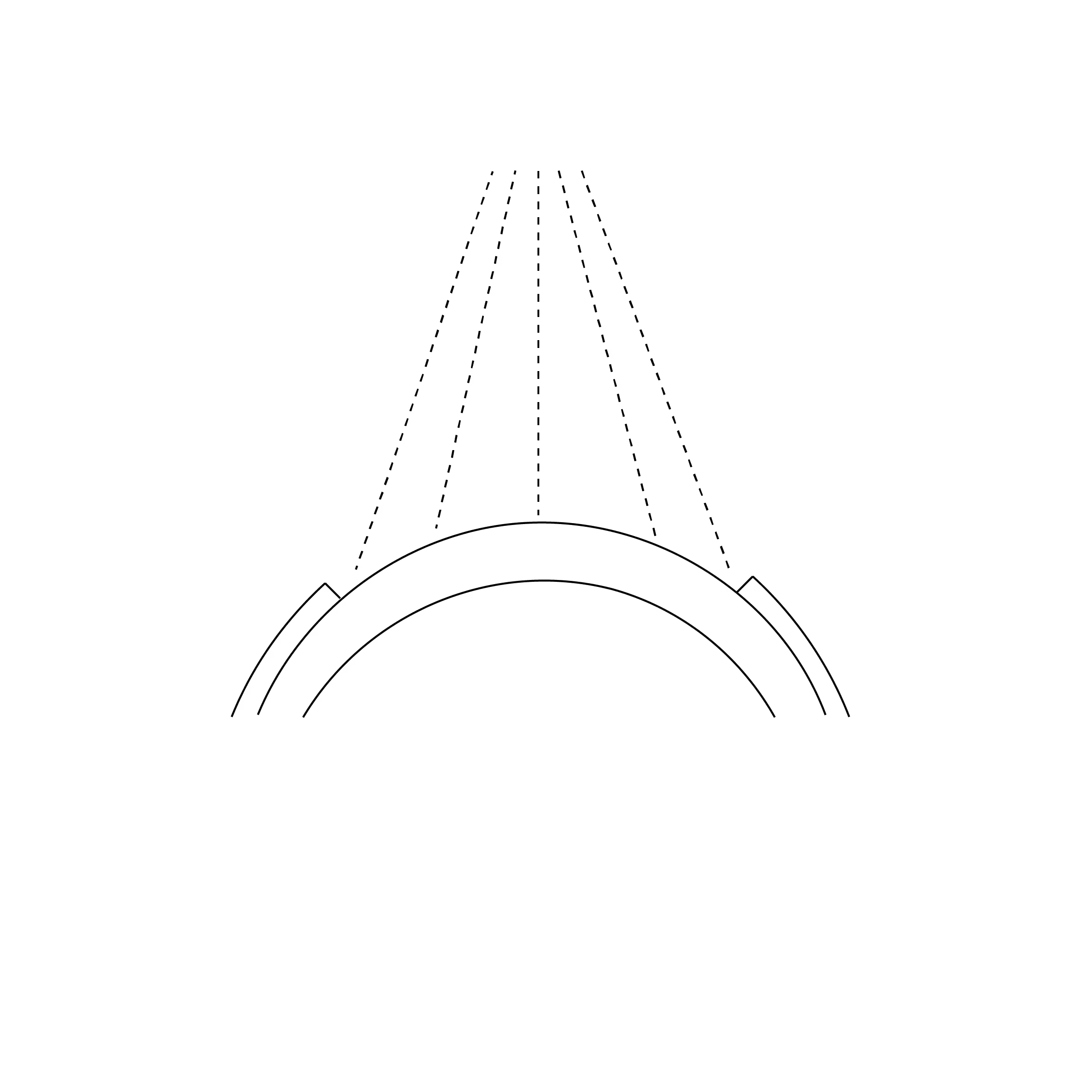
PTK – Step 2: Painless and non-inflammatory excimer laser ablation of the anterior stroma, aimed at eliminating superficial irregularities and renewing the anterior stromal layers to promote better epithelial adhesion and prevent recurrent erosions.
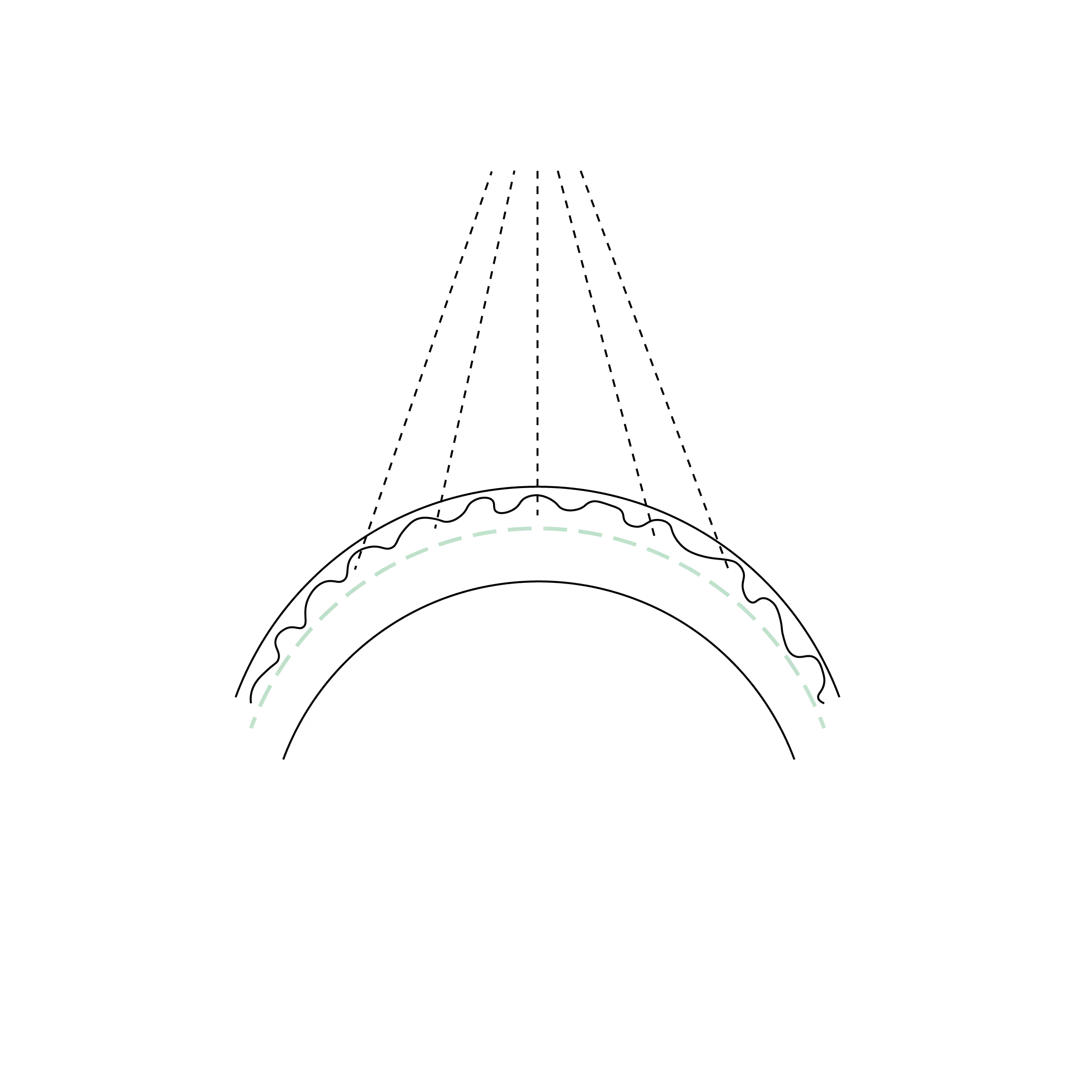
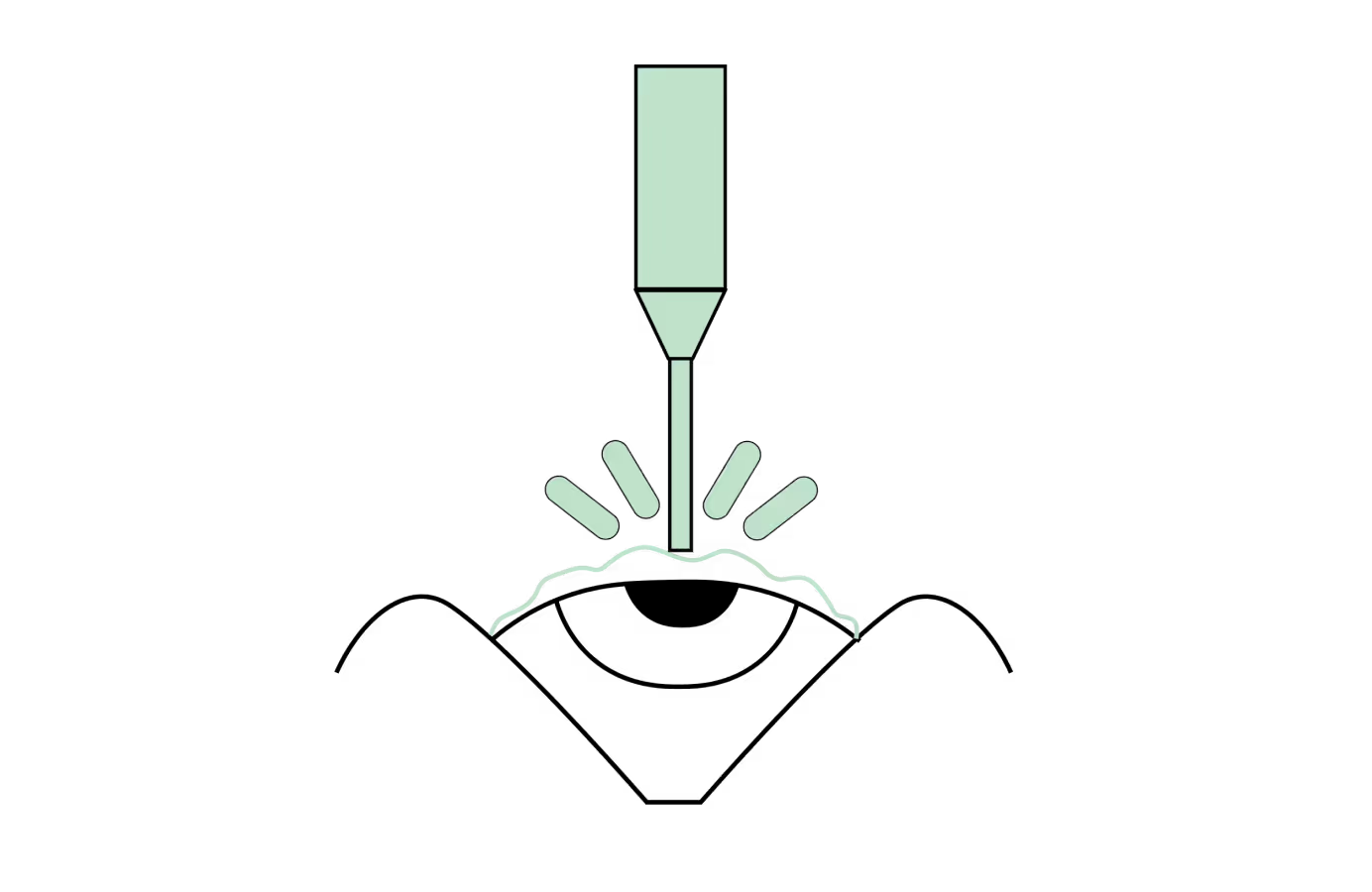
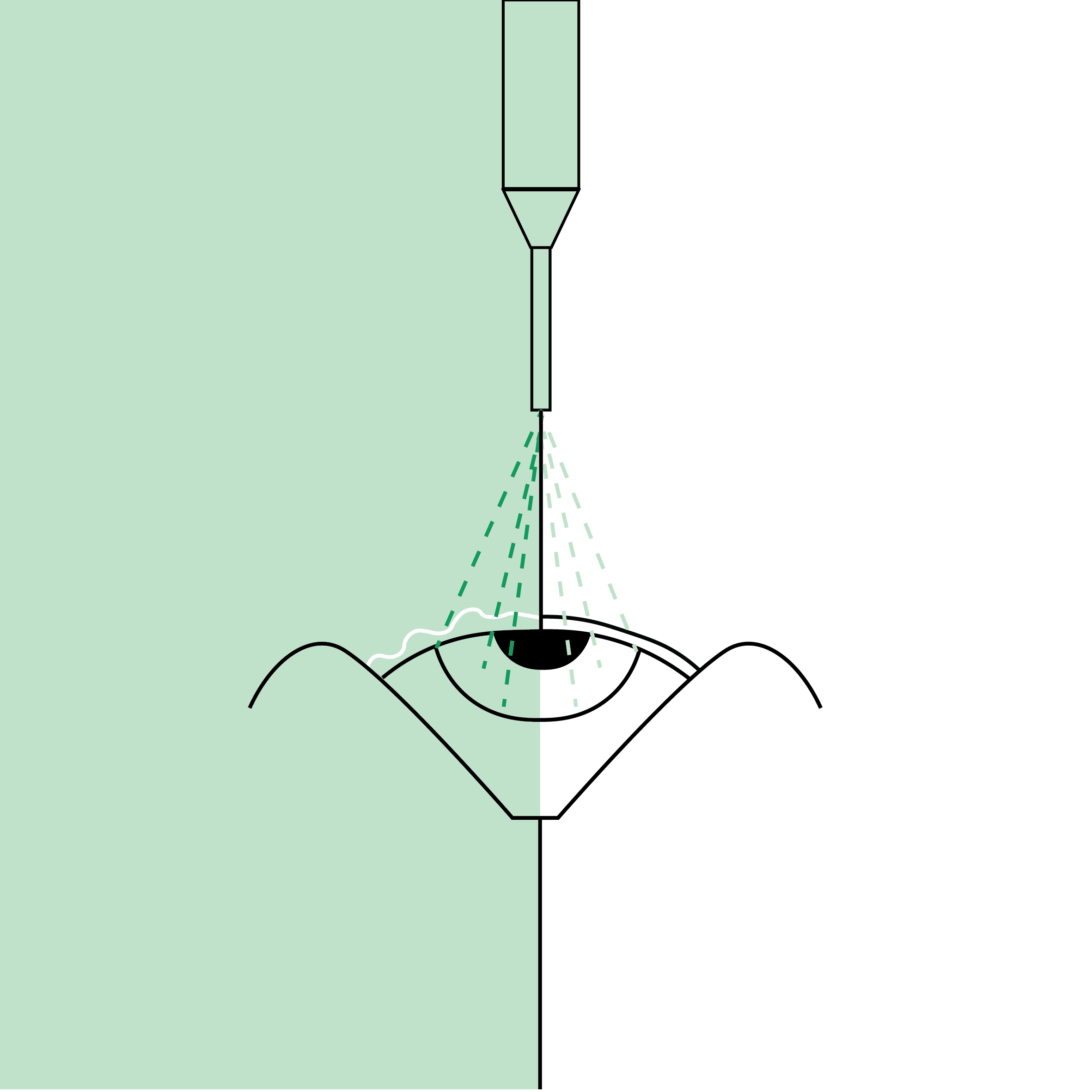
TransPTK and WetPTK Step 1: Under topical anesthesia, neutral excimer laser ablation aimed at smoothing the corneal surface in a controlled and uniform manner, performed through a masking agent:
- The intact epithelium for the TransPTK.
- A thin layer of liquid for the WetPTK.
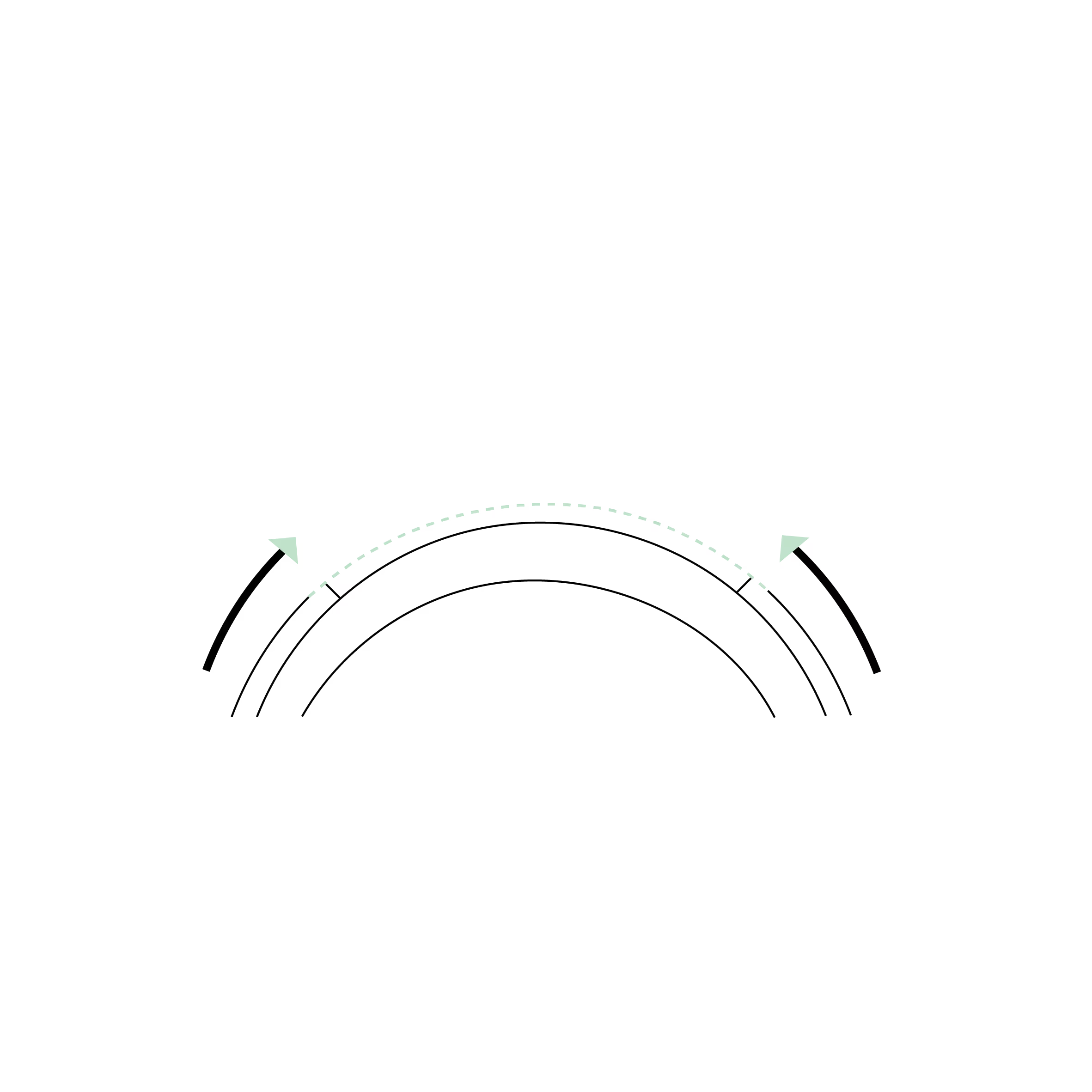
Epithelial healing after PTK, TransPTK/WetPTK: The epithelium gradually regenerates on a smoothed cornea. A bandage contact lens is often used to promote healing and reduce post-operative discomfort.

Corneal surface regularization after PTK, TransPTK/Wet PTK: Smooth, uniform epithelium, promoting optimized visual function and improved epithelial adhesion to reduce the risk of recurrent erosions.
What are PTK, TransPTK, and WetPTK?
The PTK, TransPTK and WetPTK are corneal resurfacing procedures performed using an excimer laser to regularize the cornea, fade corneal scars, treat corneal dystrophies and relieve recurrent erosion syndrome.
PTK = PhotoTherapeutic Keratectomy
Each form of PTK has specific indications:
- They all help to fade superficial corneal scars.
- The PTK is primarily used to treat recurrent corneal erosion syndrome.
- The TransPTK and the WetPTK are advanced phototherapeutic keratectomy techniques that allow for optimized regularization of the corneal surface.
How does it work?
PTK removes thin superficial layers of the cornea, thereby promoting better adhesion of newly regenerated epithelium and reducing the risk of recurrent corneal erosions.
TransPTK is an advanced technique distinguished by its use of the masking effect of the corneal epithelium for optimized regularization of irregular corneas. Unlike conventional PTK, where the epithelium is mechanically removed before laser application, TransPTK allows for ablation through the epithelium (Transepithelial) in a single step.
The WetPTK is a variant of PTK which uses a thin layer of liquid (saline solution or lubricant) as a masking agent during excimer laser ablation. It allows for a smoother and more uniform regularization of the cornea, especially in cases of very localized irregularities, often as an immediate adjunct to a TransPTK.
TransPTK and WetPTK can be combined with corneal collagen cross-linking (CXL) to strengthen the cornea in patients suffering from corneal ectasia and keratoconus.
What are the risks?
The PTK, TransPTK and WetPTK, although effective and generally safe, carry certain risks and side effects, including:
- Corneal haze (opacification/scarring): Rarely, excessive stromal scarring can lead to a loss of transparency, affecting visual quality. This risk can be reduced by applying mitomycin C (MMC) during or after the procedure, as well as Losartan eye drops after the procedure.
- Effect regression: Some conditions, such as corneal dystrophies, may recur after some time. In such cases, it is generally possible to repeat these laser treatments (PTK, TransPTK, WetPTK).
- Post-operative discomfort: Especially during the first 24 to 48 hours, due to the erosion created by the laser, which usually heals within a few days. The use of a bandage contact lens reduces discomfort.
- Persistent epithelial defect: A persistent epithelial defect after PTK can occur in cases of impaired healing, prolonging discomfort and delaying recovery. To prevent stromal melting, specific treatments may be initiated, such as prolonged wear of a bandage contact lens, the use of healing-promoting eye drops (e.g., Insulin), the administration of metalloproteinase inhibitors (e.g., Tetracyclines), and sometimes the placement of an amniotic membrane.
- Infection and inflammation: Although rare, these complications can occur and require appropriate treatment. Standard post-operative treatments with antibiotic and anti-inflammatory eye drops prevent these complications.
- Temporary irritation: May occur after initial healing, characterized by a feeling of dryness and/or light sensitivity.
Each procedure offers specific benefits, but their indication must be carefully evaluated to minimize risks and optimize visual outcomes.
What is the recovery?
Recovery after the procedures of PTK, TransPTK and WetPTK varies depending on the extent of the treatment and the patient's individual characteristics. Generally, healing follows these stages:
1. Initial Phase (1 to 7 days):
- Discomfort: Especially within 24 to 72 hours after the procedure, which can be relieved by painkillers, eye drops, and wearing a bandage contact lens.
- Temporary blurred vision: Caused by epithelial regeneration and post-operative inflammation.
- Bandage contact lens wear: A therapeutic contact lens is often placed to protect the eye, promote epithelial healing, and reduce discomfort.
- Increased light sensitivity and a feeling of dryness.
2. Intermediate Phase (1 to 4 weeks):
- Removal of the bandage contact lens and discontinuation of antibiotic eye drops upon complete closure of the epithelial defect.
- Vision progressively improves as the epithelium stabilizes and evens out.
- Use of eye drops (anti-inflammatory and lubricating) to accelerate recovery.
3. Stabilization Phase (1 to 3 months):
- Vision continues to improve, and any opacities (corneal haze) gradually resolve.
- Regular follow-up is necessary to assess healing and treatment effectiveness.
4. Late Phase (beyond 3 months):
- For the majority of patients, only one treatment is necessary; however, in cases of residual irregularity or recurrence of symptoms, PTK, transPTK, and WetPTK can generally be repeated until the desired result is achieved.
- In cases of persistent haze, treatment with Losartan eye drops may be initiated, or a new application of MMC can be performed in the operating room.
Les différentes types de greffes
Découvrez les kératoplasties (= greffes de cornée)
Frequently asked questions
If you have any further questions, please do not hesitate to contact us!
Are PTK procedures painful?
During the procedure, the eye is anesthetized with eye drops, so no pain is felt. However, discomfort such as a burning or foreign body sensation may be present during the first 24 to 72 hours after the procedure.
How long does PTK recovery take?
Initial recovery typically takes one week, during which vision may be blurry and a bandage contact lens is often worn. Full vision stabilization can take between 1 and 3 months, depending on the procedure and the condition being treated.
When can I resume my normal activities after PTK?
Light daily activities can be resumed after about a week.
What are the risks of PTK treatments?
Risks include temporary visual blur, dry eyes, and corneal opacification (haze). Very rarely, an infection may occur, which is often effectively treated with good visual recovery through close monitoring. Strict follow-up helps minimize these risks.
Will my vision be perfect after the PTK procedure?
PTK is not intended to correct vision like refractive surgery, but rather to treat corneal abnormalities. While visual improvement is often achieved, corrective glasses or contact lenses may still be necessary.
How long does the effect of PTK treatment last?
The results are generally long-lasting, but certain corneal conditions, such as dystrophies, can recur over time, potentially requiring further intervention.
Do I need treatment after the PTK procedure?
Yes, a treatment involving antibiotic, anti-inflammatory, and lubricating eye drops is prescribed to promote healing and prevent complications. Strict adherence to these recommendations is essential.
Can I drive after the PTK procedure?
No, your vision will be blurry for the first few days. During your post-operative follow-up, your surgeon will inform you when you can resume driving.
Is PTK surgery covered by insurance?
In many cases, therapeutic laser treatments are covered, particularly when performed for medical indications (scars, dystrophies, irregular cornea).
Linked procedures
Discover other related surgical topics



Book a consultation
Swiss Visio Montchoisi
1006 Lausanne, Switzerland