Personalised refractive (laser) surgery
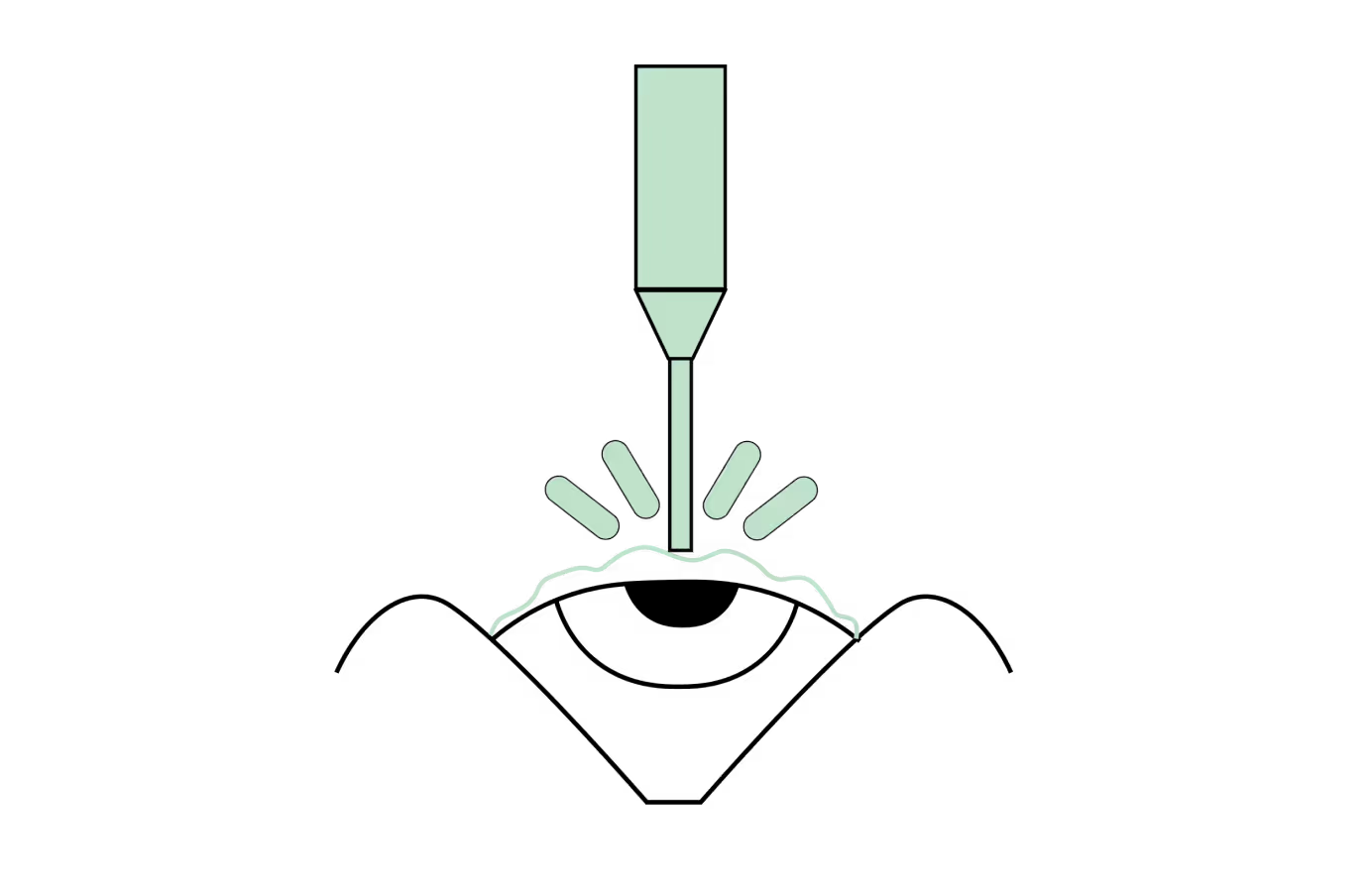
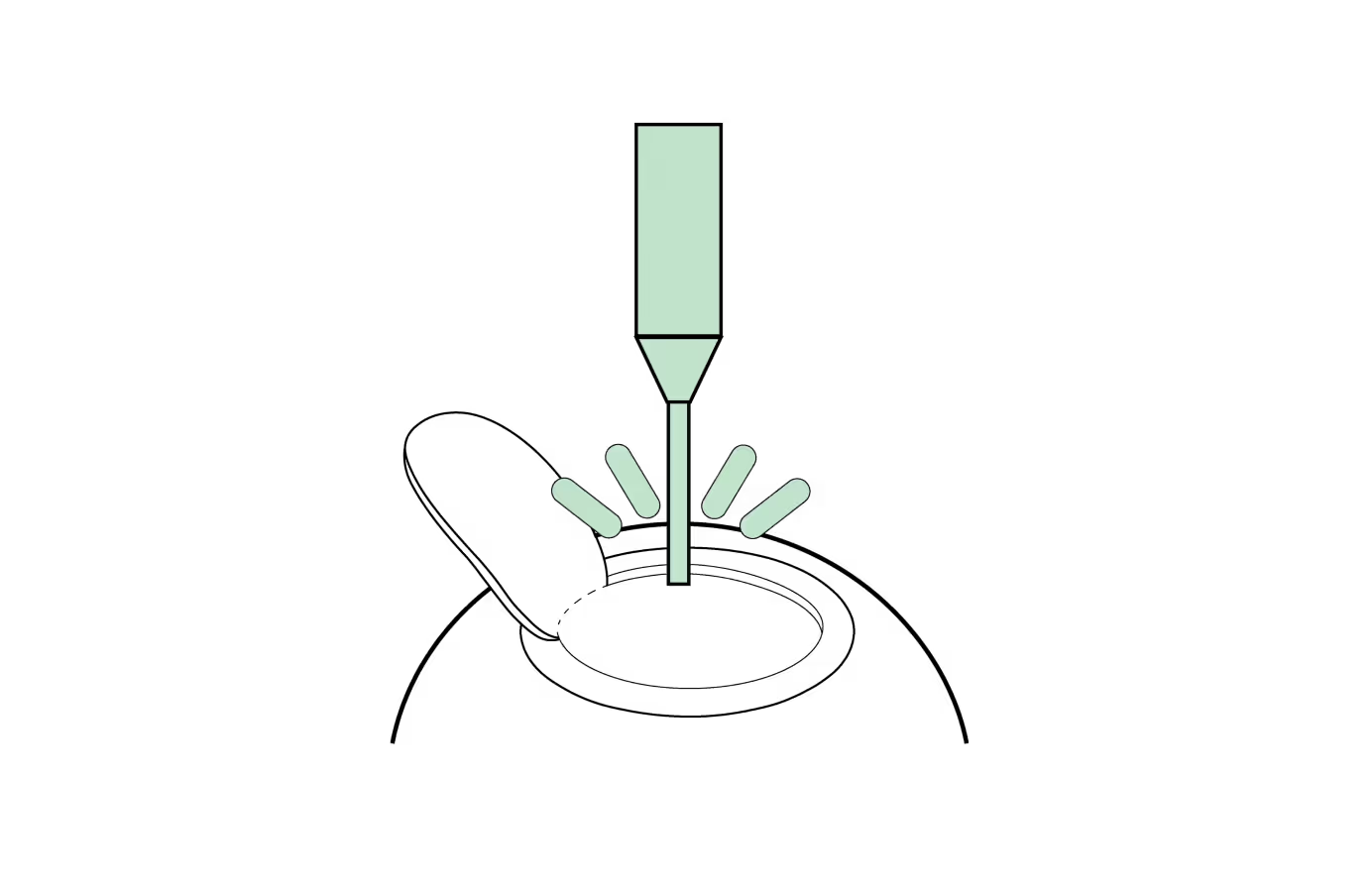
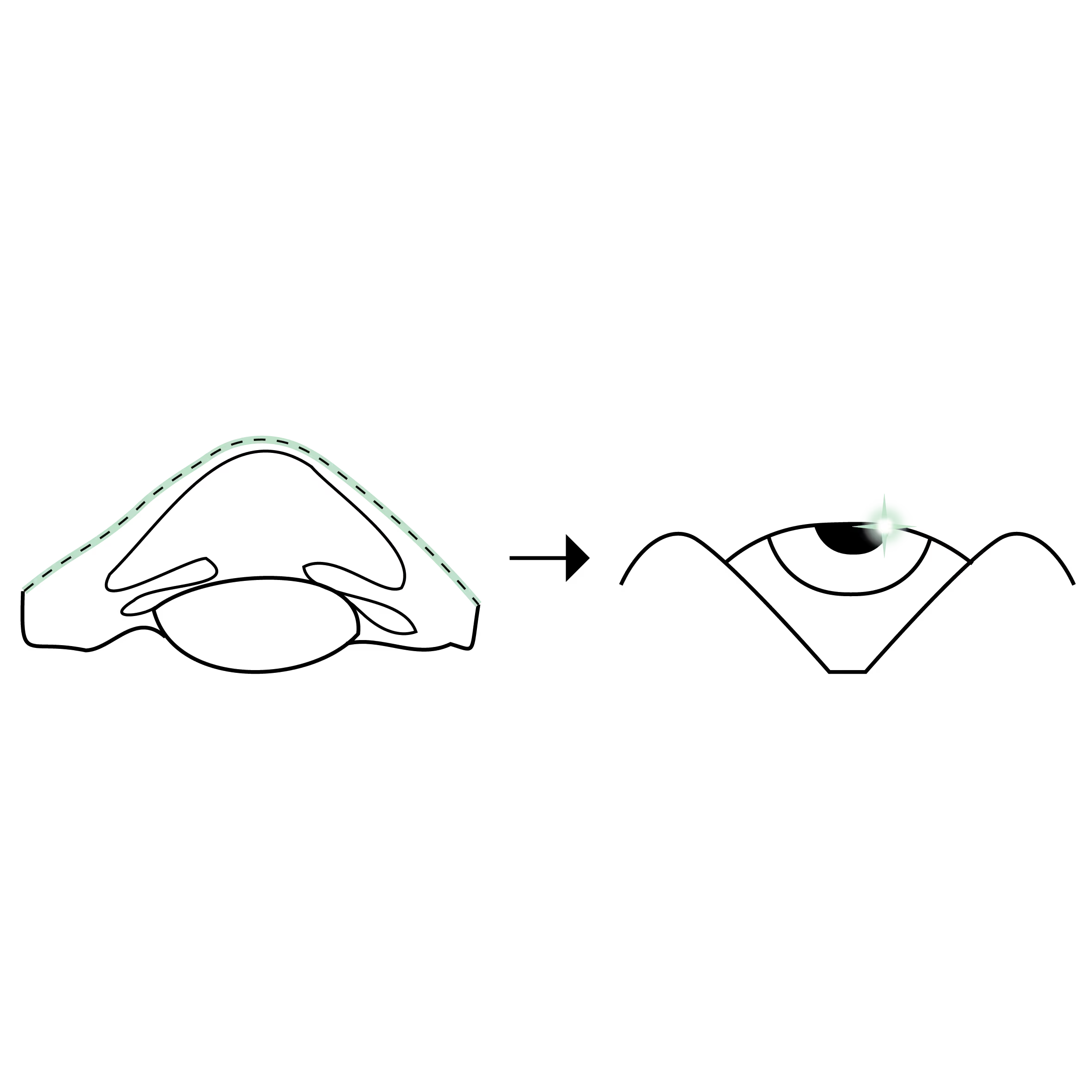
Refractive laser surgery, such as LASIK and PRK, corrects myopia, hyperopia (long-sightedness), astigmatism, and presbyopia by reshaping the cornea. When the treatment is personalised, it accounts for the unique irregularities of each eye, such as topography or optical aberrations. This enhances visual acuity and contrast sensitivity, often achieving better results than those provided by glasses.
Topography-guided or wavefront-guided PRK can be utilised in the management of keratoconus, provided it is combined with corneal cross-linking (CXL). This combined approach strengthens the cornea and prevents the progression of corneal ectasia.

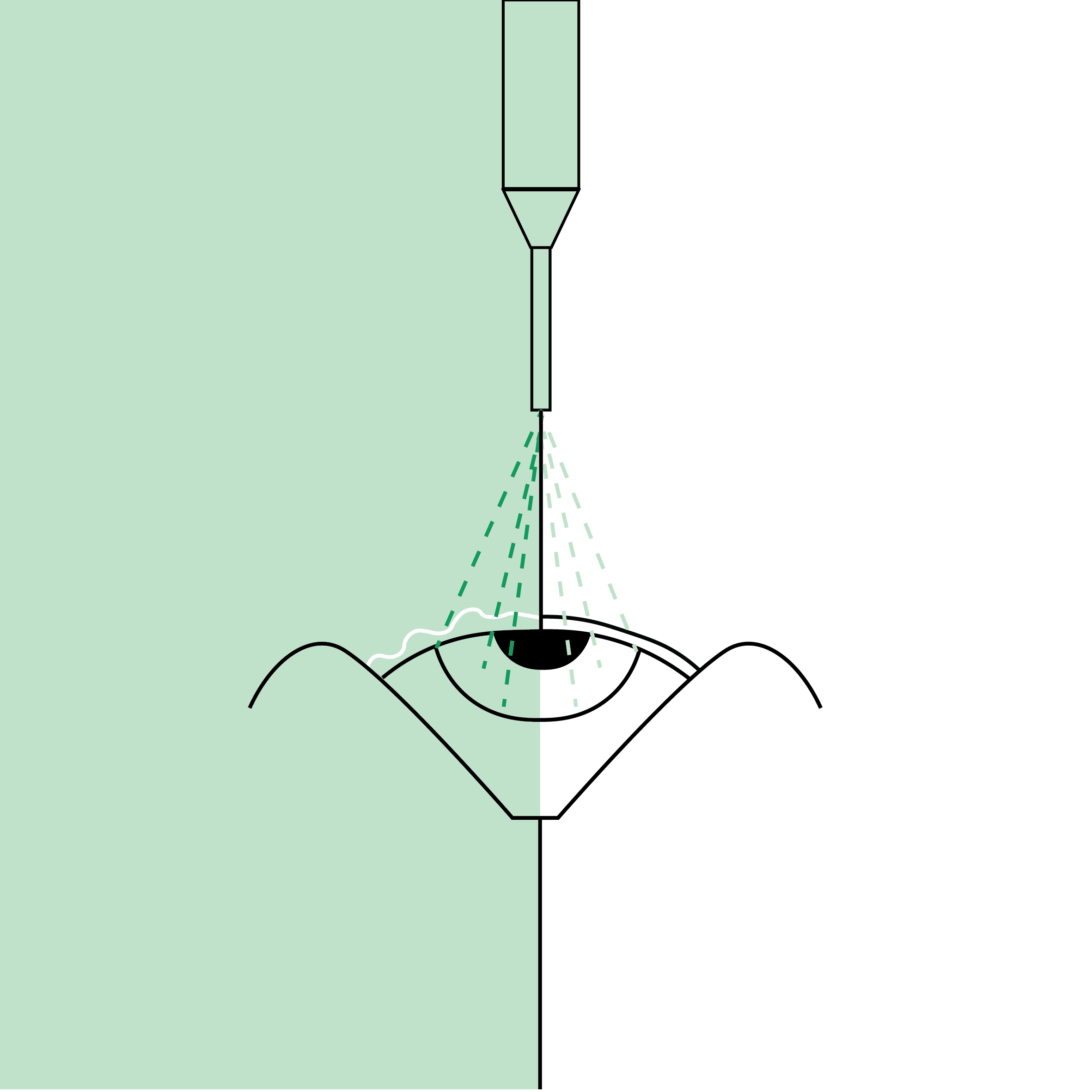
How does it work?
Learn more about the procedure / equipment
What is personalised laser refractive surgery?
This refers to a suite of advanced surgical techniques designed to correct refractive errors (myopia, long-sightedness, astigmatism, and presbyopia) using a bespoke approach tailored to the unique anatomy and optical imperfections of each eye.
There are two primary methods of personalisation:
- Topography-guided: Based on detailed mapping of the corneal surface (addressing shape and surface irregularities).
- Wavefront-guided: Based on a comprehensive analysis of the optical aberrations of the entire eye (cornea, lens, vitreous, and retina) as measured by an aberrometer.
These methods aim to optimise visual quality, particularly in low-light conditions, by reducing higher-order aberrations (such as coma, trefoil, and secondary astigmatism).
A thorough pre-operative assessment is essential, including topography, aberrometry and pachymetry.
What are the risks and benefits?
Benefits
- Excellent visual acuity without the need for glasses or contact lenses.
- Enhanced night vision compared to standard laser treatments.
- Reduction of specific individual optical aberrations.
- Bespoke treatment plans for each eye.
- Rapid recovery (particularly with LASIK).
Risks
- Temporary or persistent dry eye.
- Halos or night-time glare (though less frequent with personalised treatments).
- Potential over- or under-correction (uncommon and usually treatable).
- Flap complications (LASIK): Such as displacement or micro-striae.
- Corneal ectasia: Rare, occurring primarily due to poor indication, insufficient residual corneal thickness, or excessive eye rubbing.
- Delayed healing or haze (specific to PRK).
Patient satisfaction rates are exceptionally high, with stable outcomes provided the clinical indications are met.
Indications and Contraindications
Indications (Who is it for?)
- Patients eligible for standard PRK or LASIK surgery.
- Those with irregular corneal profiles (subject to clinical assessment).
- Patients experiencing symptomatic higher-order aberrations (e.g., poor night vision or reduced image clarity).
Contraindications
The contraindications are identical to those for standard refractive surgery:
- Insufficient corneal thickness.
- Active ocular disease (e.g., uveitis, herpetic keratitis, or chronic conjunctivitis).
- Uncontrolled glaucoma.
- Pregnancy or breastfeeding.
- Endothelial decompensation.
- Severe dry eye syndrome.
- Poorly controlled diabetes.
- Psychiatric disorders or unrealistic expectations.
Special Situations
Keratoconus
Keratoconus surgery using customised laser treatment (PRK/Trans-PRK) combined with Corneal Collagen Cross-linking (CXL) can improve vision with glasses and reduce reliance on complex contact lenses (such as scleral lenses).
Please note: Laser treatment alone is strictly contraindicated for keratoconus, as it may exacerbate ectasia and lead to the requirement for a corneal transplant (DALK or PKP).
Corneal Transplants
Following a transplant, therapeutic refractive surgery can be utilised to correct residual corneal irregularities and reduce the patient's dependence on corrective lenses.
Les différentes types de greffes
Découvrez les kératoplasties (= greffes de cornée)
Frequently asked questions
If you have any further questions, please do not hesitate to contact us!
Linked procedures
Discover other related surgical topics



Linked conditions
Book a consultation
Swiss Visio Montchoisi
1006 Lausanne, Switzerland