Topography-guided or wavefront-guided PRK
Topo- or wavefront-guided PRK (Photorefractive Keratectomy guided by corneal topography or total optical aberrations) is an advanced refractive surgery technique that corrects visual anomalies by relying on the corneal map or the eye's complete wavefront. It is particularly indicated for patients with corneal irregularities, such as scars or asymmetries inducing higher-order aberrations.

How does it work?
Learn more about the procedure / equipment
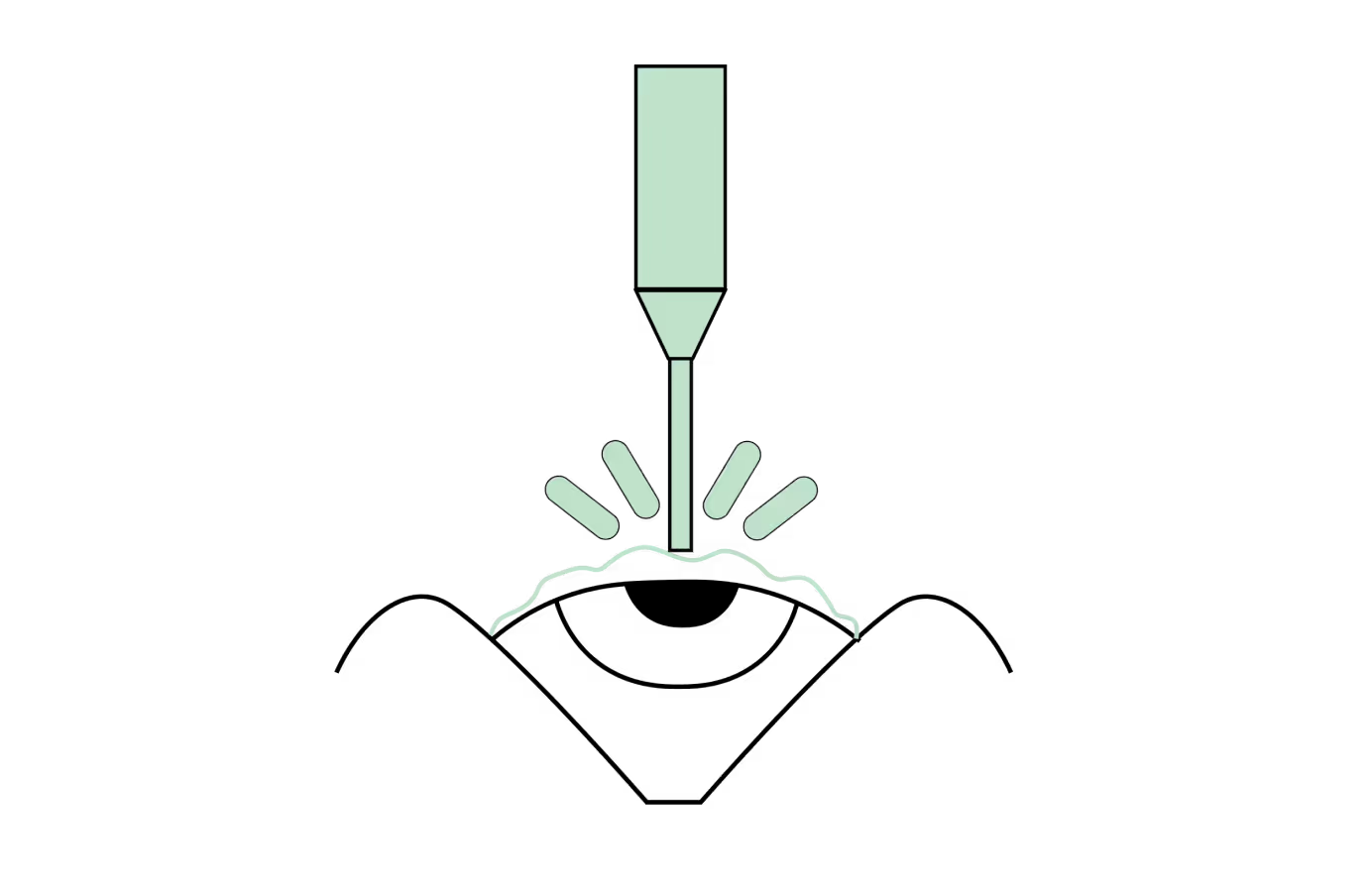
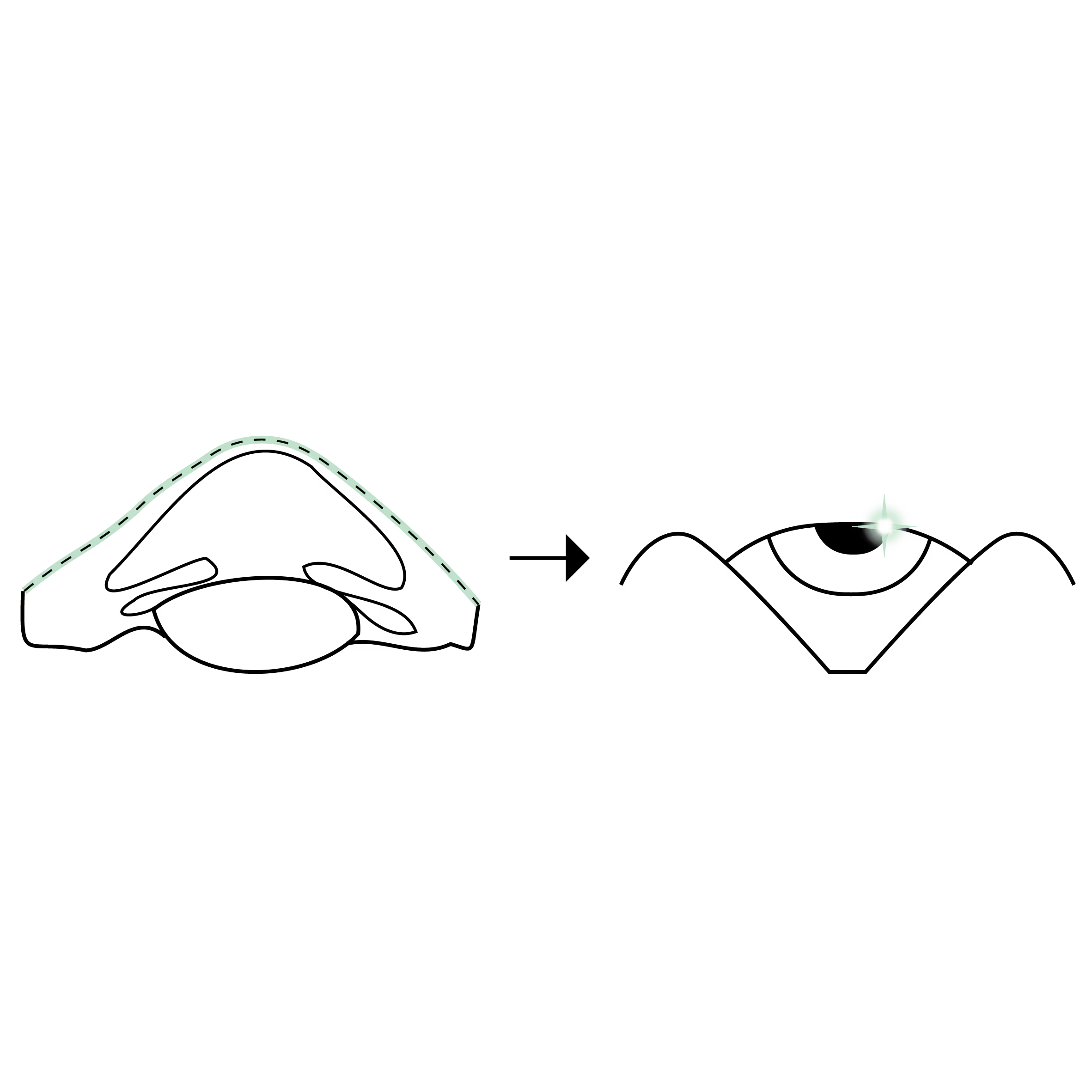
Irregular cornea treated with customised PRK (topography- or wavefront-guided): the initially deformed corneal surface, with asymmetric or irregular zones, is gradually regularised by the excimer laser.

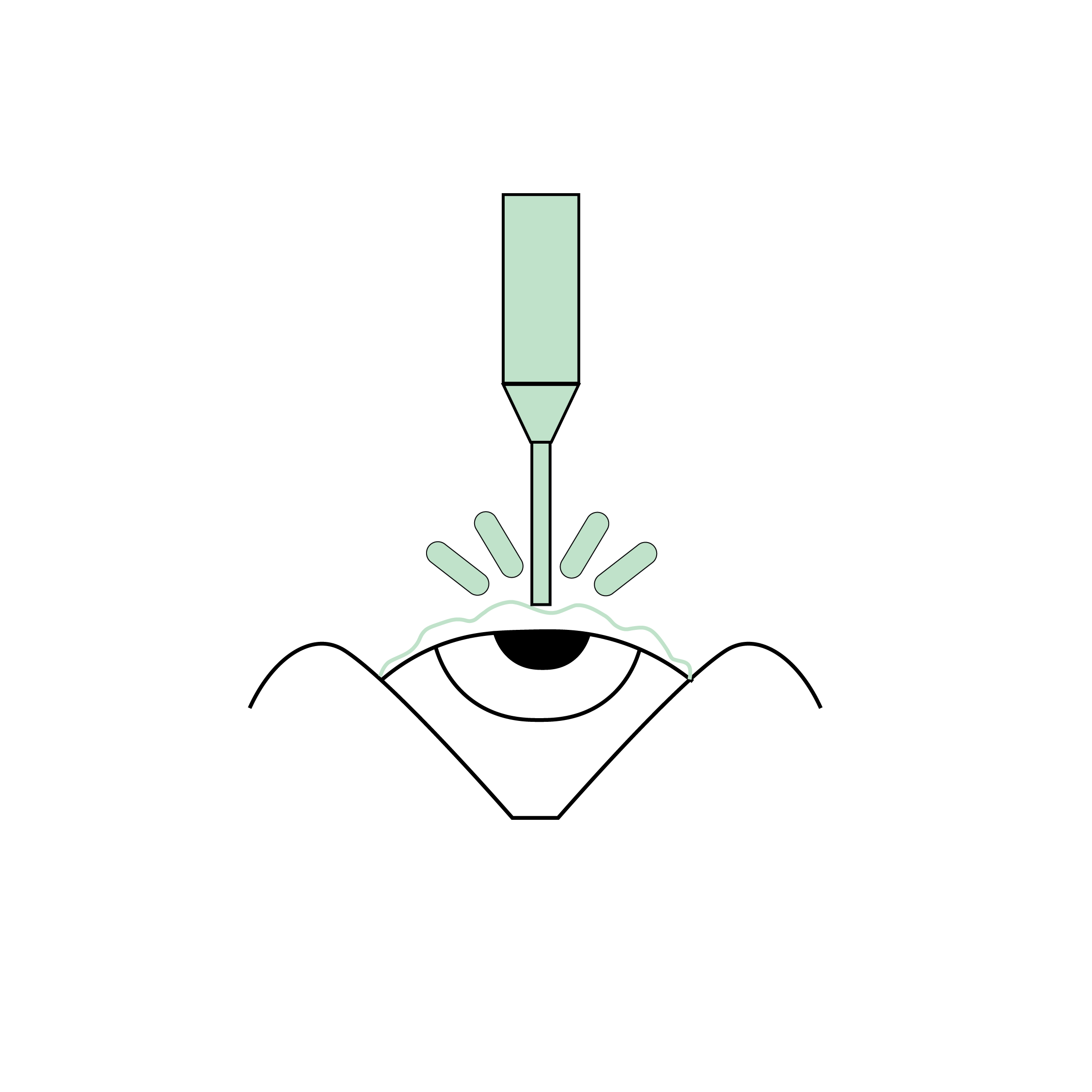
Eye immediately after customised PRK: the cornea shows a central epithelial defect, corresponding to the area treated by the laser. A therapeutic contact lens is placed on the eye to protect the surface, promote healing and reduce postoperative discomfort.
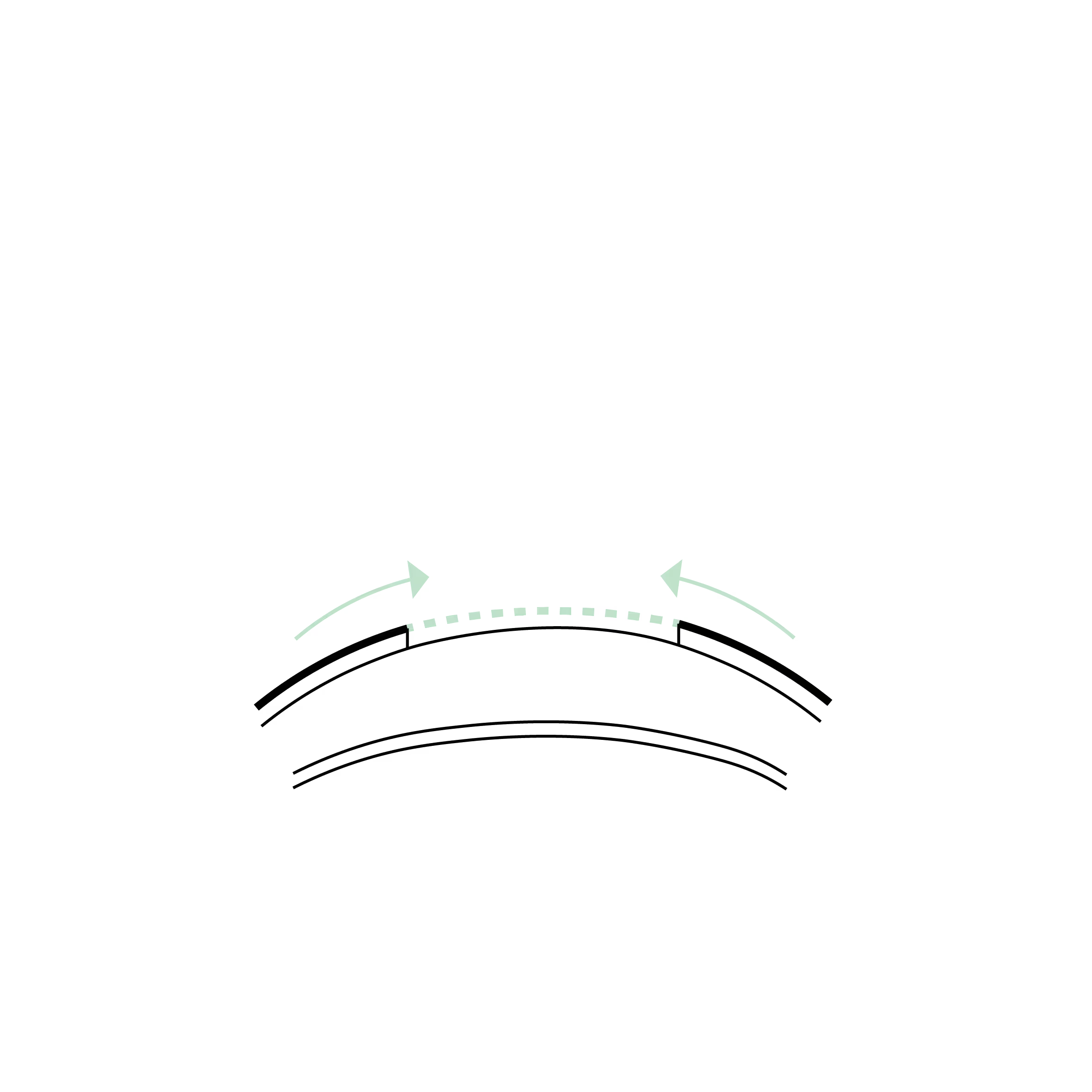
The epithelium gradually regenerates from the edges of the defect, covering the laser-treated area. This regeneration restores the corneal surface within a few days.
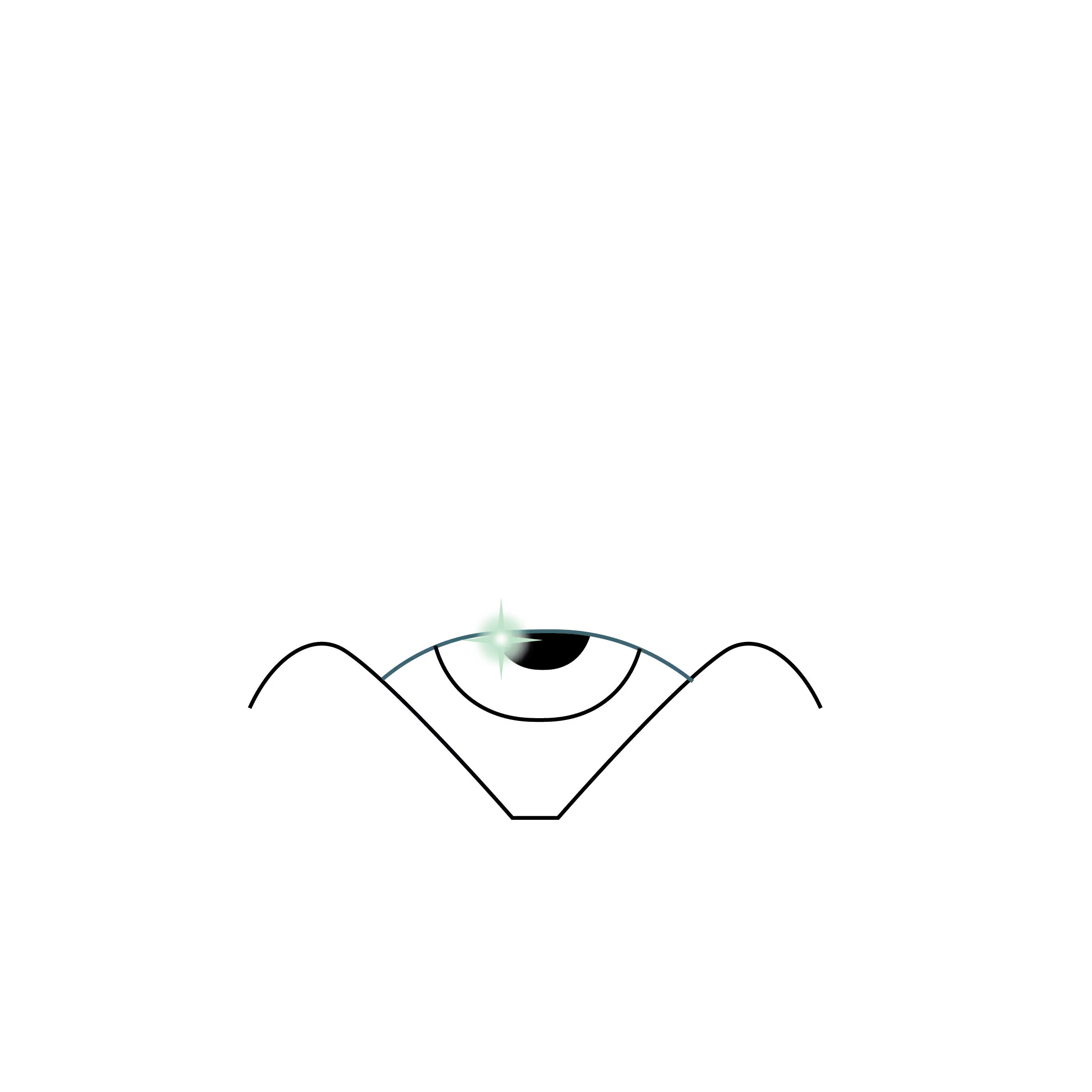
Healed cornea after customised PRK: the epithelium has regenerated more uniformly, with a smoother, more even cornea, reducing visual aberrations and improving optical quality.
Principle and Procedure
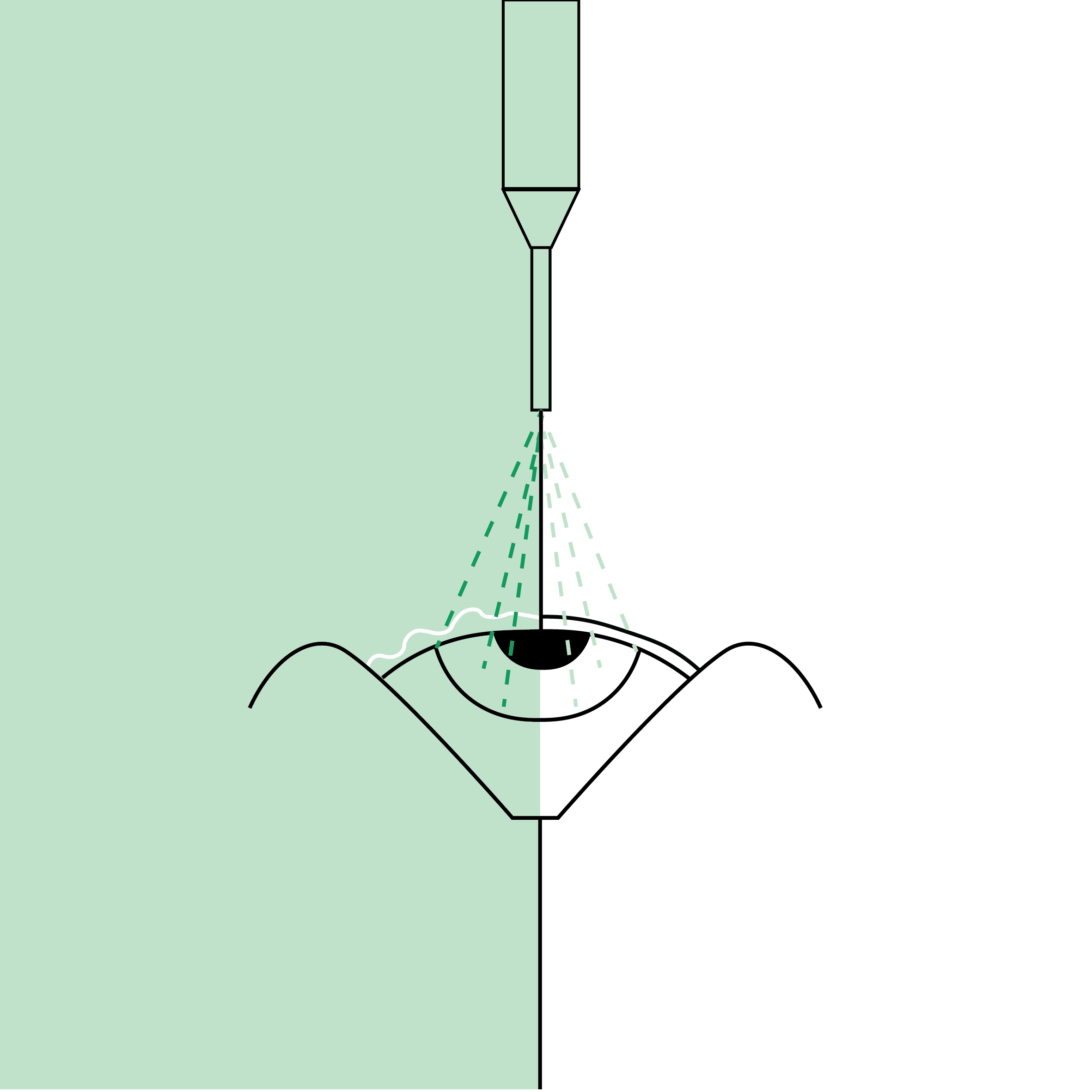
Topo- or wavefront-guided PRK follows the same general steps as conventional PRK, but with increased precision thanks to the use of an excimer laser guided by the patient's individualized topographic data.
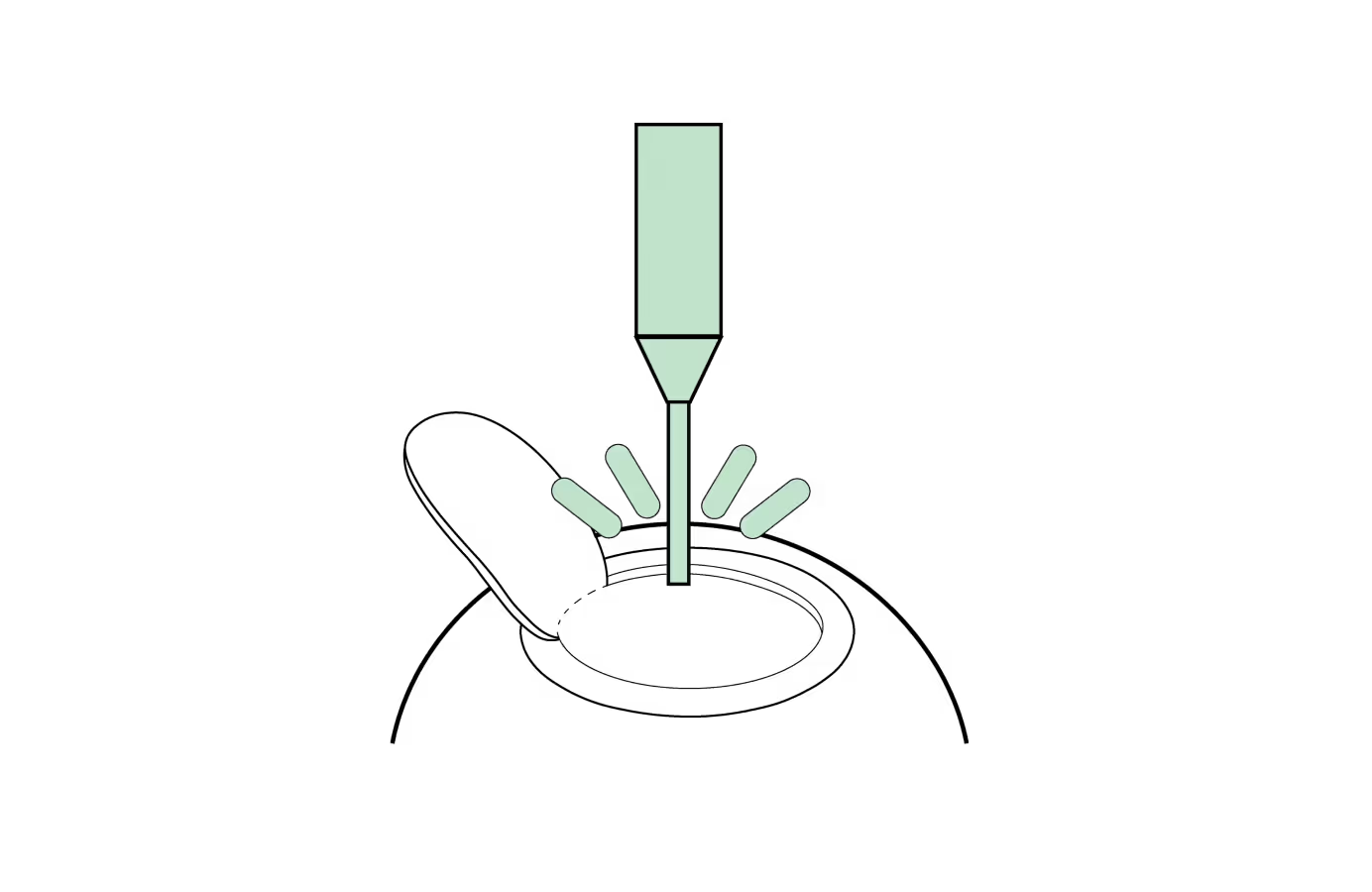
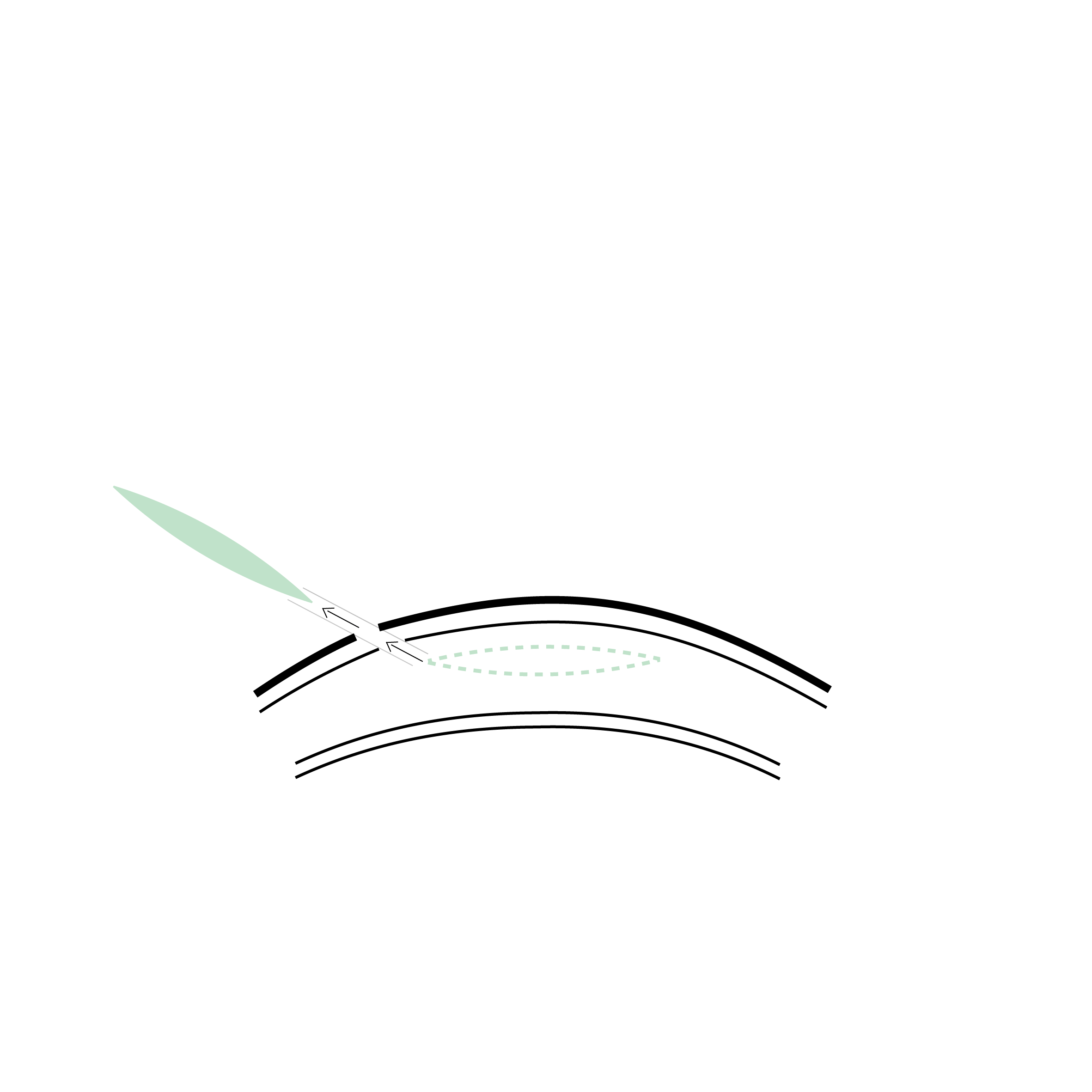
- Corneal Preparation : the superficial epithelial layer is removed either mechanically, sometimes with the aid of a diluted alcoholic solution, or directly by laser when it is a TransPRK, combining PRK with a type of epithelial ablation TransPTK.
- Topography-Guided Ablation : the excimer laser precisely reshapes the cornea according to data collected by topography or ocular aberrometry. This approach aims to homogenize the corneal surface and improve overall optical quality.
- Combination with corneal cross-linking (CXL) : custom PRK can be performed at the same time as CXL to regularize the corneal surface in cases of ectasia, such as keratoconus, while stabilizing the corneal structure.
- A bandage/therapeutic contact lens is placed to improve comfort and promote epithelial regeneration, which usually takes a few days.
Goal
- Improved visual quality through a reduction in corneal irregularity and optical aberrations.
- Can be used in the same way as refractive PRK to reduce dependence on glasses, while also improving visual quality.
- Regularization of highly irregular or ectatic corneas (e.g., keratoconus) to:
- Improve the quality of vision with glasses
- Preparation before implantable contact lens (ICL/IPCL) surgery
- Preparation before cataract surgery
Indications
- Irregular astigmatism
- Superficial scars or corneal irregularities
- Vision optimization after previous imperfect refractive treatment
- Keratoconus (in association with CXL)
Advantages
- Improvement of visual quality and reduction of optical aberrations
- Personalized treatment based on the corneal topography or the aberrometric profile unique to each eye, for a customized visual correction.
Limitations
- Slower recovery than with LASIK or SMILE.
- Post-operative discomfort during the first few days (alleviated by wearing a therapeutic contact lens).
- Risk of transient corneal haze; however, eye drops are now available (Losartan) to fade scars.
Possible Risks and Complications
These are the same risks as for PRK.
Les différentes types de greffes
Découvrez les kératoplasties (= greffes de cornée)
Frequently asked questions
If you have any further questions, please do not hesitate to contact us!
What is PRK?
The PRK (PhotoRefractive Keratectomy) is a form of laser eye surgery used to treat vision problems such as nearsightedness, farsightedness, and astigmatism. This technique involves removing the outer layer of the cornea (epithelium) before reshaping the underlying tissue with a laser.
What is the recovery time after PRK?
Recovery after PRK tends to be longer than after LASIK or SMILE. Vision may be blurry for the first few days, and the outer layer of the cornea takes about 3 to 5 days to heal.
Full recovery typically takes between 1 and 3 months.
What is the difference between PRK and LASIK or SMILE?
Unlike LASIK and SMILE, which require the creation of a flap (LASIK) or a lenticule (SMILE) in the cornea, PRK involves temporarily removing the epithelium (the "skin" of the cornea) before laser-reshaping the underlying stroma. It is often recommended for patients with thin, irregular corneas or those not eligible for LASIK or SMILE.
Linked procedures
Discover other related surgical topics
%20au%20laser.avif)
.avif)






Book a consultation
Swiss Visio Montchoisi
1006 Lausanne, Switzerland