Contact Lens-Related Problems
Contact lenses are a popular alternative to spectacles for those seeking vision correction without surgery. However, some wearers may encounter difficulties. It is well-established that wearing contact lenses is a primary risk factor for developing corneal infections (infectious keratitis).

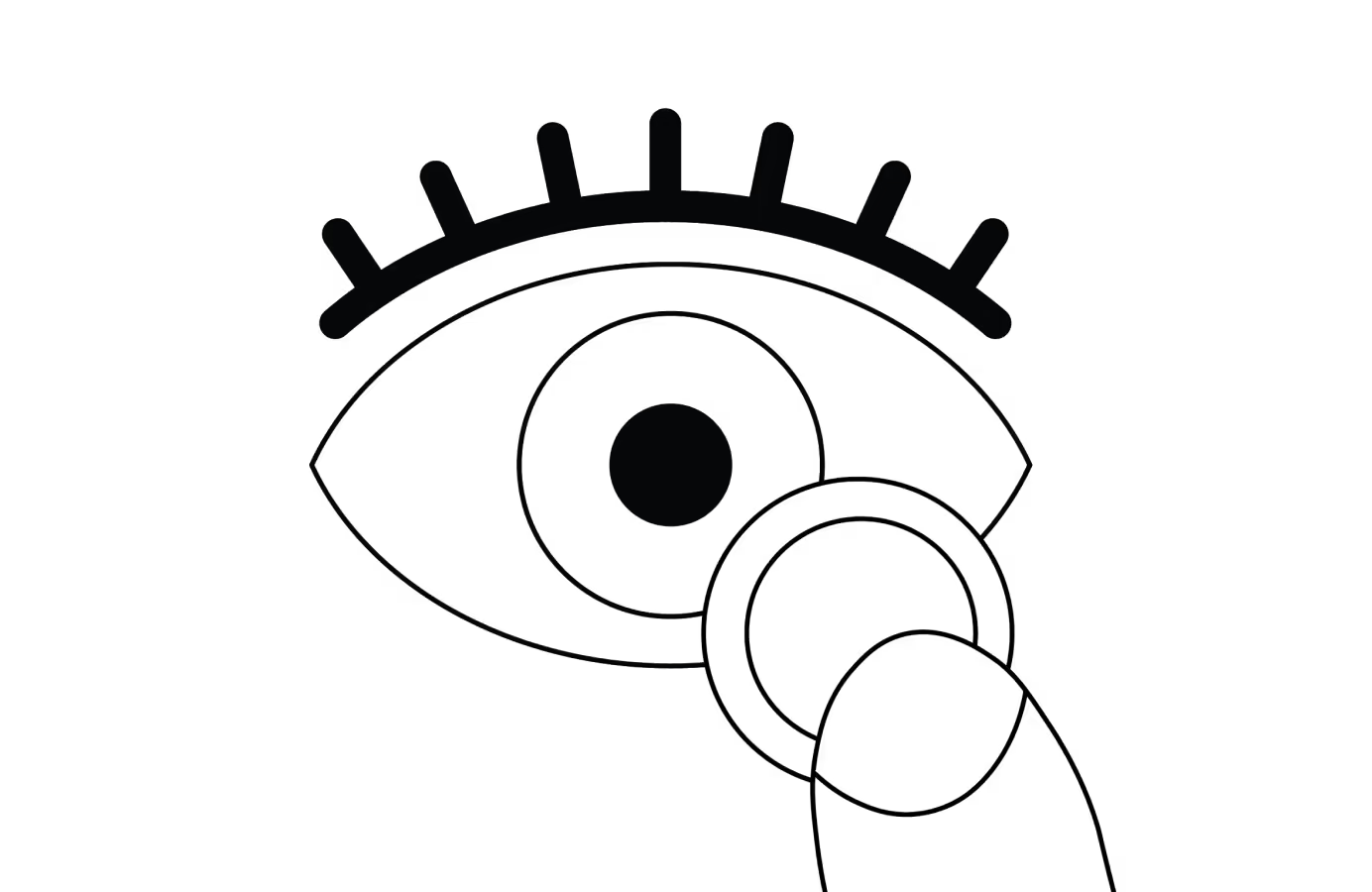
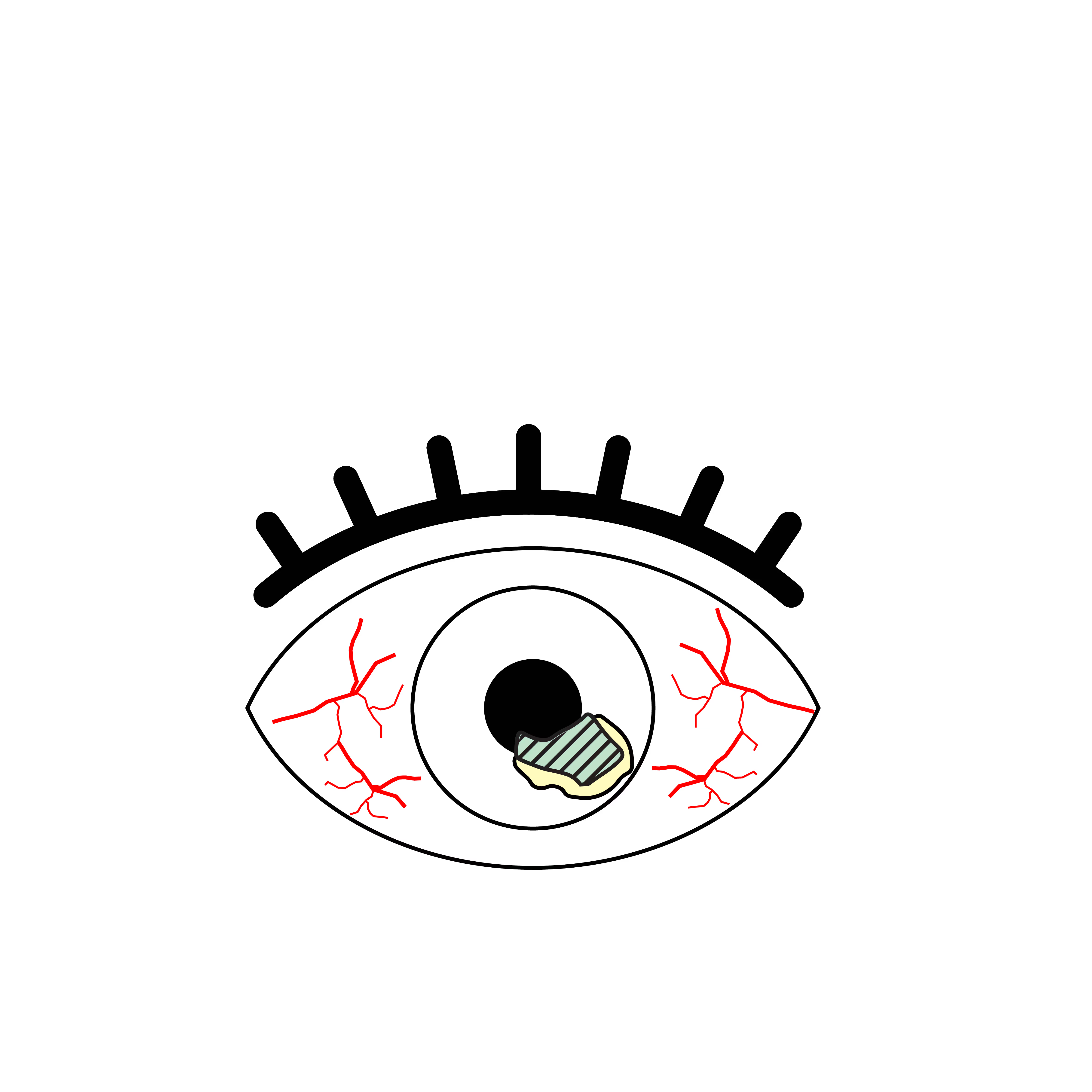
Infectious keratitis is an infection of the cornea, often caused by bacteria, viruses, fungi or parasites. It can cause pain, redness, reduced vision and sensitivity to light. It is a medical emergency that requires prompt treatment to prevent complications such as permanent scarring.

A corneal scar is an area of opacity that develops following injury, infection, or inflammation. This can result in blurred or distorted vision, particularly if the scarring is located on or near the visual axis. Depending on the extent and position of the opacity, medical treatment or a corneal transplant may be required to restore visual clarity.
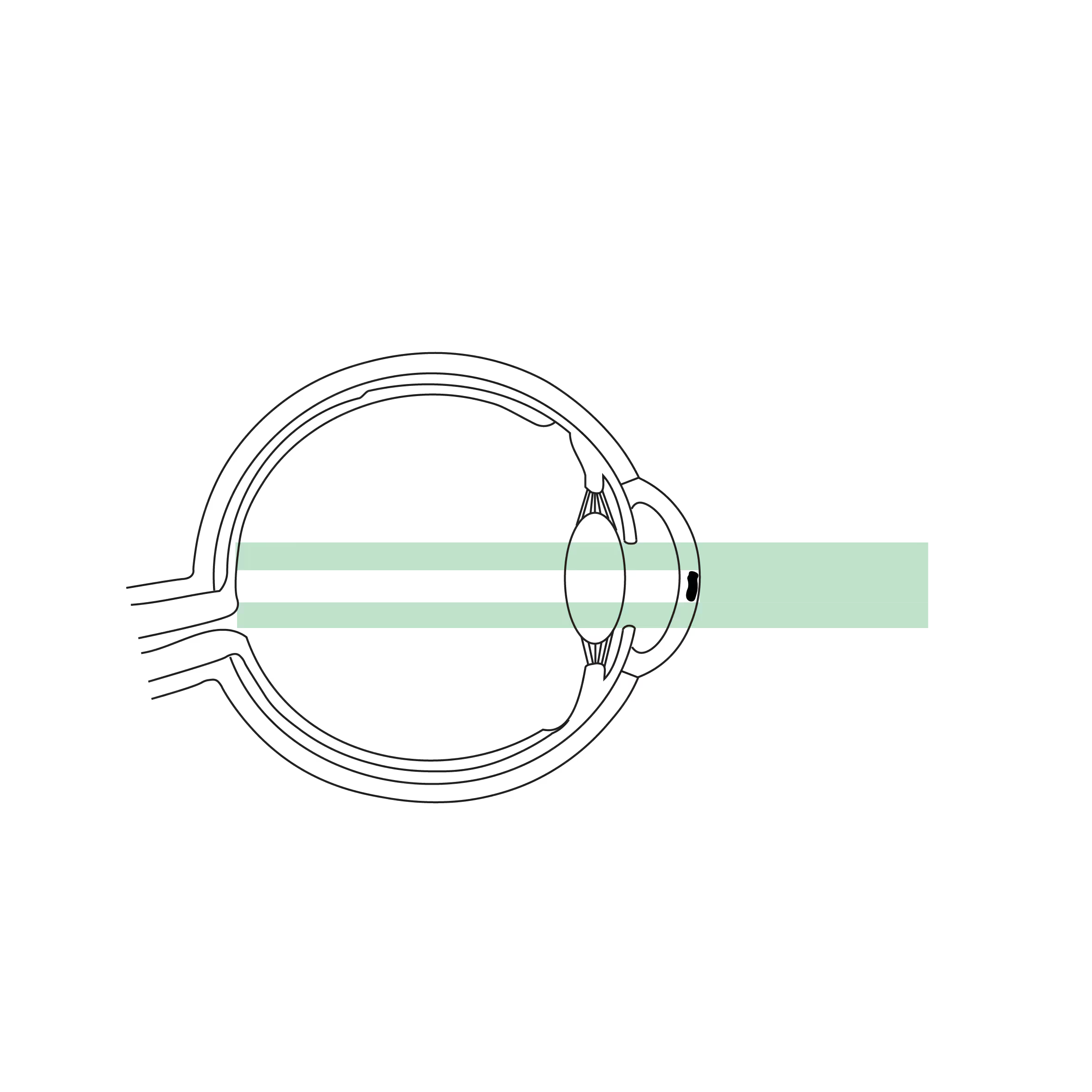
Profile view, a corneal scar appears as an opacity that partially blocks the passage of light rays into the eye. This may result in blurred or distorted vision, especially if the scar is located in the visual axis.
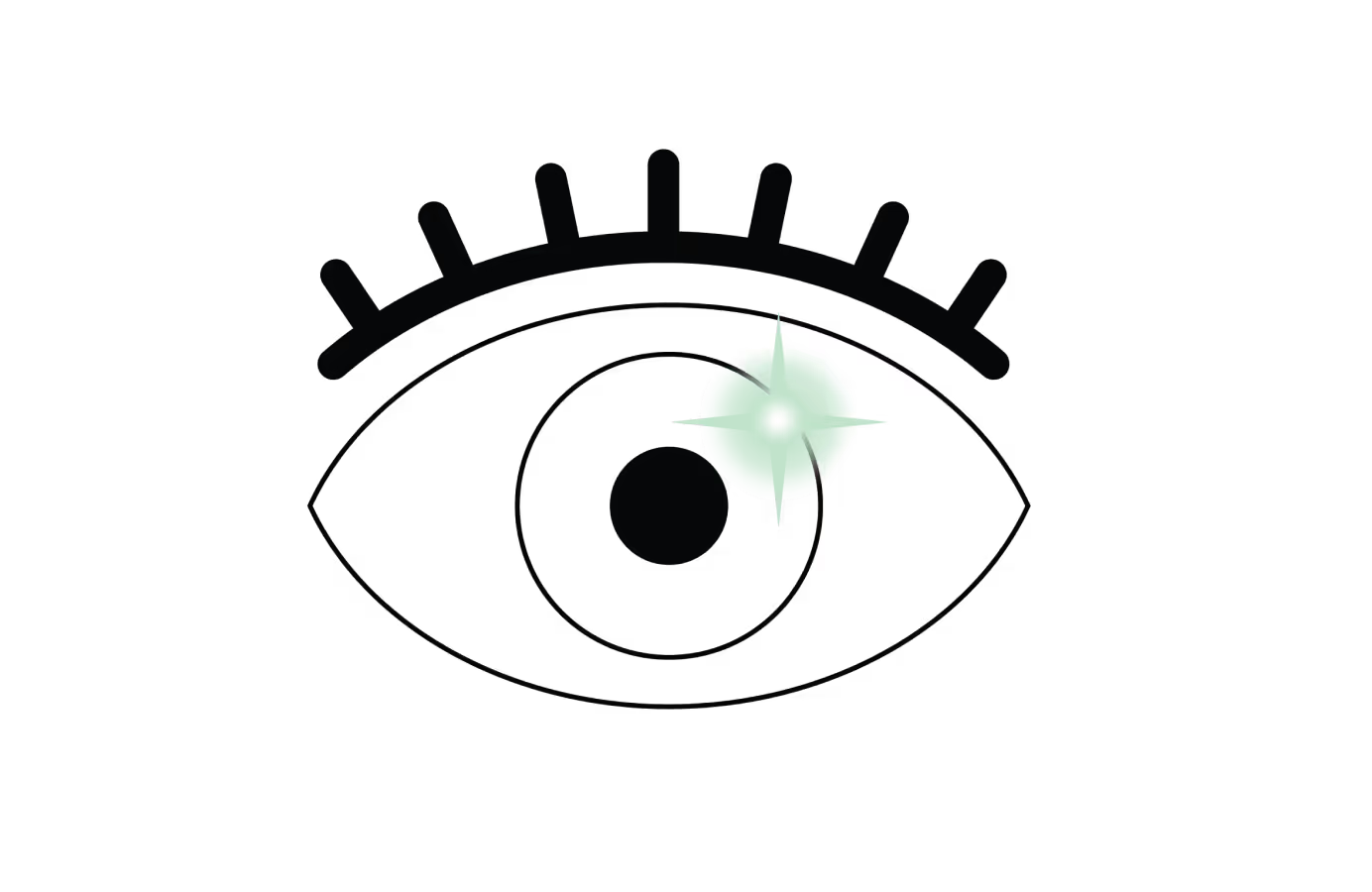
Contact lens discomfort: what are the causes?
Discomfort while wearing contact lenses is a common issue that can arise for several reasons, including:
- The lens itself: Issues may stem from the specific lens design, the materials used, or an improper fit.
- Environmental factors: Prolonged computer use, wind, air conditioning, and any environment that reduces humidity or blinking frequency can contribute to irritation.
- Individual factors: Underlying conditions such as dry eye syndrome, tear film abnormalities, eyelid disorders, and certain medications can also lead to lens discomfort.
What are the symptoms?
Contact lens discomfort can manifest in several ways, including:
- Foreign body sensation: The persistent feeling that an object, such as a grain of sand or a speck of dust, is trapped in the eye.
- Decreased lens tolerance: This often occurs after prolonged wear or in patients who have used contact lenses for many years. It is typically characterised by eye discomfort and redness, which usually resolves once the lenses are removed.
- Sensitivity to lens solutions: Lenses designed for frequent replacement (e.g. weekly or monthly) require regular cleaning. A small number of users may develop an allergy or sensitivity to these solutions, which is frequently linked to the preservatives they contain.
Other common contact lens problems
- Giant Papillary Conjunctivitis (GPC): GPC is an inflammatory reaction that can occur as a result of contact lens wear. It causes discomfort, itching, excessive mucus production, lens intolerance, and redness. Treatment typically involves a temporary break from lens wear and the use of anti-inflammatory eye drops.
- Mechanical abrasion or erosion: Contact lens wearers can sometimes experience mechanical injuries caused by damaged or poorly fitted lenses. This causes significant discomfort and may affect the cornea, potentially requiring medical treatment.
- Corneal hypoxia: This occurs when the cornea does not receive sufficient oxygen, often due to overwear. While less common with modern high-permeability materials, it can cause corneal vascularisation (new blood vessel growth) and in severe cases, ulceration or opacification that can threaten your sight.
- Corneal ulcer/Infectious keratitis: Often caused by bacterial infections, these are usually related to the misuse of lenses, such as sleeping in them, swimming, or poor hygiene. If left untreated, an ulcer can lead to permanent scarring, which may require a corneal transplant to restore vision. Infectious keratitis is an ocular emergency and requires an urgent consultation with an ophthalmologist.
Research Note: A 2017 study published in the Journal of Cataract and Refractive Surgery reported that the annual risk of corneal infection is three times higher for those using extended-wear contact lenses than for patients who have undergone refractive surgery, such as LASIK.
What are the possible treatments and alternatives?
Many patients seek freedom from contact lenses to simplify their lives and avoid the long-term risks associated with lens wear.
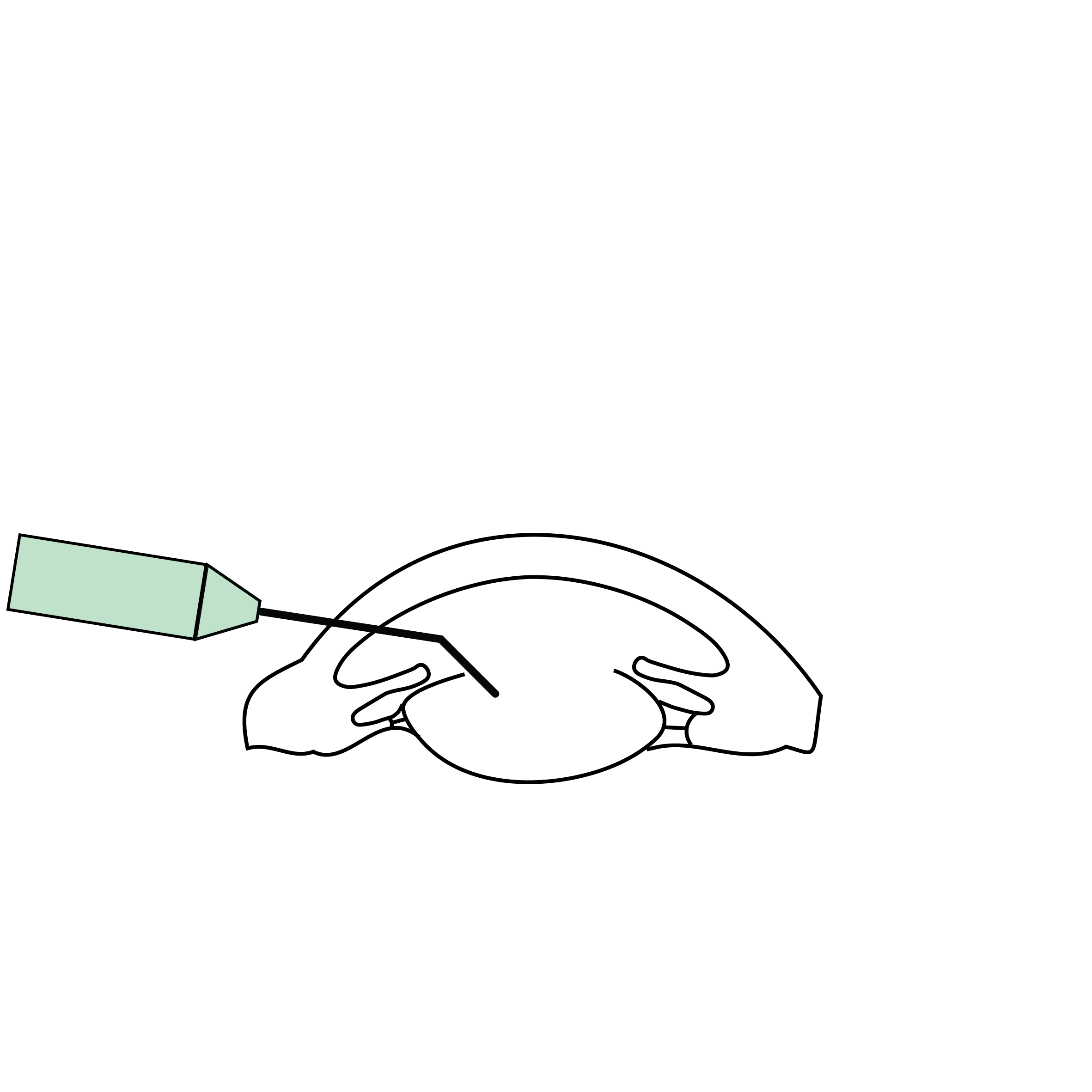
For many, laser eye surgery or intraocular lens (IOL) implants represent the next logical step. As quick and relatively simple treatments, they offer a sustainable, long-term solution, providing life-changing benefits for patients of all ages.
Reducing dependency on contact lenses through refractive surgery
Advantages
- Lasting results: Following laser eye surgery or the insertion of intraocular implants, your vision is corrected for the long term, removing the need for daily lens changes.
- Quick procedures: Laser treatments (such as LASIK or SMILE) and intraocular procedures (such as ICL or Refractive Lens Exchange) typically take only 10 minutes or less per eye.
- Rapid recovery: Recovery after refractive surgery is generally very fast, with many patients noticing a significant improvement within the first 24 hours.
- Cost-effectiveness: The one-off cost of refractive surgery is generally lower than the cumulative, lifetime cost of purchasing contact lenses and solutions.
- Environmental impact: The scientific community is actively investigating the carbon footprint of contact lenses. It is widely suggested that the environmental impact of daily disposables is significantly higher than a single refractive procedure. Furthermore, contact lenses are a known source of microplastic pollution.
Considerations
- Eligibility: Refractive surgery involves operating on a healthy organ. It is, therefore, essential to undergo a thorough assessment to determine if you are a suitable candidate.
- Surgical risks: As with any clinical procedure, refractive surgery carries potential risks. These can be significantly minimised by choosing a highly qualified and reputable surgeon.
- Initial investment: While cost-effective in the long run, the initial price of surgery is significant. To help you make an informed decision, a screening consultation to determine your eligibility is essential.

%20au%20laser.avif)
.avif)

Les questions fréquentes
Si vous avez d'autres questions n'hésitez pas à nous contacter !
Book a consultation
Swiss Visio Montchoisi
1006 Lausanne, Switzerland