Cataract surgery: complete guide to the procedure, implants and recovery
Cataract surgery is today the most commonly performed surgical procedure in the world. Every year, millions of patients regain clear vision thanks to this routine, safe and highly effective procedure.
Created on
28.04.2026
·
Updated on
11.10.2026

If you are experiencing blurred vision, glare or altered colour perception, an ophthalmologist may well have mentioned this option to you. This complete guide walks you through every step and answers all your questions: what is cataract, how the operation is performed, which implant to choose, what the postoperative course looks like and how much the procedure costs in Switzerland.
What is a cataract and why does it need surgery?
A cataract is defined as a progressive clouding of the crystalline lens, the small, naturally transparent lens located behind the iris (the coloured part of the eye). The lens plays an essential role: it focuses light onto the retina to allow sharp vision at all distances. When it becomes opaque, less light passes through and vision becomes blurred, rather like looking through a dirty or misted window.
The main symptoms
The signs of a cataract appear gradually:
- a blurred or veiled vision, as if through a fog
- a reduced perception of colours, which appear dull or yellowed
- significant glare, particularly at night from car headlights
- double vision (monocular diplopia) sometimes felt in a single eye
- a progressive decline in distance vision that becomes bothersome day to day
- a frequent need to change glasses prescription without any lasting improvement
Causes and risk factors
A cataract is primarily linked to the natural ageing of the lens and most often begins around the age of 65. It can, however, occur earlier in certain situations: diabetes and other metabolic diseases, prolonged use of corticosteroids, eye trauma, excessive ultraviolet exposure, smoking, or genetic predisposition. There are also congenital forms in infants, which are much rarer.
Why operate?
To date, no medication can reverse a cataract. Surgery is the only effective option. The decision to operate does not depend solely on the stage of the cataract but above all on the functional impairment experienced by the patient: difficulty reading, driving, recognising faces, or loss of independence in everyday activities.
What does cataract surgery involve?
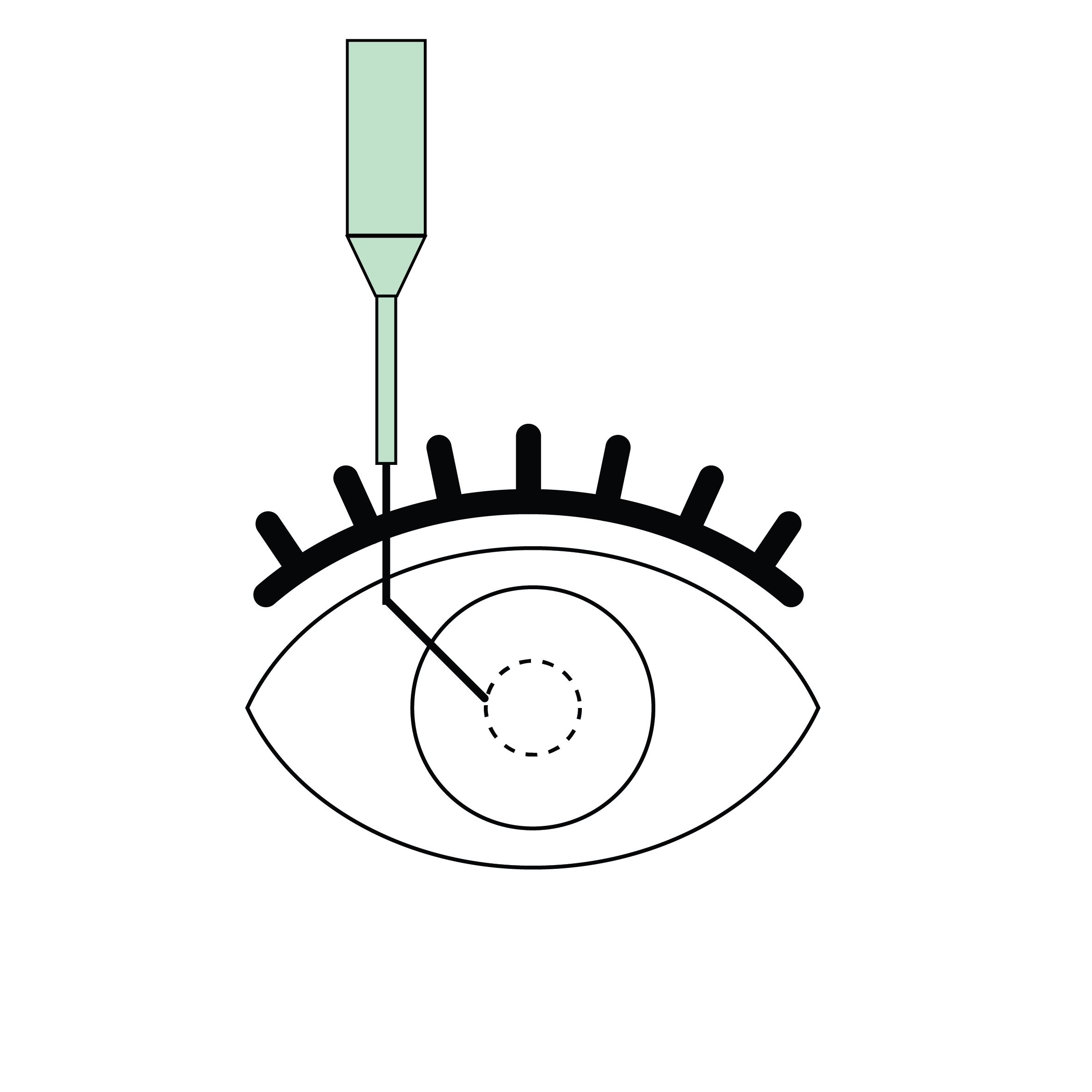
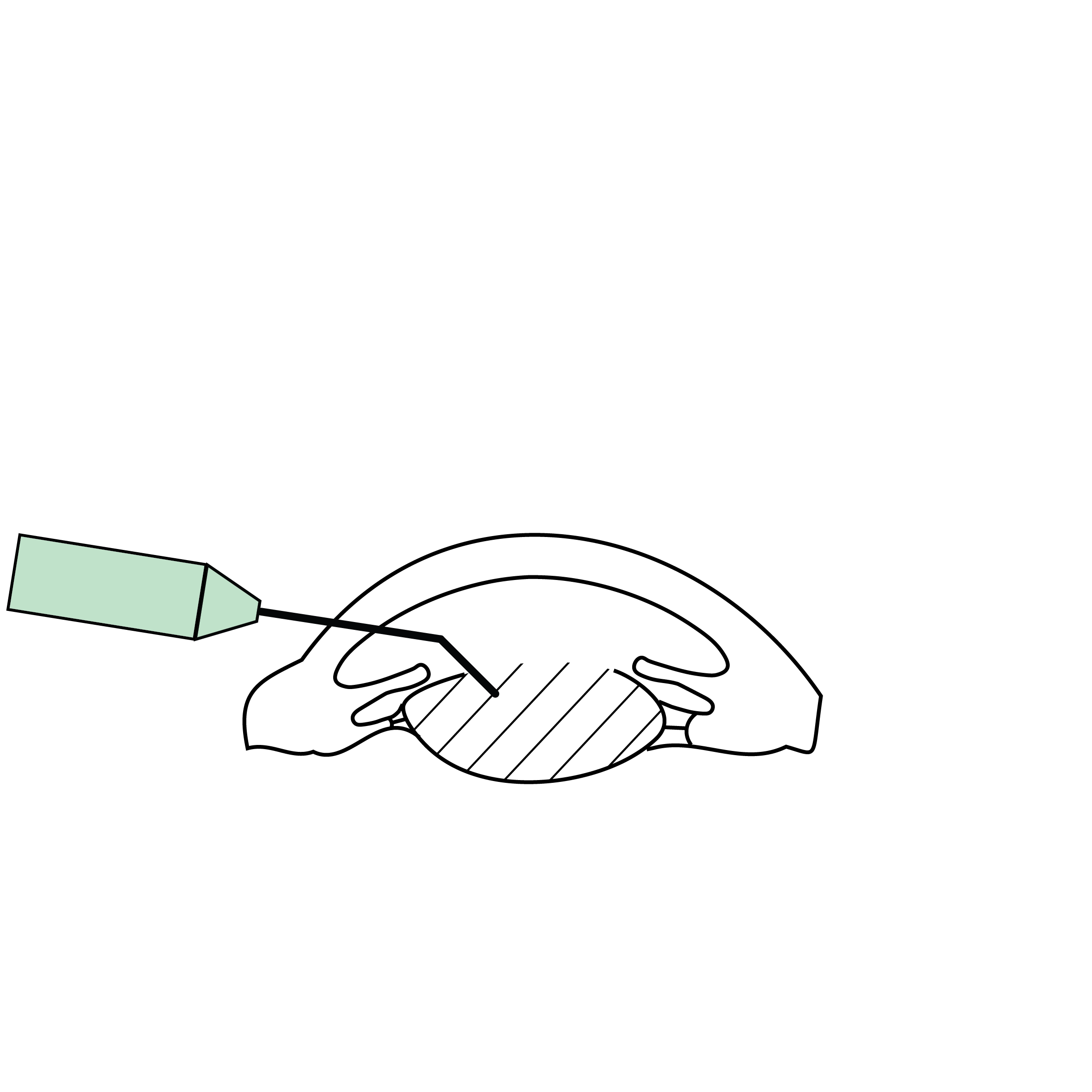
Cataract surgery involves removing the clouded lens and replacing it with a clear artificial lens, called an intraocular implant. This technique, known as phacoemulsification, has become the standard of modern ophthalmic surgery.
The procedure step by step
The operation follows several very precise steps:
- Dilation of the pupil using specific drops to allow access to the lens.
- Local anaesthesia by instilling anaesthetic drops (eye drops); no injection is needed in the vast majority of cases.
- Micro-incision of the cornea (about 2 mm) to reach the lens.
- Fragmentation of the lens using ultrasound (or assisted by a femtosecond laser).
- Aspiration of the fragments of the clouded lens.
- Placement of the intraocular implant in the emptied capsular bag. The implant, usually made of soft acrylic, is inserted folded through the micro-incision and then unfolds into position.
- Spontaneous closure of the incision, which usually requires no sutures.
The operation lasts on average 10 to 15 minutes per eye, is completely painless and is performed on an outpatient basis (no hospital stay). The patient goes home a few hours later, accompanied by a relative.
The different types of intraocular implants
Choosing the implant is a decisive step, as it will determine your quality of vision for years to come. Several options exist and the decision is made together with your ophthalmologist based on your eye, your lifestyle and your visual expectations. To learn more about the available options, see our detailed page on premium pseudophakic intraocular lenses.
Monofocal implants
These are the most common implants, some of them covered by basic insurance. They correct vision at a single distance, usually distance vision. The patient will need glasses to read or for intermediate vision (computer screen). They offer excellent optical quality and very good contrast.
Multifocal implants
These premium implants correct distance, intermediate and near vision at once, often making it possible to do without glasses entirely. They are particularly suited to active patients who no longer wish to depend on correction. In return, they can cause light halos at night in some patients. They are not suitable for every eye and require a thorough preoperative assessment.
Extended depth of focus (EDOF) implants
EDOF implants provide continuous vision from distance to intermediate, with fewer night-time side effects than multifocal implants. They are a good compromise for patients wishing to reduce their dependence on glasses without experiencing light halos. Discover the detailed features on the page dedicated to Dr Hammer's premium implants.
Toric implants
Specially designed for astigmatic patients, they correct corneal astigmatism in addition to the cataract. They can be monofocal, multifocal or EDOF depending on the patient's needs.
Refractive cataract surgery
When cataract surgery is combined with a refractive goal, that is, the aim of minimising dependence on glasses, it is referred to as refractive crataract surgery. This personalised approach combines premium implants and, if necessary, a touch-up with corneal laser. For younger patients who are not eligible for cataract surgery but wish to correct a high refractive error, refractive alternatives also exist, such as implantable contact lenses (ICL/IPCL) or SMILE laser surgery or LASIK.
Before surgery: the consultation and preoperative assessment
A thorough preoperative evaluation is essential before any operation. During this consultation, your ophthalmologist carries out several examinations: measurement of visual acuity, biomicroscopic examination of the lens, ocular biometry (precise calculation of the power of the implant to be placed), corneal tomography and aberrometry, examination of the fundus and macular OCT to ensure the absence of other pathologies.
This is also when you will discuss with the surgeon the type of implant best suited to your case, the expected benefits, the possible risks and the detailed quote. If you wear contact lenses, you will be asked to remove them several days before the measurements so as not to distort the calculations. To benefit from a complete assessment carried out by an FMH specialist expert in corneal, cataract and refractive surgery, you can book an appointment directly with Dr Arthur Hammer in Lausanne.
During and after the operation: what you need to know
The day of the procedure
You arrive at the clinic on an empty stomach. A nurse instils drops to dilate the pupil and prepare the eye. The operation itself lasts about fifteen minutes. You remain under observation for 30-60 minutes (or longer if necessary) before going home, ideally accompanied by a relative.
Returning home
A transparent protective shield is placed over the operated eye at night during the first week to avoid any involuntary rubbing during sleep. You leave with a prescription for eye drops to be instilled several times a day for four weeks: two anti-inflammatory and antibiotic drops to prevent infection and calm postoperative inflammation.
Essential postoperative recommendations
To promote optimal healing and prevent any complications, certain rules must be strictly followed:
- Never rub or touch the operated eye, even if it itches
- Always wash your hands before instilling the drops
- Use clean single-use tissues or compresses to wipe the eye
- Keep the protective shield on at night during the first week
- Do not drive for at least the first 24 to 48 hours, until your ophthalmologist confirms your ability to drive
- Avoid for at least 4 weeks: sport, swimming pool, sea, steam room, hairdryer, eye make-up, and any immersion of the head under water
Visual recovery
Visual improvement is generally rapid and dramatic: moderate vision as early as the next day and very good vision after a few days. Complete stabilisation can take up to a few weeks, the time needed for the eye to heal completely. New glasses (if needed) are prescribed about a month after the procedure.
Medical follow-up
A first check-up is carried out the day after the operation. A second appointment takes place at one week, then one month and three months afterwards. This follow-up makes it possible to check that healing is progressing well and to detect any complication early.
Possible complications: a very low risk
Cataract surgery is today one of the safest procedures in surgery. Serious complications are extremely rare (in the order of 1 in 1000), but should be known: eye infection (endophthalmitis), intraocular inflammation, macular oedema, retinal detachment, or rupture of the posterior capsule during the operation. The vast majority of these complications, when they occur, are successfully managed.
In some cases, cataract surgery can lead to decompensation of the corneal endothelium, particularly in patients with fragile corneas. This complication, called pseudophakic bullous keratopathy, can be treated with an ultra-thin endothelial corneal graft such as DMEK (thin lamellar endothelial keratoplasty), a particular area of expertise of Dr Arthur Hammer.
Secondary cataract
More common (10 to 20% of cases), secondary cataract corresponds to a clouding of the posterior capsule of the lens that occurs months or years after the operation. It is treated very simply, in a few minutes, with a YAG laser treatment, directly in the practice and painlessly. Vision is often restored within the following hours.
When to seek emergency care after surgery?
Certain symptoms should alert you and prompt you to contact your ophthalmologist or an emergency service quickly:
- a sudden drop in vision
- intense redness of the eye
- unusual or persistent pain
- the appearance of black spots or flashes of light in the field of vision
How much does cataract surgery cost in Switzerland?
Cataract surgery is covered by basic insurance (LAMal) in Switzerland for an amount of about 1'900 CHF per eye, less the deductible and the co-payment (10%). This coverage includes the standard procedure and may include a basic monofocal implant.
If you opt for a premium implant (multifocal, toric, extended depth of focus) or a more modern monofocal implant (aspheric), an additional cost payable by you should be expected, not reimbursed by basic insurance. This supplement varies between clinics and is generally around 300 to 1'500 CHF per eye depending on the type of implant chosen. All options and their specifics are detailed on our page dedicated to premium intraocular lenses. A detailed quote is always provided during the preoperative consultation.
FAQ: frequently asked questions about cataract surgery
At what age is cataract surgery usually performed?
The operation is most often performed after the age of 65, when senile cataract becomes bothersome day to day. However, there is no age limit, neither minimum nor maximum. The procedure can be performed on very elderly patients in good general health, as well as on young adults with early cataract linked to a metabolic disease, trauma or medical treatment. The decisive criterion is not age, but the functional impairment experienced and the impact on quality of life.
Is cataract surgery painful?
No, the operation is completely painless. It is performed under local anaesthesia, often requiring only simple eye drops, and the patient feels no pain during the procedure. At most a slight sensation of pressure or bright light. After the operation, some patients describe a slight gritty or tingling sensation for a few days, which quickly disappears with the prescribed drops.
Can both eyes be operated on the same day?
In theory yes, but as a safety principle, a significant proportion of ophthalmic surgeons in Switzerland do not operate on both eyes the same day. A delay of a few days to a week is generally observed between the two procedures. This allows the recovery of the first eye to be checked, to ensure that no complication has occurred and to adjust the implant calculation for the second eye if needed. In certain specific cases, it may be preferable to operate on both eyes the same day, such as in patients requiring general anaesthesia, to avoid two successive general anaesthetics.
How long does it take to recover normal vision?
Visual recovery is rapid: vision improves as early as the day after the procedure. Good vision is generally regained within a few days, but complete stabilisation takes a few weeks. During this period, vision may fluctuate slightly. If refractive surgery is combined, the adaptation time may be a little longer, as the brain has to get used to the new visual balance, especially with a multifocal implant.
Will I still need glasses after the operation?
This depends essentially on the type of implant chosen. With a classic monofocal implant, glasses will generally be needed for near vision (reading, screen). With a multifocal or EDOF implant, it is often possible to do without glasses in most everyday situations. No implant, however, guarantees total 100% independence from glasses.
What happens if I also need glaucoma surgery or treatment for another condition?
Cataract surgery can perfectly well be combined with other ophthalmic procedures, notably glaucoma surgery or certain procedures on the retina or cornea. This combination is studied on a case-by-case basis by your surgeon according to your pathology. In some cases, operating on the cataract even helps improve the control of glaucoma.
Can I drive after the operation?
Driving is prohibited for at least the first 24 to 48 hours after the procedure. Resumption is then decided by your ophthalmologist at the postoperative check-up, depending on your visual recovery and the vision of the other eye. As long as vision is not sufficiently sharp and stable, driving remains contraindicated.
Can a cataract come back after the operation?
An operated cataract cannot reappear because the lens has been removed. However, in 10 to 20% of cases, a secondary clouding of the posterior capsule (the "pouch" that holds the implant) may occur months or years later: this is secondary cataract. It is treated in a few minutes with a painless YAG laser, without hospitalisation and without pain, and vision is restored and becomes sharp again within a few hours.
Is the operation covered by insurance?
Yes, cataract surgery is covered by basic LAMal insurance in Switzerland, less the deductible and the co-payment (10%). This coverage includes the standard procedure with certain basic monofocal implants. Premium implants (multifocal, toric, EDOF) and certain modern monofocal implants entail an additional cost payable by the patient, not reimbursed by basic insurance.
What should I do in case of pain or reduced vision after the operation?
Any intense pain, significant redness or sudden drop in vision in the days following the operation must be considered an emergency. You must immediately contact your ophthalmologist or an ophthalmic emergency service. Rapid management makes it possible, in the majority of cases, to resolve the complication without visual sequelae.
In conclusion
Cataract surgery is a rapid, safe and highly effective procedure that transforms patients' lives by restoring clear vision. Thanks to constant technological progress (phacoemulsification, femtosecond lasers, personalised premium implants), the results are excellent today, with rapid recovery and a very low complication rate. If you suspect a cataract or have already been diagnosed with one, feel free to book an appointment with Dr Arthur Hammer, FMH specialist in corneal, cataract and refractive surgery in Lausanne, to discuss the optimal timing of the procedure and the implant options available.
Linked conditions
Related articles
Discover our other articles that might interest you
Book a consultation
Swiss Visio Montchoisi
1006 Lausanne, Switzerland