Corneal transplantation (keratoplasty)
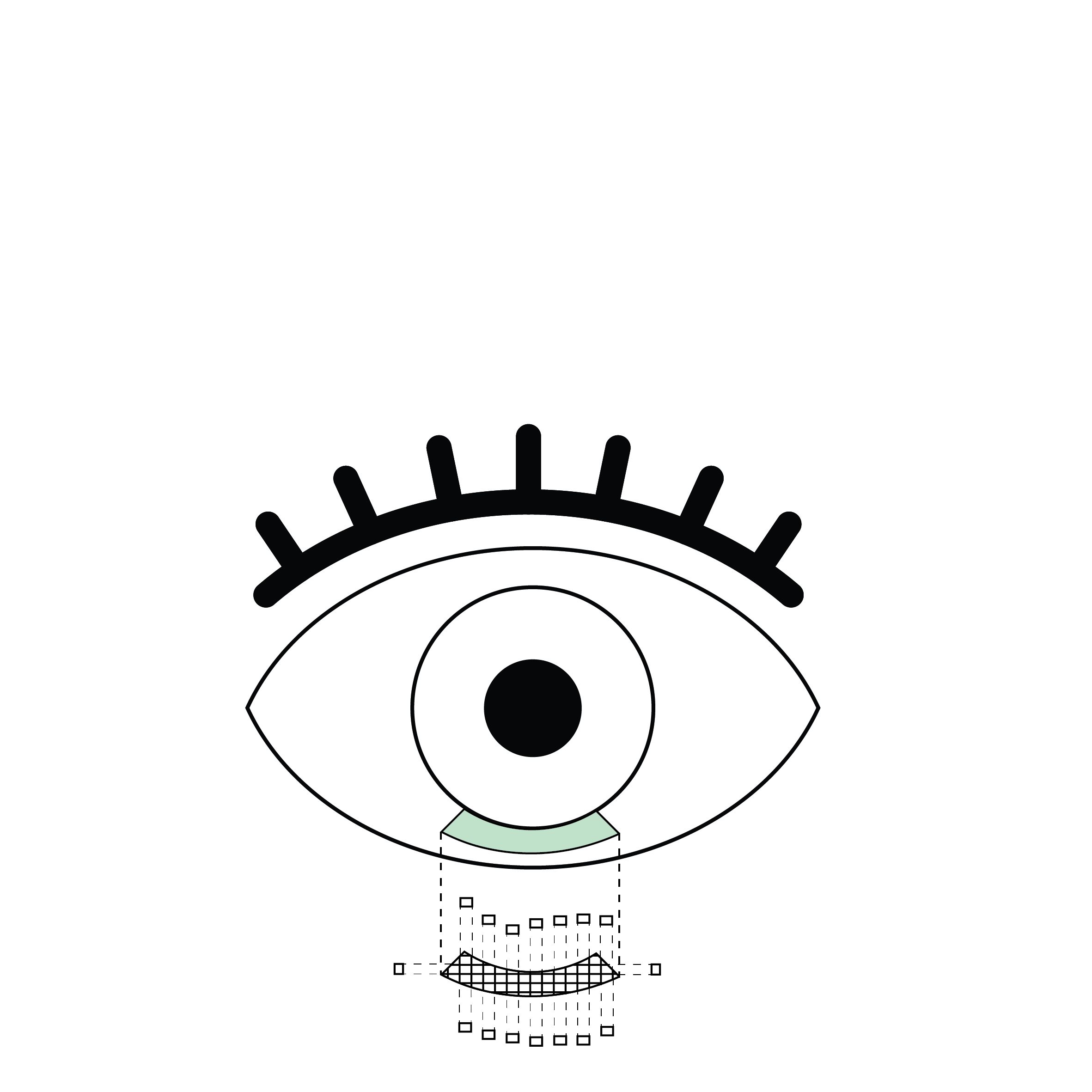
Corneal transplantation is a surgical procedure that involves replacing all or part of a damaged or diseased cornea with healthy donor tissue. It is performed to restore visual clarity, alleviate pain, or improve the aesthetic appearance of the eye.
There are several types of transplant, including full-thickness grafts (Penetrating Keratoplasty) and partial-thickness grafts (Lamellar Keratoplasty). While the procedure is generally well tolerated, it requires long-term, regular follow-up to monitor for complications such as graft rejection.


How does it work?
Learn more about the procedure / equipment
What are the different types of corneal transplant?
1. Penetrating Keratoplasty (PKP)
This is a full-thickness replacement of the cornea. It is indicated when there is a significant loss of transparency affecting all corneal layers.
2. Anterior Lamellar Keratoplasty
These procedures replace the front layers of the cornea while preserving the deepest layers.
- DALK (Deep Anterior Lamellar Keratoplasty): Preserves the patient's own Descemet's membrane and endothelium. It is primarily used to treat conditions such as keratoconus.
- SALK (Superficial Anterior Lamellar Keratoplasty): A more superficial graft used to rebuild the ocular surface, often as part of complex reconstruction plans such as SLET.
3. Endothelial Lamellar Keratoplasty
These involve replacing only the innermost layer (the endothelium), which regulates corneal fluid to maintain transparency. These are indicated for endothelial dystrophies or decompensation that causes corneal swelling, known as oedema.
- DMEK (Descemet Membrane Endothelial Keratoplasty): An ultra-thin graft consisting only of Descemet's membrane and endothelial cells. It offers rapid recovery, superior optical results, and a very low risk of rejection.
- DSAEK (Descemet Stripping Automated Endothelial Keratoplasty): A thin posterior lamella graft. While easier to handle surgically than DMEK, it typically results in a slightly thicker profile and a marginally higher rejection risk.
- DSO/DWEK (Descemetorhexis Without Endothelial Keratoplasty): A newer alternative where a small central area of diseased endothelium is removed without a graft, allowing healthy cells to migrate inwards. Recovery is slower and may require a "backup" transplant if the cells fail to clear the oedema.
- DLEK (Deep Lamellar Endothelial Keratoplasty): A historical precursor to modern methods. Due to its complexity, it is now rarely used except in specific cases requiring the excision of deep stromal scars.
4. Other Specialist Grafts
SLET (Simple Limbal Epithelial Transplantation): Used for patients with limbal stem cell deficiency, which causes an unstable and irregular ocular surface.
How is the procedure performed?
The operation is typically performed under local anaesthesia (common for DMEK, DSAEK, and DSO) or general anaesthesia (often preferred for PKP and DALK). The choice depends on the complexity of the case and the patient’s preference.
- PKP and DALK: The graft is carefully positioned and secured with microscopic sutures (stitches).
- DMEK and DSAEK: The graft is held in place by an air or gas bubble rather than stitches. Patients may be asked to lie flat for a period following surgery to ensure the bubble remains in position.
Recovery Timelines:
- Endothelial transplants (DMEK/DSAEK): Visual recovery takes a few days to a few weeks. DMEK generally offers a swifter recovery and superior visual outcomes compared to DSAEK.
- Full-thickness (PKP) or Deep Anterior (DALK): Recovery is more gradual, often taking several months for vision to stabilise.
Post-operative care and follow-up
Following surgery, a regimen of antibiotic, anti-inflammatory, and steroid (immunosuppressive) eye drops is prescribed to prevent infection and graft rejection.
Signs of Rejection: You must contact your specialist immediately if you experience the "RSVP" symptoms:
- Redness
- Sensitivity to light
- Vision decrease
- Pain
Regular follow-up appointments are essential to monitor the health of the graft and detect any early signs of complication.
Les différentes types de greffes
Découvrez les kératoplasties (= greffes de cornée)







Frequently asked questions
If you have any further questions, please do not hesitate to contact us!
Linked procedures
Discover other related surgical topics


Linked conditions
Book a consultation
Swiss Visio Montchoisi
1006 Lausanne, Switzerland