Premium intraocular lenses (IOLs)
Premium intraocular lenses (IOLs) are high-quality implants designed to correct vision at various distances and reduce reliance on glasses. They provide pseudo-accommodation to compensate for the loss of accommodation associated with presbyopia, or cataracts , or clear lens extraction.


How does it work?
Learn more about the procedure / equipment
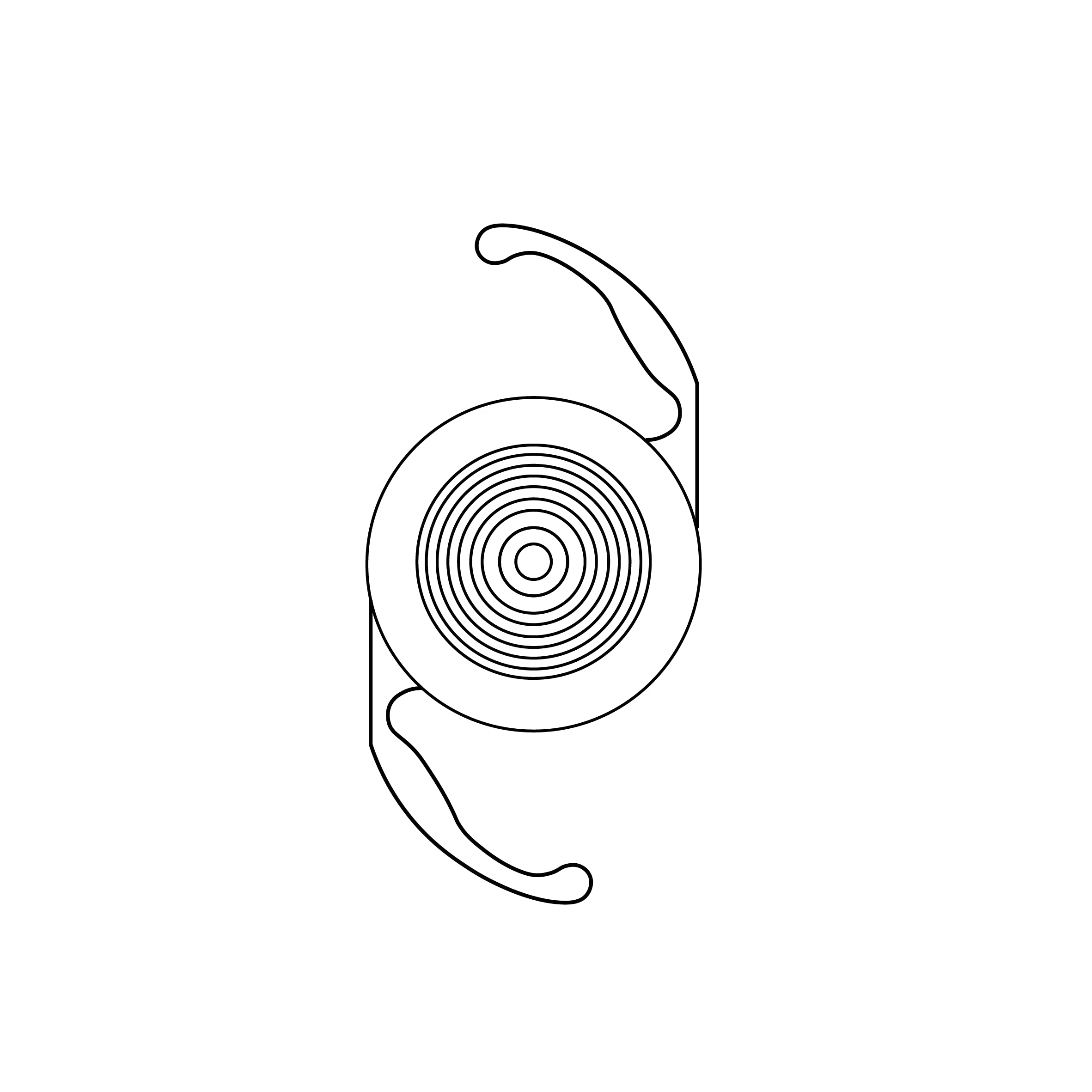
Multifocal IOL with concentric rings that diffract light to distribute it across various focal points, enabling glasses-free vision for distance, intermediate, and near.
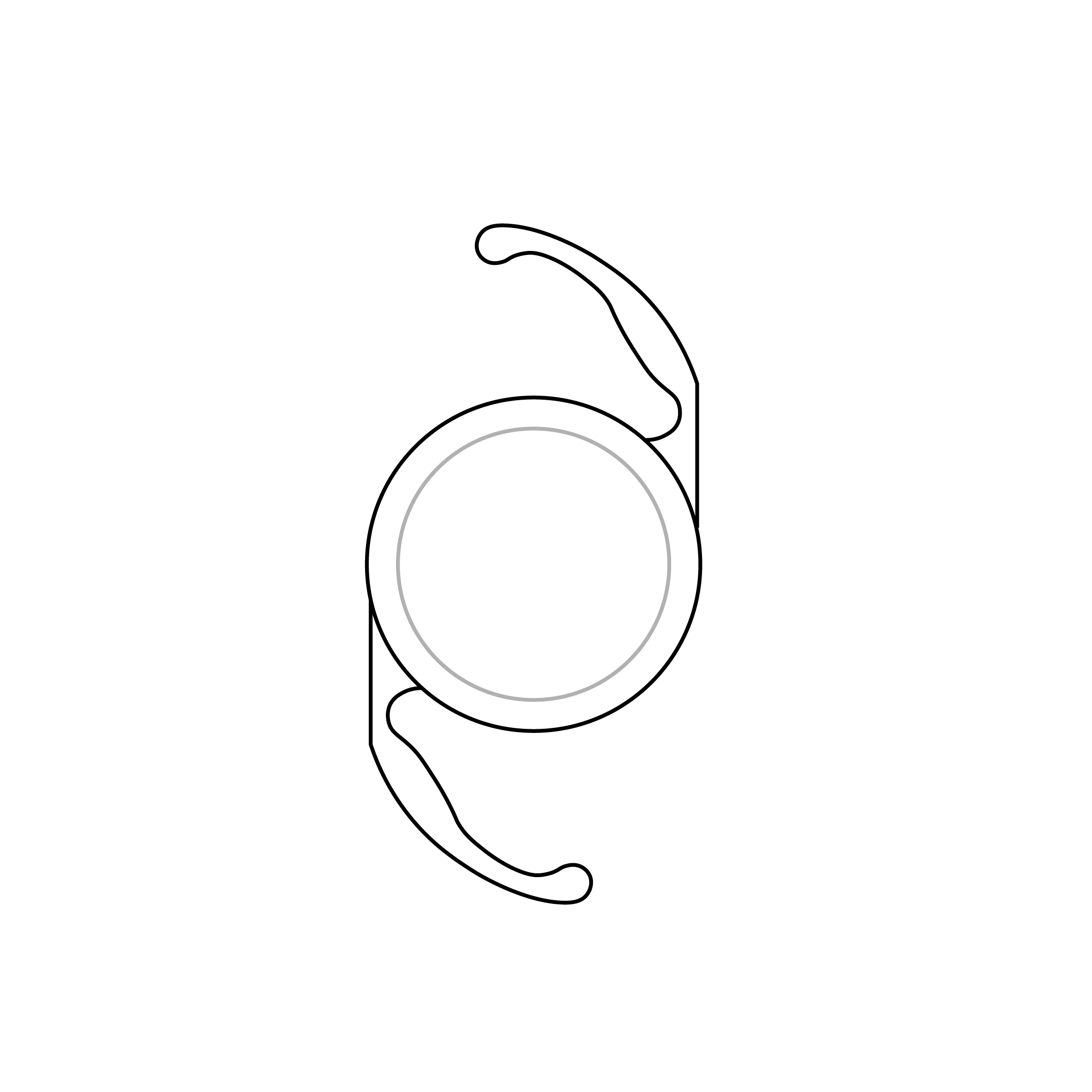
EDOF IOLs (Extended Depth of Focus) providing continuous vision from distance to intermediate. Using the "mini-monovision" technique, EDOF IOLs allow for functional vision from distance to near, generally without the optical aberrations seen with multifocal IOLs.
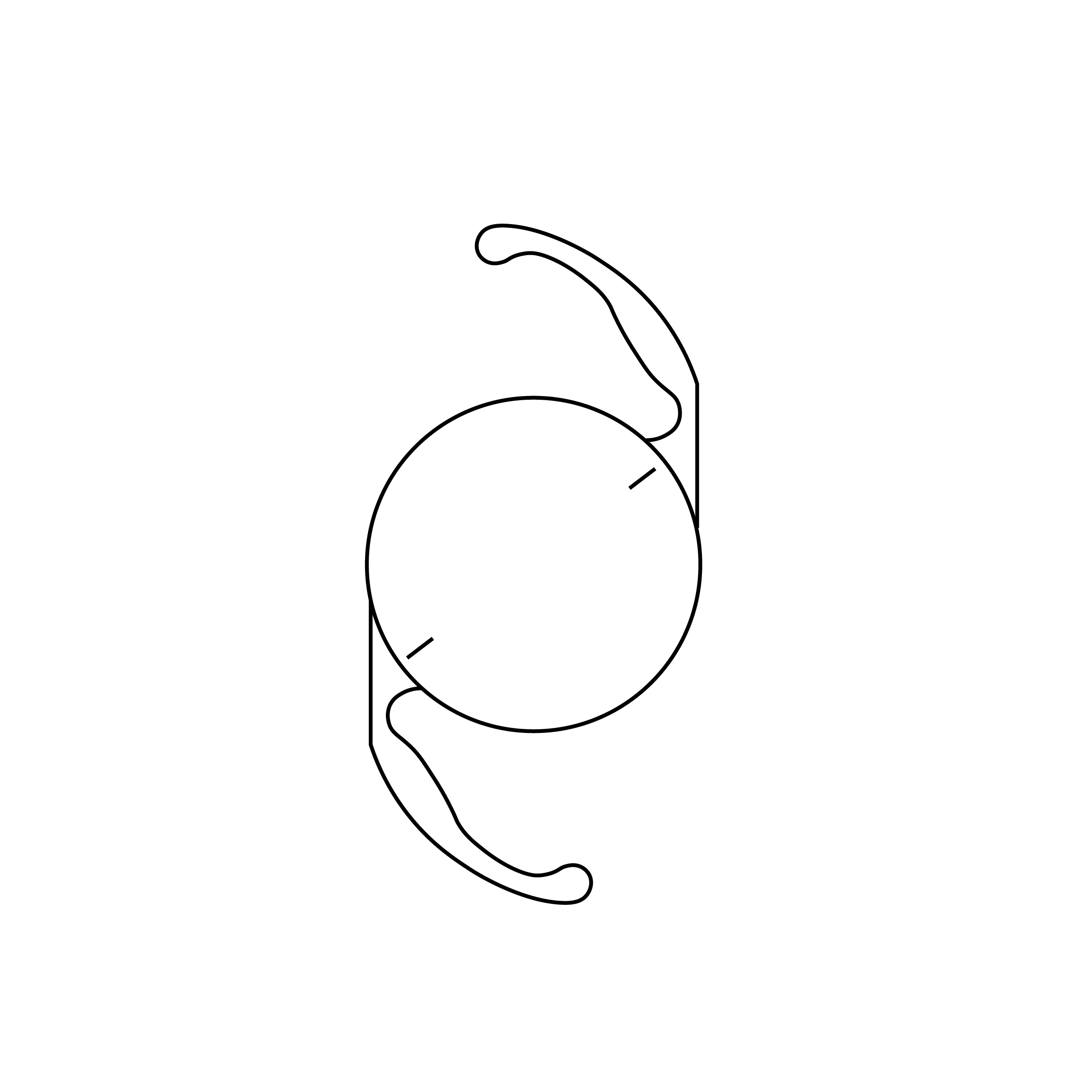
Different types of IOLs are also available in toric versions to correct astigmatism, a key factor in optimizing visual quality. This is an essential feature for premium IOLs, which are very sensitive to residual astigmatism.
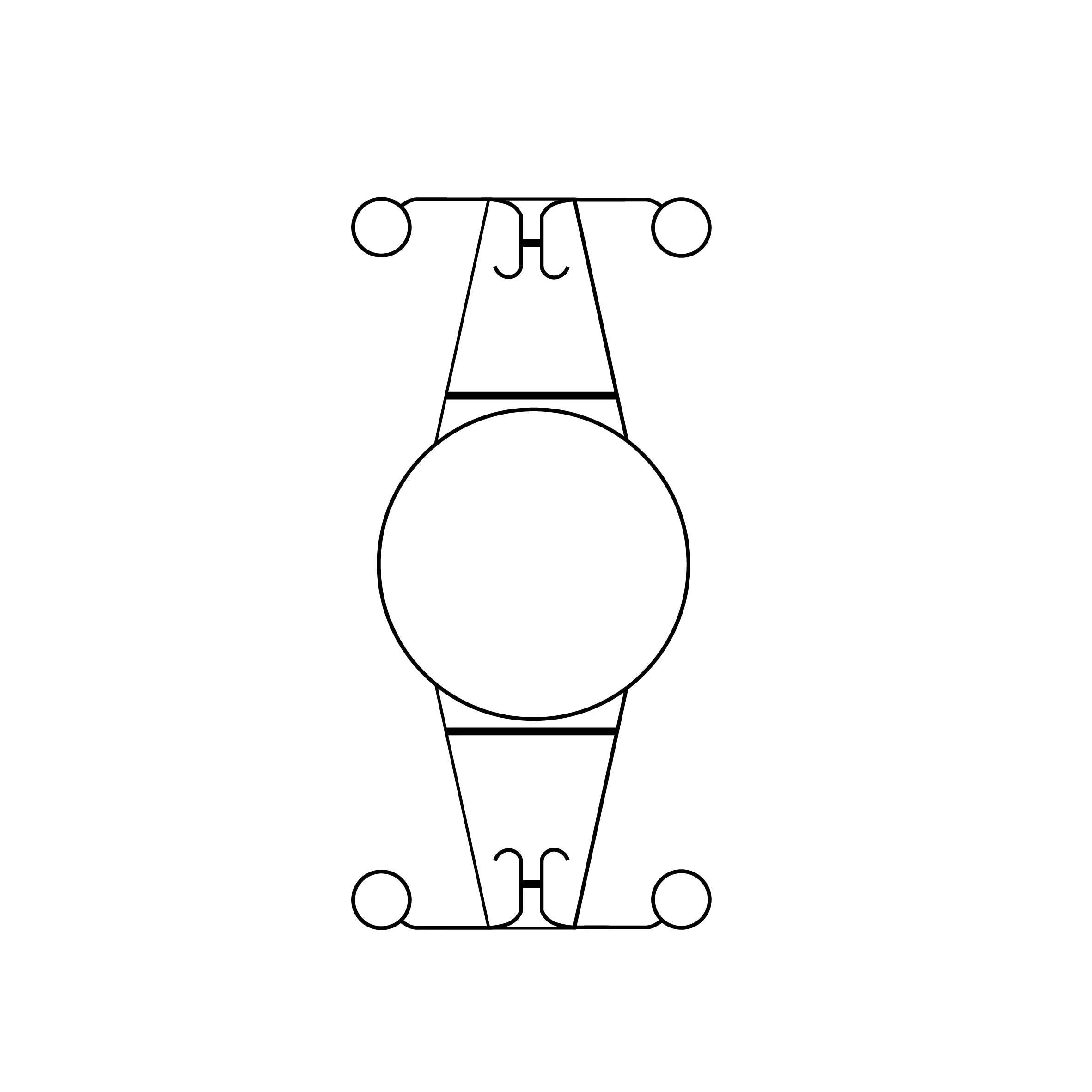
Accommodative IOLs aim to restore true accommodation, but to date, none has demonstrated conclusive efficacy. They nevertheless represent a promising avenue for the future of premium IOLs, in contrast to the pseudo-accommodation currently used.
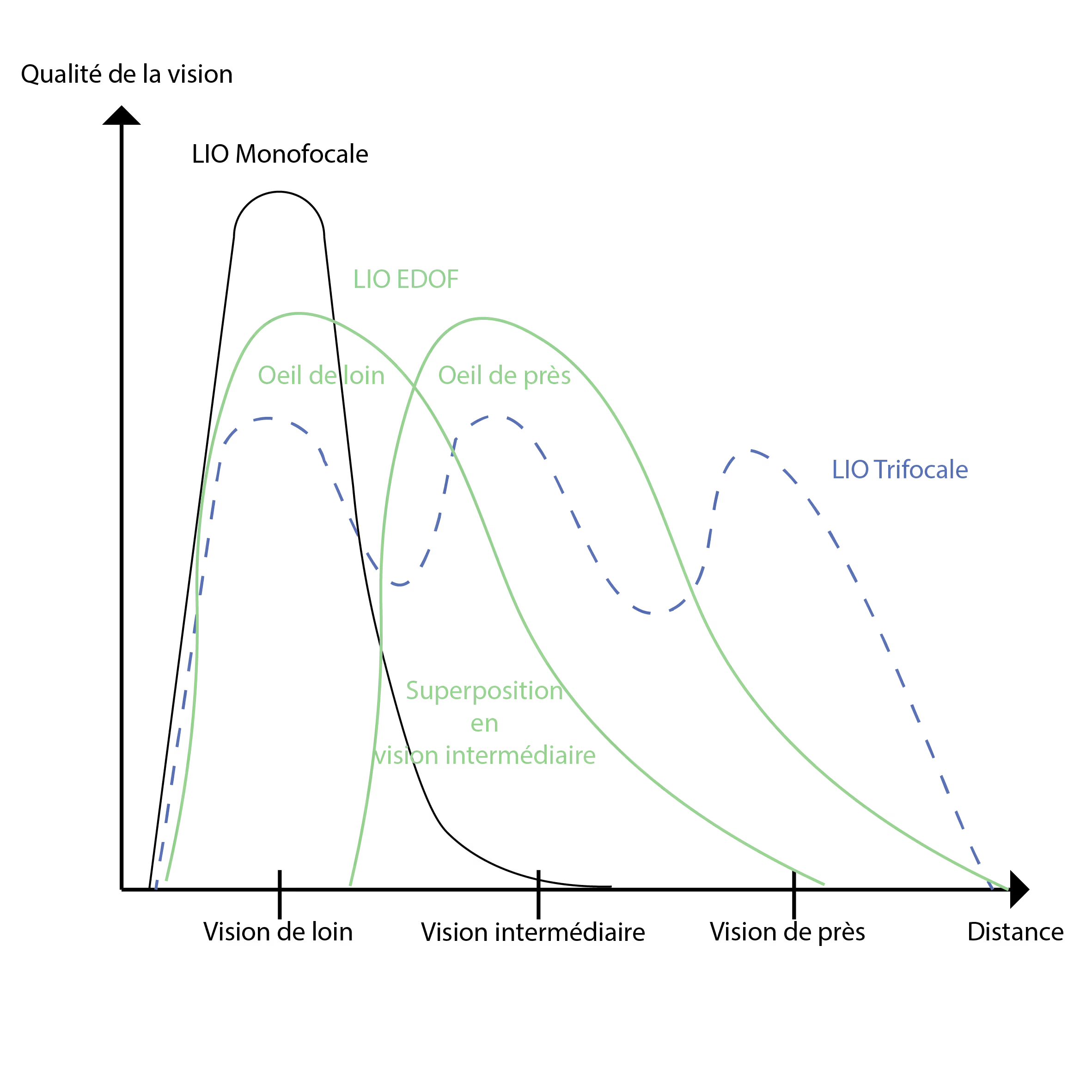
Depth of field by IOL type:
- Monofocal : sharpness at a single distance (far, intermediate, or near)
- Multifocal : three distinct simultaneous peaks (far, intermediate, and near)
- EDOF : Continuous vision from far to intermediate and up to near vision with the "mini-monovision" technique.

Possible visual aberrations. From left to right:
- Light source seen by one eye without aberrations
- Glare (diffuse glare)
- Halos luminous (rings)
- Starbursts (star bursts)
Aberrations are less common with EDOF than multifocal IOLs.
What are the main types of premium IOLs?
- Multifocal IOLs: They offer clear vision at multiple distances (near, intermediate, and far), reducing the need for glasses.
- Extended Depth of Focus (EDOF) IOLs: They provide seamless vision from far to intermediate distances, with fewer side effects than multifocal IOLs.
- Toric IOLs: Designed to correct astigmatism in addition to cataracts, offering more precise vision. Monofocal, multifocal, and EDOF IOLs are available in toric and non-toric formats. The choice depends on the specific corneal astigmatism of each eye.
- Accommodative IOLs: Aim to restore true accommodation, but to date, none have demonstrated conclusive efficacy. However, they represent a promising avenue for the future of premium IOLs, contrasting with the pseudo-accommodation currently in use.
Each type of lens is chosen based on the specific characteristics of each eye, as well as the patient's visual needs and lifestyle.
How do they work? Multifocal IOLs
Most multifocal IOLs work by using a special optical design based on light diffraction to provide clear vision at multiple distances (near, intermediate, and far). They have a series of concentric rings etched onto their surface, which divide and redirect incoming light to different focal points.
Here's how they work:
- Light Diffraction: The diffractive rings distribute light to different focal distances, allowing the eye to simultaneously see near, intermediate, and distant objects.
- Light Distribution: Part of the light is directed towards distance vision, another part towards intermediate vision, and yet another towards near vision, which allows the brain to automatically choose the sharpest image based on the object's distance.
- Visual Side Effects: Light halos, glare, and reduced contrast, more pronounced at night, which result from the optical design of these IOLs.
Diffractive multifocal IOLs offer an effective alternative to glasses after cataract surgery, although they may require an adaptation period for the brain to get used to sharing light between different distances.
How it works? EDOF IOLs
Extended Depth of Focus (EDOF) IOLs work by expanding the eye's range of focus, providing clear vision from distance to intermediate while minimizing the side effects associated with multifocal IOLs.
Here's how they work:
- Extended Focus: Unlike multifocal IOLs, which create several distinct focal points, EDOF IOLs use advanced optical technology to extend a single focal point, allowing for a smooth transition between different viewing distances.
- Enhanced Intermediate Vision: Ideal for activities such as computer use and driving, they provide quality intermediate vision with good visual comfort.
- Mini-monovision for Reading: To reduce the need for reading glasses, a technique called mini-monovision is often used. This involves slightly adjusting the correction of one eye for distance to intermediate vision and the other for intermediate to near vision, while maintaining comfortable binocular function and thus increasing visual independence.
- Fewer Side Effects: Thanks to their advanced optical design, EDOF IOLs generate fewer halos and less nighttime glare, and provide better contrast than multifocal IOLs, offering more natural vision in various lighting conditions.
Thanks to these characteristics, EDOF IOLs offer an effective solution for patients seeking good vision at various distances with reduced dependence on glasses, generally without the optical aberrations observed with multifocal IOLs. Reading, meanwhile, is generally satisfactory without glasses thanks to the "mini-monovision" technique.
Les différentes types de greffes
Découvrez les kératoplasties (= greffes de cornée)
Frequently asked questions
If you have any further questions, please do not hesitate to contact us!
What is a pseudophakic intraocular lens?
It is an artificial lens implanted to replace the natural lens after its removal, usually due to cataracts.
What is the lifespan of the intraocular lens?
The lens is designed to last a lifetime and generally does not require replacement.
Can I choose the type of pseudophakic lens to be implanted?
Yes, in consultation with your surgeon, based on the results of your preoperative examination, as well as your visual needs and lifestyle.
Can you feel the pseudophakic lens after its implantation?
No, the lens is placed inside the eye and cannot be felt.
Are there any restrictions after a pseudophakic lens is implanted?
Yes, you should avoid rubbing your eyes, lifting heavy objects, and putting your head underwater for a few weeks.
Is pseudophakic lens implantation covered by insurance?
Cataract surgery is covered by the base medical insurance. However, intraocular lenses may incur additional costs for the patient, which are generally not covered by insurances.
Is the implantation of a pseudophakic intraocular lens painful?
No, the surgery is generally performed under topical or local anesthesia, with sedation if necessary, and is therefore painless. It is also possible to perform it under general anesthesia if the situation requires it.
How long does the procedure take to implant a pseudophakic lens?
The procedure (cataract surgery or clear lens extraction) takes approximately 10 minutes per eye.
What is the recovery time after pseudophakic lens implantation?
Recovery usually takes a few days.
Will I still need to wear glasses after pseudophakic lens implantation?
This depends on the type of lens implanted. The monofocal lenses often require glasses for certain activities, whereas premium lenses can reduce or even eliminate the need for glasses.
When can I resume my normal activities after pseudophakic lens implantation?
Most activities can be resumed after a few days, sometimes even the next day.
Can cataracts return after a pseudophakic lens implantation?
No, but a clouding of the lens capsule can occur and be treated with YAG laser directly in the office in a few minutes and painlessly.
Linked procedures
Discover other related surgical topics



Book a consultation
Swiss Visio Montchoisi
1006 Lausanne, Switzerland