Presbyopia (age-related reading difficulties)
Presbyopia is a difficulty in seeing clearly at close range, which usually occurs around the age of 40 to 45. It is caused by the natural ageing of the crystalline lens, which loses its flexibility and ability to focus; this makes activities such as reading or using a mobile phone more difficult without reading glasses.
As a normal age-related progression, it can be corrected with spectacles or contact lenses. For those seeking a long-term solution, surgical options are available, including laser refractive surgery, implantable contact lenses, clear lens exchange, or cataract surgery.

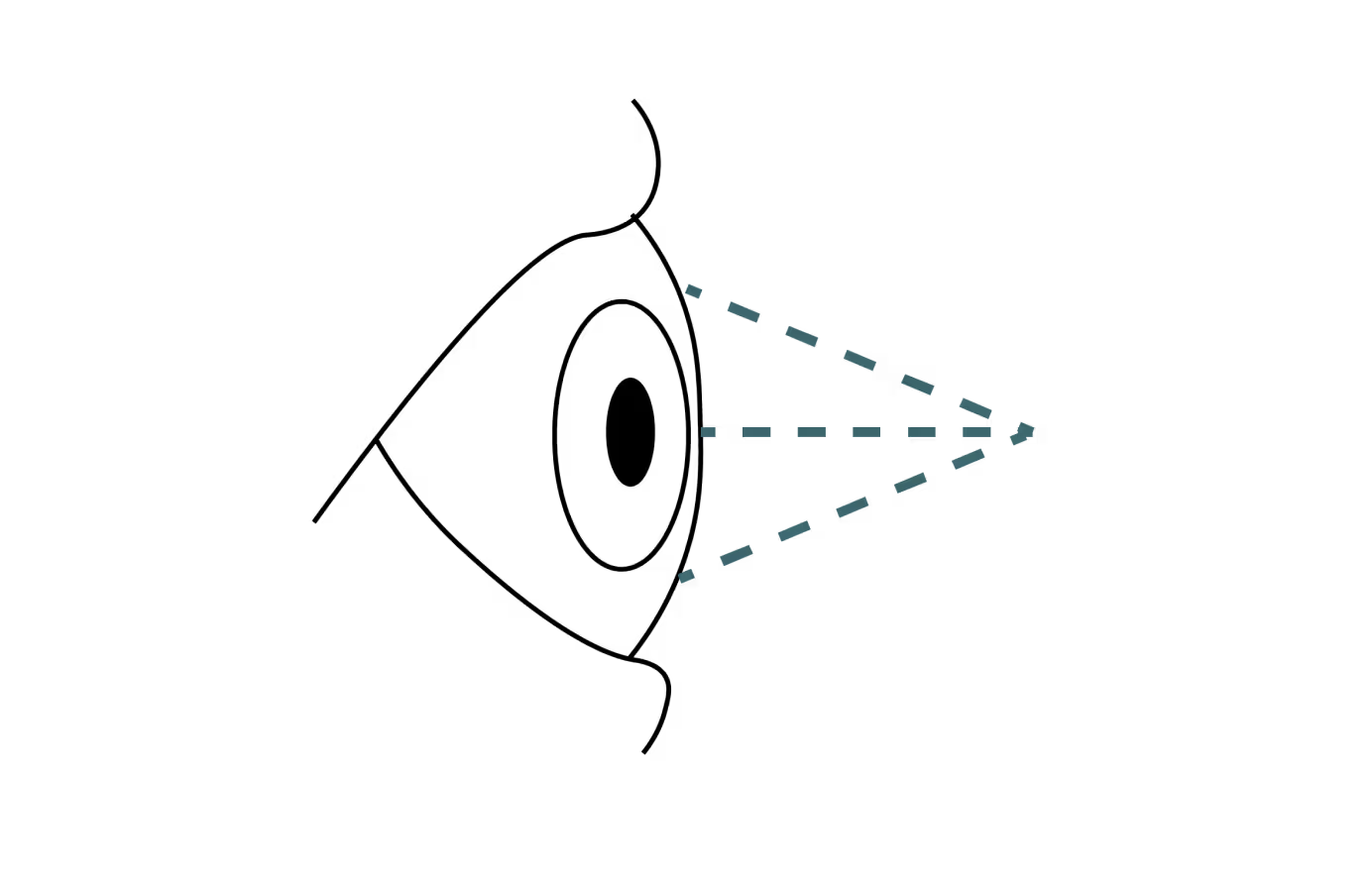
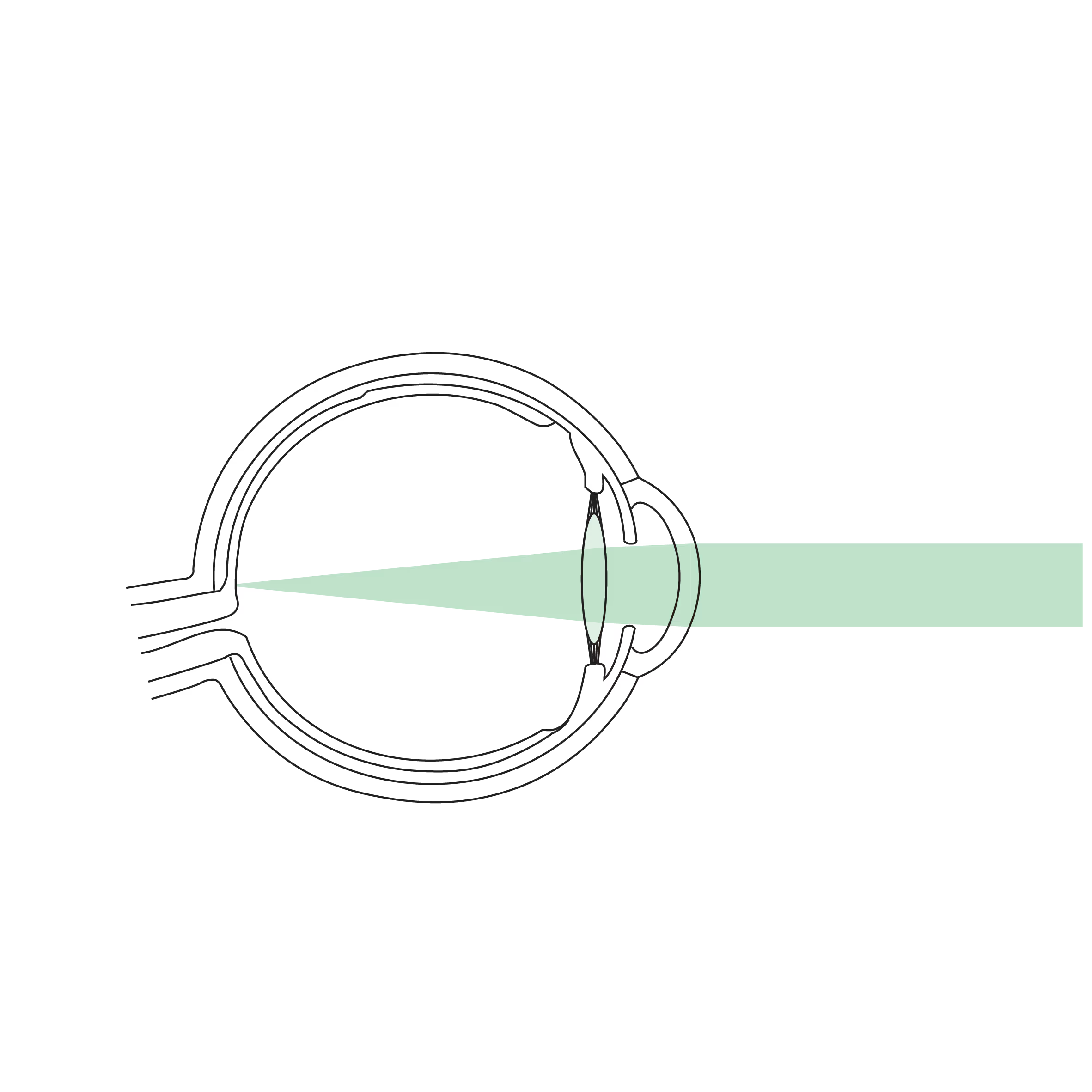
Distant Vision: The lens relaxes and becomes flat, which allows parallel light rays coming fromdistant objects to converge and form a sharp image on the retina.

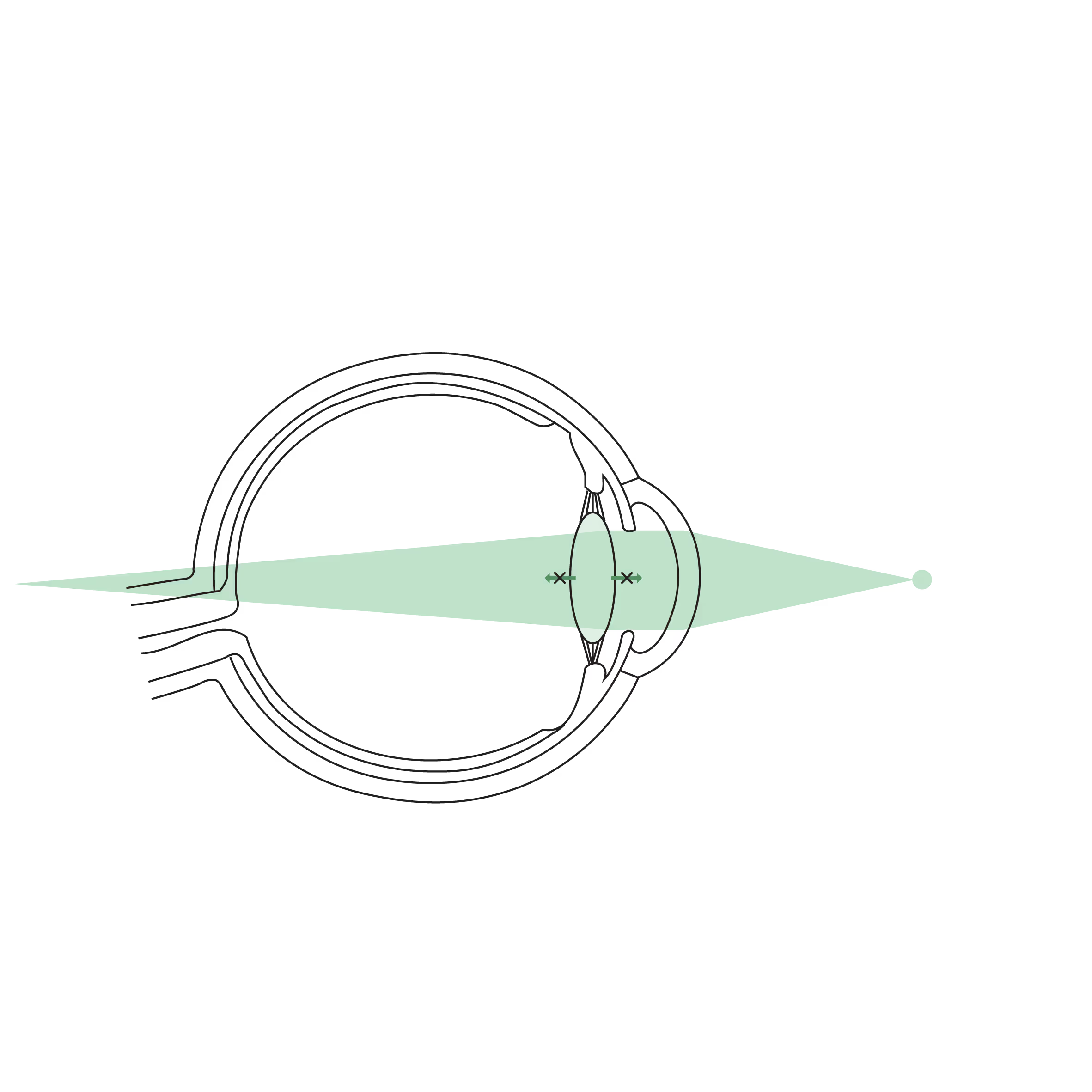
Near vision: the lens contracts and becomes more rounded, increasing its dioptric power so that light rays from nearby objects can converge and form a sharp image on the retina.
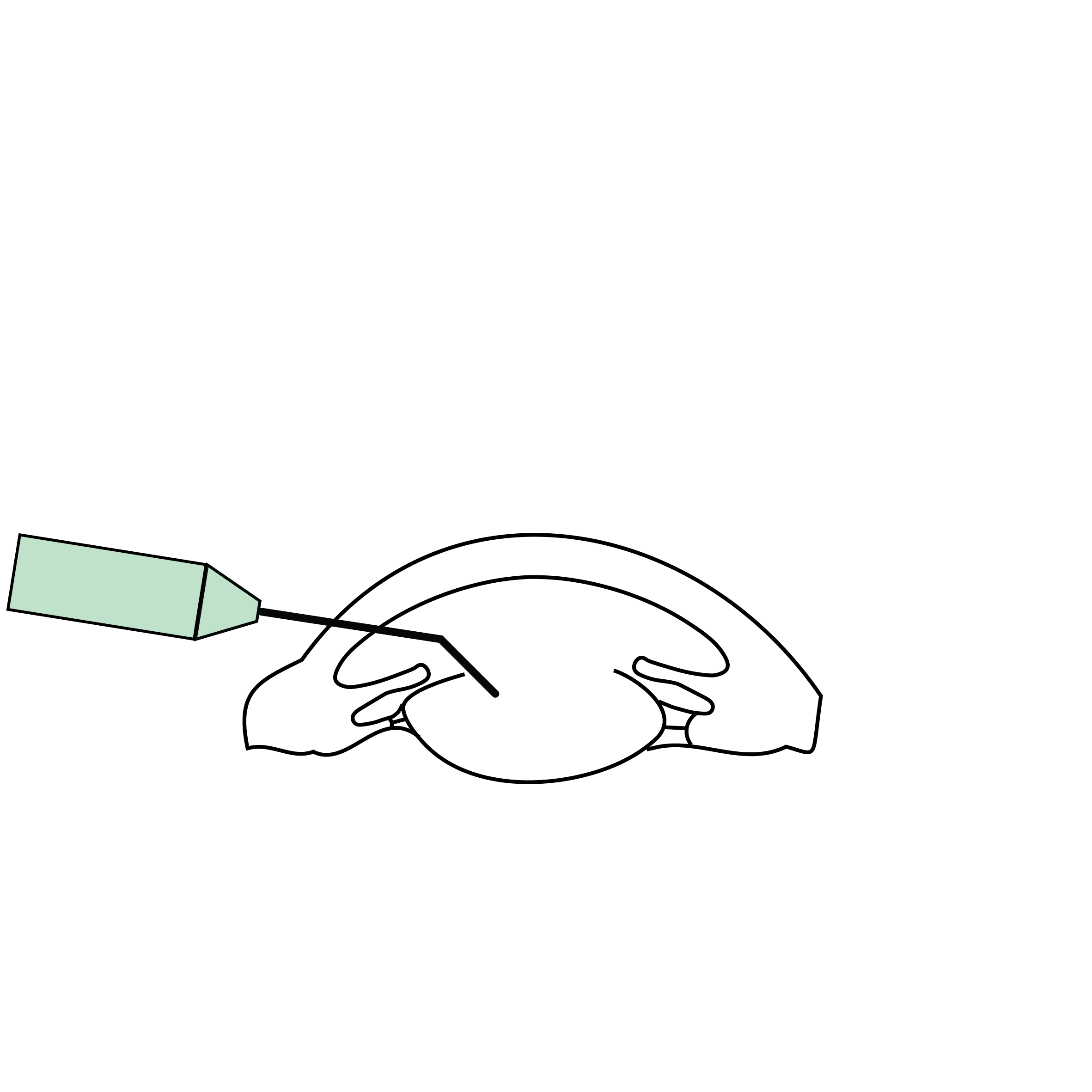
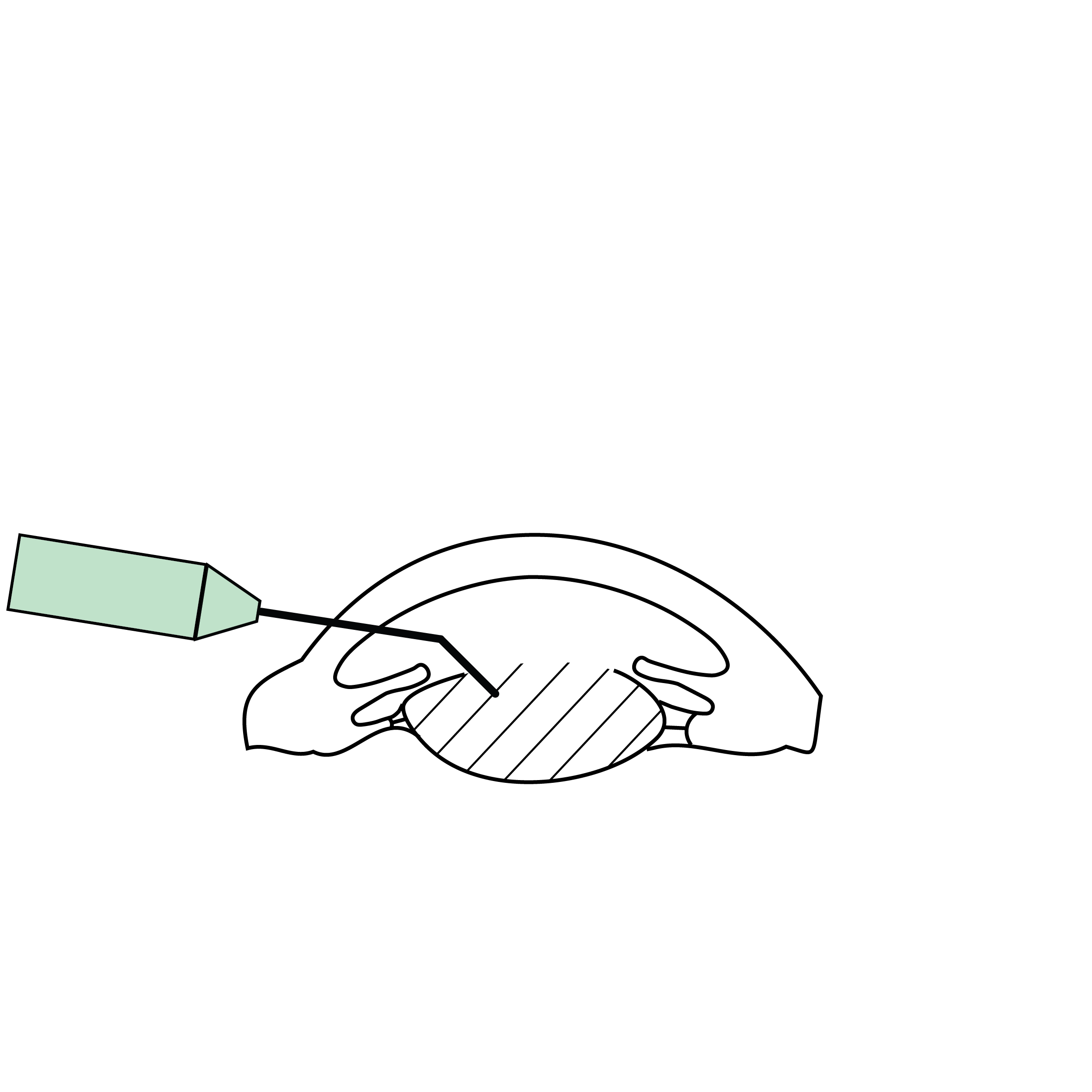
Presbyopia : With age, the lens loses its flexibility and can no longer sufficiently bulge to focus on near objects. This prevents light rays from focusing on the retina and makes near vision blurry.
Presbyopia can be corrected with glasses, contact lenses or refractive surgery.
What is presbyopia?
As we age, our ability to focus on nearby objects decreases; this is known as presbyopia. It generally leads to a decline in near vision that begins around the age of 40-45.
It results from changes to the crystalline lens, the natural lens inside the eye hardens over time. This loss of flexibility reduces the lens's ability to increase the dioptric power necessary for near tasks. As we spend much of our lives reading on mobile phones, tablets, and computer screens, the reliance on reading glasses can become a significant inconvenience.
What are the symptoms?
The decline in the eye's ability to accommodate begins early in life, but symptoms usually become noticeable when reading at close range becomes difficult, often requiring documents to be held at arm's length.
Common symptoms include:
- The need to hold reading material further away to see it clearly.
- Eye strain or headaches after prolonged periods of reading.
- Frequent difficulty in adjusting focus between distances.
- A noticeable deterioration in near vision.
What are the causes of presbyopia?
Unlike long-sightedness (hypermetropia), which is a refractive error that can blur vision at all distances, presbyopia specifically affects near vision.
In our youth, the lens is highly flexible, making it easy to adjust its shape for clear vision. To see up close, the lens increases its "roundness" and power, an automatic adjustment called accommodation. As the lens hardens with age, this process becomes increasingly difficult, resulting in blurred near vision.
What are the treatment options?
There is currently no treatment to slow the progression of presbyopia; however, several options can compensate for its effects.
Non-surgical options
- Reading spectacles: These use positive power (+) to magnify near text.
- Varifocals (Progressive lenses): These allow for clear vision at all distances (distance, intermediate, and near) within a single lens.
- Myopia compensation: Short-sighted patients may find they can see clearly up close simply by removing their distance glasses or contact lenses.
Surgical options
Advances over the last two decades provide several long-term solutions. The most suitable method depends on your degree of presbyopia and overall eye health.
- PresbyLASIK: A corneal laser procedure that extends the depth of field. Typically, one eye is corrected for distance-to-intermediate vision and the other for intermediate-to-near, allowing the brain to maintain clear binocular vision at all ranges.
- Implantable contact lenses (ICL/IPCL): Artificial lenses inserted into the eye without removing the natural lens. These can correct presbyopia alongside myopia, hypermetropia and astigmatism.
- Refractive Lens Exchange (RLE): Similar to cataract surgery, this involves replacing the hardened natural lens with a premium intraocular implant (such as EDOF or trifocal lenses) to provide a full range of vision and eliminate the future need for cataract surgery.
Linked conditions
%20(1).png)
.avif)
Les questions fréquentes
Si vous avez d'autres questions n'hésitez pas à nous contacter !
Book a consultation
Swiss Visio Montchoisi
1006 Lausanne, Switzerland