Refractive lens exchange (RLE)
Clear lens exchange is a surgical procedure that involves removing the eye's natural lens, even if it is still transparent, and replacing it with an artificial intraocular lens. This procedure is often performed to eliminate or reduce reliance on glasses and contact lenses by correcting vision problems such as presbyopia, myopia, hyperopia and astigmatism. The procedure is quick, painless, and provides lasting vision improvement.

How does it work?
Learn more about the procedure / equipment

This illustration shows a complete eye in cross-section, viewed from the side, with a clear lens at the front (the anterior segment).
The eye is shown in a horizontal position, as it would be when standing upright.

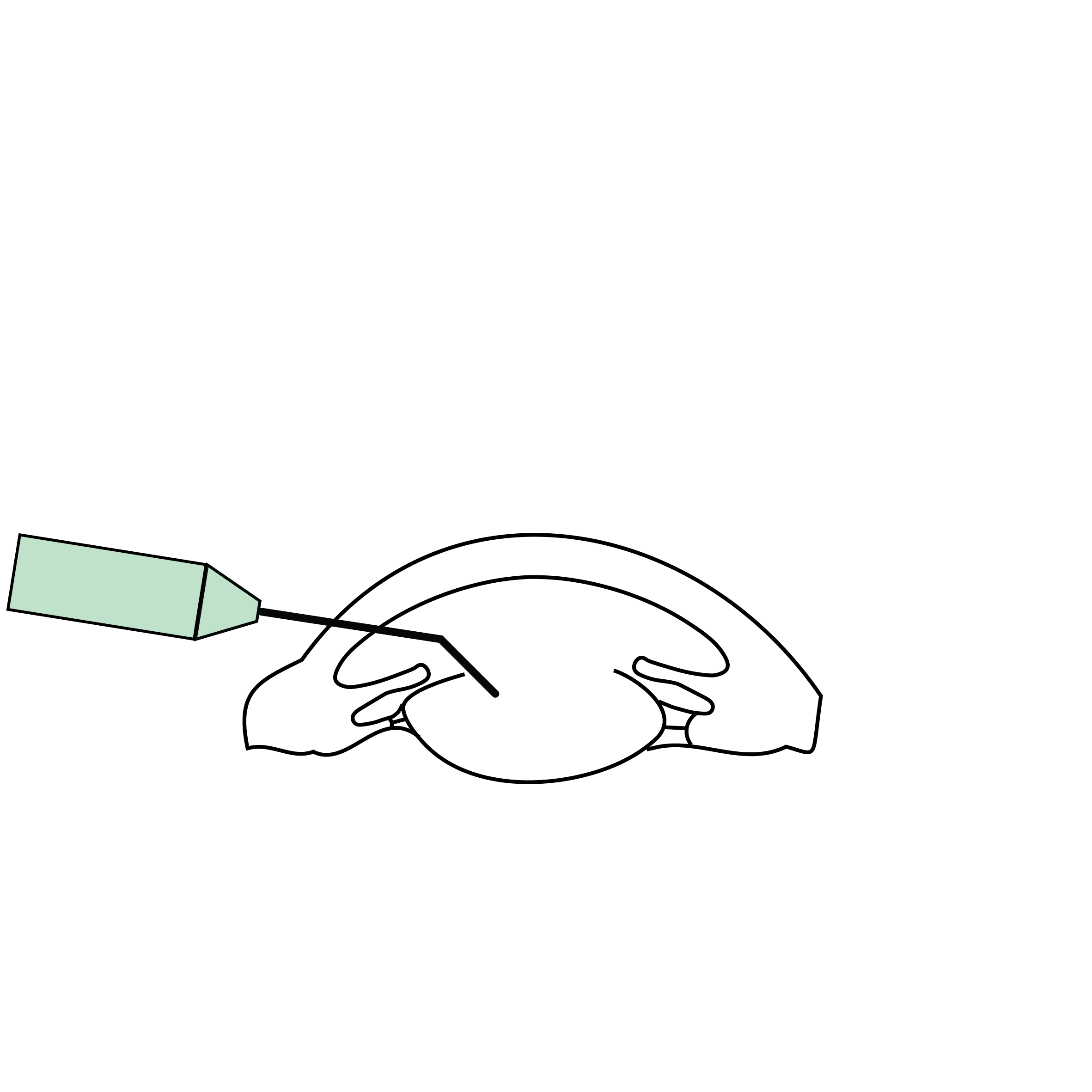
This drawing only shows the anterior segment of the eye, seen in side cross-section. The eye is in a vertical position, as when lying on one's back.
The clear/transparent lens is located behind the iris and in front of the vitreous.
Clear lens extraction, surgically removed through a micro-corneal incision, a preliminary step to implanting an artificial intraocular lens (IOL), known as a "pseudophakic" lens.

pseudophakic intraocular lens (IOL) implanted in the capsular bag, replacing the natural lens. Premium IOLs allow for clear vision at all distances while reducing the need for glasses and contact lenses.
What is clear lens exchange?
Clear lens exchange, also known as clear lens extraction or refractive lens exchange, is an ophthalmological procedure that involves removing the eye's natural lens while it is still transparent and functional, and replacing it with an artificial intraocular lens.
This procedure is primarily performed for refractive purposes, to correct vision defects such as presbyopia, myopia, hyperopia or astigmatism, when other options such as glasses, contact lenses, laser refractive surgery (LASIK, PresbyLASIK, SMILE, PRK) or implantable contact lenses (ICL/IPCL) are not suitable or sufficient.
How is the procedure performed?
The procedure is similar to that performed to treat cataracts, but in the case of clear lens exchange, there is no clouding of the lens.
It is generally performed under local or topical anesthesia (anesthetic eye drops) on an outpatient basis and only takes 10 to 15 minutes per eye.
The technique used is phacoemulsification, which involves fragmenting and aspirating the lens using ultrasound before inserting an artificial intraocular lens (IOL), chosen according to the patient's visual needs:
- Monofocal: correcting vision at a single distance, usually far.
- Premium (multifocal or EDOF): allows simultaneous vision at multiple distances (far, intermediate, near) without glasses.
- Toric: corrects corneal astigmatism. Available in monofocal, EDOF, and multifocal versions.
What are the benefits of this procedure?
Long-term solution: Once implanted, the IOL provides permanent correction with no need for future replacement. It also prevents the subsequent development of cataracts.
Improved quality of life: Clear lens exchange reduces or eliminates dependence on glasses and contact lenses, thereby offering patients greater visual freedom.
Customizable lenses: Patients can choose from a variety of IOLs tailored to their needs, such as multifocal, trifocal, or extended depth of focus (EDOF) lenses, which can also correct astigmatism (toric), making clear lens exchange a versatile option.
Recovery
Recovery is similar to that of cataract surgery although generally faster because it involves a clear lens that is easier to remove with reduced operating time.
Vision is usually clear within days following the procedure, and antibiotic and anti-inflammatory eye drops are prescribed to reduce the risk of complications.
Possible risks and complications
Although cataract surgery is a very safe procedure, some rare complications can occur, such as:
- Weakness of the capsular bag or its supporting fibers (zonules): requiring IOL implantation outside the natural lens capsule, which can be done during cataract surgery or a subsequent procedure.
- Infection (endophthalmitis): risk of approximately 0.08%, characterized by intense pain, significant redness, and sudden vision loss requiring emergency treatment.
- Corneal or macular edema: delaying visual recovery.
- Retinal detachment: more common in patients with high myopia.
What are the adjustment options after surgery?
Implantation of an add-on IOL (or piggyback):
- A secondary intraocular lens is added in front of the existing IOL, in the ciliary sulcus, to refine the correction.
- This solution is reversible and allows for precise refractive adjustment (myopia, hyperopia, astigmatism, presbyopia).
- It is particularly indicated in cases of significant refractive errors or an evolving need for correction.
Laser correction:
- When the IOL is in place and further adjustment is needed, laser corneal refractive surgery (LASIK, SMILE, PRK) is effective.
- Used to correct mild to moderate residual refractive errors (myopia, hyperopia or astigmatism).
- Suitable for patients wishing to reduce their reliance on glasses after surgery.
- A quick, minimally invasive procedure with a short recovery time.
IOL explantation and replacement:
- In cases of major refractive error or intolerance to the initial lens, the IOL can be removed and replaced with a more suitable lens.
- This is a more invasive procedure, generally considered as a last resort.
Les différentes types de greffes
Découvrez les kératoplasties (= greffes de cornée)
Frequently asked questions
If you have any further questions, please do not hesitate to contact us!
Is clear lens exchange surgery painful?
No, the procedure is performed under local or topical anesthesia (anesthetic eye drops), which makes it painless, with sedation available if necessary. You might experience slight discomfort after the operation.
What is the recovery time after a clear lens exchange?
Initial recovery typically takes a few days, with clear vision often achieved as early as the day after the procedure.
When can I resume my daily activities after a clear lens exchange?
Most light activities can be resumed the next day, but it is recommended to avoid intense physical exertion and makeup for at least one to two weeks, and to avoid submerging your head underwater for 4 weeks.
Will I need glasses after a clear lens exchange?
This depends on the type of lens implanted. Multifocal or EDOF lenses can reduce or eliminate the need for glasses, but some specific activities may still require additional optical correction.
How long does the intraocular lens implant last after clear lens exchange?
The intraocular lens is designed to last a lifetime and generally does not require replacement.
Is there a risk of developing a cataract after a clear lens exchange?
No, cataracts cannot develop on the artificial lens, which prevents any future surgery for this condition.
Is clear lens exchange covered by insurance?
In most cases, refractive clear lens exchange is not covered by insurance, as it is considered an elective procedure. However, it is recommended to check with your supplemental insurance provider.
Is vision immediately improved after a clear lens exchange?
Improvements are often noticeable from day one, but it may take longer for optimal vision to stabilize.
Is it possible to operate on both eyes at the same time during a clear lens exchange?
Generally, surgeons prefer to operate on one eye at a time, with a few days or weeks in between, to ensure optimal recovery. However, it is possible to operate on both eyes on the same day if that is your preference.
Are there any dietary restrictions after a clear lens exchange?
No specific dietary restrictions, but it is recommended to maintain a healthy and balanced diet with adequate hydration to aid recovery.
What should you do in case of discomfort or pain after a clear lens exchange?
Some mild discomfort is normal, but in case of significant pain, redness, or decreased vision, it is imperative to immediately consult your surgeon or the nearest ophthalmic emergency department.
Can I drive after a clear lens exchange?
It is advisable to wait until your vision is stable and confirmed by your ophthalmologist before resuming driving, which is often within the first few days after the procedure.
How to choose the most suitable intraocular lens for a clear lens exchange?
The choice depends on your lifestyle, your visual needs, and your surgeon's recommendations, who will propose the most suitable options for you (monofocal, multifocal, or EDOF IOLs).
Can the operated eye be corrected if my vision changes after a clear lens exchange?
Adjustments can be made with glasses, laser correction, or an additional intraocular implant if necessary.
Linked procedures
Discover other related surgical topics




Book a consultation
Swiss Visio Montchoisi
1006 Lausanne, Switzerland