SMILE, LASIK or PRK: the comparison to choose well
LASIK, SMILE and PRK all correct myopia and astigmatism with a laser, but differ in technique and recovery. Here is how to compare them.
Created on
17.06.2026
·
Updated on
09.08.2026
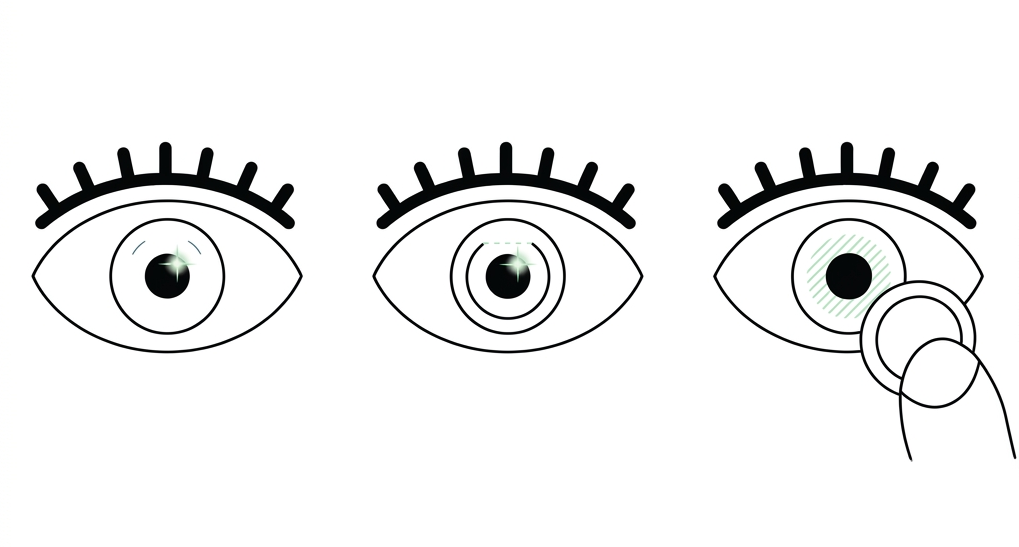
LASIK, SMILE and PRK are the three main laser refractive surgery techniques. All aim to correct myopia, hyperopia and astigmatism to reduce dependence on glasses. They differ in how they reshape the cornea and in recovery. The right choice depends on your cornea, your prescription and your lifestyle. Only a preoperative assessment can decide.
Laser refractive surgery: what are we talking about?
Laser refractive surgery is a group of techniques that reshape the cornea to correct a vision defect. By changing its curvature, the laser lets light focus sharply on the retina. These procedures mainly treat myopia, hyperopia and astigmatism. For an overview, see the laser vision correction page.
LASIK
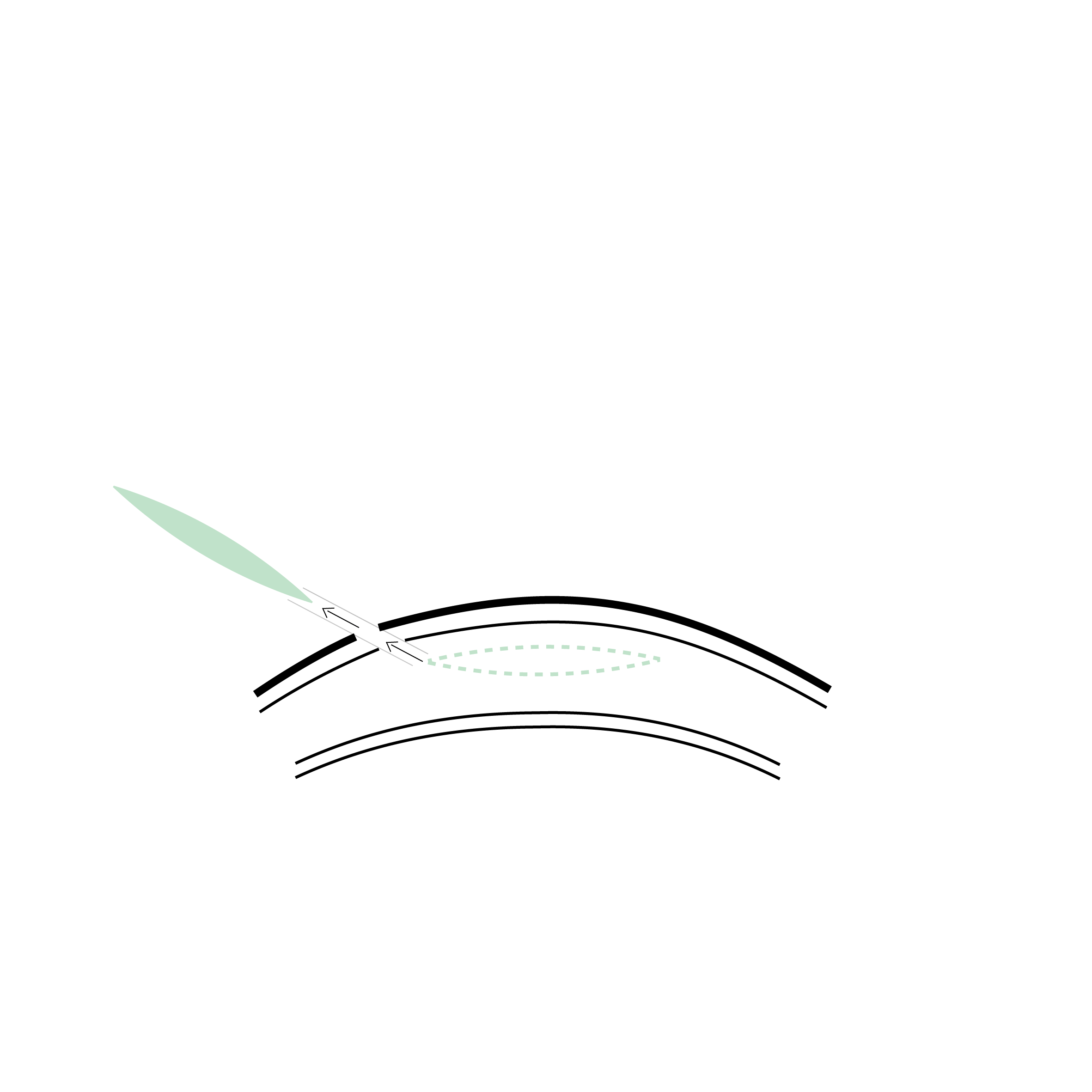
LASIK is the most widely performed technique in the world. The surgeon creates a thin corneal flap, lifts it, then reshapes the cornea with the laser before repositioning it. Its key advantage is a very fast visual recovery, often the next day, with mild discomfort/grittiness. Learn more about LASIK surgery.
SMILE
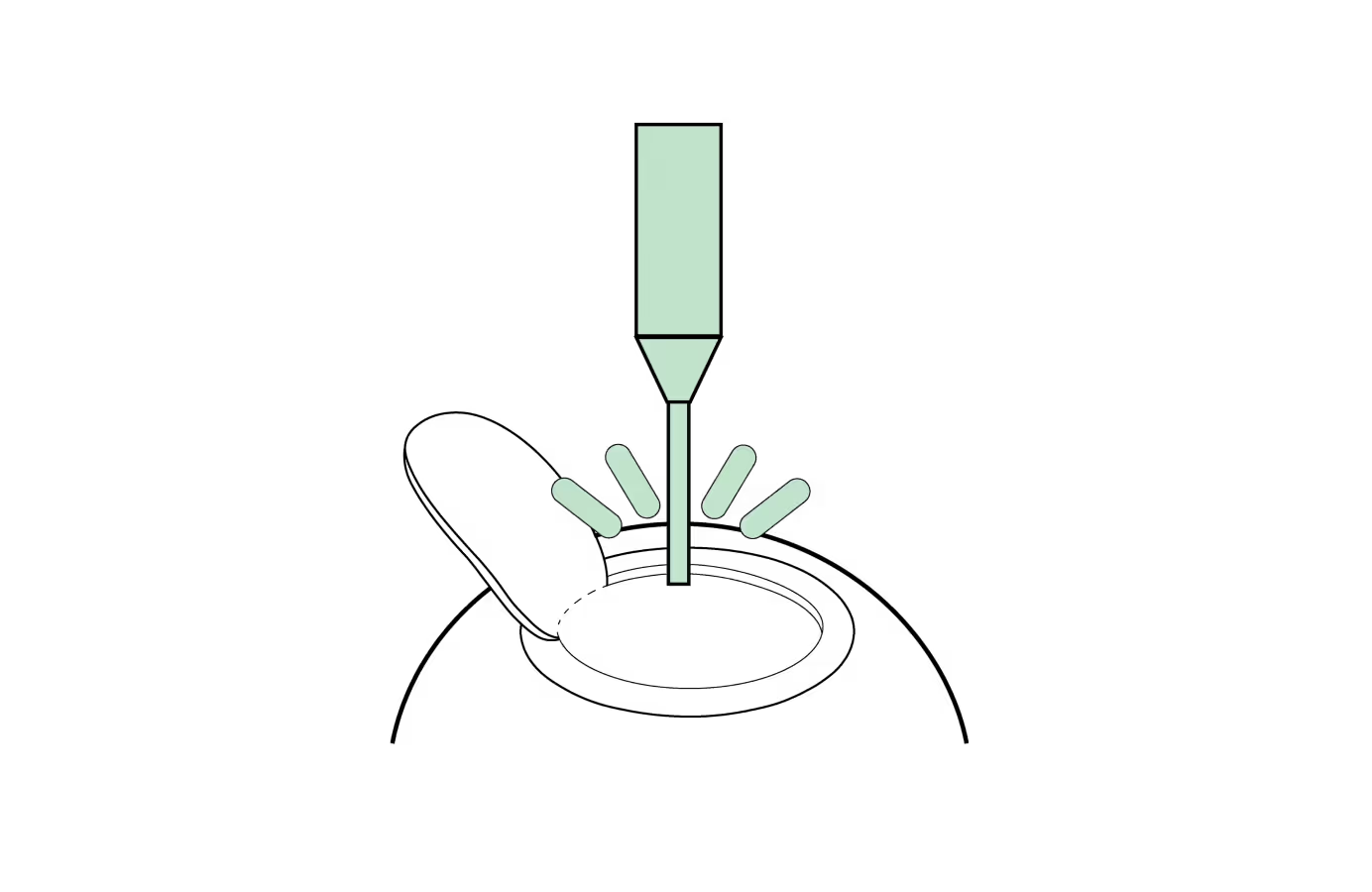
SMILE is a minimally invasive, flapless technique. The laser cuts a small lenticule inside the cornea, which is then removed through a micro-incision. The absence of a flap preserves more of the corneal surface and may suit athletes or patients prone to dry eye. See the SMILE surgery page.
PRK
PRK is the oldest technique, known as a surface procedure. The surface layer of the cornea (epithelium) is removed, then the laser reshapes the cornea. With no flap or lenticule, it suits thin corneas or certain higher-risk profiles. Its recovery is longer and the first days more uncomfortable, while the surface heals.
LASIK, SMILE or PRK: the comparison table
Here are the main differences between the three techniques.
How to choose the right technique?
No technique is superior in absolute terms. The choice rests on several factors assessed during the preoperative work-up: corneal thickness and regularity (topography), the size of the correction, tear film quality, lifestyle and activities. A cornea that is too thin or irregular may rule out LASIK and point towards PRK. Only a specialist examination can determine the right indication for your eye.
What if laser surgery is not possible?
When the cornea is too thin or the correction to treat too high, laser surgery is not always indicated. An alternative exists: the ICL implant, a lens placed inside the eye without touching the cornea. This option is discussed case by case with your surgeon.
FAQ: LASIK, SMILE and PRK
What is the difference between LASIK and SMILE?
LASIK creates a corneal flap that the surgeon lifts to reshape the cornea with the laser. SMILE creates no flap: the laser cuts a lenticule removed through a small incision. SMILE preserves more of the surface, while LASIK offers very fast recovery. The choice depends on your cornea and prescription, assessed during the work-up.
Which technique hurts the least?
LASIK and SMILE are generally painless. Patients experience a mild irritation with quick comfort after a few hours. PRK is more uncomfortable in the first days, while the corneal surface heals. Drops and a bandage contact lens ease this discomfort.
Which technique for a thin cornea?
A thin cornea often points towards PRK, which creates no flap, or sometimes SMILE depending on the case. LASIK is less suitable for thin corneas. The decision is made after corneal topography and a thickness measurement.
Is refractive surgery permanent?
The correction is lasting, but the eye keeps changing with age. Presbyopia appears around 45, regardless of the surgery. No technique guarantees never needing glasses again. These points are explained during the consultation.
Is laser surgery reimbursed in Switzerland?
Laser refractive surgery for comfort is generally not covered by basic insurance (LAMal). A detailed quote is provided at the consultation. Some supplementary insurers may contribute depending on the policy.
In summary
LASIK, SMILE and PRK are three effective, complementary refractive techniques. The best choice depends on your cornea and your expectations. To find out which technique suits you, book an appointment with Dr Arthur Hammer, an FMH ophthalmologist and FEBOS-CR in refractive surgery in Lausanne and Geneva, for a personalised assessment.
.avif)
%20au%20laser.avif)
Related articles
Discover our other articles that might interest you
Book a consultation
Swiss Visio Montchoisi
1006 Lausanne, Switzerland