SMILE (Small Incision Lenticule Extraction) Laser Eye Surgery
SMILE (Small Incision Lenticule Extraction) is an advanced refractive laser procedure used to correct short-sightedness (myopia), astigmatism and, with the latest SMILE® pro technology, long-sightedness (hyperopia).
The procedure involves using a high-precision laser to create a thin disc of tissue, known as a lenticule, within the cornea. This lenticule is then gently removed through a microscopic incision, eliminating the need for a corneal flap. As a minimally invasive, "flapless" technique, SMILE better preserves the structural integrity of the cornea and significantly reduces the risk of post-operative dry eye compared to LASIK or PRK.

How does it work?
Learn more about the procedure / equipment

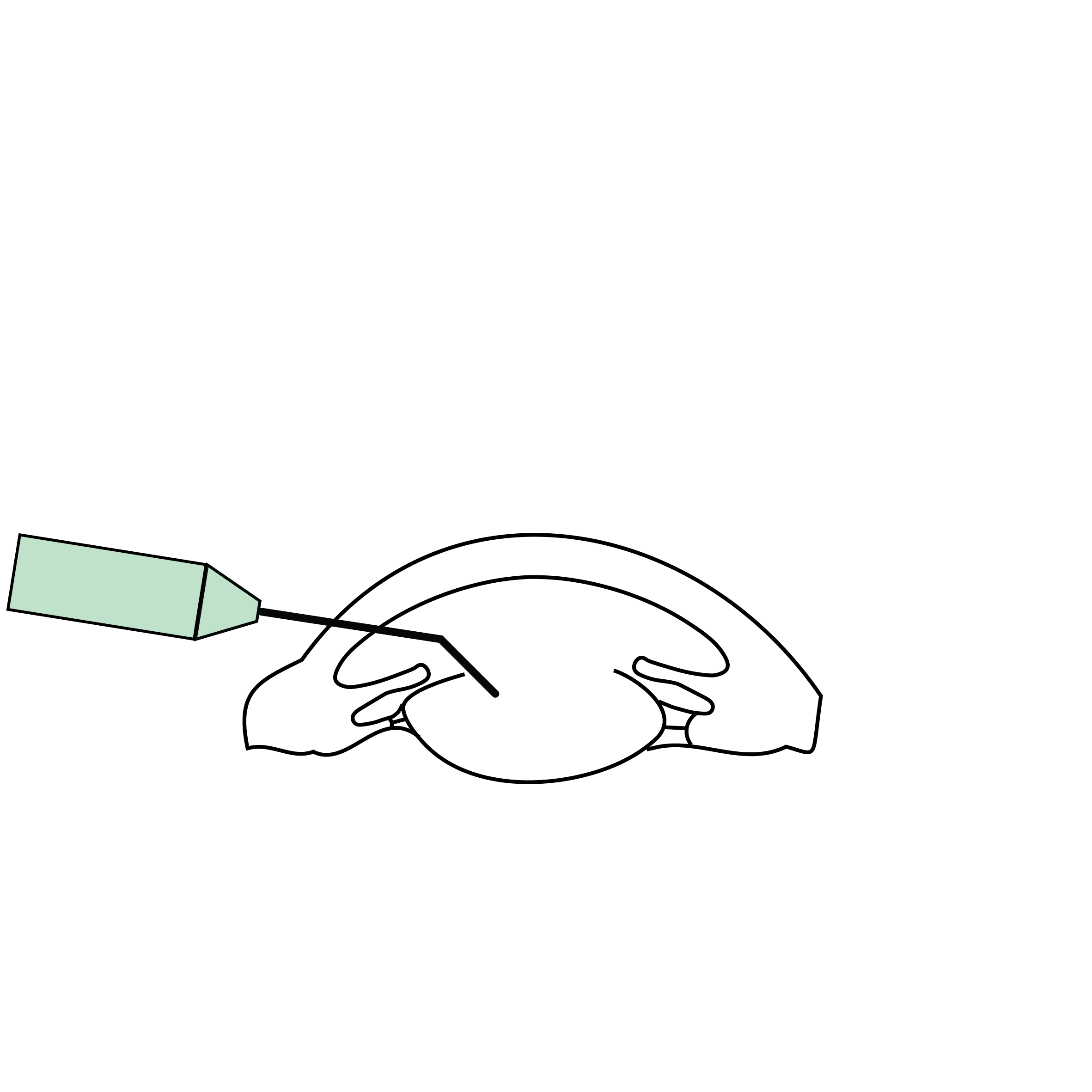
This illustration shows a complete eye in cross-section, viewed from the side, in a horizontal position as in a person standing upright.
The cornea, located at the front, is highlighted in green. This is the transparent part of the eye.
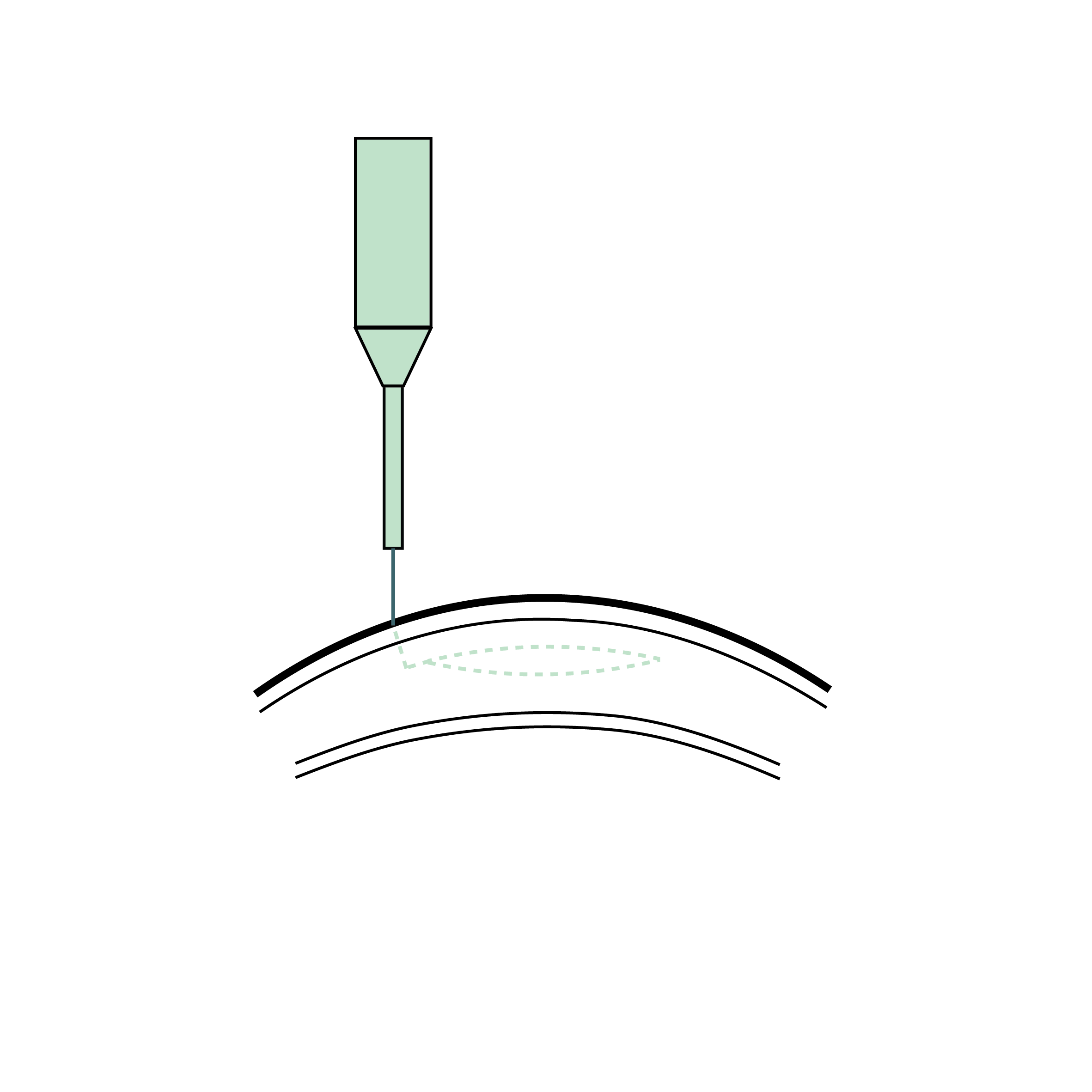
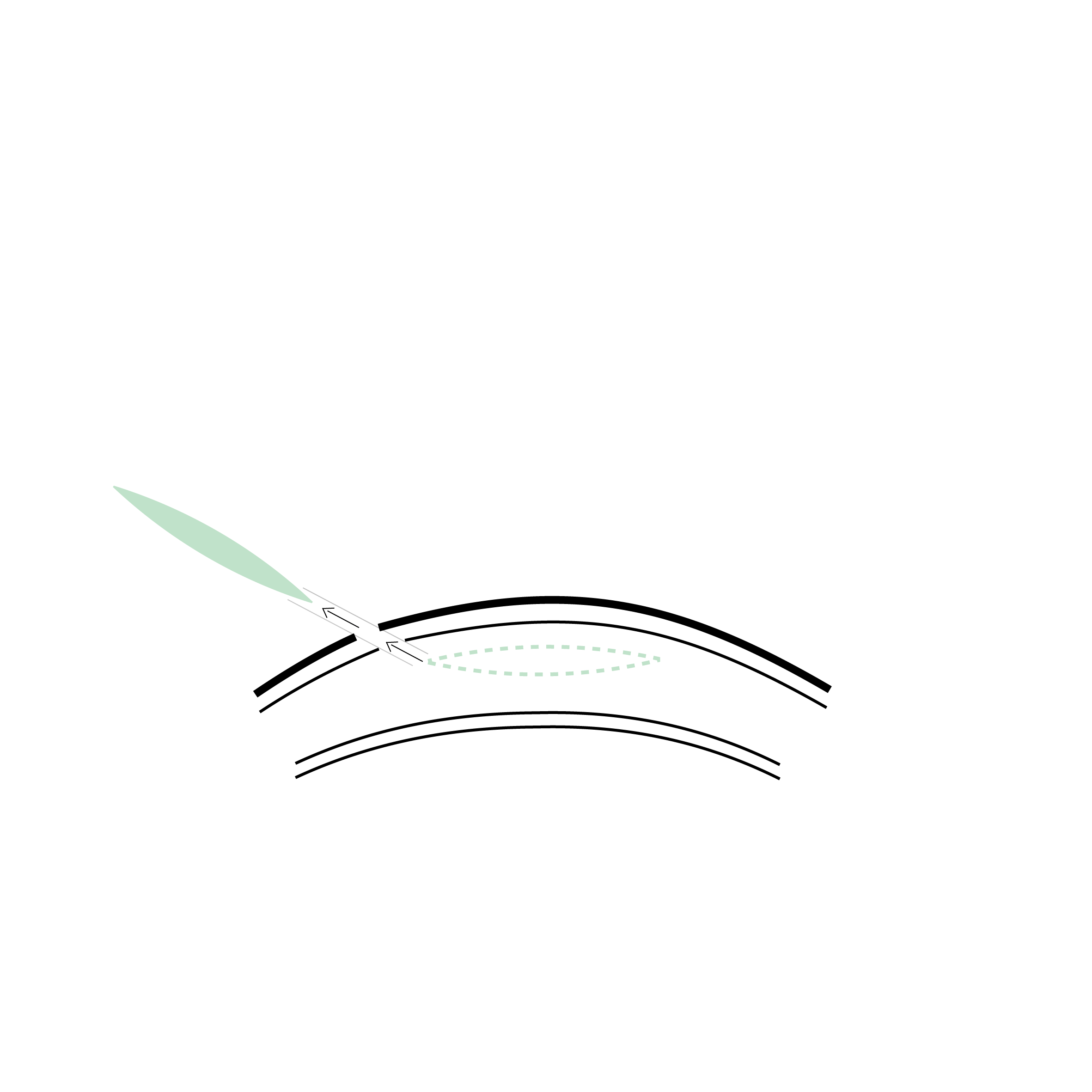
This diagram only shows the cornea in cross-section, represented in a vertical position as if lying on your back.
The femtosecond laser sculpts a lenticule deep within the stroma. By preserving the anterior part of the cornea (the most resistant zone) and the sensory nerves near the surface, SMILE ensures better biomechanical stability and less dry eye than LASIK
The lenticule is gently removed through a micro-incision on the corneal surface. This final step completes the visual correction while avoiding the creation of a superficial flap, thus ensuring a minimally invasive procedure.

Cornea after SMILE lenticule extraction: depending on the corrected visual defect (myopia, hyperopia, or astigmatism), the corneal geometry is subtly reshaped, with a localized change in curvature.

Healed cornea after SMILE surgery: the surface is smooth, transparent and intact, with sharp vision. Two small lateral incisions, barely visible, mark the entry points through which the lenticule was removed.
What is SMILE?
SMILE (Small Incision Lenticule Extraction) is an advanced, "flapless" refractive laser surgery. It is designed to correct visual errors such as short-sightedness (myopia), astigmatism and, with the latest technology, long-sightedness (hyperopia).
SMILE offers several distinct advantages: it better preserves the structural integrity of the cornea, reduces the risk of post-operative dry eye and eliminates flap-related complications (such as displacements). It is an ideal option for patients seeking a minimally invasive correction with maximum ocular stability.
How does SMILE work?
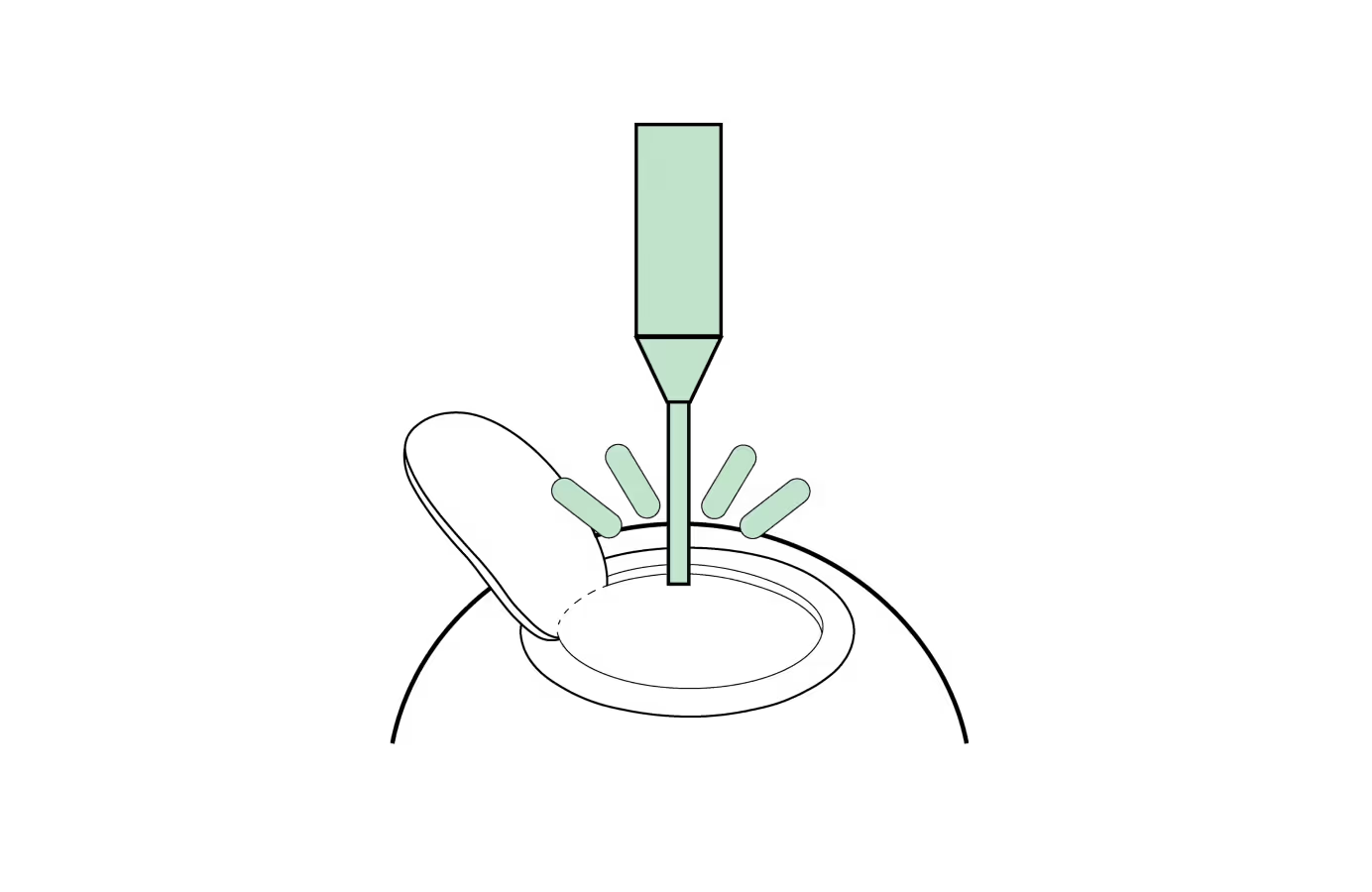
- Preparation: Anaesthetic drops are applied to ensure comfort. A specialised and gentle speculum is used to keep the eyelids open securely.
- Creation of the Lenticule: Using a high-precision femtosecond laser, a microscopic disc of tissue, known as a lenticule, is sculpted within the layers of the cornea.
- The Corneal Cap: In this procedure, the large flap typical of LASIK is replaced by a cap. This is the superficial layer of corneal tissue that remains intact above the lenticule, preserving the eye's natural protective barrier.
- Microscopic Incision: Two small incisions of approximately 2 to 3 millimetres are made. This allows access to the lenticule without the need to create a larger corneal flap as required in LASIK.
- Extraction: The surgeon gently removes the lenticule through one of the micro-incisions. This changes the curvature of the cornea, precisely correcting the refractive error.
- Healing: The micro-incisions heal rapidly (usually within hours) without the need for sutures (stitches).
- Results: Vision improves progressively, with most patients enjoying significantly clearer sight by the very next day.
Advantages of SMILE
- Minimally Invasive: Requires a microscopic incision of only 2–3mm, compared to the 8–9mm flap required for LASIK.
- Reduced Dry Eye Risk: Because the corneal nerves are better preserved, the incidence of post-operative dry eye is significantly lower than with LASIK or PRK.
- Superior Structural Stability: Because the cap is not a detached flap, it remains structurally integrated with the surrounding cornea. This maintains the eye's biomechanical strength more effectively than LASIK.
- Elimination of Flap Displacement: Since there is no flap to lift, there is virtually no risk of it shifting or displacing due to accidental eye contact or trauma.
- Reduced Risk of Folds: The cap architecture significantly limits the potential for microscopic folds (striae) or epithelial ingrowth, as the "interface" is accessed only through the micro-incisions rather than a 270-degree cut.
- Ideal for Active Lifestyles: Because the anterior corneal layers remain more stable, SMILE is a favoured choice for individuals in contact sports or high-risk professions (e.g., military, police or emergency services).
Who is a suitable candidate?
- Myopia & Astigmatism: Highly effective for mild to high short-sightedness and astigmatism (exact range to determine with your surgeon based on your characteristics).
- Hyperopia: With SMILE® pro, it is now possible to treat long-sightedness.
- Stability: Your prescription should be stable for at least one year.
- Age: Patients must generally be at least 18 years old to ensure their vision is stable and ocular development is complete. However, this is an arbitrary threshold, and refractive stability (prescription for glasses or contact lenses) remains the primary criterion.
- Healthy and sufficiently thick cornea: Adequate corneal thickness is required to allow the creation of the lenticule while maintaining the structural integrity of the cornea.
- Good ocular health: Absence of significant or untreated eye diseases, such as severe dry eye, cataracts, keratoconus, corneal infections, significant corneal scarring, glaucoma, or macular degeneration. Certain controlled, non-progressive eye conditions may be compatible with SMILE.
- Good general health: Absence of severe or untreated medical conditions (e.g., diabetes, autoimmune diseases, etc.). Certain well-controlled health conditions may be compatible with SMILE.
- Active Lifestyle: Excellent for those who wish to return to sports or physically demanding jobs quickly.
- Absence of pregnancy or breastfeeding: Hormonal fluctuations associated with pregnancy and breastfeeding can temporarily alter the shape of the cornea, which would compromise the accuracy of the preoperative measurements. It is therefore recommended to postpone the procedure. Breastfeeding is a relative contraindication that can be thoroughly discussed during your consultation.
What are the risks?
SMILE is exceptionally safe, though as with any surgery, minor side effects can occur:
- Temporary Dry Eye: Significantly less common than with other laser techniques (LASIK and PRK).
- Visual Disturbances: Transient halos or glare at night, which usually resolve within a few weeks to months after the initial healing phase.
- Infection: Extremely rare (estimated at less than 1 in 10,000 cases).
- Interface Inflammation: Occasional inflammation (DLK) that is generally well managed with anti-inflammatory drops.
- Refinement: In rare instances, a "top-up" procedure (usually with LASIK in the cap) may be required to fine-tune the results.
- An extremely rare weakening of the corneal structure. With modern diagnostic technology, we can identify and exclude high-risk candidates to minimise this possibility. Avoiding vigorous eye rubbing (friction) post-operatively is also a critical factor in preventing this condition.
Les différentes types de greffes
Découvrez les kératoplasties (= greffes de cornée)
Frequently asked questions
If you have any further questions, please do not hesitate to contact us!
What is SMILE?
SMILE is a laser surgery used to correct myopia and astigmatism. The recent SMILE pro also treats hyperopia. It involves removing a small disc of tissue (lenticule) from inside the cornea through a small incision.
What is the difference between SMILE and LASIK?
SMILE is a less invasive technique than LASIK: it does not require the creation of a corneal flap, using only 1 to 2 small, superficial corneal incisions. This reduces the risks of dry eyes, SMILE cap folds (vs. LASIK flap), and epithelial ingrowth.
What is the recovery time after SMILE?
Recovery time after SMILE is quick: vision improves the very next day and stabilizes within a few days to a week.
Linked procedures
Discover other related surgical topics
%20(1).png)
.avif)
.avif)




Book a consultation
Swiss Visio Montchoisi
1006 Lausanne, Switzerland