Myopia (short-sightedness)
Short-sightedness (myopia) is a common ocular condition in which distant objects appear out of focus, while near vision remains clear. It occurs when the eye is slightly too long or the cornea is too curved, causing light to focus in front of the retina rather than directly on it. Myopia can be effectively managed with spectacles or contact lenses.
For those seeking a long-term solution, several surgical options are available:
- Laser refractive surgery (such as SMILE, LASIK or PRK).
- Implantable contact lenses (Phakic IOLs/ICL).
- Refractive lens exchange (replacement of the clear natural lens).
- Cataract surgery (replacement of the opacified natural lens).

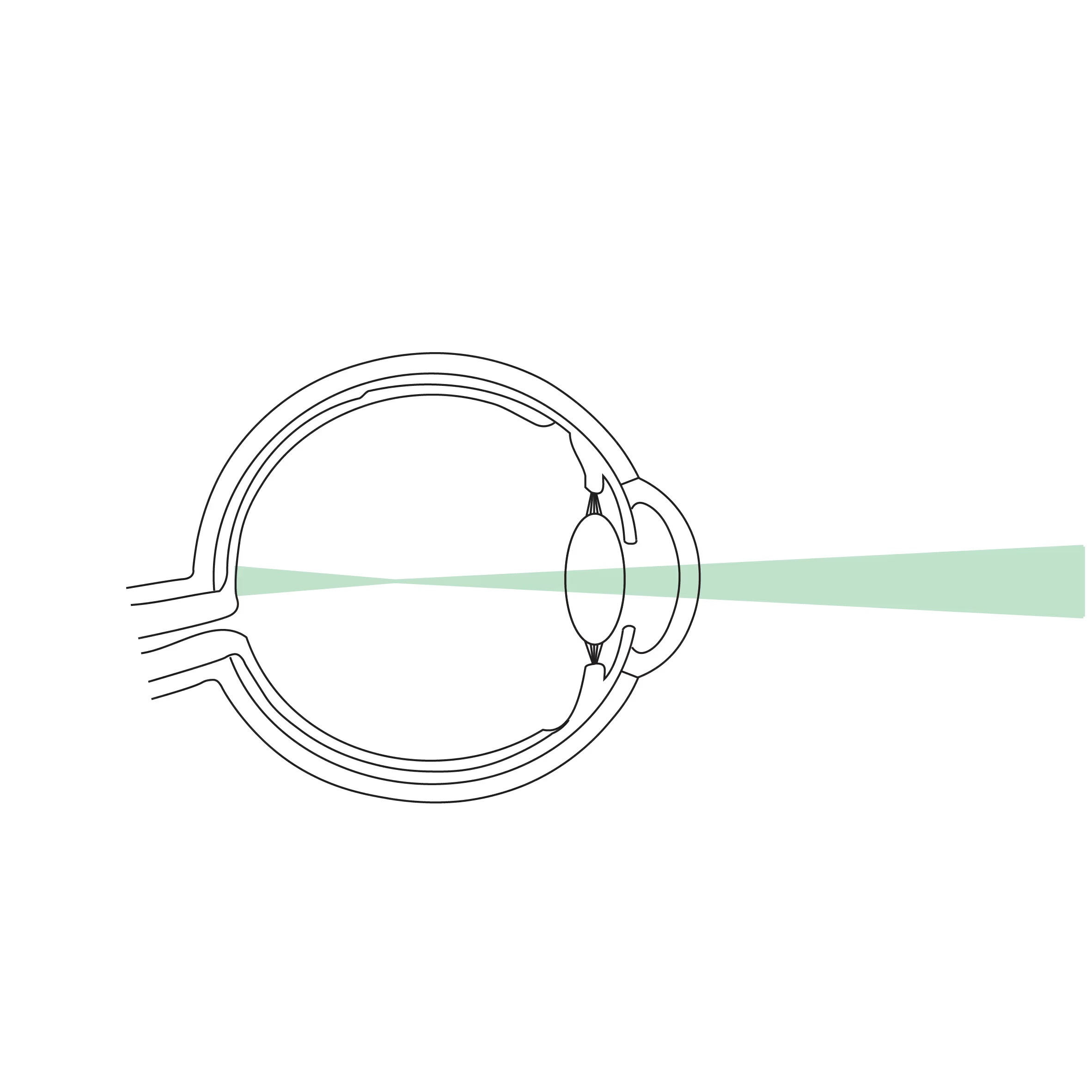
Myopia: In this image, we see an eye viewed from the side. Light rays coming from a distance enter the eye and focus in front of the retina instead of directly on it. This is what causes myopia: distance vision is blurred, because the image does not form in the right place.
What is short-sightedness (myopia)?
Short-sightedness, or myopia, is a common eye condition affecting people of all ages. It occurs when the optical power of the eye is too great relative to the length of the eyeball for instance, if the eye is too long, the cornea is too curved, or a combination of both.
In a short-sighted eye, light focuses in front of the retina instead of directly onto it, causing distant objects to appear blurred. Myopia can range from mild to moderate or severe (high myopia).
What are the symptoms?
Myopia often begins during childhood or adolescence, but it can develop or progress at any age. If you struggle to see distant objects clearly, it is likely you are short-sighted.
People with myopia experience blurred distance vision, particularly in low-light conditions such as at night or at dusk, while their near vision typically remains sharp. In the early stages, some may squint to try and improve focus; however, without corrective lenses, the eye cannot naturally compensate for the blur.
What are the causes of myopia?
While age and physical growth are primary factors, several other elements play a role:
- Growth: Myopia often worsens during puberty as the length of the eye increases with physical growth.
- Prolonged Close Work: Intensive use of computers, smartphones, tablets, or extended periods of reading can promote its progression, particularly in children and young adults.
- Cataracts: Certain types of cataracts can cause a "myopic shift" in older adults.
- Family History: Genetics significantly influence the likelihood of developing the condition.
What are the treatments for myopia?
Non-surgical options
Myopia can be corrected with spectacles or contact lenses. Another option is orthokeratology (Ortho-K), which involves wearing rigid lenses overnight to temporarily reshape the cornea. The effect lasts for approximately one day, requiring nightly wear and carrying the standard risks associated with contact lens use.
Surgical options
The most appropriate surgical correction depends on factors such as your age, the degree of myopia, corneal thickness and overall eye health.
- Laser Eye Surgery: (e.g., SMILE, LASIK or PRK) Permanently reshapes the cornea to allow light to focus correctly on the retina.
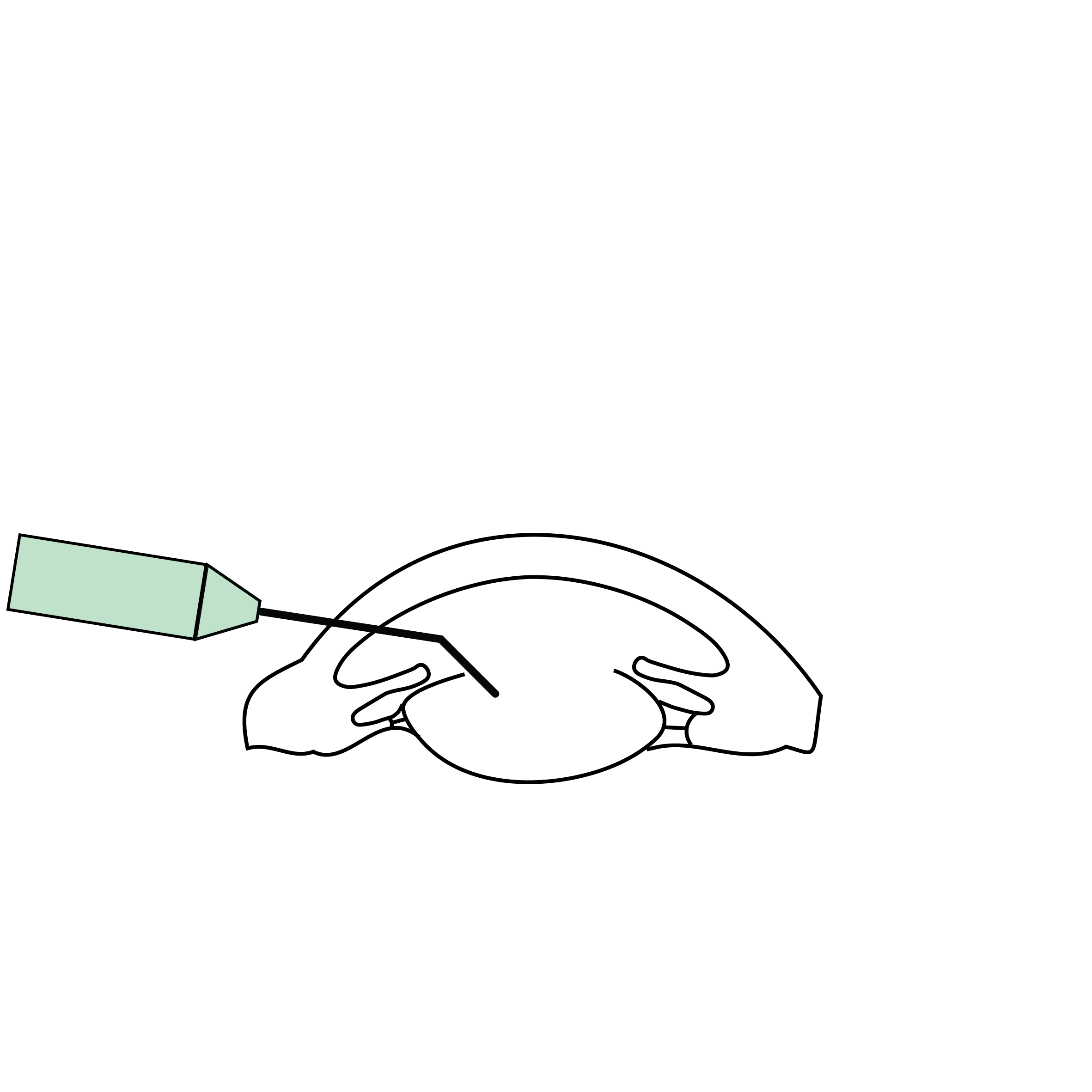
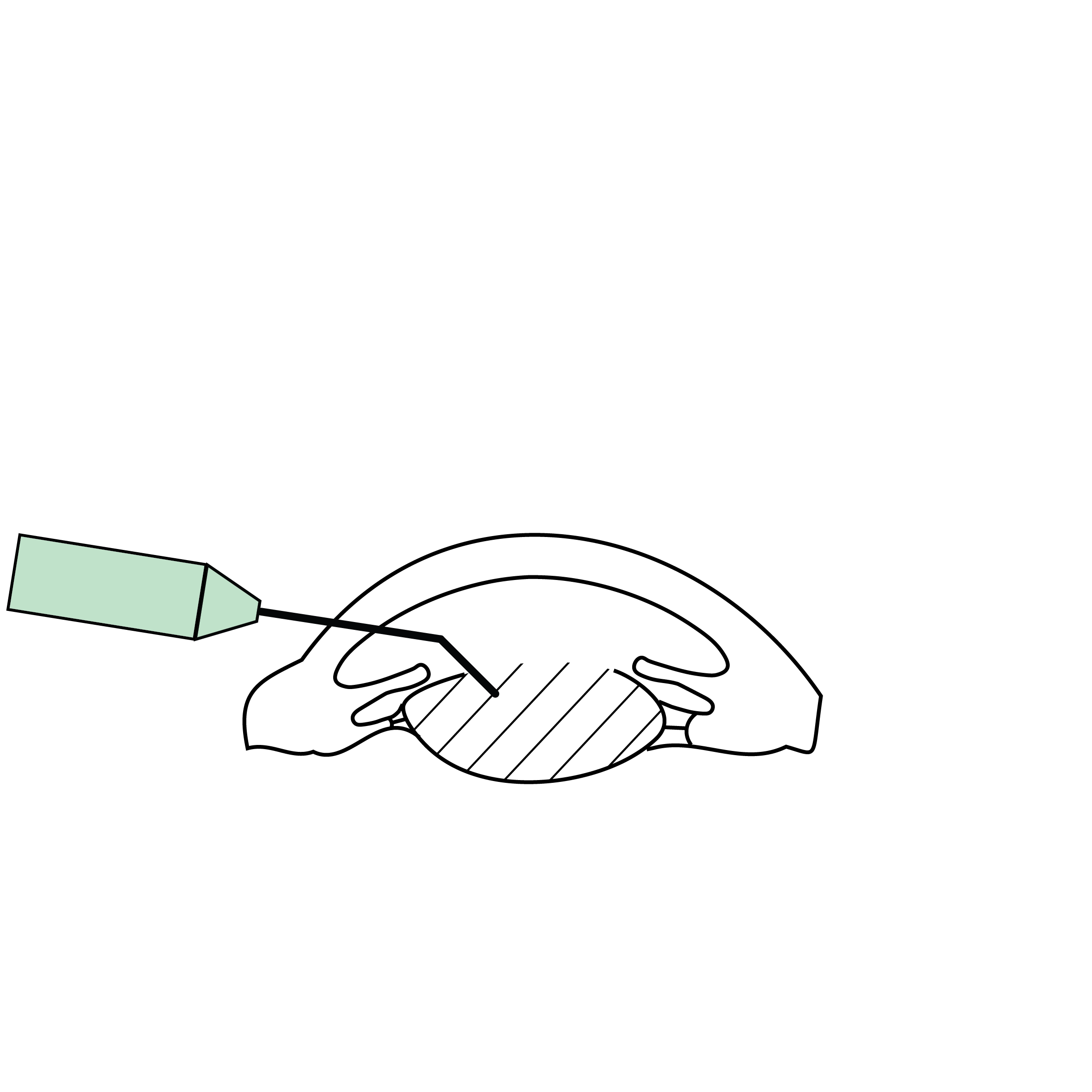
- Implantable Contact Lenses (ICL): A thin lens is placed inside the eye while maintaining the natural crystalline lens, ideal for those with high prescriptions or thin corneas.
- Refractive Lens Exchange (RLE): The natural lens is replaced with an artificial one, typically recommended for older patients to correct vision and prevent future cataracts.
- Cataract surgery: The opaque natural lens is replaced with a clear artificial one.
Linked conditions
%20au%20laser.avif)
.avif)
Les questions fréquentes
Si vous avez d'autres questions n'hésitez pas à nous contacter !
Book a consultation
Swiss Visio Montchoisi
1006 Lausanne, Switzerland