Modern Keratoconus Management: Highlights from the 2025 Romandy Optometry Congress
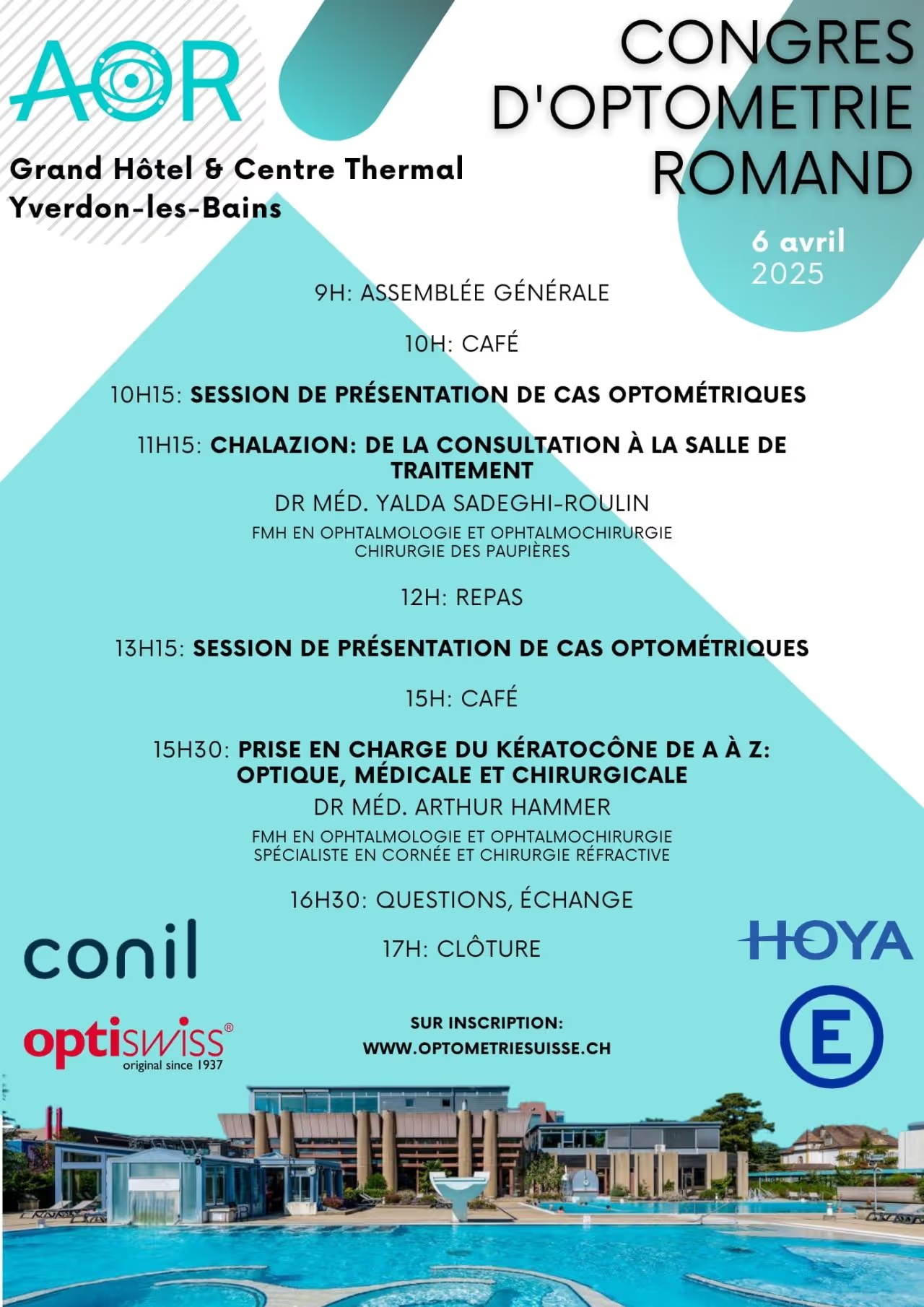
I had the honor of participating in the annual French-speaking optometry conference, organized in Yverdon-les-Bains by the Association of Romand Optometrists (AOR). It was an opportunity to share my experience on a subject that is as complex as it is fascinating: the optical, medical and surgical management of keratoconus.
Created on
14.12.2025
·
Updated on
02.08.2026

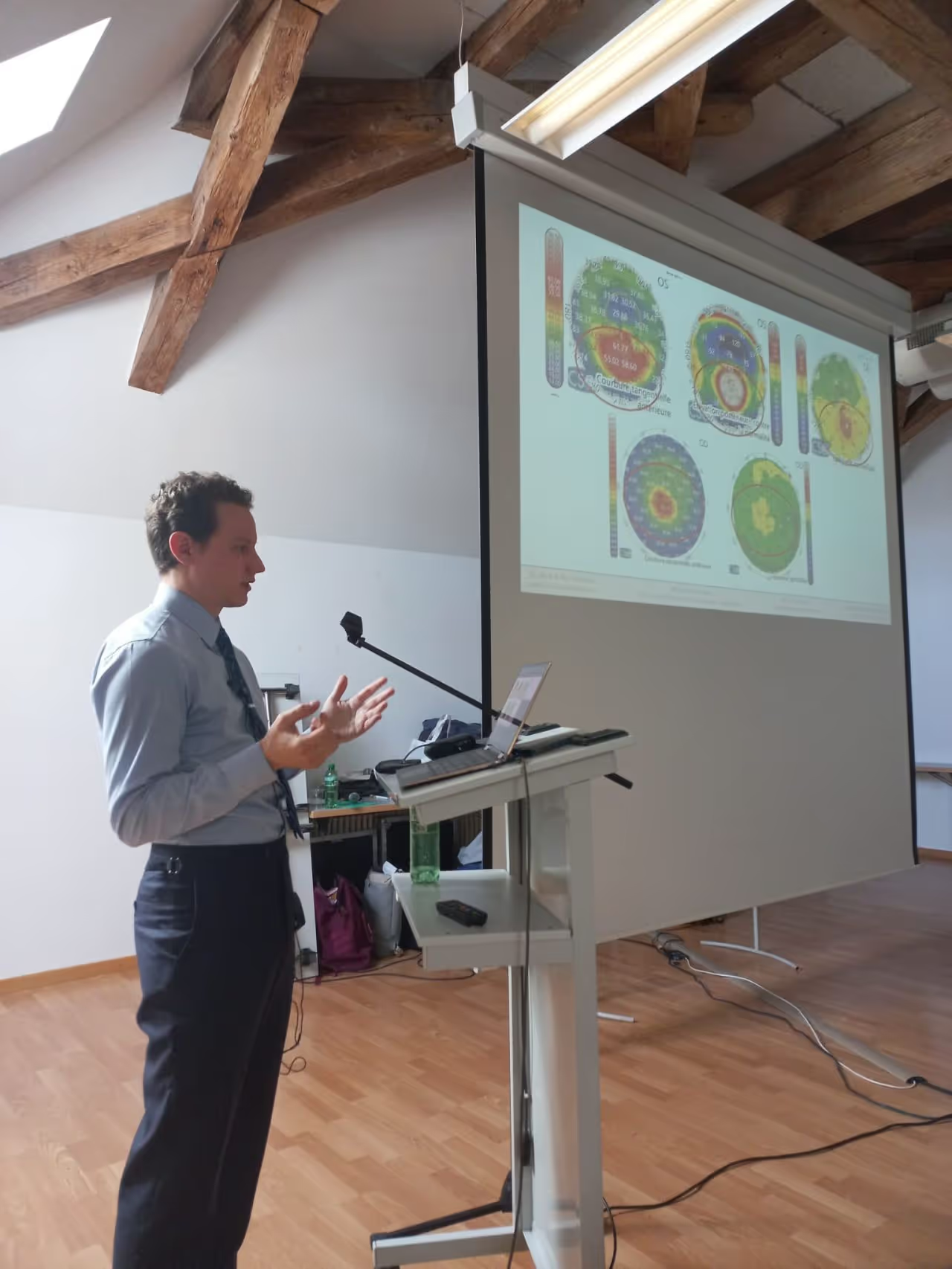
Between clinical exchanges, case presentations and feedback, this conference confirmed how quickly our field is evolving, and how essential the interdisciplinarity between ophthalmologists and optometrists is.
Keratoconus : care that has evolved profoundly
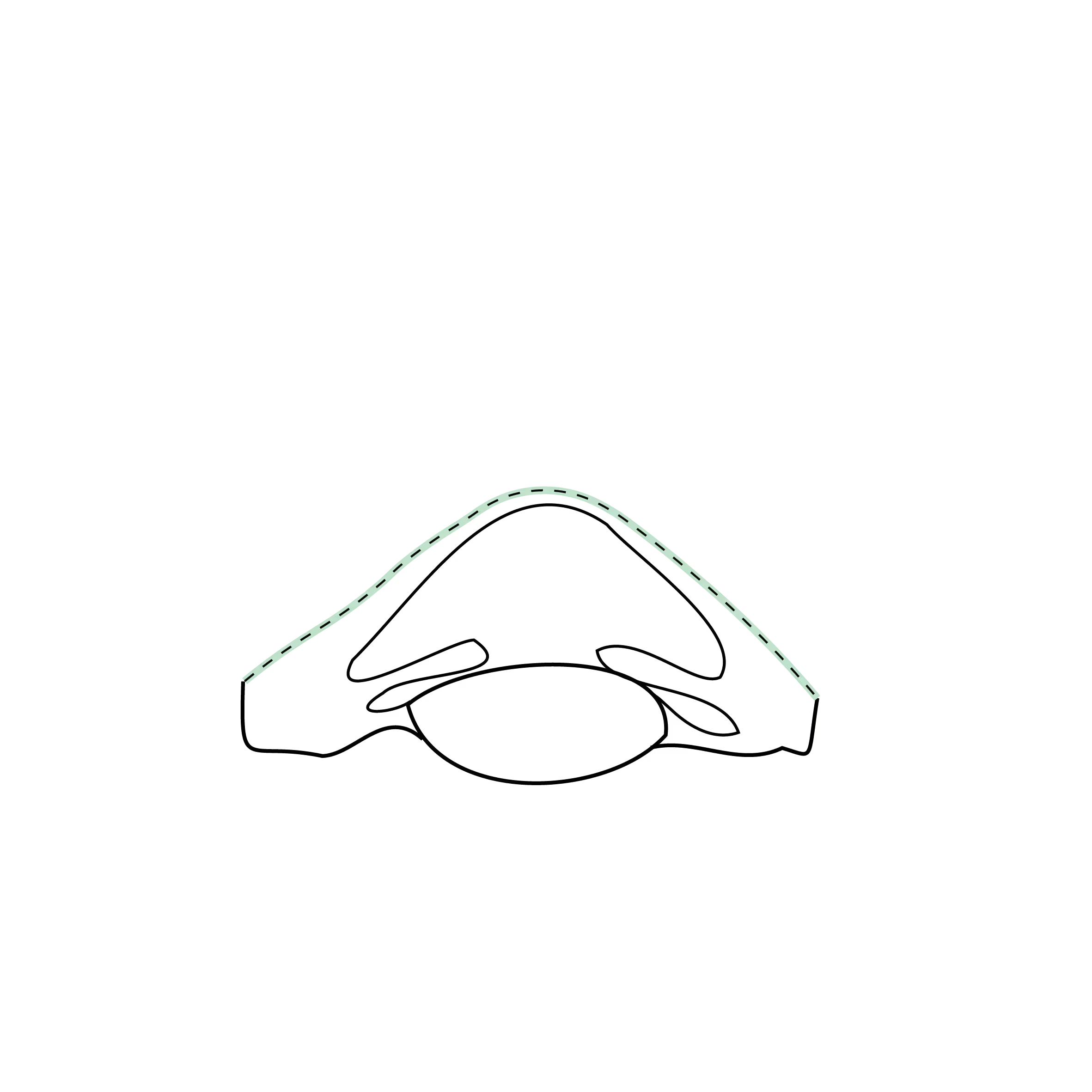
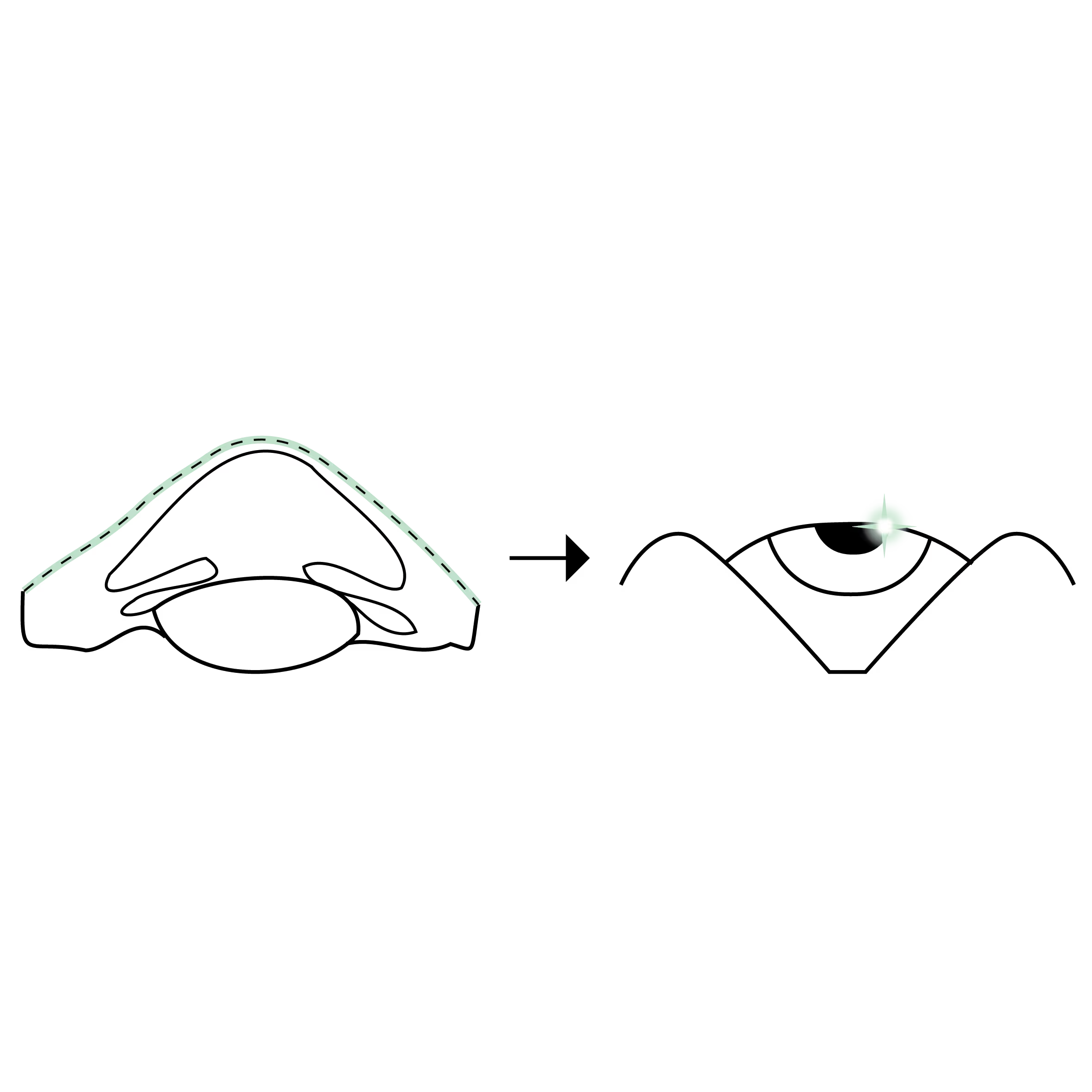
Long considered a purely optical disorder, keratoconus is now the subject of hybrid and personalized approaches that combine several strategies depending on the stage and the visual needs of the patient.
It is never too early, or too late, to start treating keratoconus.
Three complementary approaches: optical, medical, surgical
Optics
Contact lenses are often the first step. Their adaptation, geometry and tolerance are essential. Today, the variety of devices available (flexible, rigid, scleral, hybrid) makes it possible to push the limits, even in advanced cases.
Medical
- Cessation of ocular friction, which is recognized as a major cause of keratoconus and other ectasias due to mechanical and molecular weakening.
- Treating eye allergies to avoid the recurrent and vigorous eye rubbing that is often associated with it:
- Anti-allergic eye drops
- Lubricating eye drops
- Anti-inflammatory eye drops
Surgical
When the situation requires it, several options are available to the surgeon:
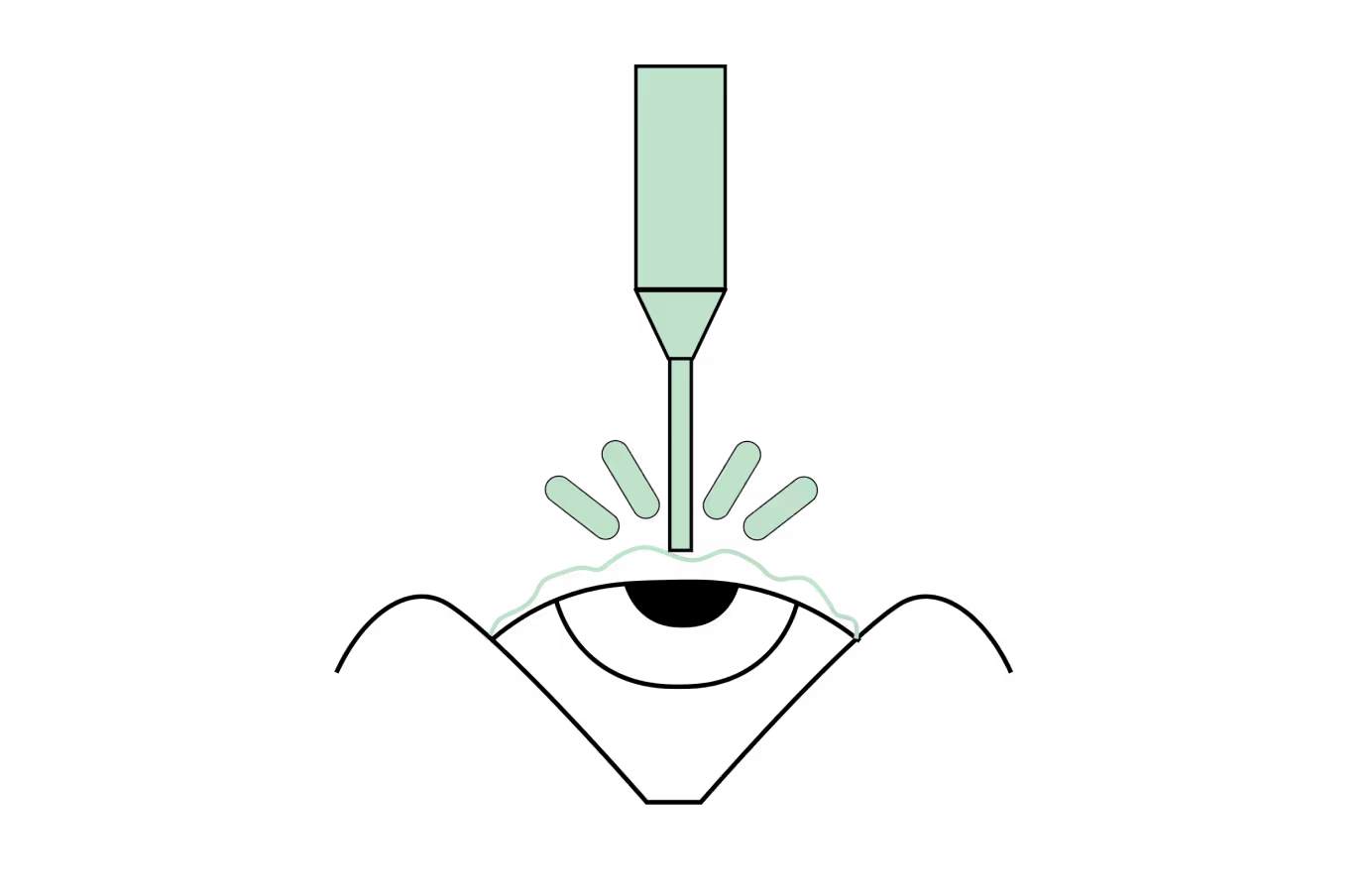
- The cross-linking (CXL) of corneal collagen is a major advance. It stabilizes the cornea, even at early stages.
- The (Trans) PRK guided by corneal topography coupled with CXL : modern refractive-therapeutic approach.
- Intracorneal segments (ICRS/CAIRS) : modulate corneal geometry.
- Implantable contact lenses (ICL/IPCL) : reduce dependence on glasses.
- Deep anterior lamellar grafts (Femto) DALK : for the most advanced cases.
- Combined approach: tailor-made adaptation according to curvature, corneal thickness and functional discomfort
Key messages to remember
Here are the main points that I wanted to pass on to the practitioners present:
- Early diagnosis changes the prognosis : to detect the first anomalies, even if the vision remains “acceptable”.
- There is no longer a strict border between therapeutic and refractive treatment.
- Combining approaches is often the key, provided the sequence and techniques are adapted.
- The role of the optometrist is central, in screening as well as in follow-up.
Thanks
I would like to warmly thank:
- The Association of French-speaking Optometrists (AOR) for the remarkable organization.
- Mr. Sandro Minder, for his invitation and his welcome
- All participants, for their listening, their questions and their commitment to the service of visual health
See you very soon for the next edition of the AOR conference. Until then, let's continue to explore the new frontiers of vision together.
Linked conditions
Linked procedures
.avif)
.avif)


Related articles
Discover our other articles that might interest you
Book a consultation
Swiss Visio Montchoisi
1006 Lausanne, Switzerland