Implantable contact lenses (ICL/IPCL)
Phakic intraocular lenses (ICL/IPCL), often referred to as "implantable contact lenses", are soft implants positioned within the eye between the iris and the natural lens. They are designed to correct refractive errors including short-sightedness (myopia), long-sightedness (hyperopia), astigmatism, and presbyopia.
Unlike standard contact lenses, they are intended for permanent use but remain fully removable if required. They offer an excellent alternative to laser surgery by preserving the cornea and delivering outstanding visual quality, particularly for patients with thin corneas or high prescriptions.

.avif)
How does it work?
Learn more about the procedure / equipment
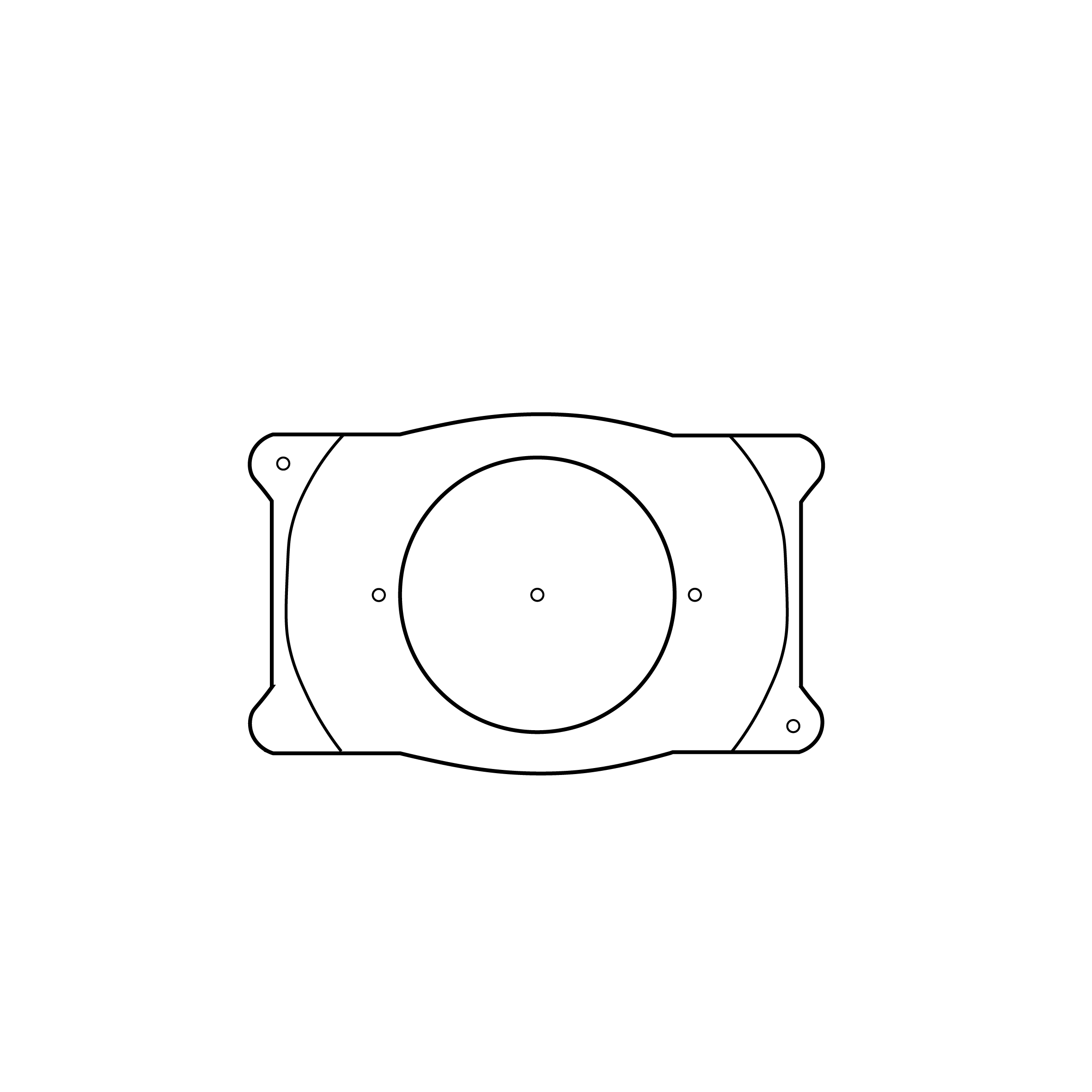
Flexible and transparent implantable contact lens (ICL/IPCL) front view, measuring approximately 12-13 mm, which is smaller than a Swiss 50-centime coin.
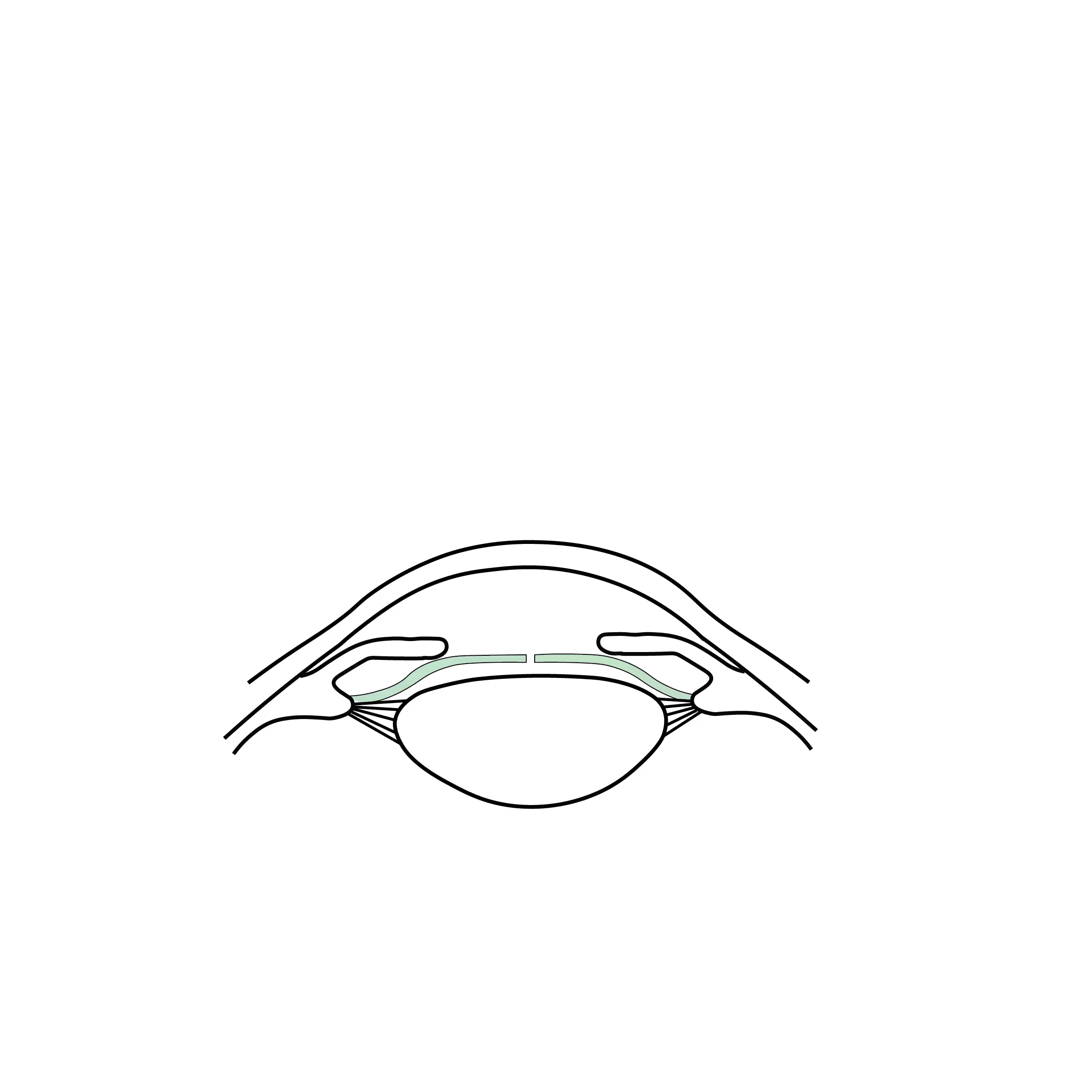
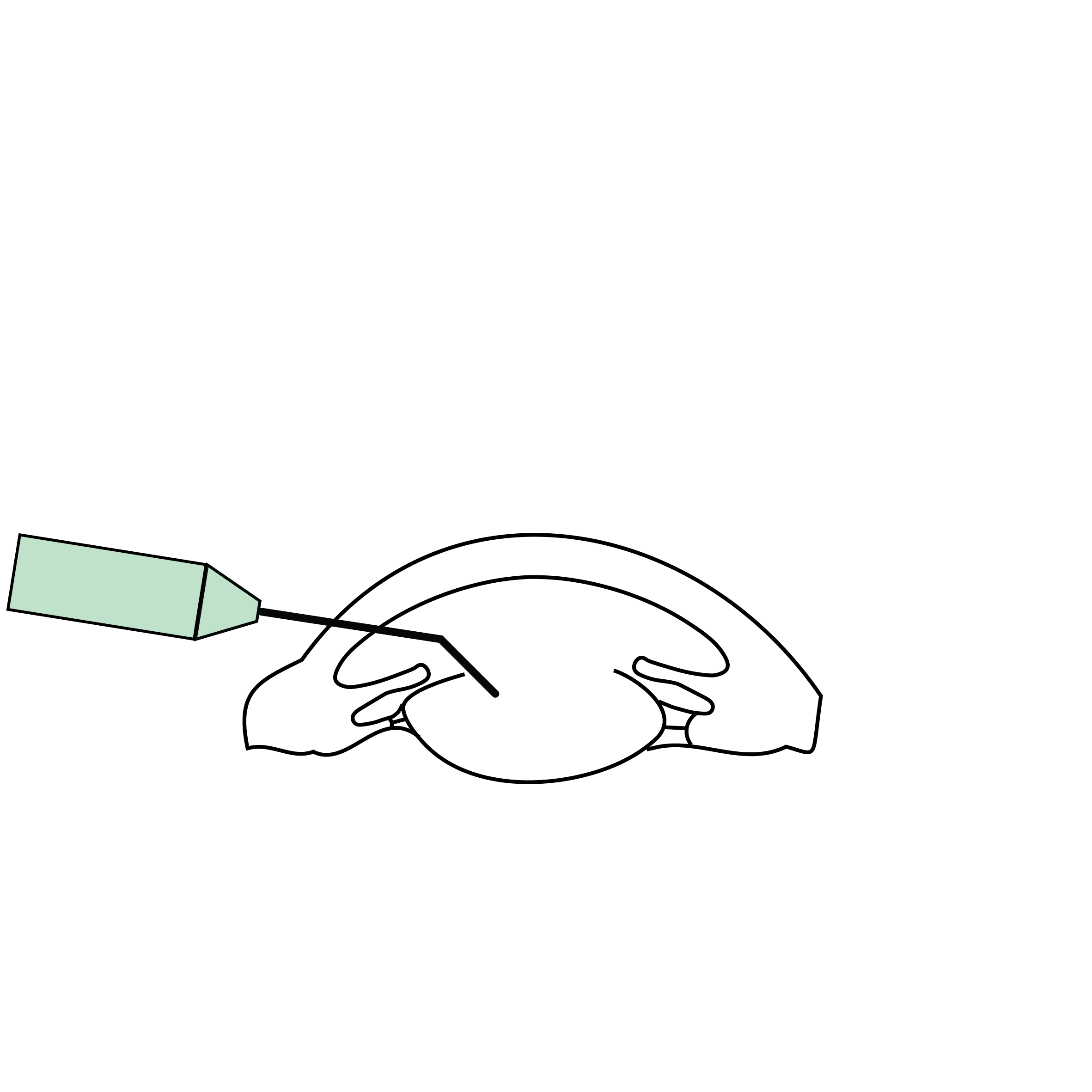
Side view of an implanted ICL/IPCL, positioned in the natural space between the iris and the lens (the sulcus).
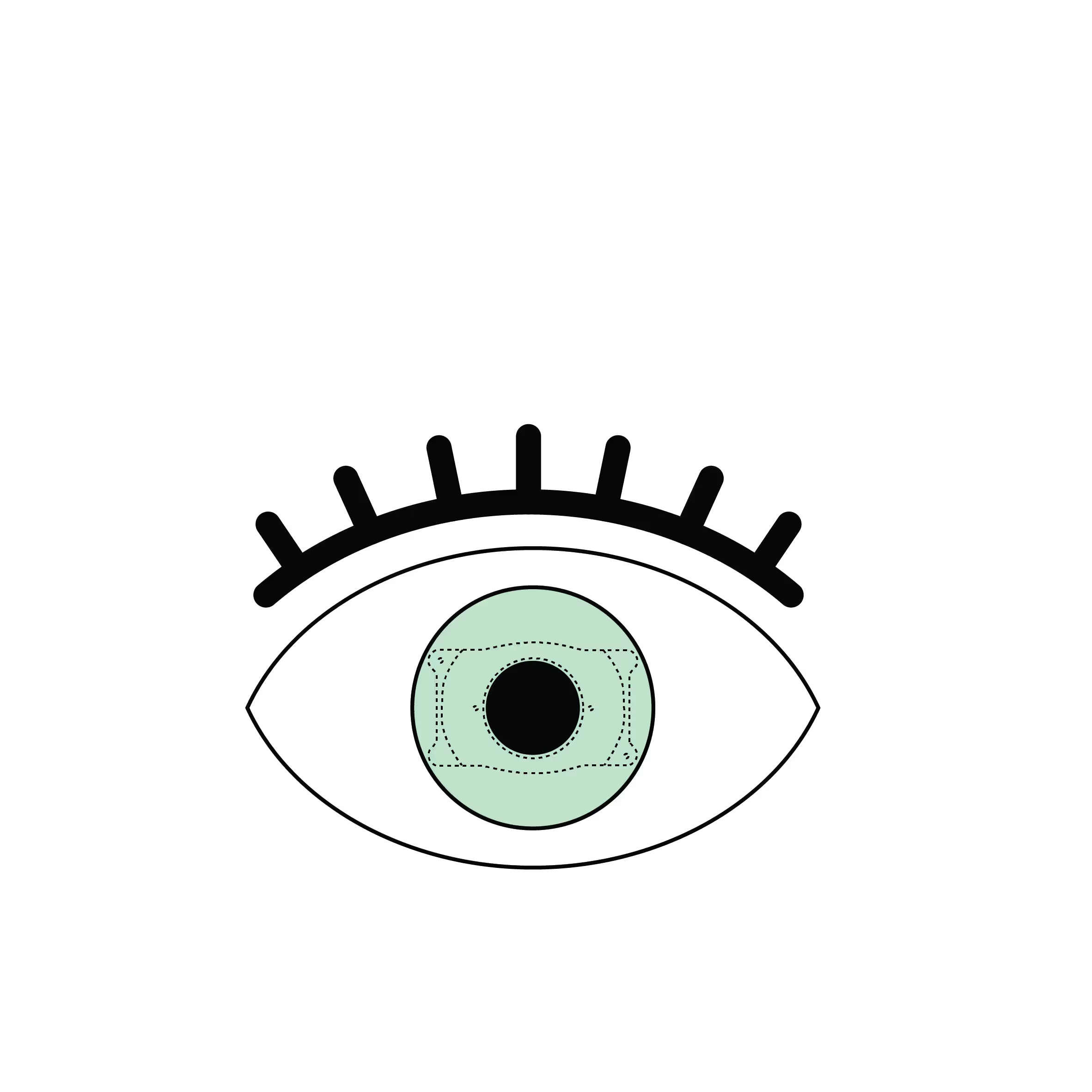
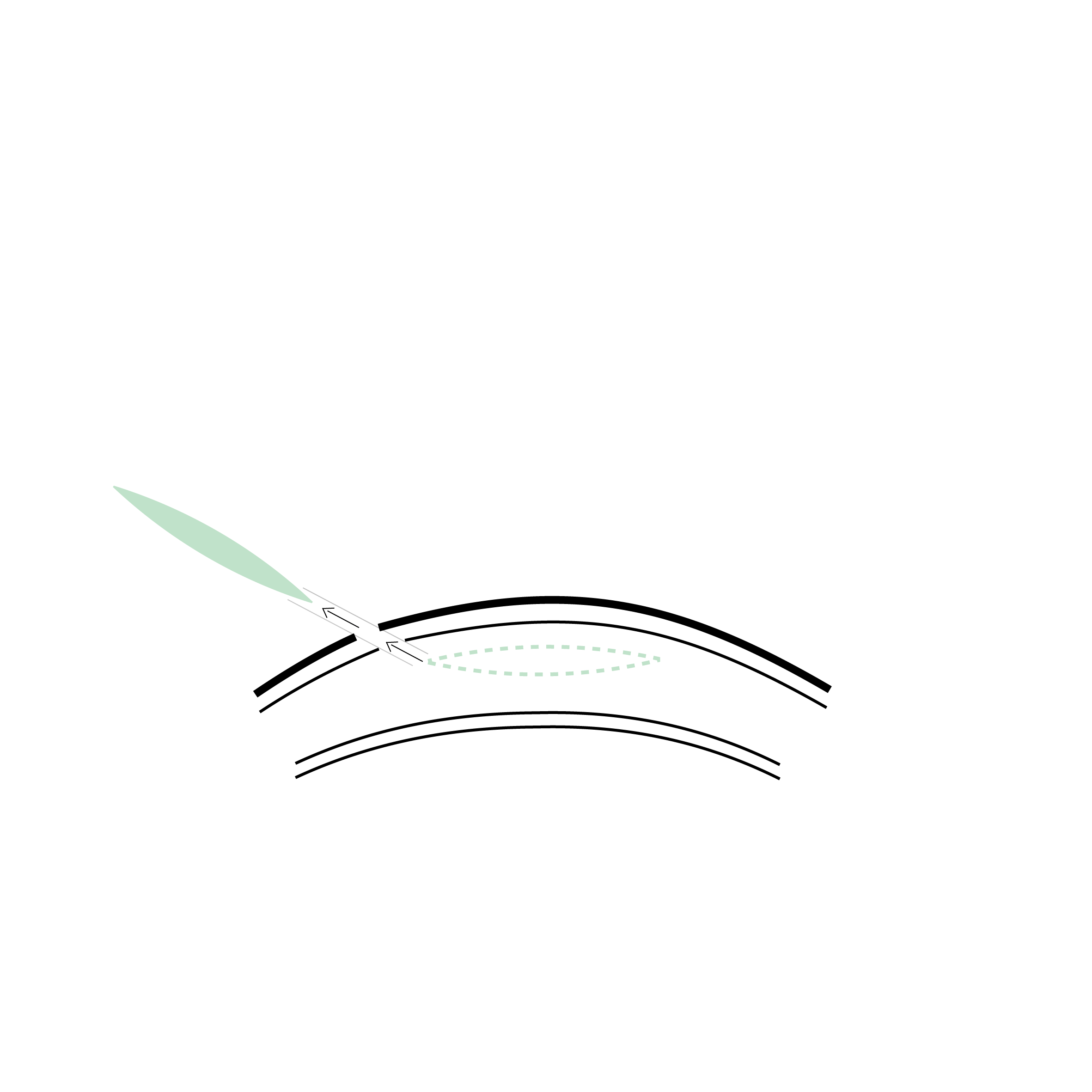
Front view of an implanted ICL/IPCL, positioned behind the iris (dotted line), in the sulcus.
What are "implantable contact lenses"?
Phakic intraocular lenses (such as the ICL – Implantable Collamer Lens, or IPCL – Implantable Phakic Contact Lens), often referred to as "implantable contact lenses", are highly flexible, biocompatible lenses designed to correct refractive errors (ametropia), including short-sightedness (myopia), long-sightedness (hyperopia), astigmatism, and presbyopia.
Due to their flexibility, these lenses are injected into the eye through a microscopic incision and positioned in the space between the iris and the natural lens (the posterior chamber sulcus).
Unlike laser surgery, this procedure does not involve the removal of any corneal tissue. Furthermore, it preserves the eye's natural lens, unlike Clear Lens Exchange (RLE) or cataract surgery.
While conventional contact lenses sit on the surface of the eye, these implants provide a long-term, yet fully reversible, solution.
What is the process?
- Pre-operative Consultation: Your surgeon will perform a comprehensive series of diagnostics to determine the precise power and dimensions of the lens required. We also assess your overall ocular health and the dimensions of the anterior chamber to ensure suitability.
- The Procedure: Implantation is a rapid, day-case procedure, typically performed under topical anaesthesia (numbing drops). The lens is inserted and carefully positioned behind the iris.
- Recovery: Visual recovery is exceptionally fast, with many patients experiencing clear vision within hours. Most can return to their normal routine within a few days. Medicated eye drops are prescribed to prevent infection and support the healing process.
What are the indications?
Phakic intraocular lenses are particularly suitable for patients who:
- Have a predisposition to dry eye: Unlike laser surgery, phakic lenses do not typically cause or worsen dry eye symptoms.
- Have high refractive errors: This includes significant short-sightedness or long-sightedness that exceeds the safe parameters of laser treatments like LASIK, SMILE, or PRK.
- Have a thin or irregular cornea: These factors may make laser correction higher risk or altogether unsuitable.
- Prefer a reversible solution: This is ideal for those who wish to correct their vision without permanently altering the structural integrity of the cornea.
- Maintain good ocular health: Candidates should be free from significant contraindications, such as glaucoma or early-stage cataracts.
What are the benefits?
- Superior Visual Quality: ICL and IPCL procedures often deliver exceptional visual acuity with a lower incidence of side effects, such as dry eye, compared to laser treatments.
- Reversibility: Unlike laser-based procedures, the implant can be removed or replaced by a surgeon if your prescription changes significantly in the future.
- Preservation of the Cornea: No corneal tissue is removed, making this an ideal option for patients with fragile or thin corneas.
- Extensive Correction Range: These lenses can correct a much wider range of prescriptions than traditional laser technology.
Les différentes types de greffes
Découvrez les kératoplasties (= greffes de cornée)
Frequently asked questions
If you have any further questions, please do not hesitate to contact us!
What is an implantable contact lens and how does it work?
Phakic intraocular lenses (ICL, IPCL) are soft implants placed in the eye, between the iris and the natural lens, to correct vision without removing the natural lens.
How do I know if I'm a good candidate for an implantable contact lens?
Ideal candidates are those with severe myopia, hyperopia or astigmatism, thin corneas, or a contraindication to laser refractive surgery (LASIK, SMILE, PRK).
ICLs/IPCLs have the advantage of being completely reversible compared to laser surgery and can also be used in patients with a minor optical correction.
Is implantable contact lens insertion painful?
No, the procedure is generally performed under local or topical anesthesia, with sedation if needed, ensuring complete comfort during the procedure. It can also be performed under general anesthesia if necessary.
How long does the surgery to implant a contact lens last?
The procedure usually lasts between 10 and 15 minutes per eye.
What is the recovery time after contact lens implantation?
Most patients regain clear vision within just a few hours after the procedure.
Are implantable contact lenses visible?
No, they are placed behind the iris and are invisible to the naked eye.
Can I feel the implantable contact lens in my eye?
No, the lens is designed to be completely painless and unnoticeable after the procedure.
Are implantable contact lenses permanent?
Yes, they are designed to last a lifetime, but they can be removed or replaced if needed.
Will I still need to wear glasses or contact lenses after the implantation?
The goal of this surgery is to reduce reliance on glasses and contact lenses, so in most cases, they will no longer be necessary.
What precautions should I take after implantable contact lens surgery?
Avoid strenuous physical activity, do not rub your eyes, apply the prescribed eye drops, and avoid any other non-sterile liquids in your eyes.
How long do I need to wait before returning to work or driving after the implantation?
Most patients can resume light activities within a few days and driving after approval from their ophthalmologist.
Do implantable contact lenses affect night vision?
Night vision is typically good, although some patients may experience slight temporary halos or glare, which diminish on their own and generally do not cause significant discomfort.
Can I undergo an implantable contact lens procedure if I have dry eyes?
Yes, unlike laser refractive surgery (LASIK, SMILE, PRK), as a general rule, this procedure does not cause or worsen dry eyes.
What is the cost of an implantable contact lens, and is the procedure covered by insurance?
The cost varies depending on the clinic and the complexity of the case. Some supplementary insurance plans may offer partial coverage for this cost.
Linked procedures
Discover other related surgical topics
%20au%20laser.avif)
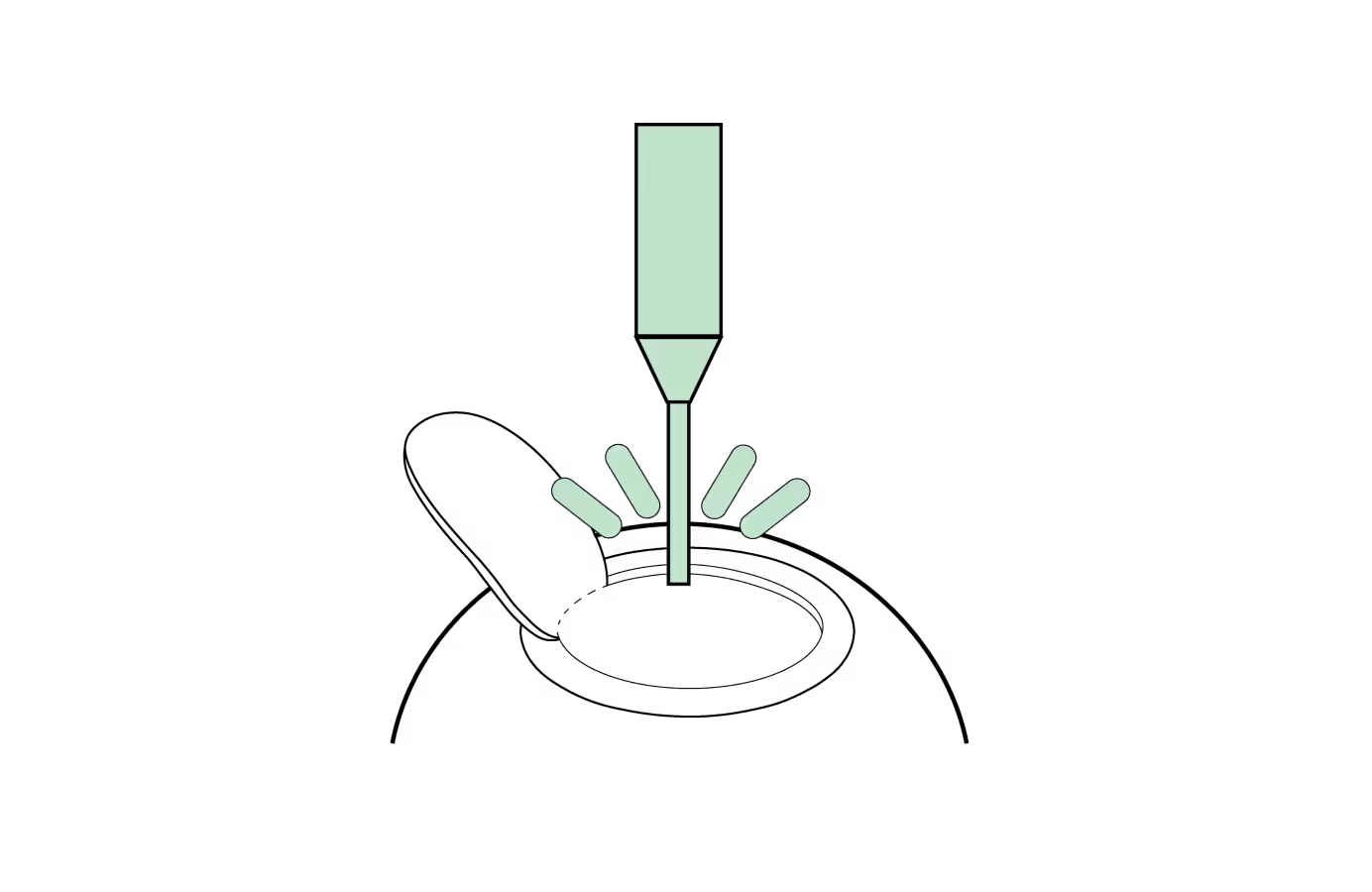
%20(1).png)
.avif)




Book a consultation
Swiss Visio Montchoisi
1006 Lausanne, Switzerland