Optical correction after corneal transplant
After a corneal transplant, vision may remain blurred due to irregularities in the surface of the eye. In most cases, vision correction is carried out with glasses or, more often, with special contact lenses (e.g. scleral lenses) that compensate for the irregular shape of the transplanted cornea. These options generally make it possible to regain a good quality of vision for daily life.

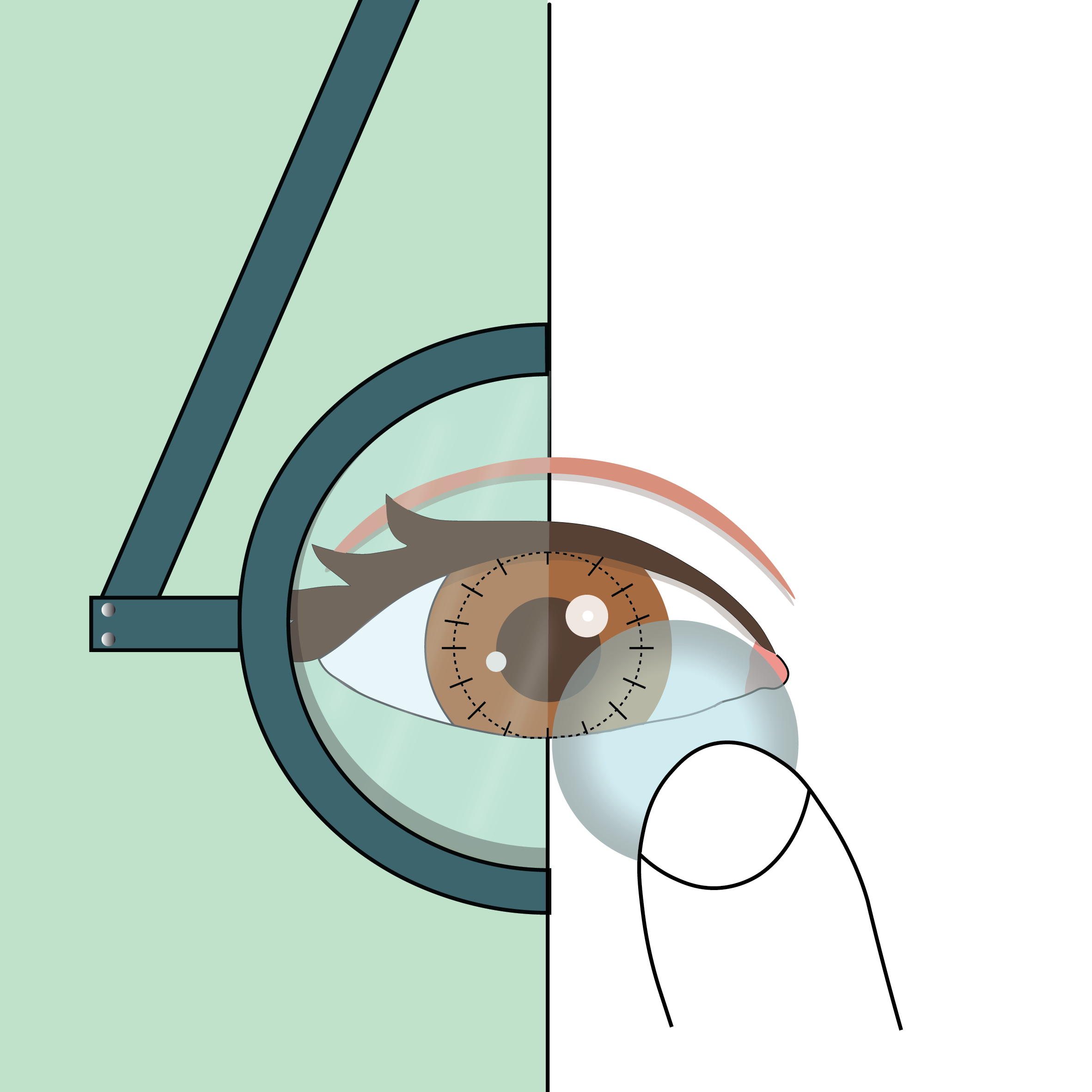
Correction of vision after a corneal transplant
After a corneal transplant, it is common for vision not to be immediately perfect. Although the procedure aims to restore the transparency of the cornea and improve visual quality, irregularities in the ocular surface may persist, resulting in blurred or distorted vision. These irregularities are generally due to changes in the curvature of the cornea and often involve significant astigmatism, which can be regular or irregular.
The role of glasses/spectacles
In some cases, a pair of glasses may be enough to correct vision, especially when astigmatism is moderate and regular. Spectacles are generally offered as the first line of treatment once visual stability is achieved, often several months after the transplant. They offer a simple and non-invasive solution but may be insufficient when the optical defects are significant or irregular.
Special contact lenses
When glasses do not provide satisfactory vision, special contact lenses are often required. These are most frequently rigid scleral lenses, but also sometimes rigid gas-permeable (RGP) lenses, hybrids (soft edges and a rigid centre). These contact lenses are designed to compensate for the shape of the grafted cornea, effectively smoothing out its optical surface. This makes it possible to obtain much sharper vision.
The fitting of these lenses requires specialist monitoring and may involve several appointments to find the best geometry to ensure comfort and visual performance.
What if optical correction is not enough?
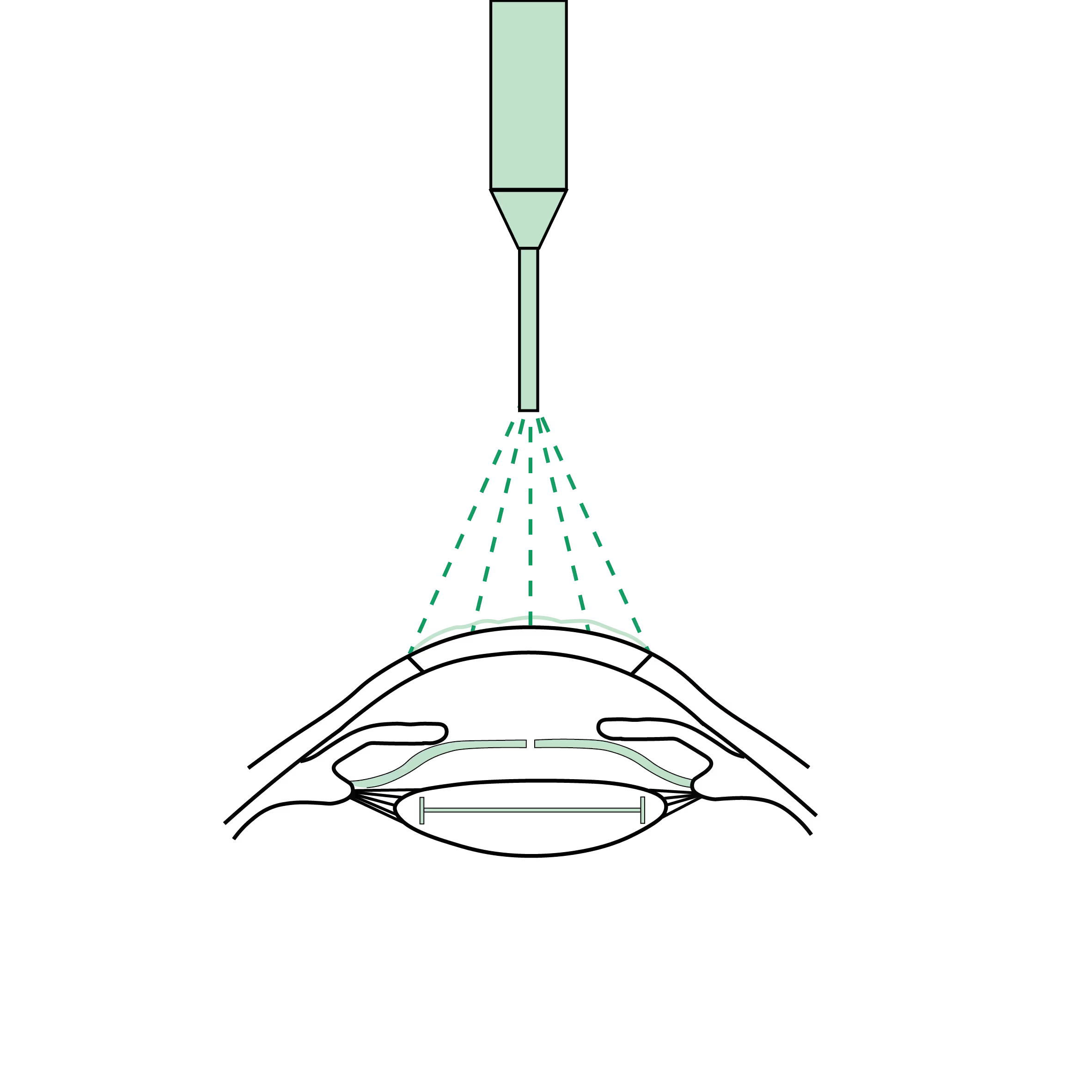
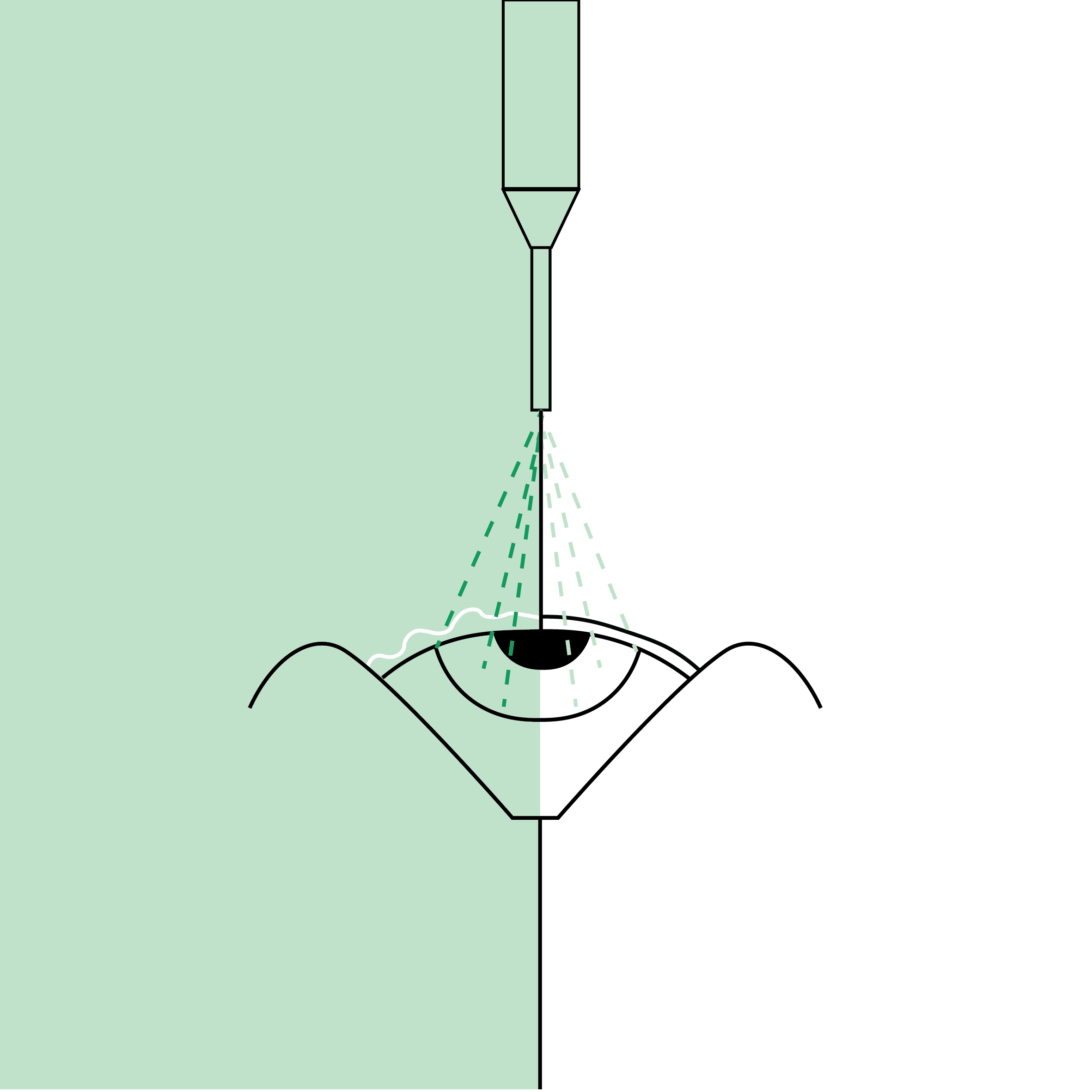
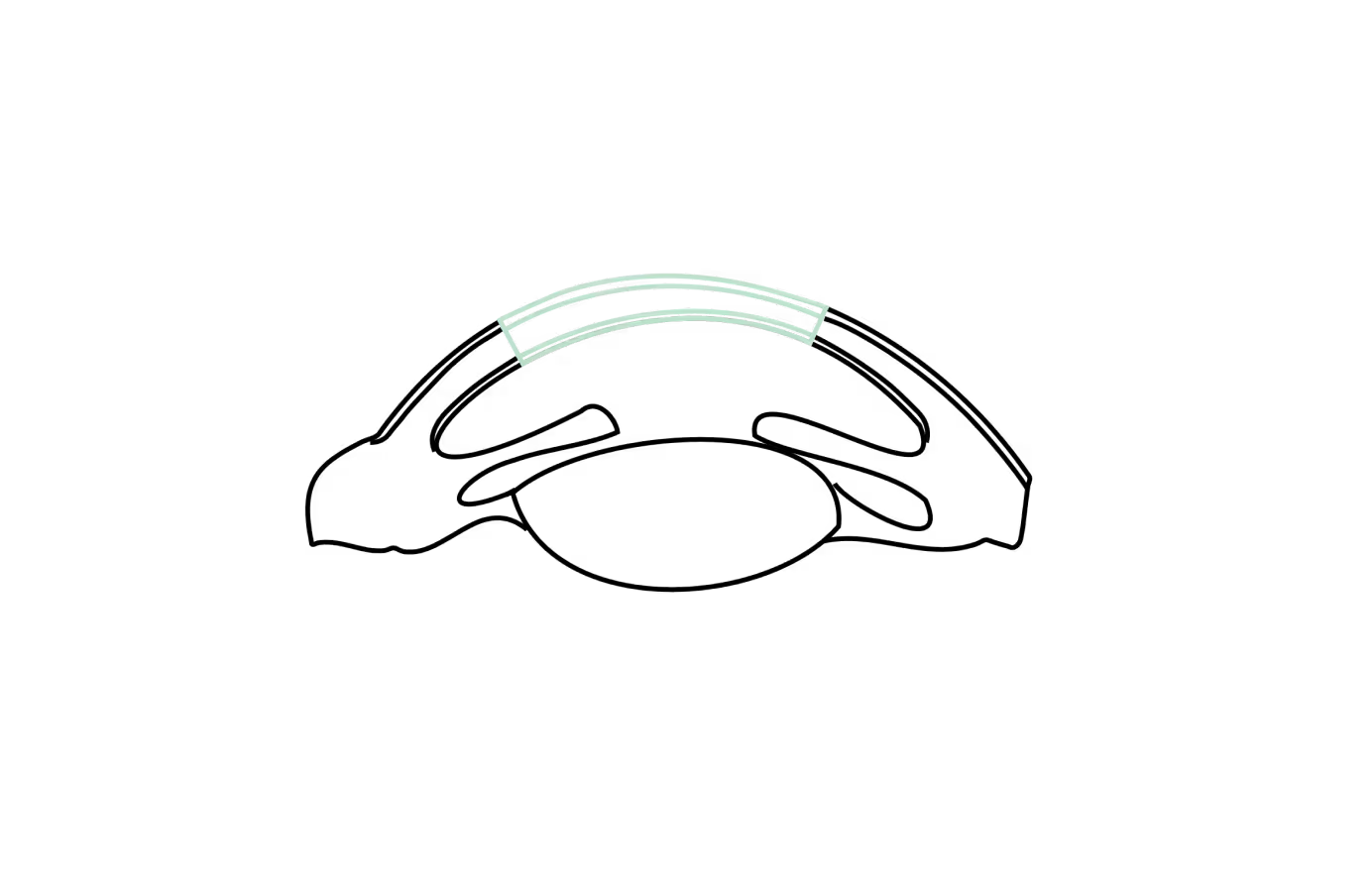
If glasses or contact lenses do not provide satisfactory vision or are poorly tolerated, therapeutic refractive surgery may be considered. Performed after the transplanted cornea has stabilised, this can correct certain irregularities or significant astigmatism to improve visual quality and, in some cases, reduce dependence on glasses and contact lenses.
Linked conditions
Linked procedures


Les questions fréquentes
Si vous avez d'autres questions n'hésitez pas à nous contacter !
Book a consultation
Swiss Visio Montchoisi
1006 Lausanne, Switzerland