Presby-Lasik (laser surgery for presbyopia)
Presby-LASIK is a sophisticated refractive laser procedure designed to restore a natural range of vision for those experiencing the age-related loss of near focus (presbyopia).
Unlike traditional methods, modern techniques - such as Presbyond® Laser Blended Vision - utilise spherical aberrations to create an Extended Depth of Field (EDOF). By creating a seamless "blend zone" between the eyes, this treatment provides a smooth transition across near, intermediate, and distance vision, significantly reducing or eliminating the daily dependence on reading glasses.

%20(1).png)
How does it work?
Learn more about the procedure / equipment

This illustration shows a complete eye in cross-section, viewed from the side, in a horizontal position as in a person standing upright.
The cornea, located at the front, is highlighted in green. This is the transparent part of the eye.
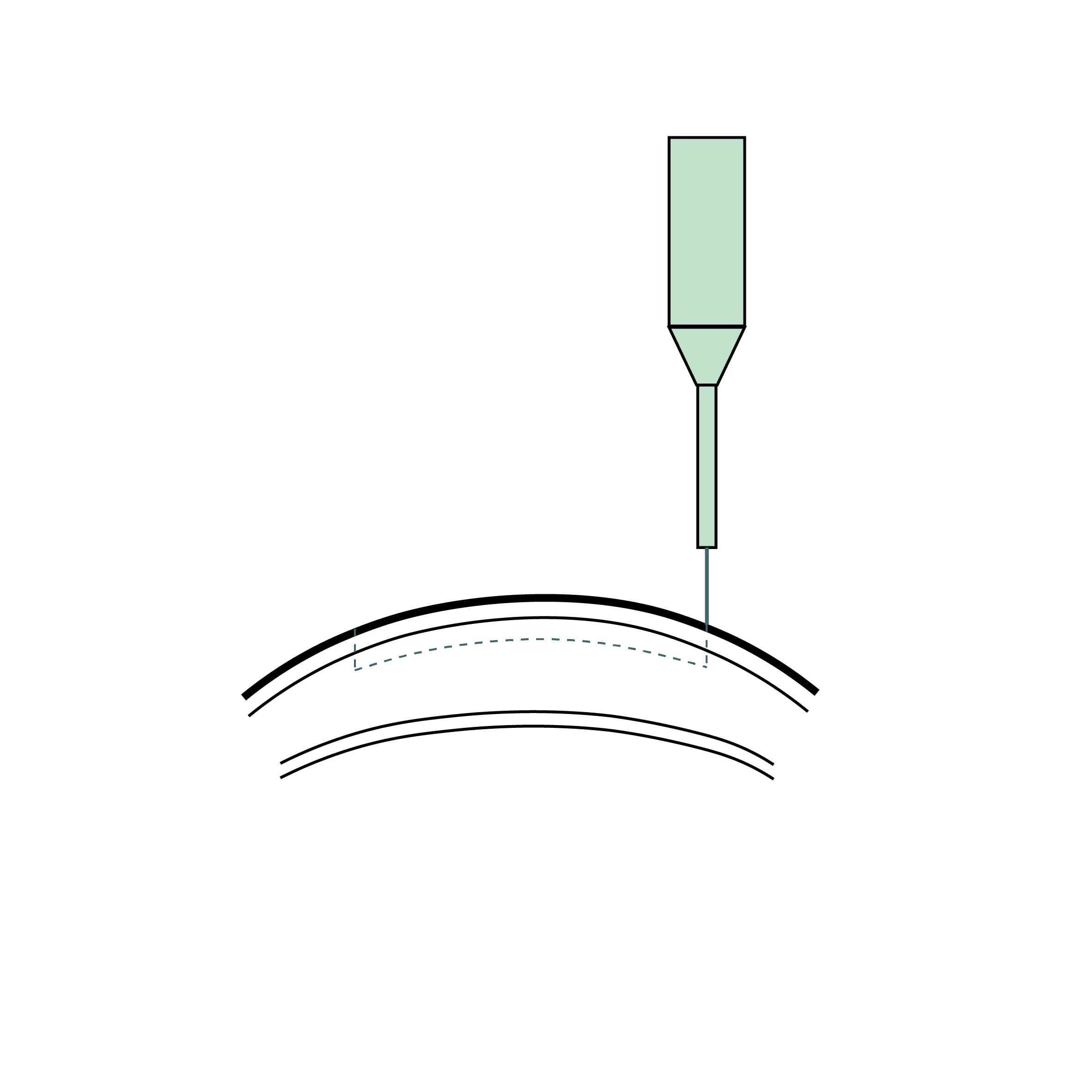
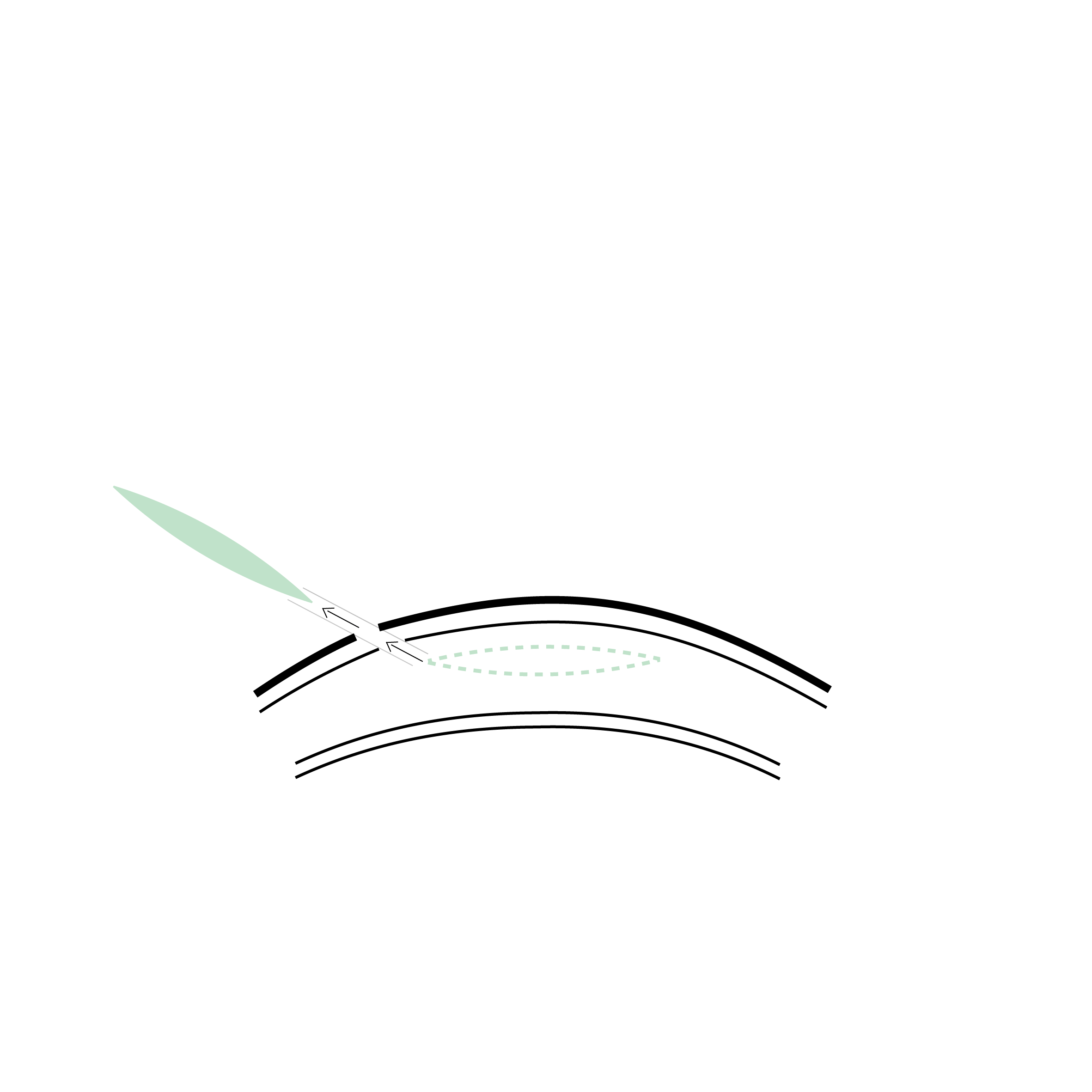
This diagram only shows the cornea in cross-section, represented in a vertical position as if lying on your back.
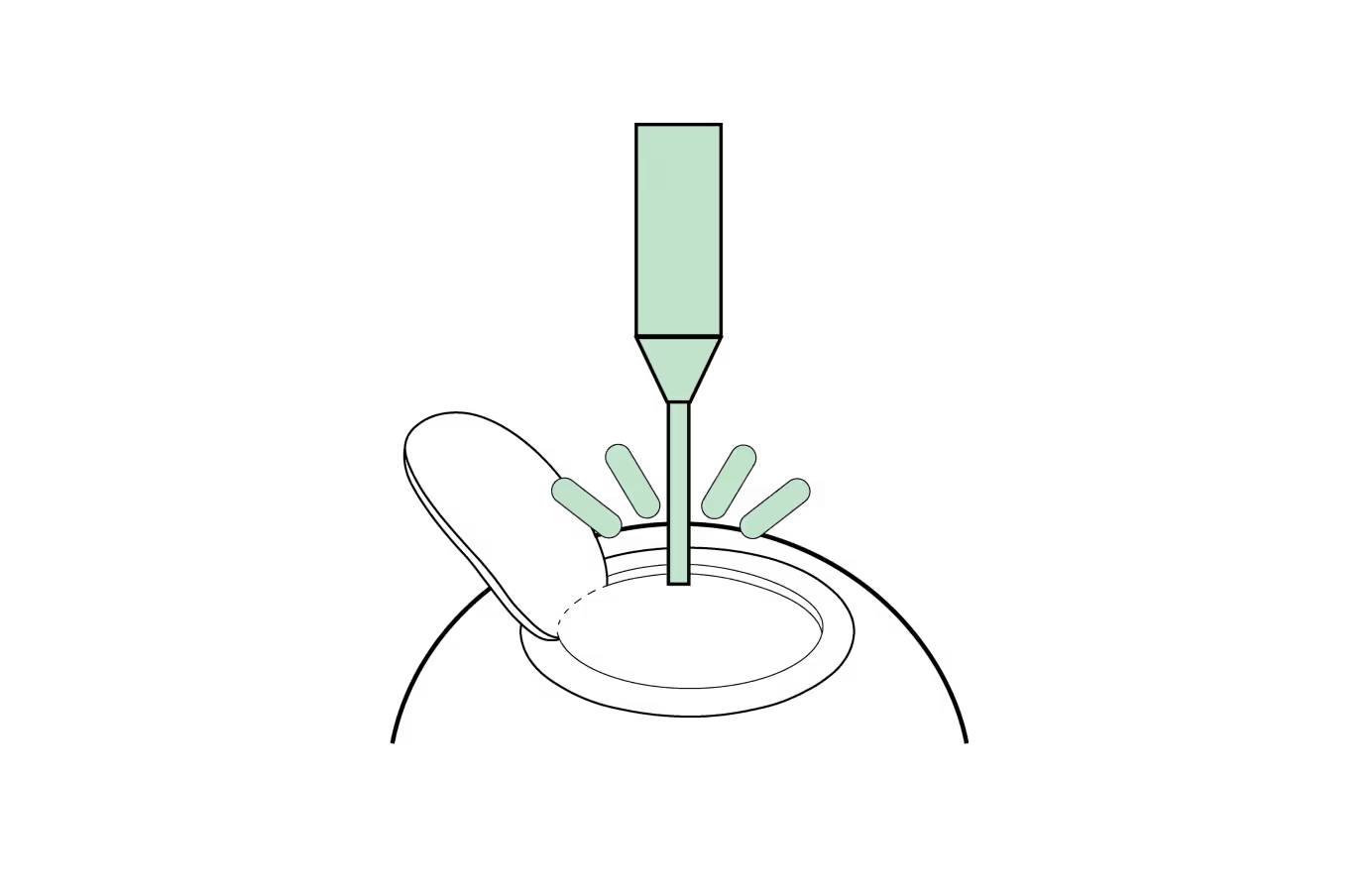
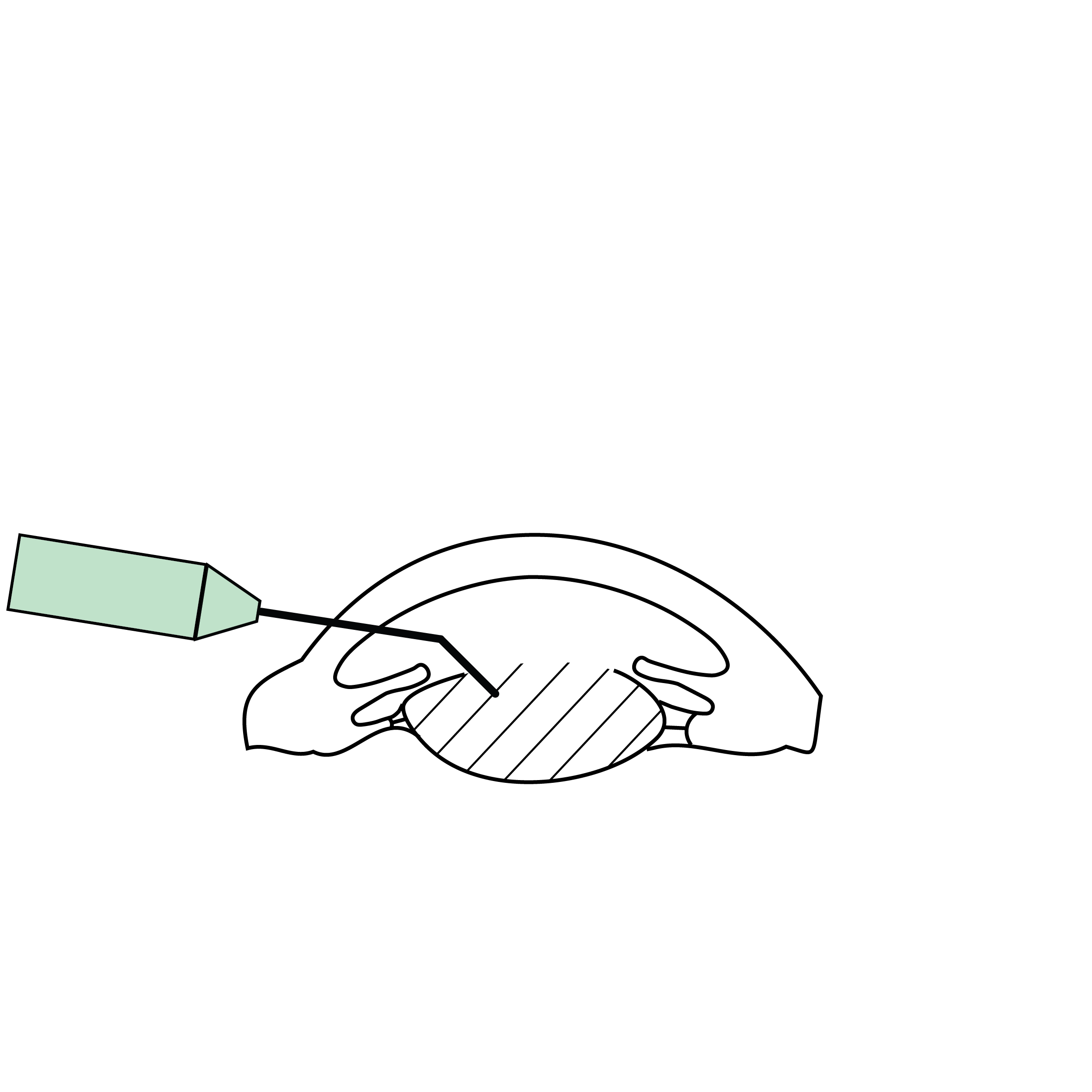
A high-precision femtosecond laser creates a thin flap in its superficial layers, preserving a hinge.
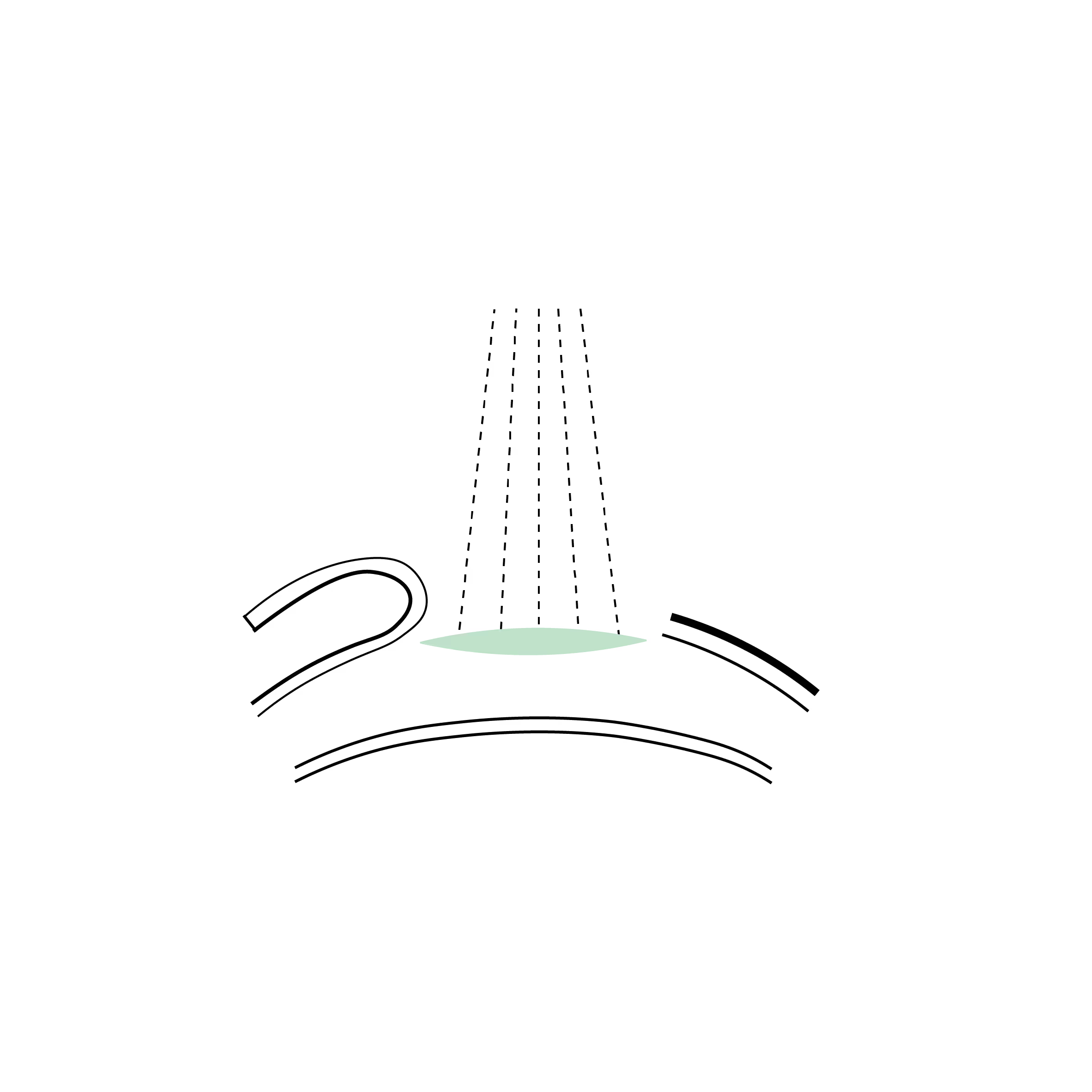
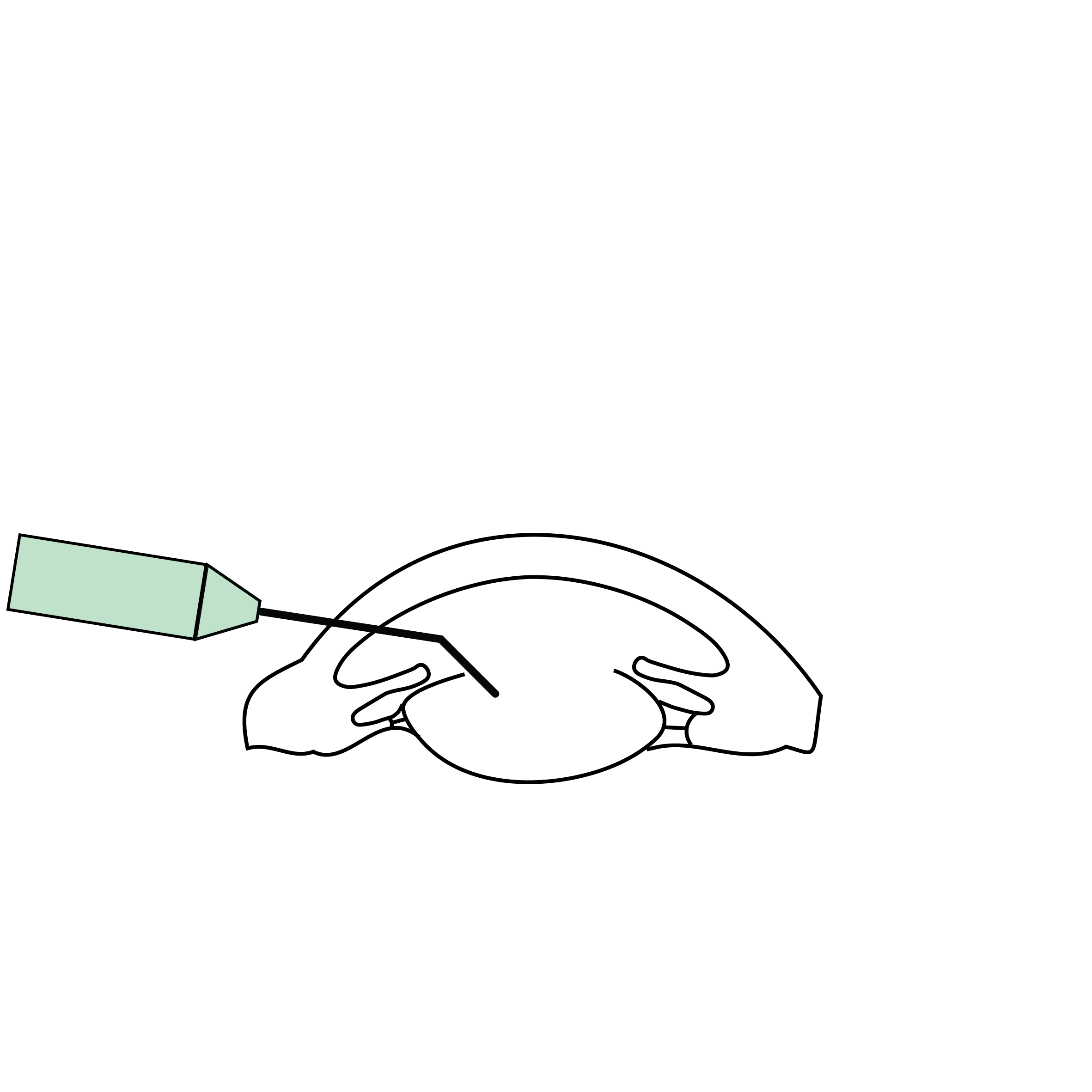
Lifting of the corneal flap, exposing the underlying stroma for excimer laser corneal reshaping to correct the visual impairment.
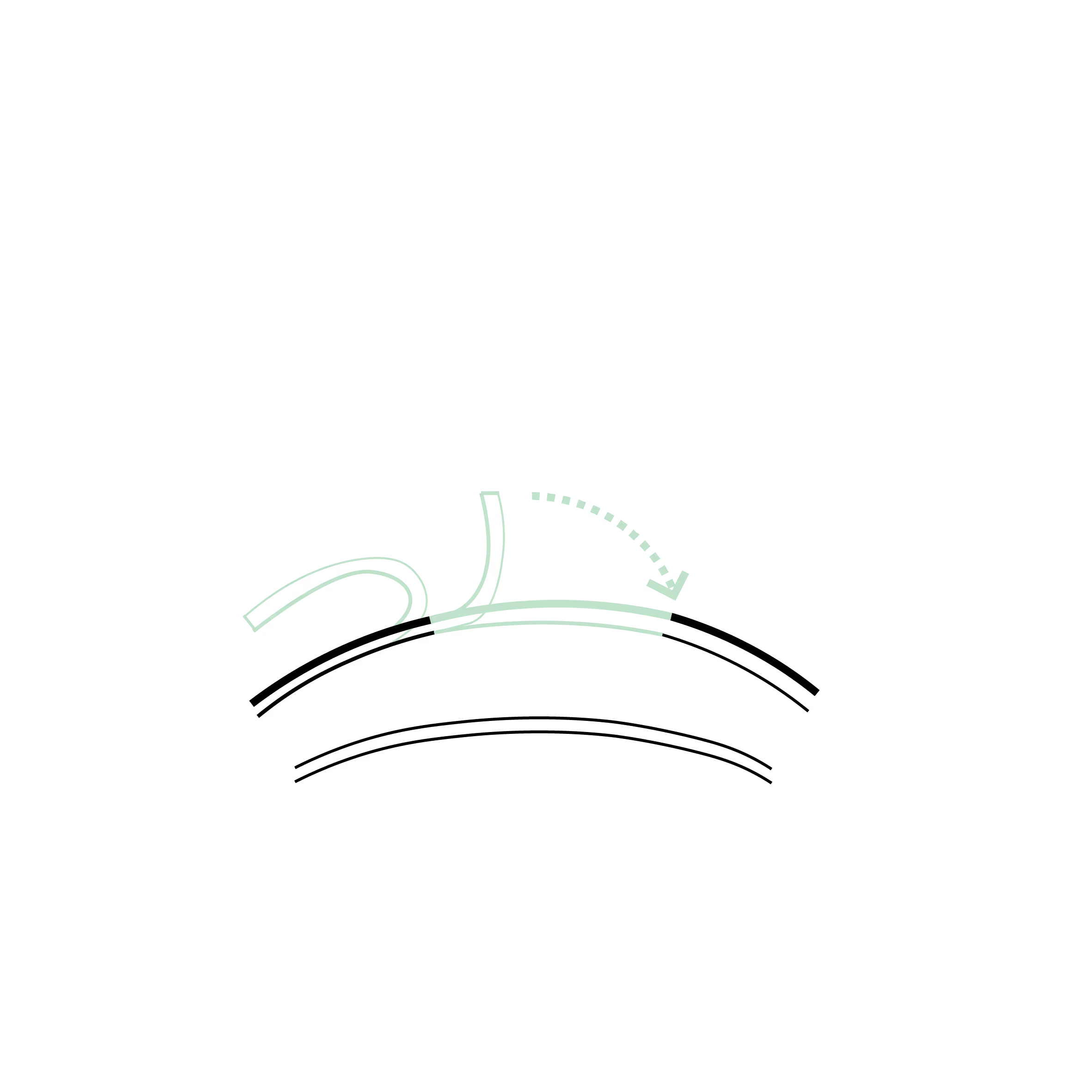
Repositioning of the corneal flap at the end of LASIK surgery: it is carefully returned to its original position. Precise alignment is essential to reduce the risk of complications such as flap folds or epithelial ingrowth.
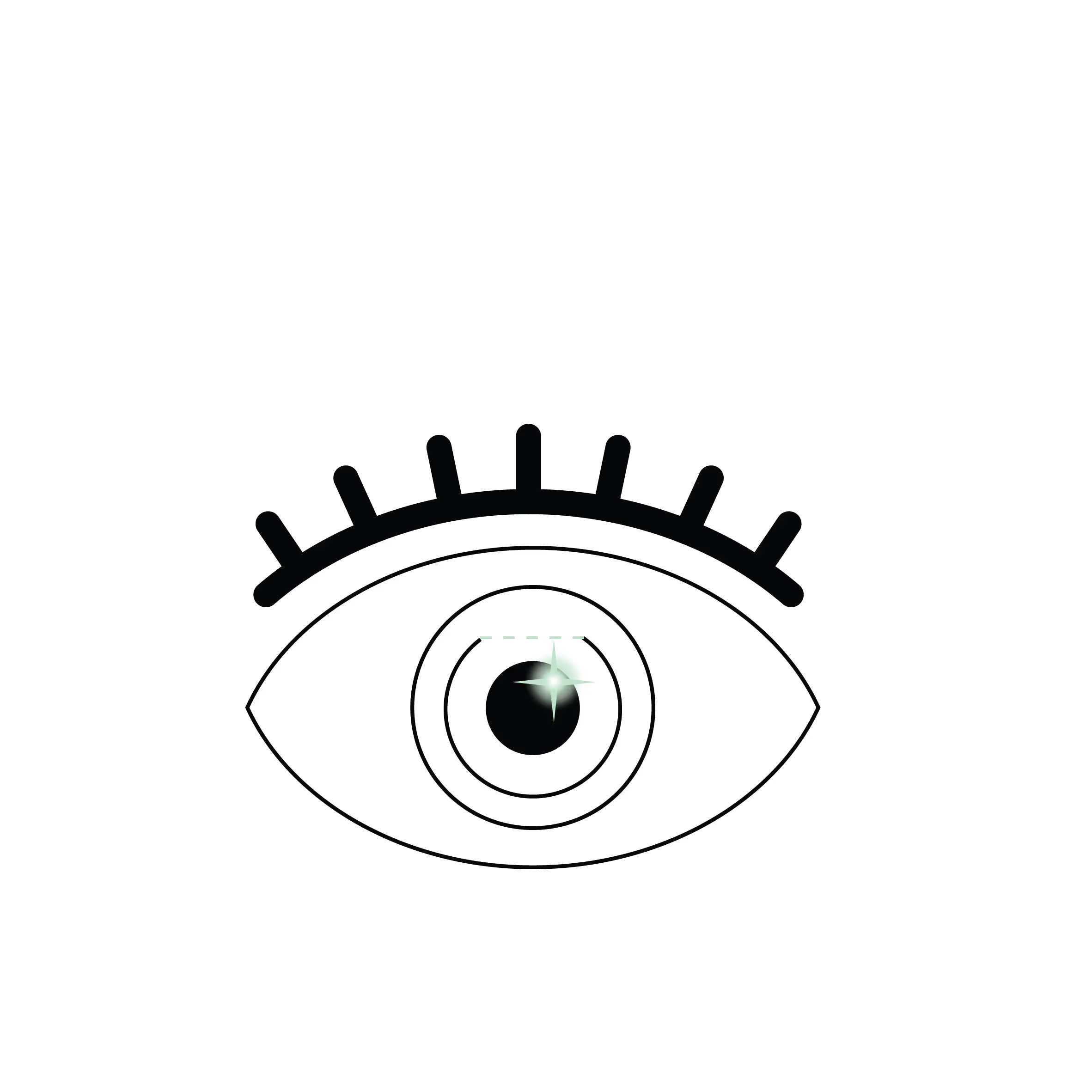
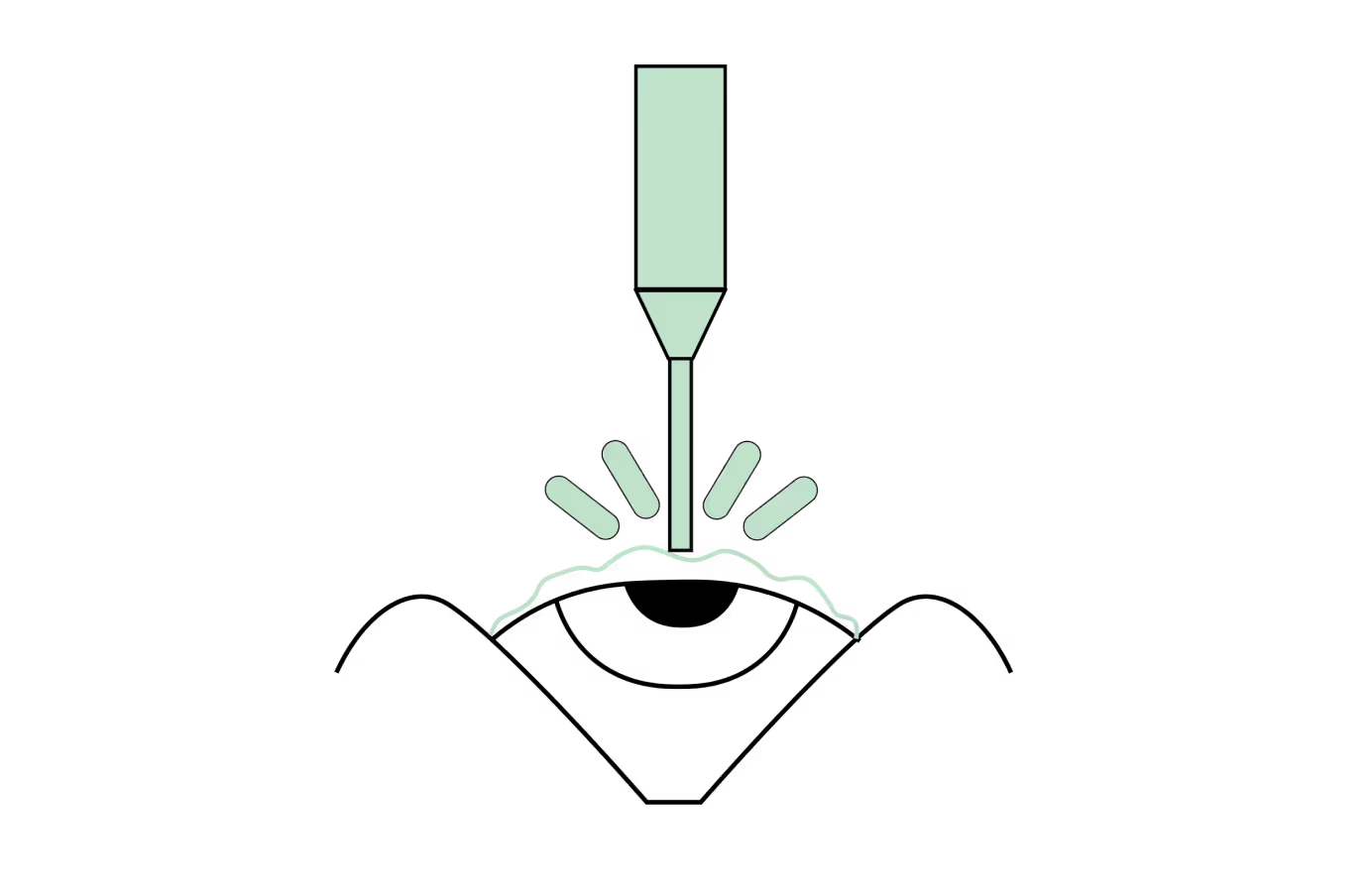
Eye after LASIK surgery, with the corneal flap perfectly repositioned. The cornea is smooth and transparent, allowing for clear vision.

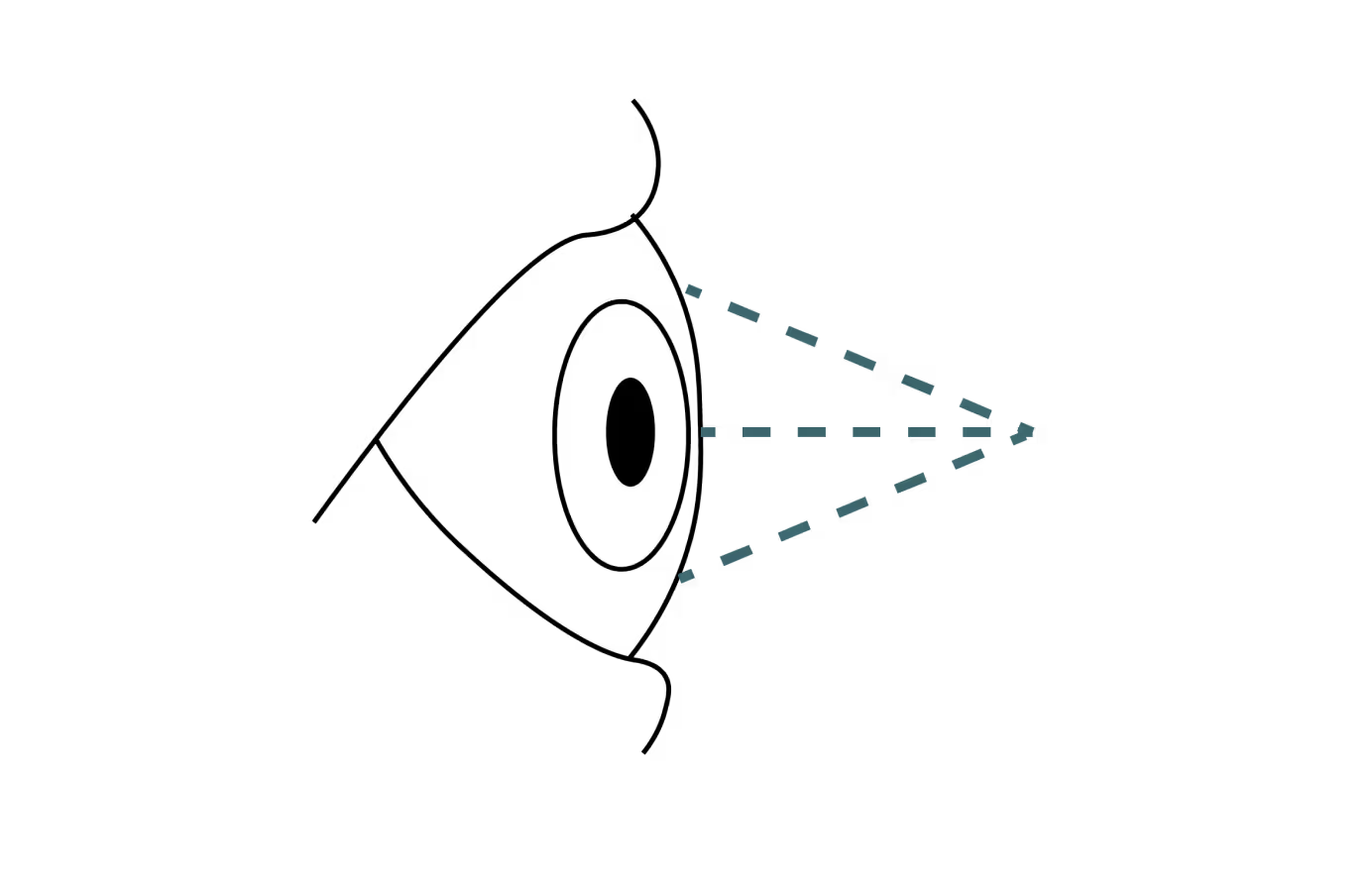
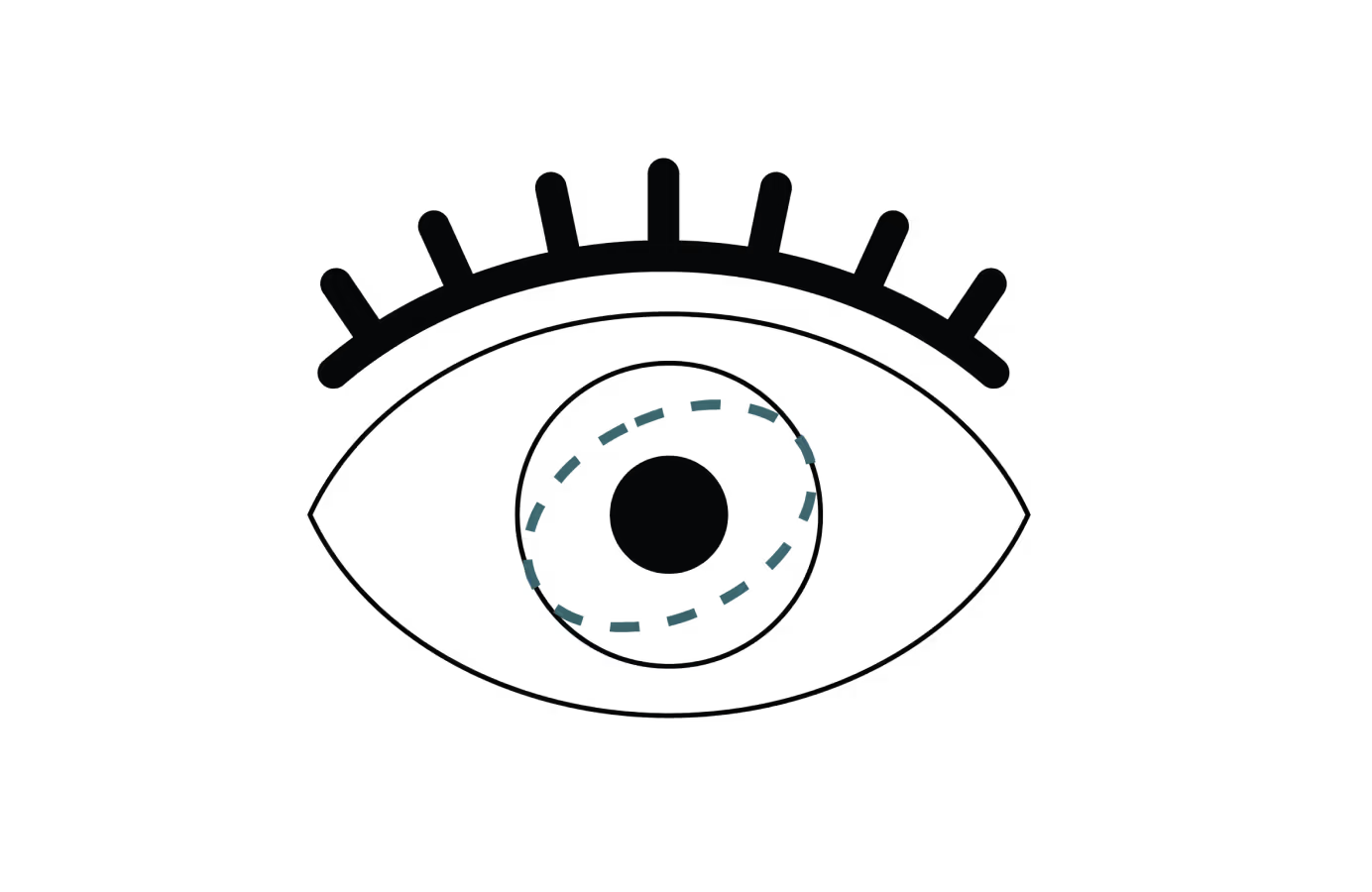
PresbyLASIK LBV Diagram: The dominant eye is treated for distance vision, the other for near vision, with a large intermediate overlap zone. This combination allows for continuous vision at all distances thanks to neuroadaptation.
What is Presby-LASIK?
Presby-LASIK is an innovative refractive laser procedure designed to correct presbyopia, the natural, age-related loss of near vision.
As a highly effective alternative to reading glasses, contact lenses, or intraocular lens surgery (such as RLE), Presby-LASIK offers a bespoke solution to restore functional vision across all distances: near, intermediate and far.
How does Presby-LASIK work?
Presby-LASIK utilises the same safe and established technology as traditional LASIK. The procedure begins with a femtosecond laser creating a thin, protective flap on the eye's surface. This flap is gently lifted, allowing a second laser (the Excimer) to precisely remodel the underlying corneal tissue. This reshaping ensures that light focuses accurately onto the retina.
Laser Blended Vision (LBV)
Modern techniques, such as Laser Blended Vision, utilize a sophisticated approach:
- Bespoke Aspheric Profiles: The laser reshapes each eye to increase the depth of field by inducing controlled spherical aberration.
- The Blend Zone: The dominant eye is optimized for distance vision, while the non-dominant eye is set for near vision. Crucially, both eyes maintain a significant overlap for intermediate vision, creating a "blend zone."
- Neuroadaptation: Thanks to this intermediate transition zone, the brain naturally learns to merge the images from both eyes. This process of neuroadaptation typically develops over a few weeks to a few months, resulting in fluid, seamless vision.
The procedure is rapid, performed under topical anaesthesia (numbing drops) and provides a swift recovery with clear vision often achieved by the following day.
What are the benefits?
- Clear Vision at All Distances: Reduces or eliminates the need for reading glasses or "varifocals."
- Bespoke Treatment: Every procedure is tailored to the patient’s unique corneal characteristics and visual requirements.
- Painless and Efficient: The procedure typically takes less than 10 minutes per eye and is generally painless.
- Swift Recovery: Most patients return to their normal daily activities within a few days.
- Enhanced Quality of Life: Restores visual freedom for reading, screen use, and driving without the constant need for visual aids.
Who is a suitable candidate?
- Age: Usually 40 years or older, once presbyopia begins to affect daily tasks.
- Stability: A stable prescription for at least 1–2 years.
- Ocular Health: Healthy corneas with sufficient thickness and no history of significant disease (e.g., keratoconus or advanced cataracts).
- General Wellbeing: No medical conditions that significantly impair healing or immunity.
- Not Pregnant or Breastfeeding: Hormonal changes during this time can temporarily alter your prescription.
It is important to acknowledge that every eye is unique. A comprehensive consultation with a specialist refractive surgeon is essential to determine whether Presby-LASIK is the most appropriate solution for your specific visual requirements.
What are the risks?
While Presby-LASIK is exceptionally safe, it is a surgical procedure and carries certain risks. The general surgical risks, such as temporary dry eye, transient visual disturbances (halos or glare), and a very low risk of infection, are the same as those for standard LASIK.
Specific considerations for Presby-LASIK include:
- Neuroadaptation Period: It can take several weeks or months for the brain to fully adjust to the "blended" visual profile.
- Refinement: In a small number of cases, a "top-up" or enhancement procedure may be required to fine-tune the visual result and ensure optimal focus.
Les différentes types de greffes
Découvrez les kératoplasties (= greffes de cornée)
Frequently asked questions
If you have any further questions, please do not hesitate to contact us!
Is Presby-LASIK safe?
Yes, it is a safe and proven procedure when performed by a qualified specialist. Like any medical procedure, it carries rare risks, but these can be largely prevented through precise technique, careful patient selection, rigorous follow-up, and the experience of the surgeon and their team, thus ensuring optimal care and preserved vision.
When will I see the results of Presby-LASIK?
Vision often improves as early as the day after the procedure, with optimal results appearing within a few weeks, while neuroadaptation gradually stabilizes over several months.
Is Presby-LASIK suitable for everyone?
No, Presby-LASIK is primarily for individuals bothered by presbyopia, which typically begins around age forty. A personalized evaluation is essential to determine if you are eligible for this procedure.
Is Presby-Lasik covered by insurance?
Presby-LASIK is generally considered an elective procedure and is not covered by most basic health insurance plans. However, some supplementary insurance plans may partially cover the treatment depending on your contract's terms. Additionally, some refractive surgery centers have partnerships with insurers or companies, allowing their clients or employees to benefit from preferential rates.
Do I still need glasses after Presby-LASIK?
Most patients no longer need glasses for reading, distance vision, or intermediate distances. A period of several months may be necessary for your eyes to fully adapt to your new vision. During this time, glasses may be helpful for certain activities, such as prolonged reading in low light or night driving.
What are the possible side effects of LASIK and Presby-LASIK?
Temporary effects such as dry eyes or light sensitivity may occur, but these generally subside over time.
Linked procedures
Discover other related surgical topics
%20au%20laser.avif)
.avif)

Book a consultation
Swiss Visio Montchoisi
1006 Lausanne, Switzerland