Laser eye surgery: Recovery
Laser refractive surgery offers a remarkably swift recovery due to the cornea's exceptional natural healing capacity. Regardless of the specific technique used - LASIK, Presby-LASIK, SMILE or PRK - the biological healing process begins the moment the procedure is complete.
Most patients experience a significant improvement in their functional vision within the first 24 to 48 hours, allowing them to resume the majority of their daily activities almost immediately. While early clarity is common, we provide a personalised post-operative follow-up programme to monitor the gradual stabilisation of your vision and ensure an optimal, long-term outcome.


How does it work?
Learn more about the procedure / equipment

Using a Protective Shield After Laser Eye Surgery:
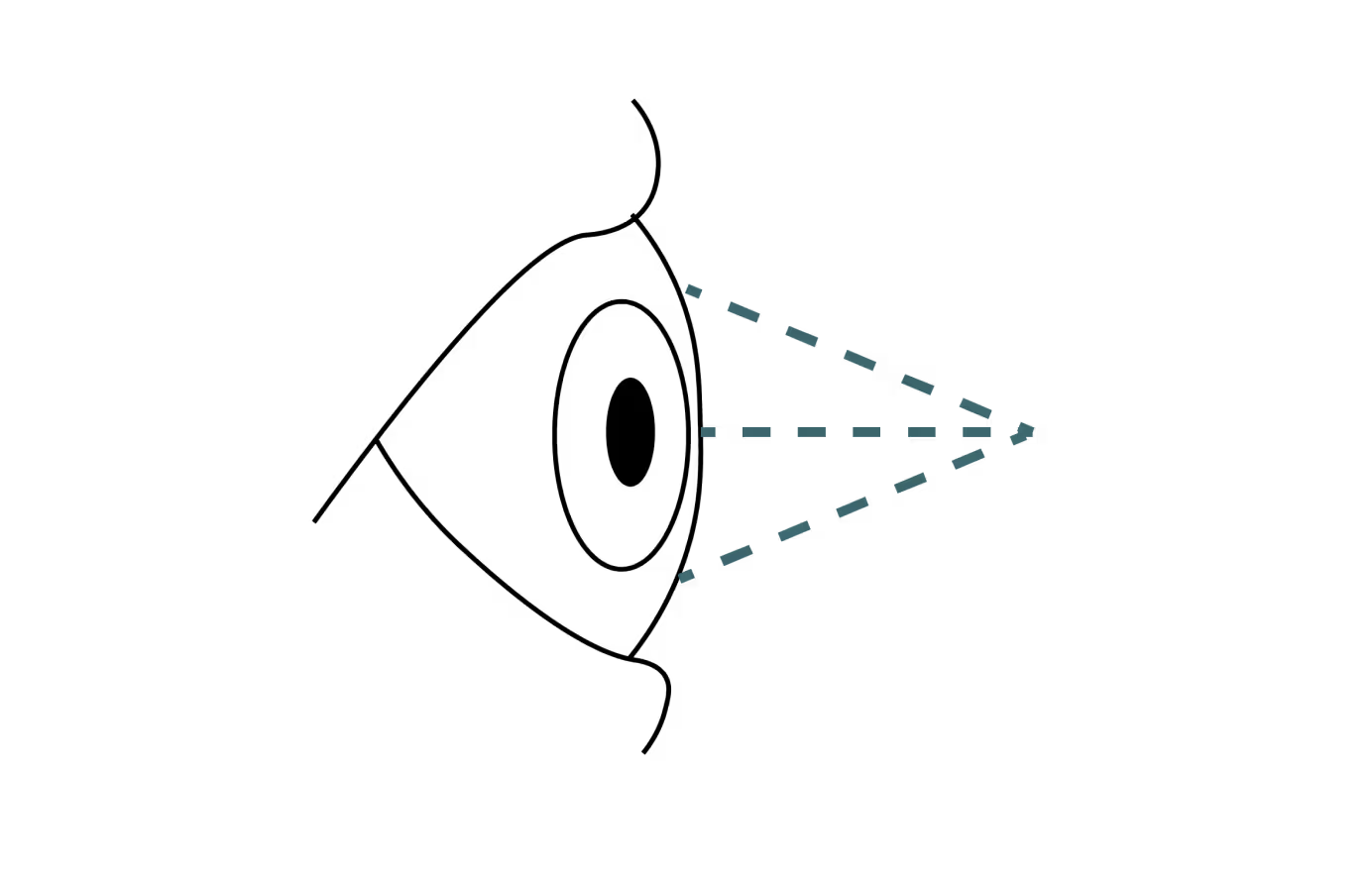
The rigid shield rests on the face without touching the eye and is secured with adhesive strips on the skin around the orbit. It is worn during sleep to prevent any involuntary contact or rubbing on the healing eye.

Using a Protective Shield After Laser Eye Surgery:
The rigid shield rests on the face without touching the eye and is secured with adhesive strips on the skin around the orbit. It is worn during sleep to prevent any involuntary contact or rubbing on the healing eye.

Transient visual aberrations after refractive surgery (from left to right):
- Light source seen by an eye without aberrations
- Glare (diffuse glare)
- Halos (luminous rings)
- Starbursts (star-shaped bursts)
Returning to Daily Activities
Most patients return to work and driving shortly after laser eye surgery. However, recovery times vary depending on the technique used and your individual healing rate.
Typical Recovery Timelines:
- Driving: Generally 1–2 days after LASIK, 2–4 days after SMILE, and 1–2 weeks after PRK. You must only resume driving once your surgeon confirms your vision meets the legal standard.
- Showering & Bathing: You may bathe the evening of your procedure. However, you must prevent water or soap from entering your eyes until the surface has healed (typically 48 hours for LASIK/SMILE and 3–5 days for PRK).
- Make-up: Avoid eye make-up for at least 1 week.
- Swimming: Avoid swimming for 2 to 3 weeks. Once resumed, wear goggles to protect against chlorine and bacteria.
- Exercise: Light exercise (e.g., jogging, stationary cycling) can usually resume after 3 days. Racket sports and football should be avoided for 2 weeks. High-impact or combat sports (e.g., boxing) should be avoided for at least one month.
- Air Travel: There are no restrictions on flying; however, aircraft cabins are very dry. We recommend applying lubricating drops every hour during the flight.
Post-Operative Care
Adhering to your aftercare protocol is essential for a swift and safe recovery:
- Eye Shields: Wear the provided protective shields while sleeping for the first week to prevent accidental rubbing.
- Do Not Rub Your Eyes: This is critical, particularly after LASIK, to ensure the flap remains perfectly positioned.
- Prescription Drops: Follow your schedule for antibiotic, anti-inflammatory and lubricating drops strictly to prevent infection and manage dryness.
- Rest: Limit screen time (phones, computers, TV) for the first 24–48 hours to reduce eye strain.
- UV Protection: Your eyes will be sensitive to light. Wear high-quality sunglasses when outdoors; this is especially important for the first 6 months following PRK.
- Follow-up Appointments: Attend all scheduled reviews so your surgeon can monitor the healing process and ensure the best visual outcome
What to Expect During Recovery
While most patients resume normal activities within 48 hours, biological healing takes time. Occasional fluctuations are a normal part of the stabilisation process.
Normal Symptoms May Include:
- Mild Discomfort: A "gritty" or itchy sensation for the first few days.
- Visual Fluctuations: Slight blurring or "ghosting" as the cornea settles.
- Sensitivity to Light: Increased sensitivity to bright lights or sunlight.
- Watery Eyes: Reflex tearing is common in the early stages of healing.
- Dry Eye: This is the most common symptom. It is usually temporary and well-managed with the prescribed artificial tears.
Les différentes types de greffes
Découvrez les kératoplasties (= greffes de cornée)
Frequently asked questions
If you have any further questions, please do not hesitate to contact us!
Is laser eye surgery painful?
Laser eye surgery, such as LASIK, SMILE or PRK, is generally not painful, as anaesthetic drops are applied before the procedure.
How long is the recovery after laser eye surgery?
Recovery times vary depending on the procedure:
- LASIK requires 1 to 3 days to resume daily activities and up to 3 months for complete healing.
- SMILE allows a return to activities within 2 to 4 days, with full healing similar to LASIK.
- PRK requires 1 to 2 weeks to resume activities and up to 6 months for complete stabilisation.
How long does laser eye surgery take?
The procedure is quick, usually lasting less than 10 minutes per eye. The laser treatment itself takes only a few seconds. Most of the time is spent settling you comfortably before the procedure begins.
What does it feel like just after laser eye surgery?
This depends on the type of procedure:
- With LASIK and SMILE, eye irritation may occur on the same day but usually disappears by the next day.
- With PRK, a surface technique, the discomfort is more pronounced and often lasts 2 to 3 days. This discomfort is well controlled by the drops prescribed after the procedure and by the therapeutic contact lens temporarily placed to promote healing.
Can I use screens after laser eye surgery?
It is best to wait at least 24 hours. At first, your eyes may feel dry or tired, so limit screen time to avoid straining them. Use lubricating eye drops and take breaks when looking at a screen.
Is laser eye surgery permanent?
Laser eye surgery provides lasting results, but it may not be permanent for everyone.
Most patients enjoy stable vision for many years, but factors such as age, changes in the eye over time or conditions like presbyopia can affect vision later on.
In some cases, an enhancement may be needed to maintain optimal vision. For the majority of people, however, the results remain very durable.
What are the benefits of laser eye surgery?
Laser eye surgery improves vision, often removing the need for glasses or contact lenses. Results are rapid, with vision improving for many patients within just 24 to 48 hours.
It offers long-term savings compared with glasses and contact lenses and makes daily activities easier, bringing freedom for sport and travel.
With a high success rate and low risks, it is a safe and effective solution for clearer vision.
Cost of contact lenses vs refractive surgery?
In the long term, the cost of contact lenses, including cleaning solutions and regular replacements, can exceed the cost of laser refractive surgery. Although the initial investment for surgery such as LASIK/SMILE/ICL is higher, it is offset over the years by eliminating the recurring expense of contact lenses or glasses. Moreover, surgery offers a lasting and convenient solution, improving vision without the need for additional equipment.
How does laser eye surgery work?
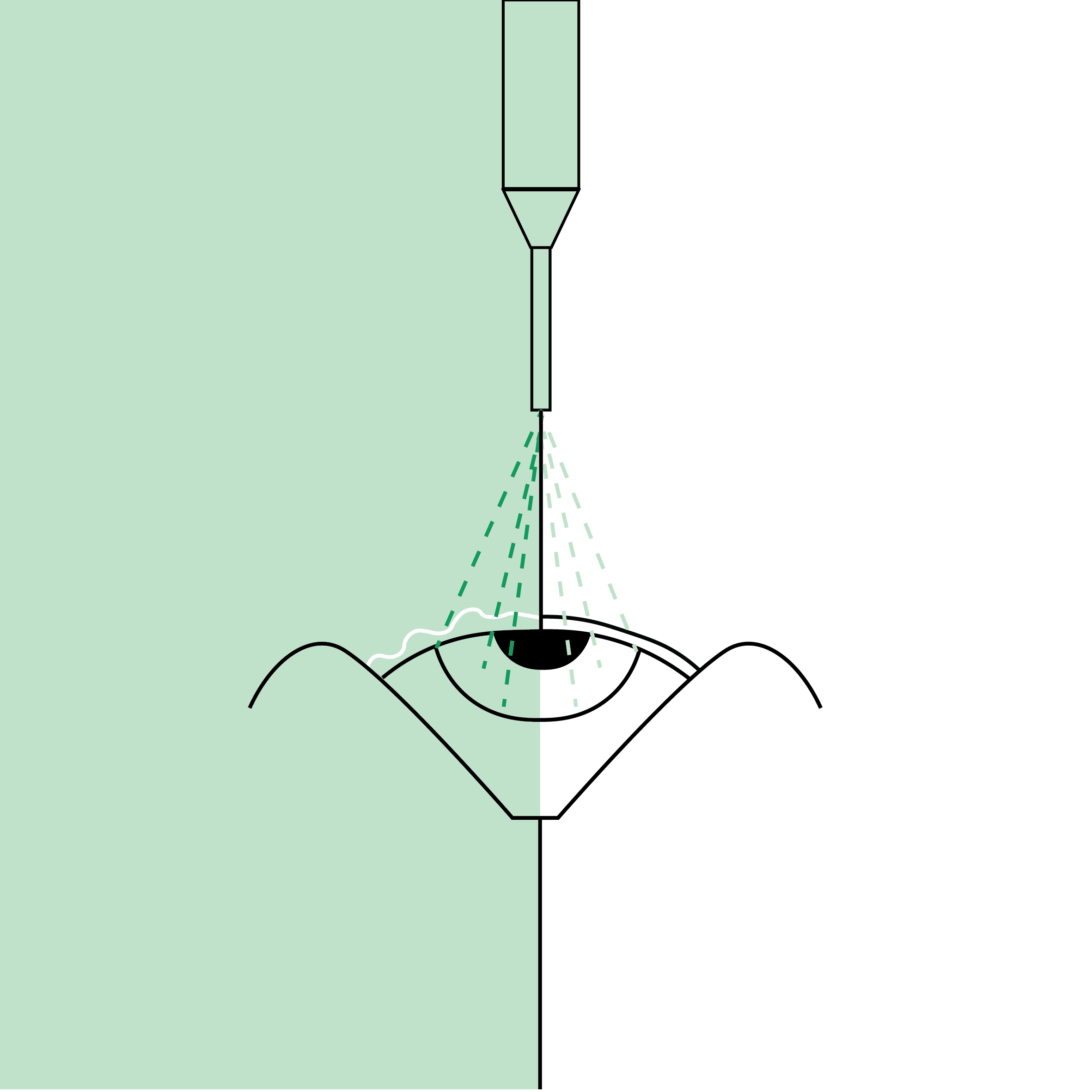
Laser eye surgery reshapes the cornea to improve how light focuses on the retina.
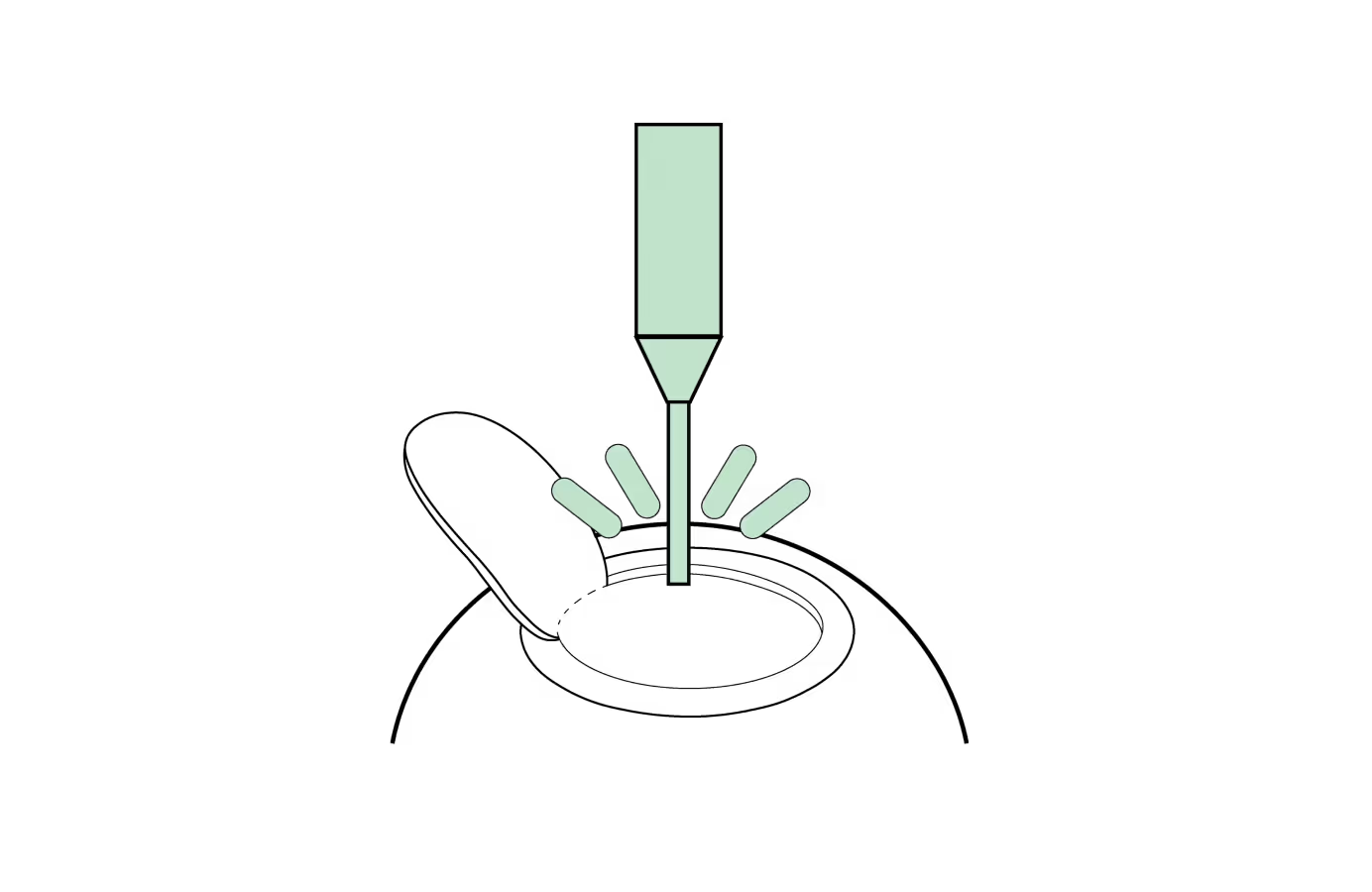
In LASIK, a flap is created with a first laser (femtosecond), then the cornea underneath is reshaped with a second laser (excimer).
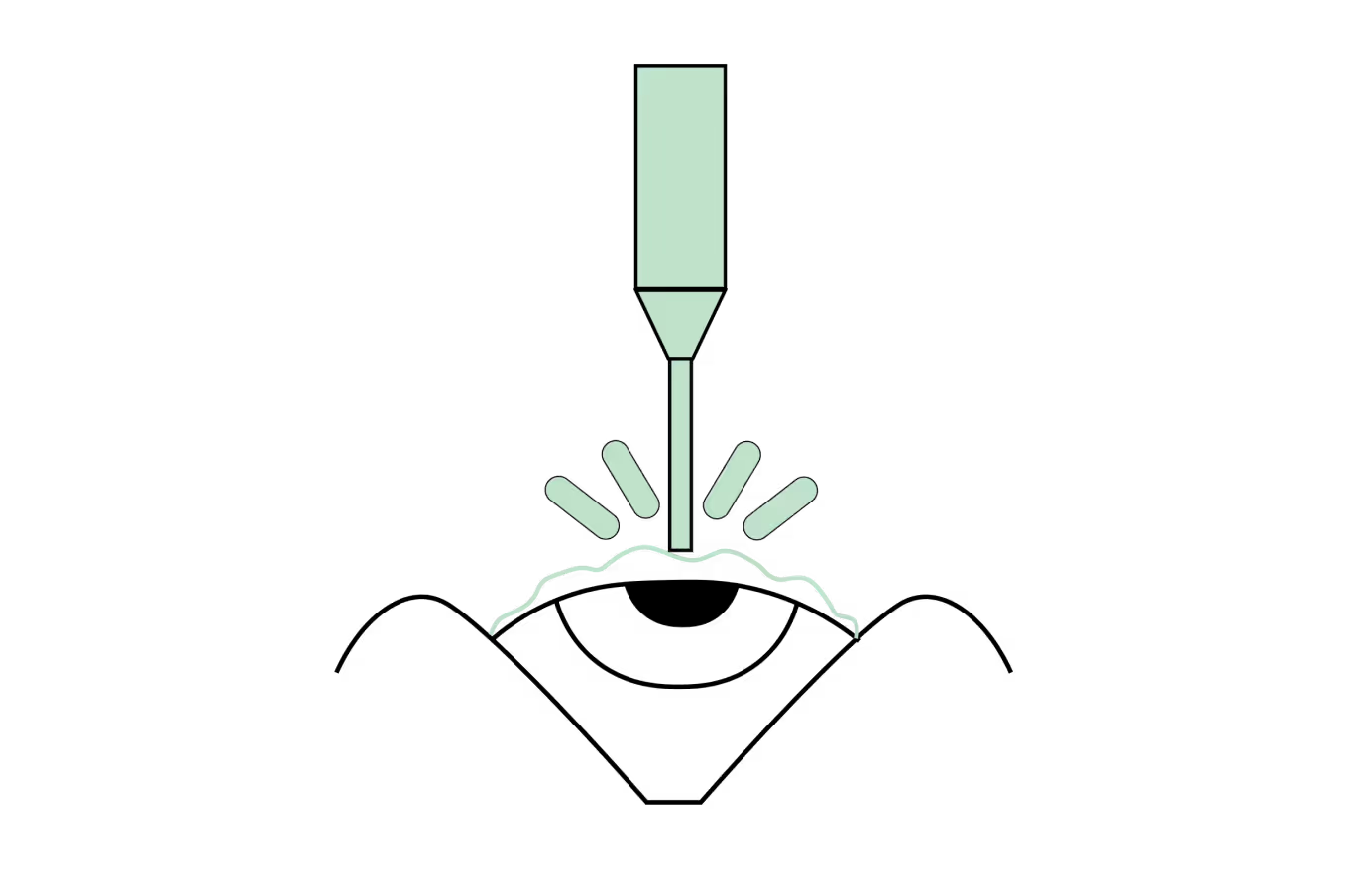
In PRK, the outer layer (epithelium) is removed and the surface is reshaped directly with the second laser.
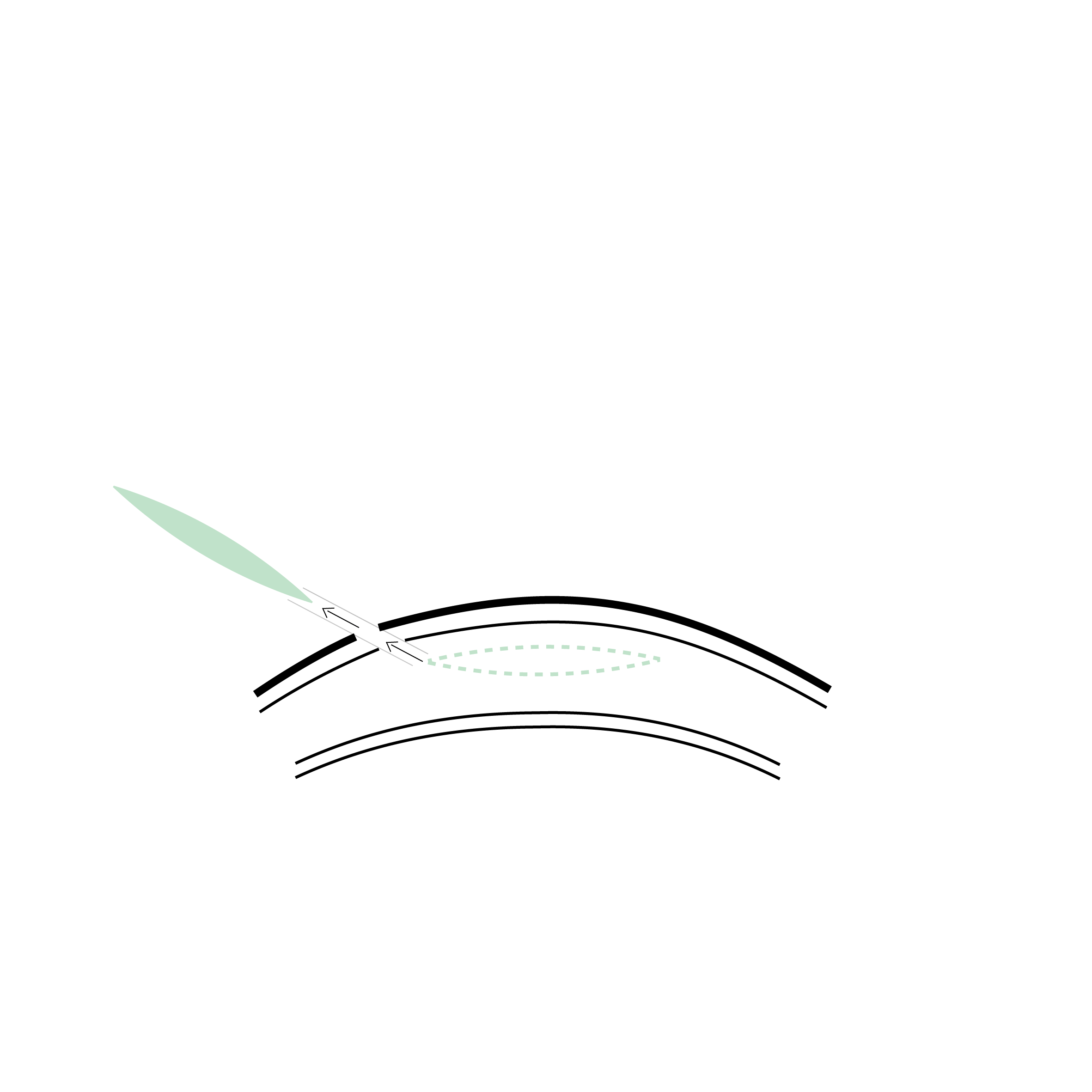
In SMILE, a thin lenticule inside the cornea is precisely shaped with the (femtosecond) laser, then removed through a small opening.
Linked procedures
Discover other related surgical topics
%20au%20laser.avif)
%20(1).png)
.avif)





Book a consultation
Swiss Visio Montchoisi
1006 Lausanne, Switzerland