Intraocular lens implants
Intraocular lenses (IOLs) are artificial implants placed inside the eye to improve vision.
They can replace the natural lens during cataract surgery orclear lens exchange (pseudophakic lenses) or be added without removing it to correct significant vision defects such as myopia, hyperopia, and astigmatism (phakic lenses). These lenses restore clear vision and are implanted during a quick procedure performed under local anesthesia.


How does it work?
Learn more about the procedure / equipment

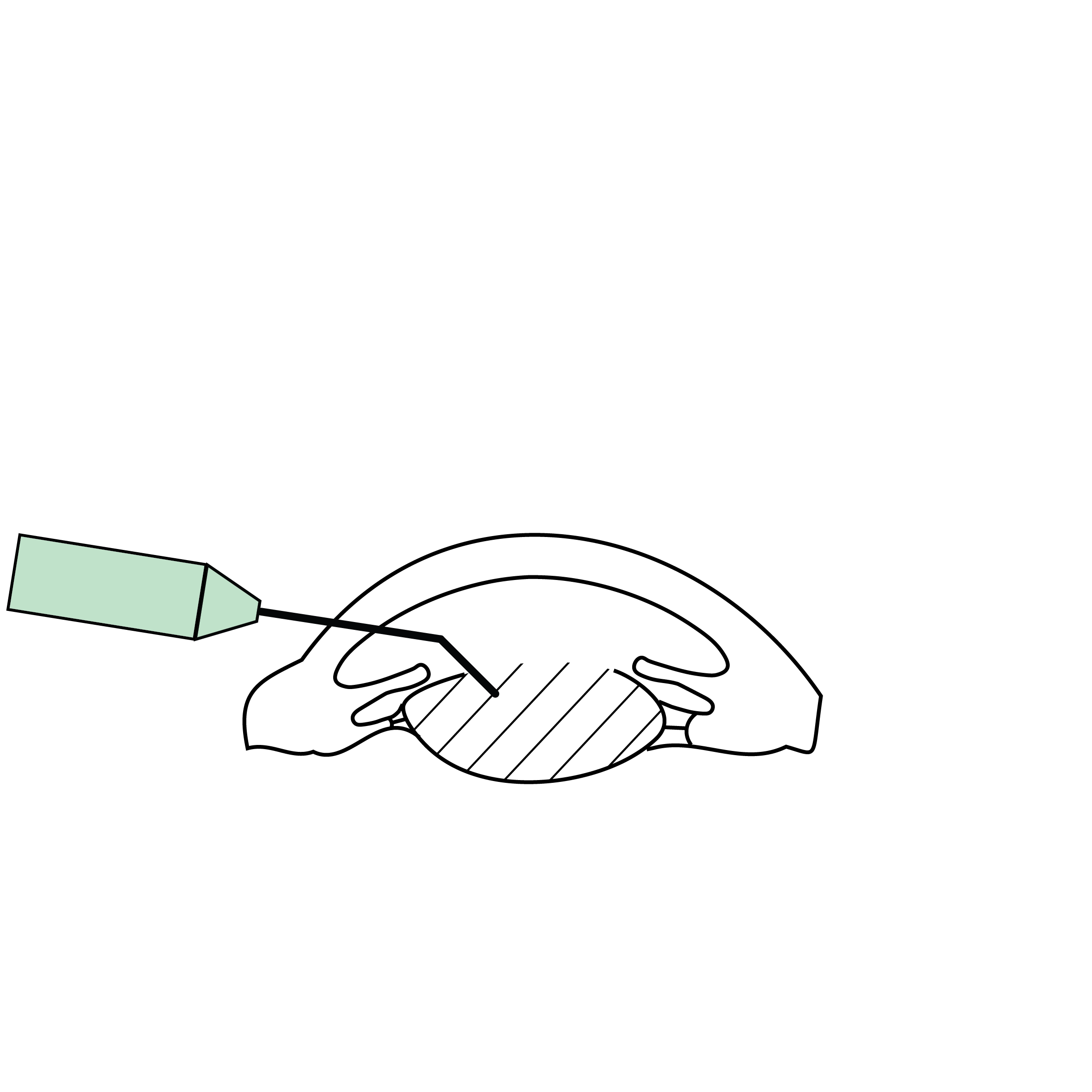
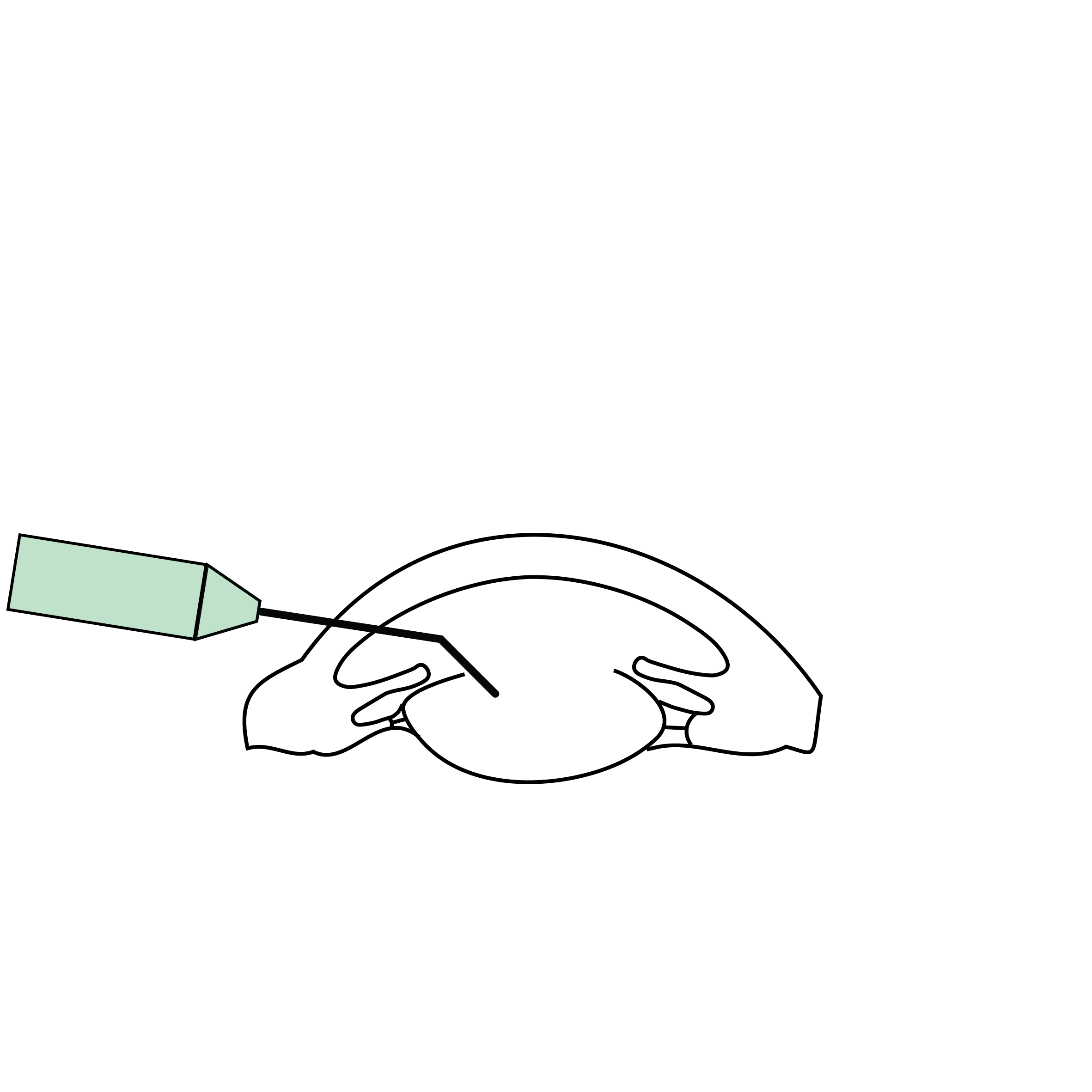
Phakic lens (ICL/IPCL): also known as an "Implantable Contact Lens," implanted without removing the natural lens to correct a wide range of refractive errors (from +10D hyperopia to -30D myopia with up to 6D astigmatism). Thin, flexible, and reversible, it offers an alternative to laser refractive surgery without causing dry eyes.
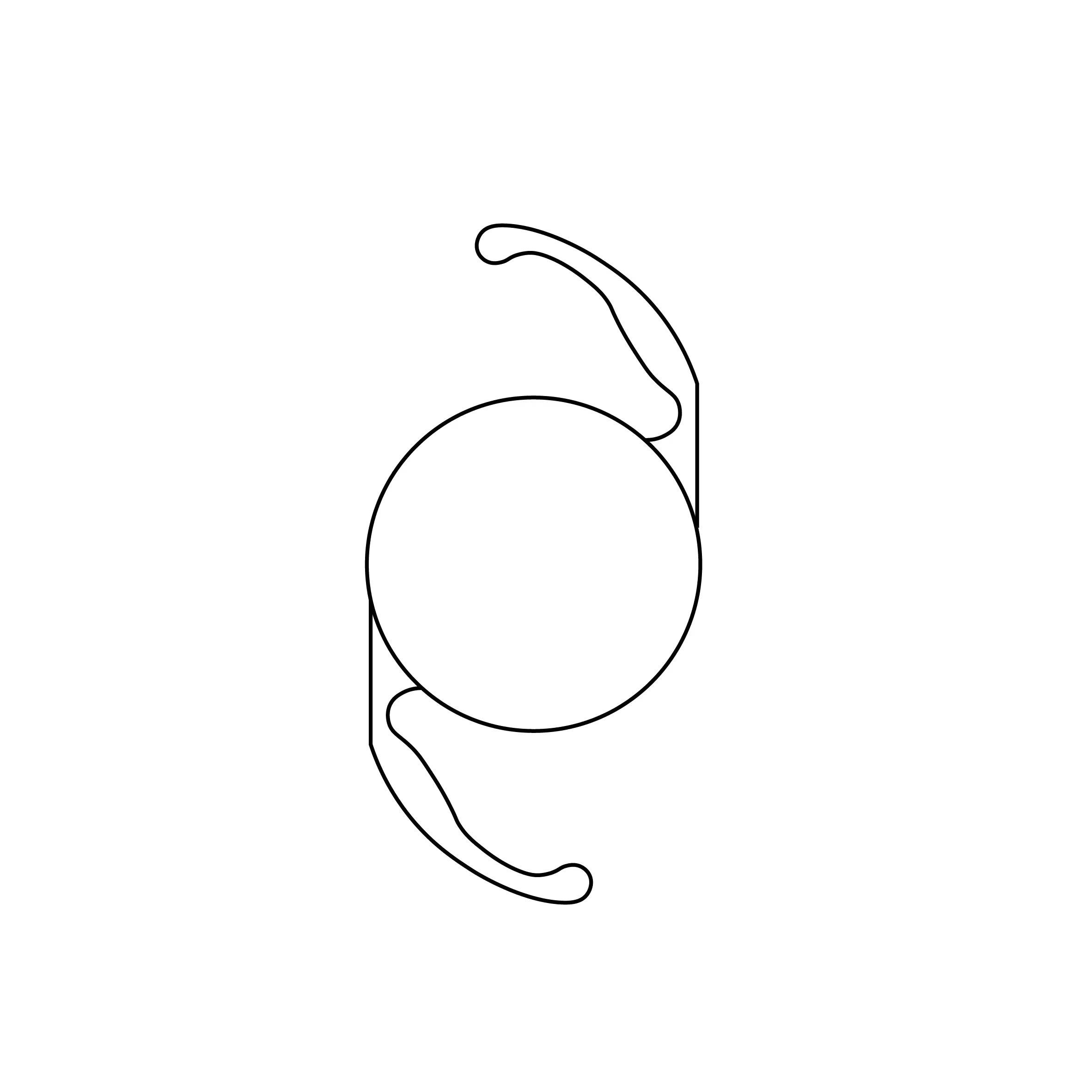
Monobloc monofocal pseudophakic IOL: a flexible implant made of a single material, with integrated optics and haptics, placed in the capsular bag after cataract surgery, correcting vision at a single distance, usually for distance vision.
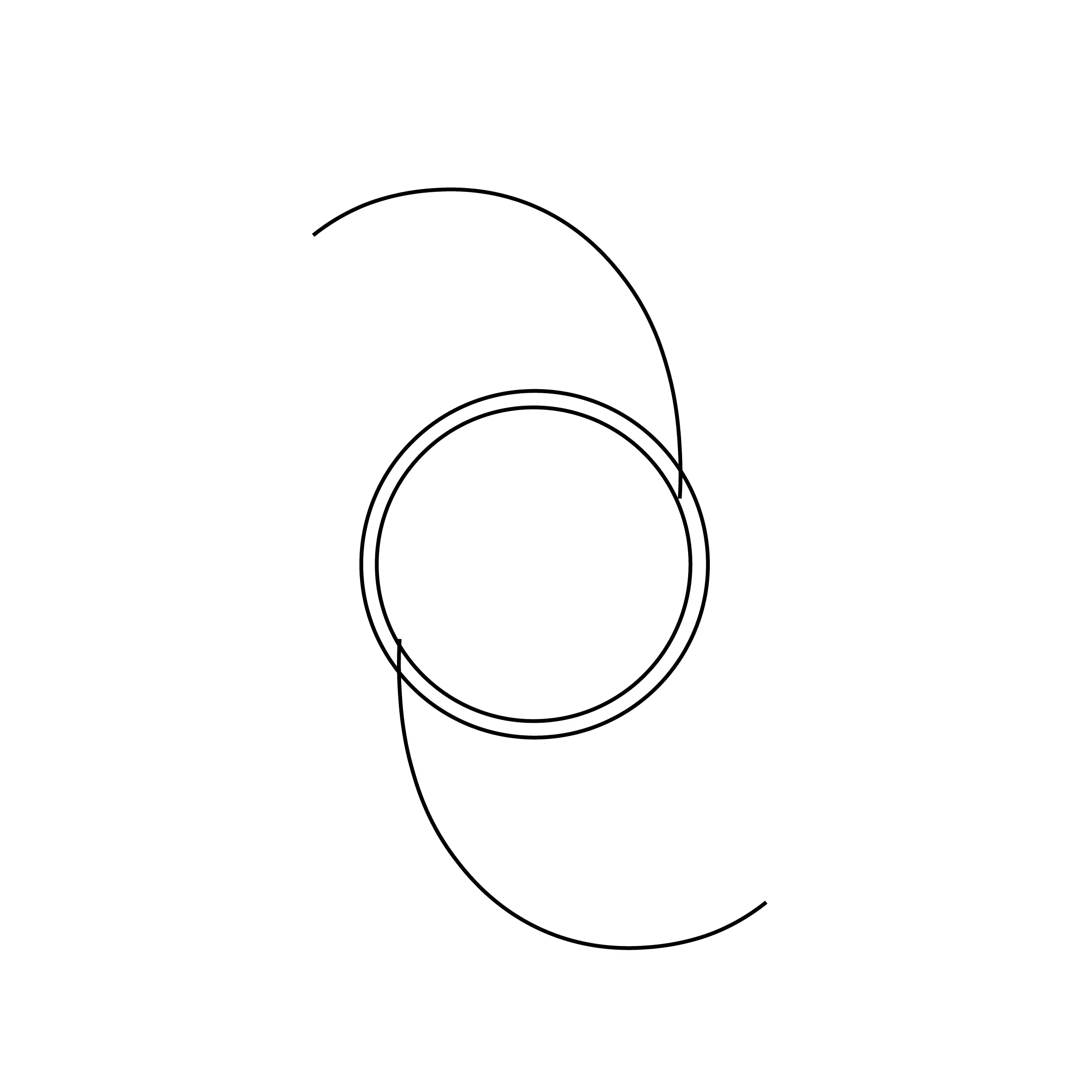
3-piece pseudophakic IOL: an implant with a central optic and separate haptics, often used in cases of capsular rupture for sulcus implantation. Also suitable for high ametropia if extreme powers are not available in a one-piece design.
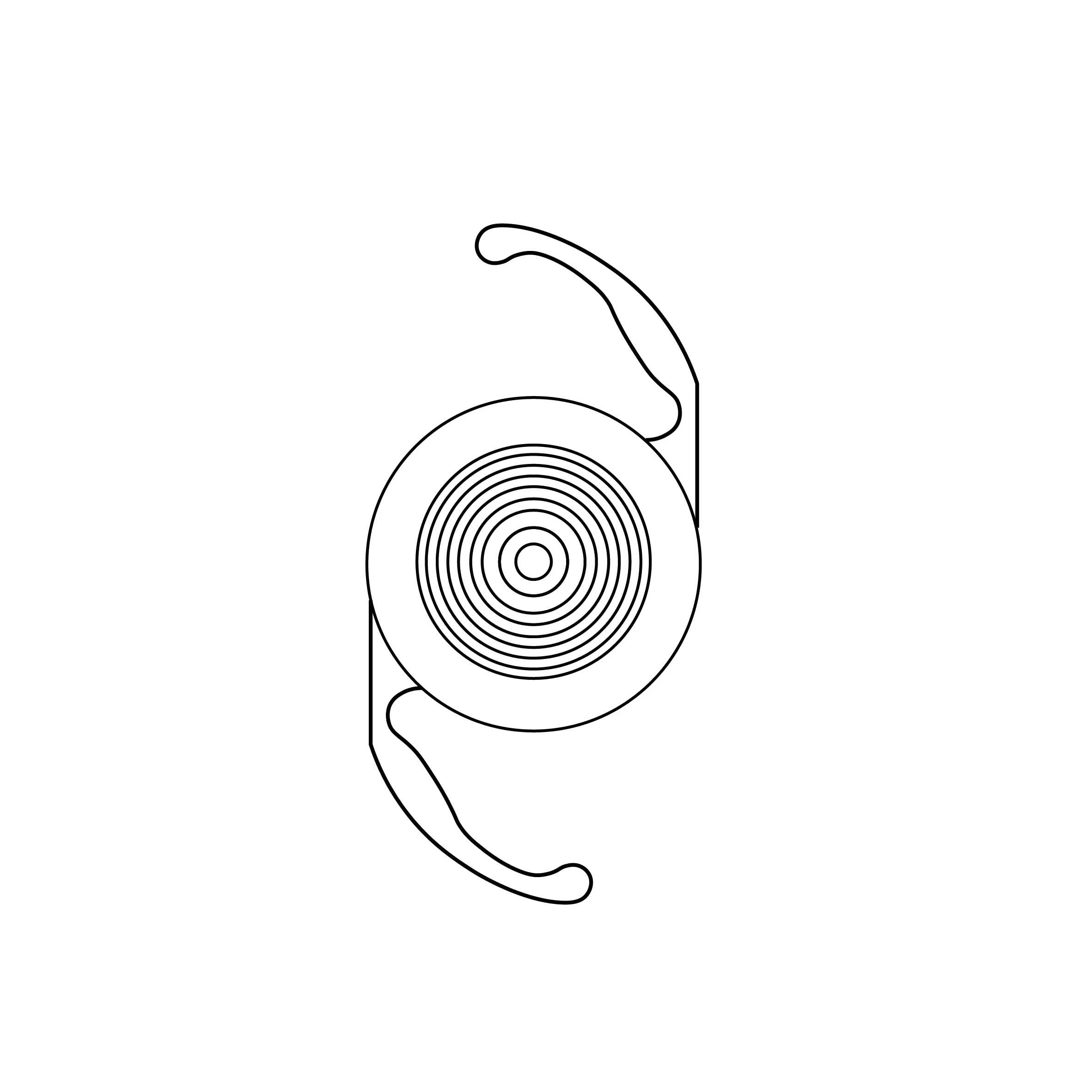
Multifocal pseudophakic IOL: an implant designed to provide simultaneous vision at multiple distances (far, intermediate, and near) using concentric zone optics. It reduces dependence on glasses after cataract surgery or refractive lens exchange.
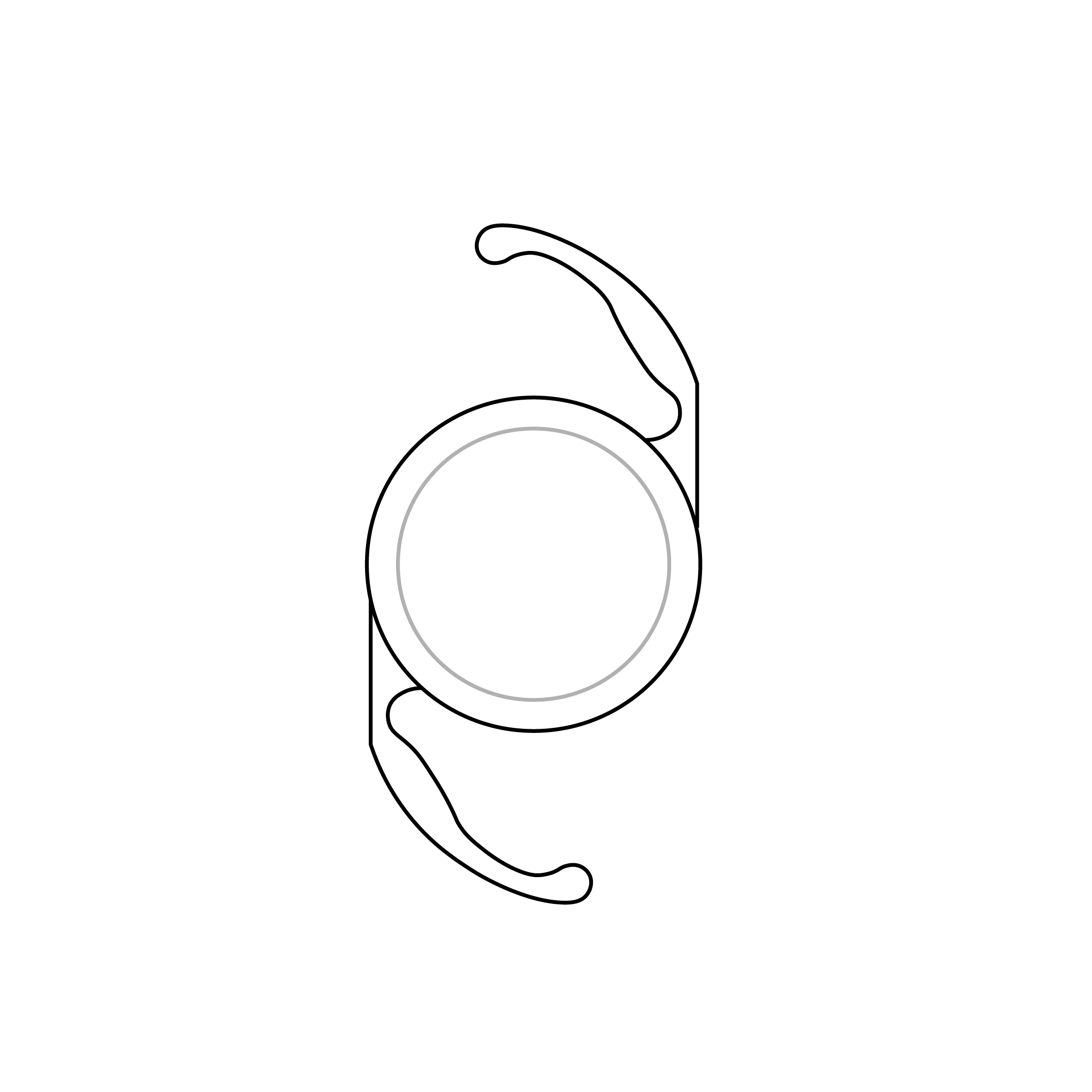
Pseudophakic EDOF IOL: An extended depth of focus intraocular lens, offering continuous vision from distance to intermediate, with fewer visual aberrations (halos, glare) than multifocal IOLs. When combined with the mini-monovision technique, it also allows for functional near vision without glasses.
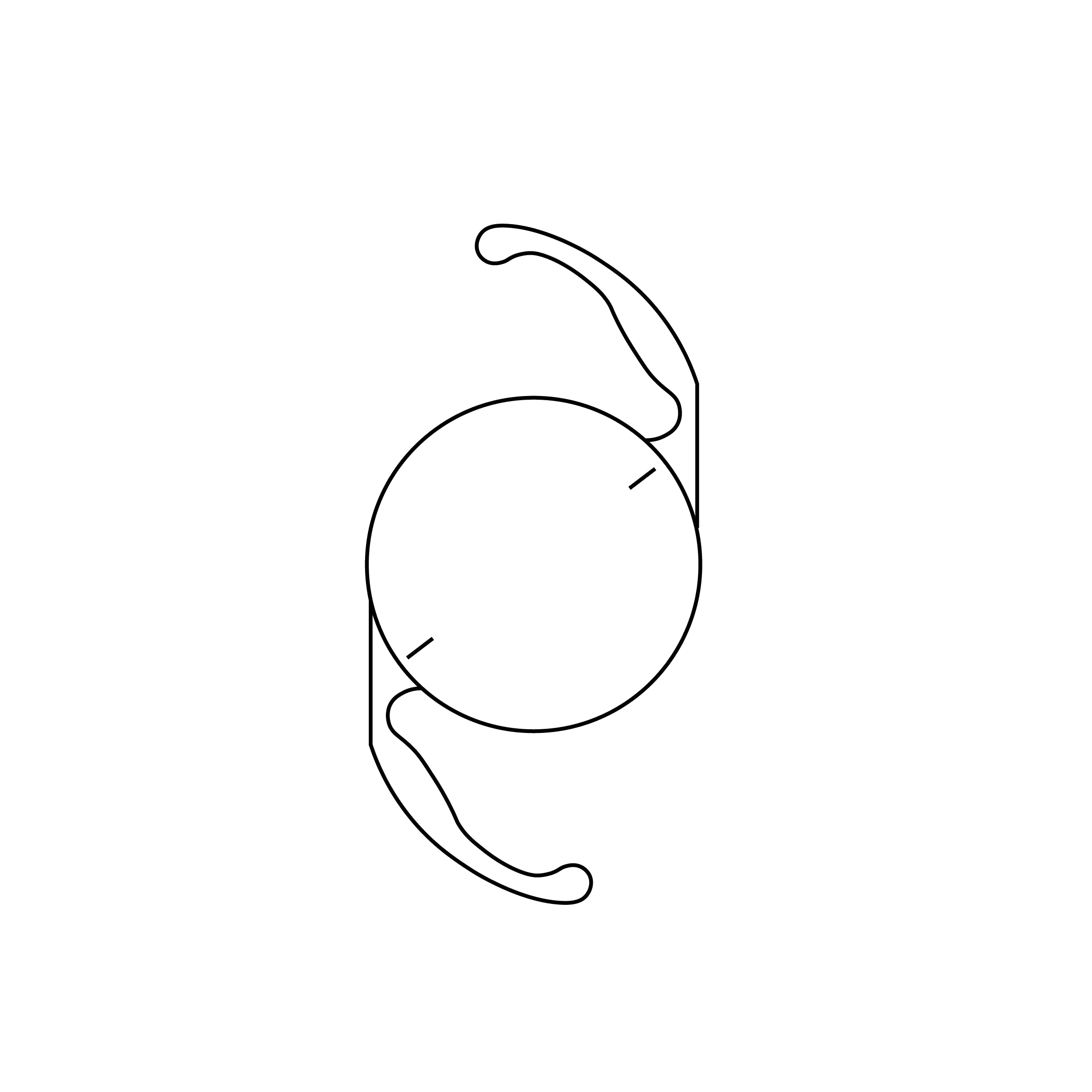
Toric IOL: corrects corneal astigmatism and is implanted in the capsular bag. Available in monofocal, EDOF, and multifocal versions depending on visual needs.
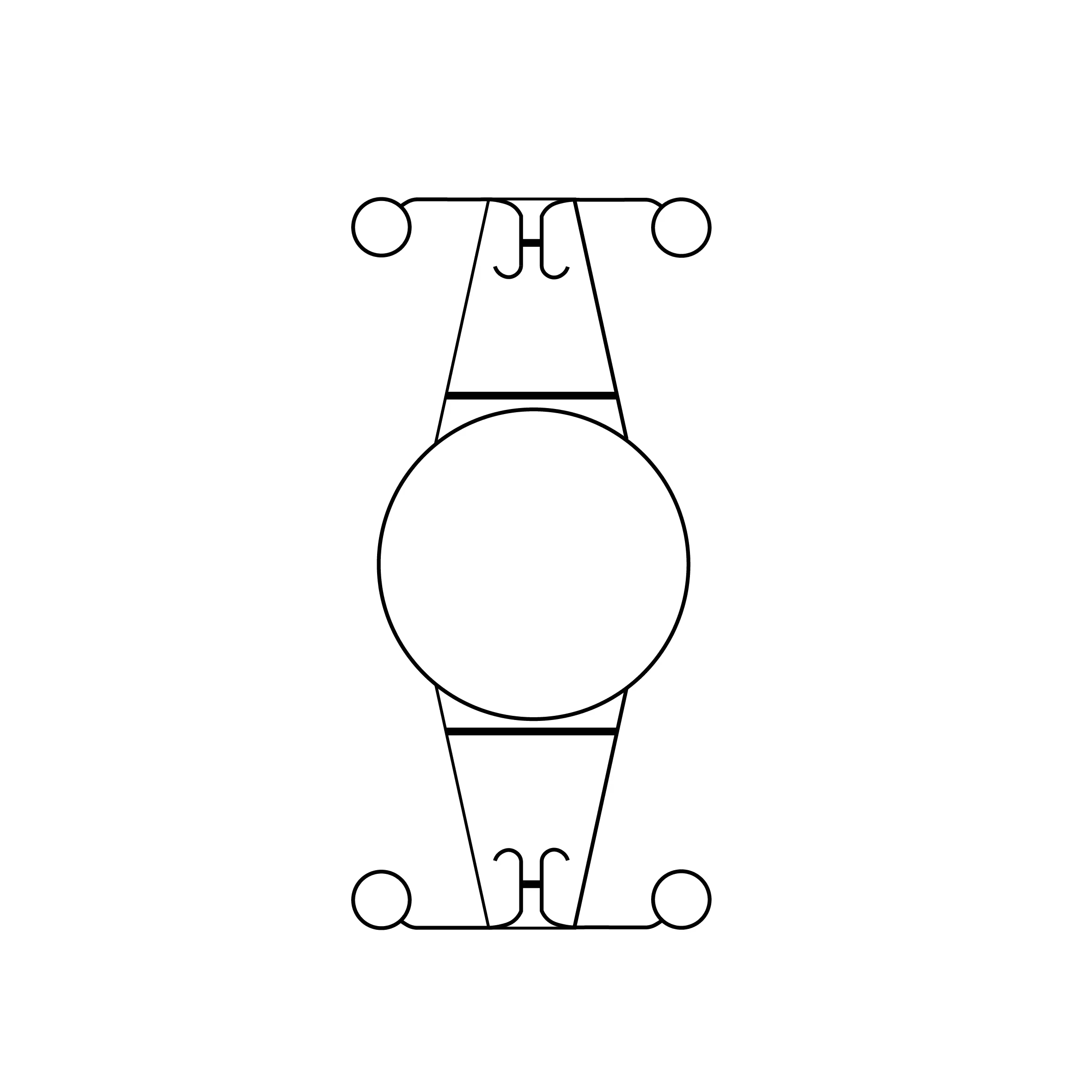
Accommodative IOLs aim to restore true accommodation, but to date, none has demonstrated conclusive efficacy. They nevertheless represent a promising avenue for the future of premium IOLs, in contrast to the pseudo-accommodation currently used.
What are intraocular lenses (IOLs)?
Intraocular lenses (IOLs) are small artificial lenses implanted inside the eye to improve vision. They can be used to replace the natural lens in cases of cataracts or to correct vision defects such as myopia, hyperopia, astigmatism and presbyopia.
How does it work?
Phakic intraocular lenses: These lenses are implanted without removing the natural lens, working in conjunction with it to reduce or eliminate dependence on glasses and contact lenses. They are particularly useful for patients with a high refractive error (myopia, hyperopia, astigmatism) or who are not eligible for laser refractive surgery. The most commonly used are ICL and IPCL, also known as "implantable contact lenses" because they are very thin and can be removed if necessary, making them reversible.
Pseudophakic intraocular lenses: They replace the eye's natural lens, usually after its removal during cataract surgery or duringclear lens exchange. They restore vision by correctly focusing light onto the retina. These lenses can be monofocal (clear vision at a single distance without glasses), multifocal or EDOF (clear vision at multiple distances without glasses) and toric (correcting astigmatism).
Les différentes types de greffes
Découvrez les kératoplasties (= greffes de cornée)
Frequently asked questions
If you have any further questions, please do not hesitate to contact us!
Linked procedures
Discover other related surgical topics


.avif)





Book a consultation
Swiss Visio Montchoisi
1006 Lausanne, Switzerland