Presbyopia surgery: which solutions help you see clearly up close after 40
Presby-LASIK, clear lens exchange, multifocal implants: the surgical solutions for presbyopia explained by Dr Arthur Hammer, consultant ophthalmic surgeon (FMH) in Lausanne.
Created on
20.07.2026
·
Updated on
09.08.2026

Presbyopia surgery brings together several techniques that aim to reduce reliance on reading glasses after the age of 40-45. The main options are laser Presby-LASIK, clear lens exchange with a multifocal implant, and the placement of intraocular implants. You hold your arm out to read your phone, you look for your glasses several times a day: these are common frustrations. This article presents the available solutions, how they are carried out, their limitations and their cost in Switzerland. The appropriate technique always depends on a specialised assessment.
What is presbyopia and why does near vision decline?
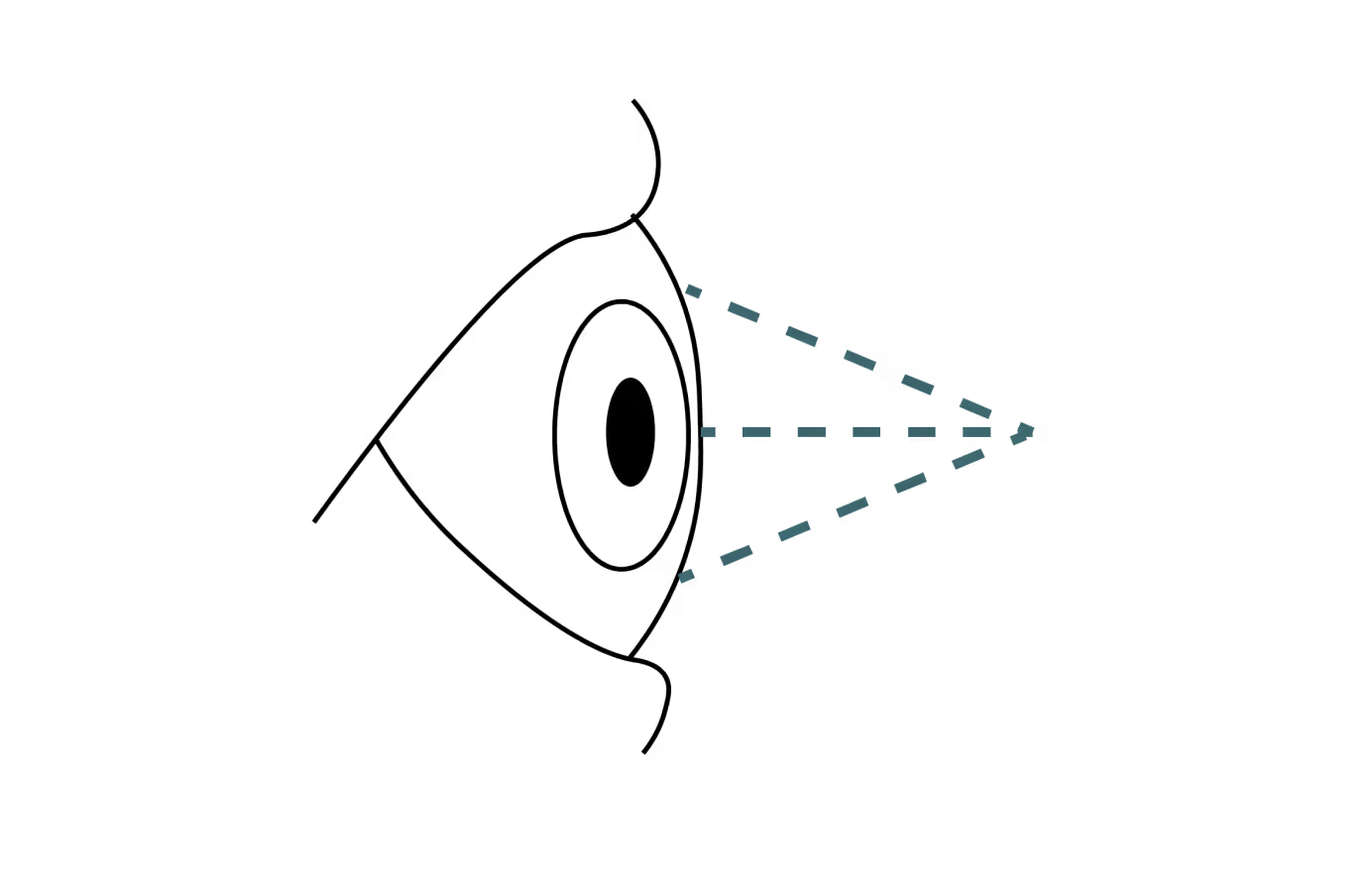
Presbyopia is a natural change in vision that affects the eye's ability to focus at close range. It results from a gradual loss of accommodation, the mechanism that allows the crystalline lens to change shape in order to see clearly at short distances. This process usually begins around the age of 45 and affects everyone with age.
The crystalline lens is a natural lens located behind the iris. Over time, it loses its flexibility and the muscle that controls it becomes less effective. Distance vision often remains stable, but close reading becomes blurred.
The first signs are tangible: needing to hold text further away, visual fatigue at the end of the day, difficulty reading in low light. These symptoms may point to presbyopia, but only a specialised examination can confirm the diagnosis and rule out other causes. Presbyopia can also occur alongside pre-existing long-sightedness (hypermetropia), which increases the difficulty.
What are the surgical options for presbyopia?
The surgical options for presbyopia are procedures that modify the optical system of the eye, either at the cornea, at the crystalline lens, or by adding a so-called phakic intraocular lens, in order to restore functional near vision. The choice depends on your age, your correction, the condition of your lens and your visual expectations. The table below summarises the main approaches.
Each technique has its own precise indications. Dr Arthur Hammer, consultant ophthalmic surgeon (FMH), assesses these parameters during a full evaluation before any proposal. No single solution suits every patient.
Corneal laser or lens surgery?
Laser surgery acts on the cornea and is mainly suited to patients whose lens remains transparent. Lens surgery is more appropriate for older patients or those with an early cataract. This distinction guides a large part of the decision.
How does Presby-LASIK work?
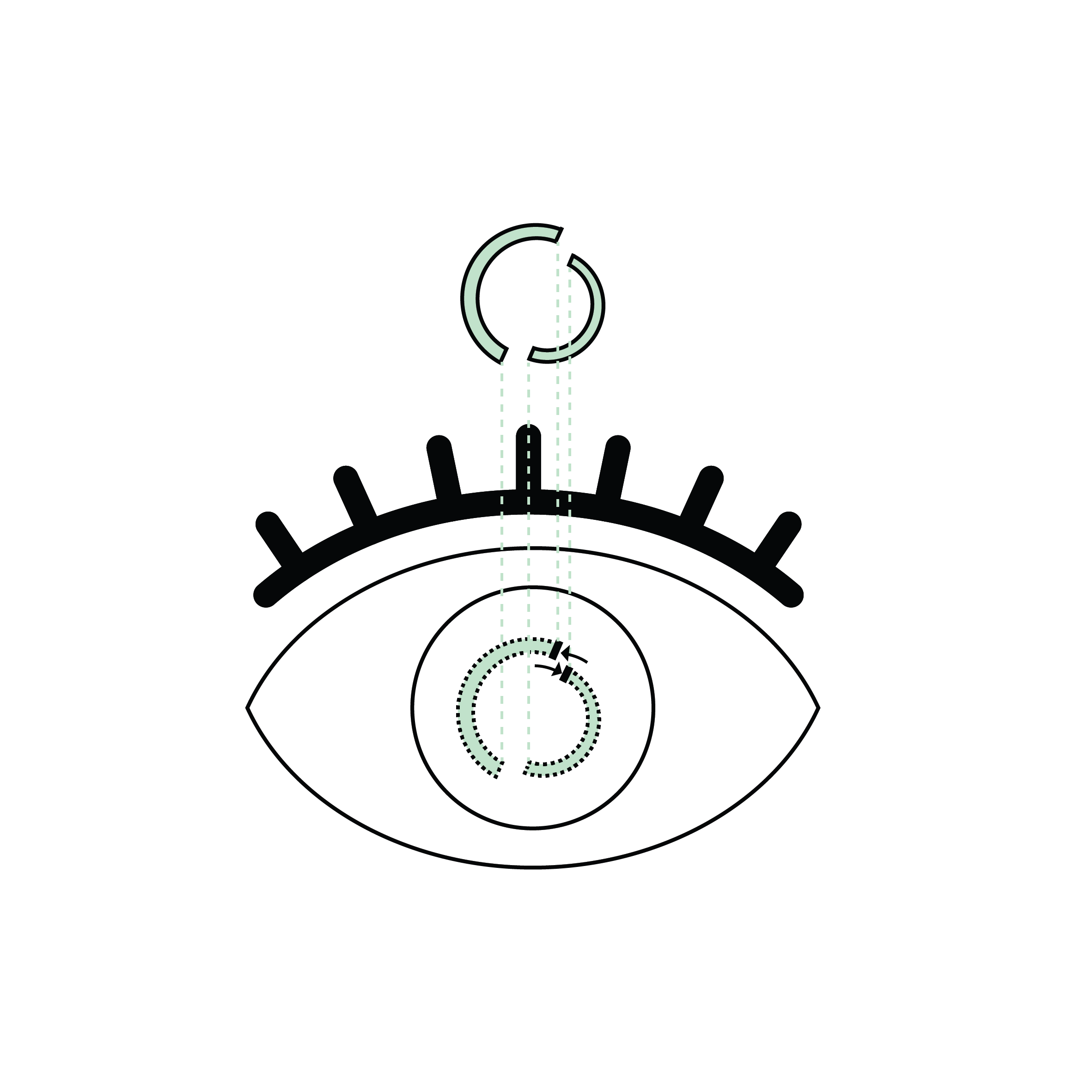
Presby-LASIK is a laser refractive surgery technique that reshapes the cornea to increase the depth of field of each eye. This profile, described as EDOF, aims to provide useful distance and near vision without glasses in most cases. The procedure is carried out on an outpatient basis and takes a few minutes per eye.
The principle relies on creating a gradual transition in curvature across the cornea. The brain then learns to use the zone suited to each distance, a process known as neuroadaptation. This adaptation usually takes a few weeks to a few months.
Good candidates are often patients aged 40 to 60, whose lens is still clear and whose cornea is of sufficient thickness. An associated astigmatism correction can sometimes be integrated into the treatment. To explore this technique further, see the dedicated Presby-LASIK page.
Presby-LASIK does not stop the ageing of the crystalline lens. A cataract may appear later and require another procedure. This point is explained during the consultation before any decision.
What is clear lens exchange and premium implants?
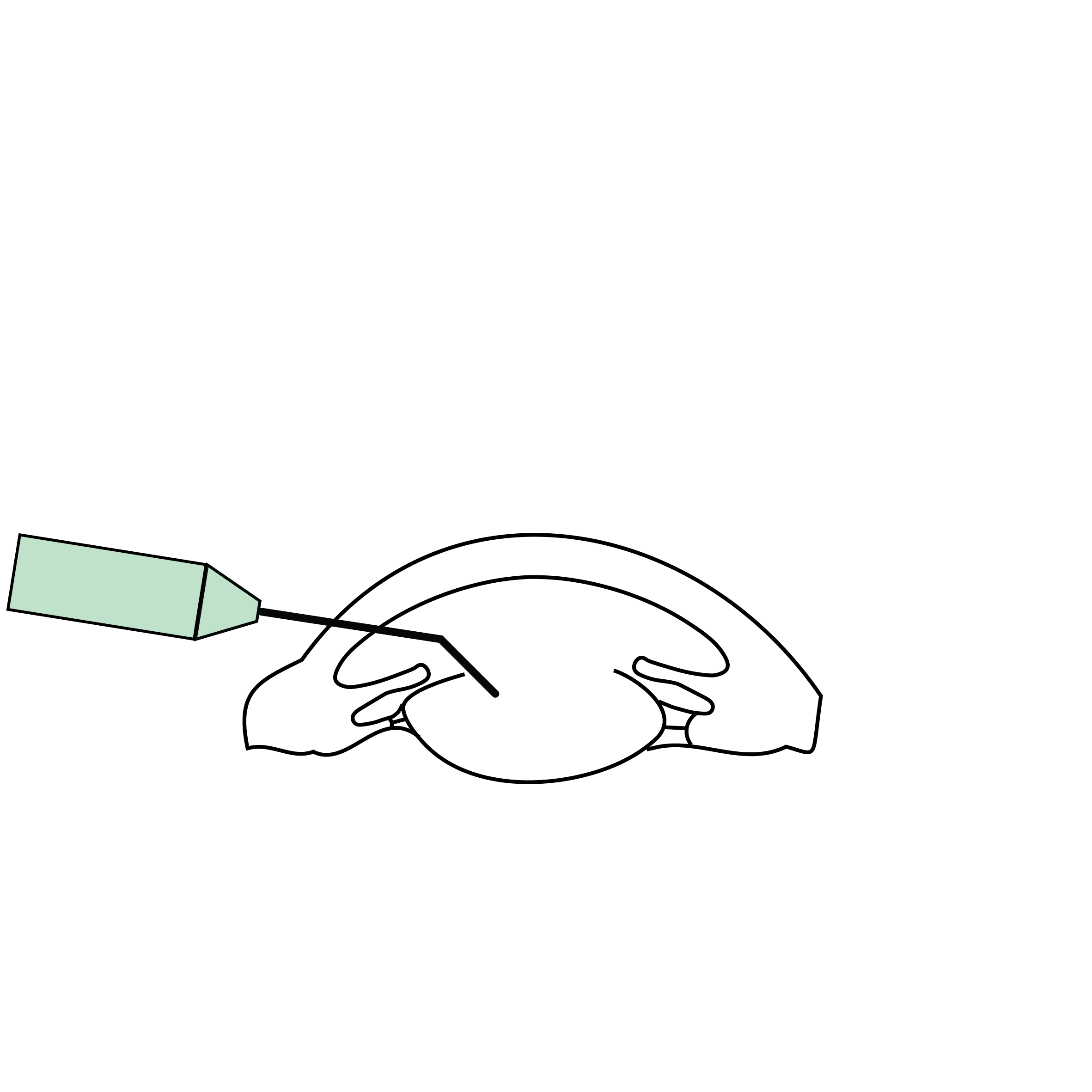
Clear lens exchange is a procedure that replaces the natural, still transparent lens with a multifocal or extended depth of field intraocular implant. Its technique is close to that of cataract surgery. It is mainly intended for patients whose presbyopia is marked or in whom an early cataract is already present.
The surgeon removes the lens by phacoemulsification, then inserts a lens suited to near and distance vision. So-called EDOF implants extend the depth of field, while multifocal implants create several distinct focal points. The choice is made according to your lifestyle and your visual priorities.
This approach offers a lasting advantage: the replaced lens will never develop a cataract. For patients affected by presbyopia together with early clouding, it addresses both situations in a single procedure. The premium intraocular implants are selected on an individual basis.
As with any intraocular surgery, it carries risks that are detailed below. The decision rests on a balance between the expected benefits and the constraints specific to each patient.
How does the pre-operative assessment work?
The pre-operative assessment is a set of examinations that evaluate the eye in detail before choosing the most suitable technique. It determines the safety and the quality of the outcome. No presbyopia surgery is decided without this step.
- Subjective refraction (with and without cycloplegia): determines the type and magnitude of the refractive error (ametropia).
- Ocular biometry: measurement of the length of the eye to calculate the power of any implant.
- Corneal topography and tomography: mapping of the curvature and regularity of the cornea.
- Corneal and anterior segment OCT: measures the dimensions of the cornea and anterior segment, essential for surgical planning.
- Macular OCT: examination of the central retina to rule out an associated condition.
- Pupillometry: analysis of the pupil diameter.
- Tear film evaluation: screening for dry eye that may influence the choice.
- General eye examination at the slit lamp: to exclude any condition that could contraindicate a procedure.
These measurements allow Dr Hammer to anticipate the outcome and to rule out contraindications. A fragile retina or cornea may point towards a different solution. This assessment is carried out in a specialised setting, notably at Swiss Visio Montchoisi and Swiss Visio Beau-Rivage in Lausanne.
What is recovery like after presbyopia surgery?
Recovery is the period during which vision stabilises and the brain adapts to its new optics. Its duration varies according to the technique and the patient. Regular post-operative follow-up supports this phase.
After Presby-LASIK, vision often becomes functional within a few days, with stabilisation over several weeks. After a lens exchange, recovery of distance vision is generally rapid, while near comfort improves during neuroadaptation.
Simple instructions are given: prescribed eye drops, protection of the eye, avoiding rubbing the eyes. It is advised not to resume certain activities too soon, such as swimming or intense exertion. These recommendations are specified during follow-up.
Transient visual effects may appear, notably night-time halos or sensitivity to glare. They most often ease with time. Their persistence should be reported to the surgeon.
What are the advantages and limitations of each option?
Each surgical solution for presbyopia has its own balance between benefits and constraints. None restores vision that is strictly identical to that of youth. Transparency about these limitations is part of the medical decision.
Presby-LASIK avoids opening the eye and offers rapid recovery, but it does not prevent the later appearance of a cataract. Mini-monovision is simple, and a tolerance test is systematically carried out before the procedure.
Clear lens exchange treats presbyopia in a lasting way and prevents cataract, but it is an intraocular surgery, with the associated risks. Multifocal implants can generate night-time halos in some patients, particularly when driving at night.
General risks include, rarely, infection, inflammation or an imperfect refractive outcome requiring a touch-up. These complications remain uncommon in experienced hands. Detailed information is provided before any consent.
How do you choose the best solution?
Choosing the best solution rests on an individual analysis, because no technique is superior in absolute terms. The decision combines medical criteria and your personal preferences. It is built with the surgeon during the assessment.
- Age and condition of the lens: a clear lens points towards laser, an early cataract towards an implant.
- Existing correction: associated short-sightedness, long-sightedness or astigmatism change the strategy.
- Lifestyle: night driving, screen work, prolonged reading, sporting activities.
- Visual tolerance: acceptance of halos or of monovision.
Dr Hammer weighs these elements to propose the most coherent option for you. Two patients of the same age may receive different recommendations. This personalisation is at the heart of the approach.
In practice at Dr Hammer's practice: each project begins with a full refractive and corneal assessment. The surgeon compares the possible scenarios, explains the benefits and limitations, and allows time for reflection. No elective procedure is undertaken without this preliminary step.
How much does presbyopia surgery cost in Switzerland?
The cost of presbyopia surgery in Switzerland depends on the technique chosen, the type of implant and the clinic. It is most often an elective procedure, generally not covered by Swiss basic insurance (LAMal). Checking beforehand with your insurer is still recommended.
As a guide, laser refractive surgery frequently falls between 1'600 CHF and around 2'500 CHF per eye. A lens exchange with a premium implant is generally above this, depending on the implant chosen.
When lens surgery is motivated by a confirmed cataract, partial cover by LAMal may apply for the basic procedure, with the portion linked to the premium implant remaining at your expense. These situations are examined on a case-by-case basis. A detailed quote is provided before the procedure.
FAQ: frequently asked questions about presbyopia surgery
Can presbyopia be treated with laser?
Yes, presbyopia can be treated with laser using Presby-LASIK. This technique reshapes the cornea to create several vision zones, for distance and for near. It is mainly suited to patients whose lens is still transparent, often between 40 and 60 years. A precise corneal assessment, including topography and thickness measurement, is essential to confirm the indication. Laser is not suitable for every eye, hence the importance of a specialised evaluation.
What is the best presbyopia procedure?
There is no universally best procedure. The appropriate technique depends on your age, your correction, the condition of your lens and your lifestyle. Presby-LASIK suits a clear lens, while lens exchange is intended for marked presbyopia or early cataract. Only a full assessment allows the options to be compared objectively. Dr Hammer builds this recommendation with you, according to your visual priorities.
Is presbyopia surgery permanent?
It depends on the technique. Clear lens exchange is lasting, because the implant never develops a cataract and does not age like the natural lens. Presby-LASIK corrects vision, but does not prevent the later appearance of a cataract, which may require a further procedure. No outcome can be guaranteed absolutely. Stability depends on each patient's eye, which is explained before the procedure.
How much does presbyopia surgery cost in Switzerland?
The cost varies according to the technique and the implant. Laser refractive surgery frequently falls between 1'600 CHF and around 2'500 CHF per eye. A lens exchange with a premium implant is generally higher. This elective procedure is most often not covered by LAMal. A personalised quote is provided after the assessment, and checking with your supplementary insurance is advised.
Is presbyopia surgery painful?
The procedures are carried out under local anaesthetic using eye drops and are generally painless. During the procedure, you may feel pressure or discomfort from the light, without pain in most cases. After a laser, a gritty or tingling sensation may appear for a few hours. These sensations are transient and relieved by the prescribed treatment. Any persistent discomfort should be reported during post-operative follow-up.
Can both eyes be treated at the same time?
It depends on the technique and the surgeon's protocol. In laser surgery, both eyes are often treated during the same session. For lens exchange, the eyes are frequently operated on a few days or weeks apart, depending on the evaluation. This arrangement aims to secure the outcome and to monitor the recovery of the first eye. The precise schedule is proposed during the consultation, according to your situation.
Will I still see halos at night after the procedure?
Night-time halos or glare may occur, notably with multifocal implants. They are common at first, then most often ease thanks to neuroadaptation. In a minority of patients, they persist and may interfere with driving at night. This point is discussed before the procedure, because it influences the choice of implant. Reporting these symptoms during follow-up allows care to be adjusted if necessary.
When should you consult to consider presbyopia surgery?
A consultation is useful as soon as near vision interferes with your daily life: reading, screens, fine activities. It allows your presbyopia, your correction and the condition of your lens to be evaluated. The assessment also rules out other conditions that could change the plan. You can make an appointment with Dr Hammer for a personalised assessment. This step does not commit you to a procedure, but informs your decision.
In conclusion
Presbyopia surgery today offers several routes: laser Presby-LASIK, clear lens exchange and multifocal or EDOF implants. Each suits different profiles, and none is appropriate for every patient. The choice rests on a precise assessment and an in-depth discussion with your surgeon.
To assess the solution best suited to your eyes and your lifestyle, you can consult Dr Arthur Hammer, consultant ophthalmic surgeon (FMH) in Lausanne. Discover his background on the about page and book an appointment for a personalised assessment. A specialised examination remains the only way to establish a reliable indication.
Linked procedures
%20(1).png)
%20au%20laser.avif)

Related articles
Discover our other articles that might interest you
Book a consultation
Swiss Visio Montchoisi
1006 Lausanne, Switzerland