Refractive Errors
Ametropia is a general term for all vision disorders where the image does not form properly on the retina. This includes short-sightedness, long-sightedness, astigmatism, and presbyopia. These conditions can be corrected with spectacles, contact lenses, or refractive surgery.


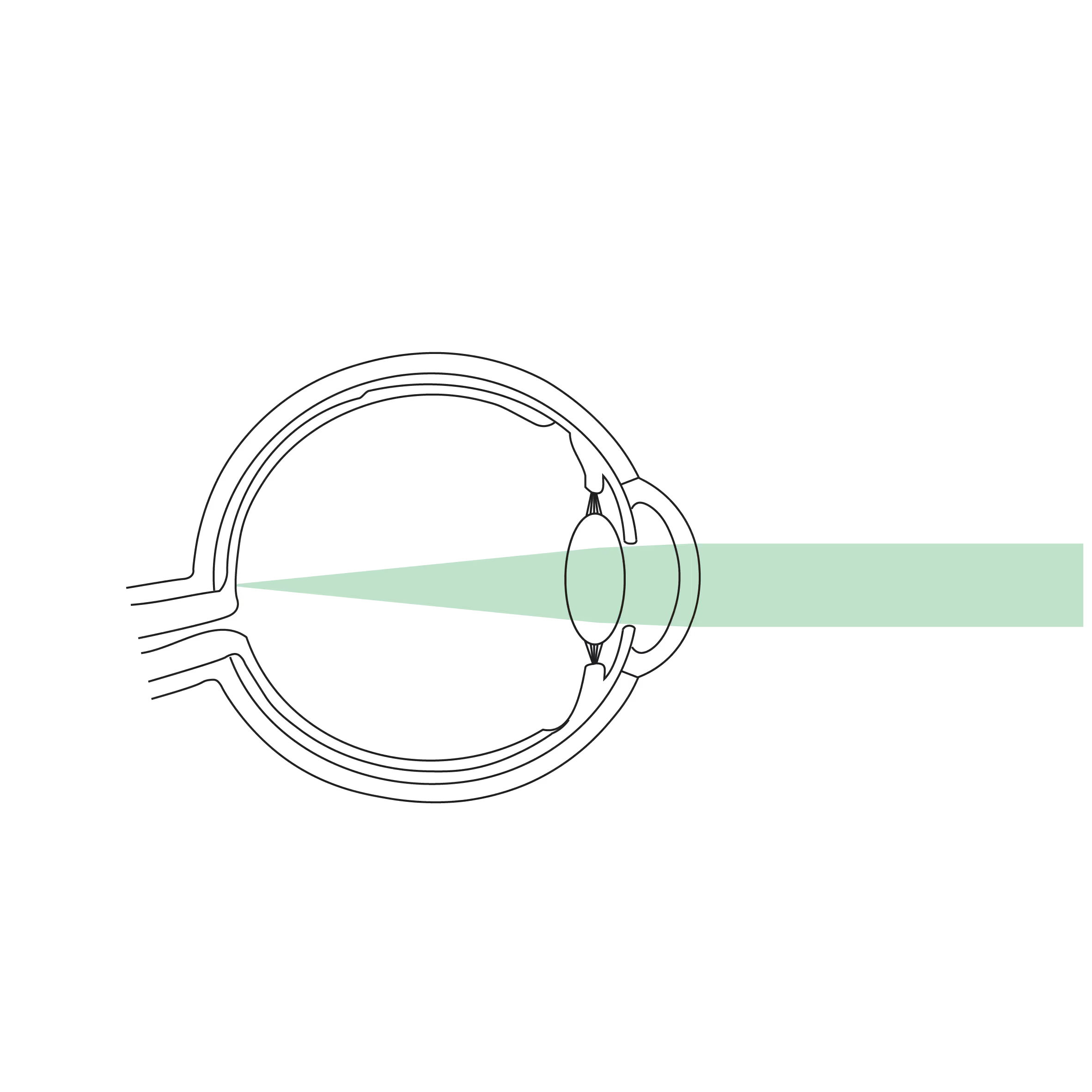
Emmetropia : it's when the eyes see naturally well, without needing glasses or contact lenses. The image forms perfectly on the retina, allowing for clear vision both far and near. This is what is referred to as "normal" vision.
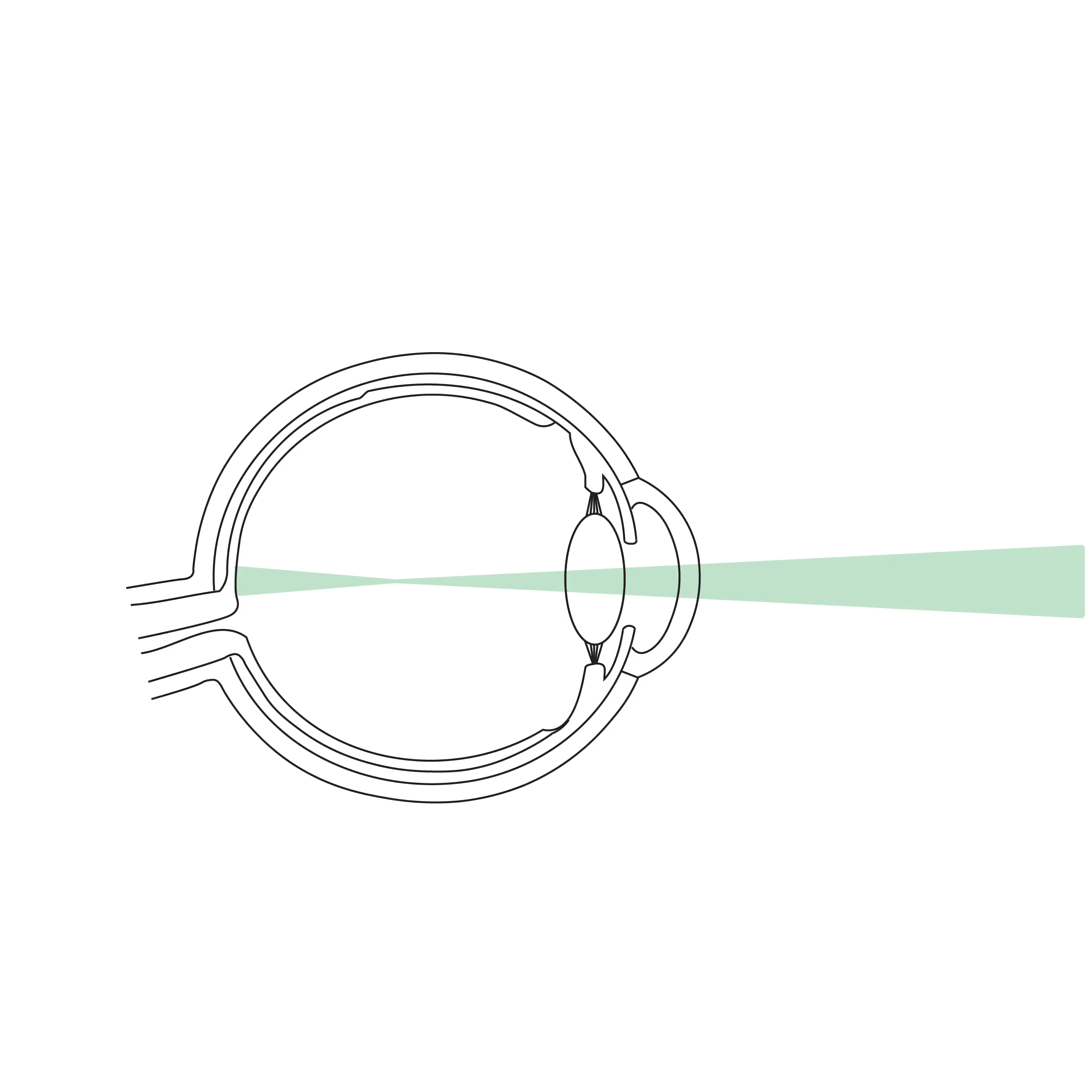
Myopia : it is a vision disorder where near vision is clear, but distant vision is blurry. This occurs because the image forms slightly in front of the retina, as the eye's optical power is too strong for its length. Myopia can be corrected with glasses/contact lenses or refractive surgery.
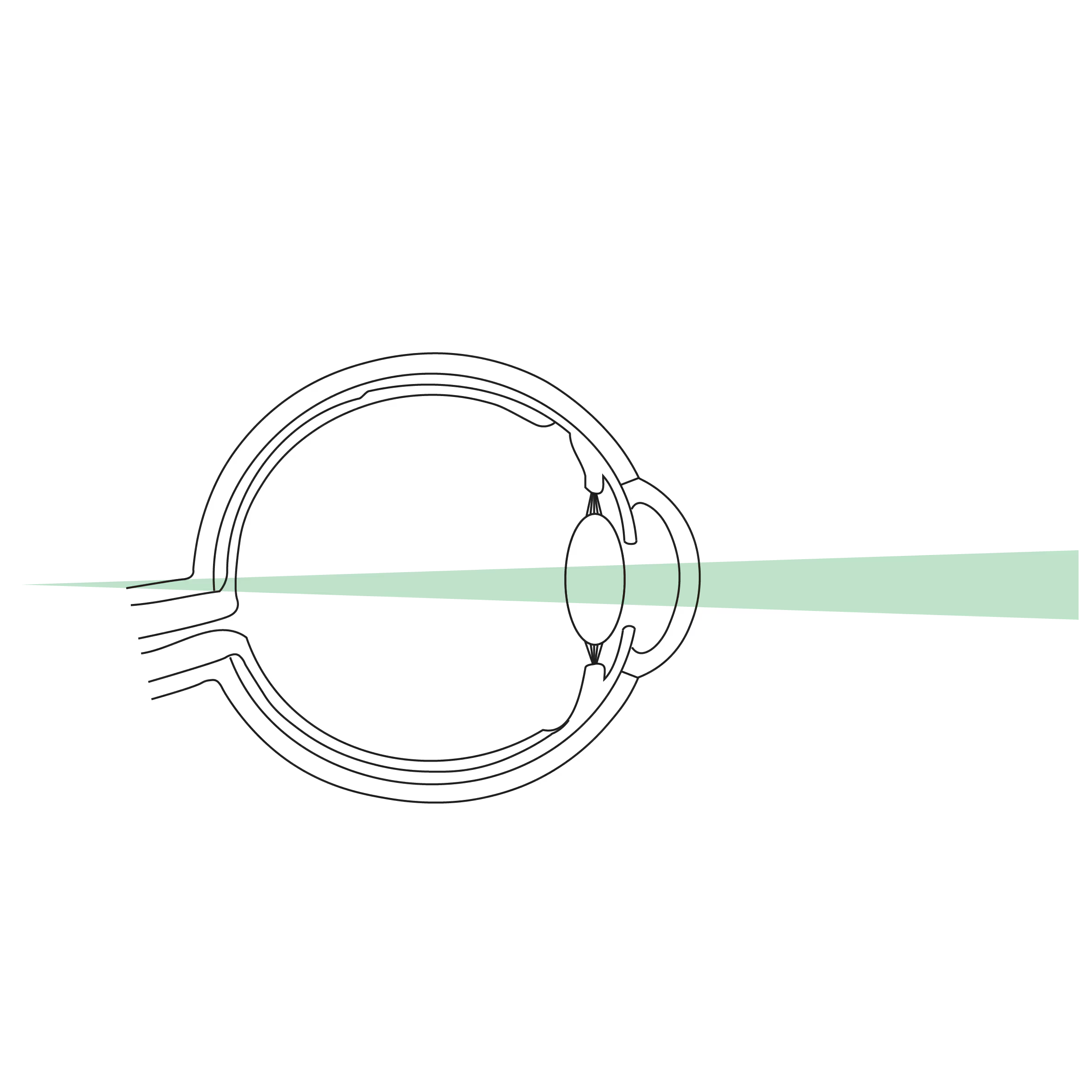
Farsightedness : it's a vision disorder where vision is generally clearer at a distance than up close, especially in young people. This occurs because the image forms slightly too far behind the retina. The eye has to make an effort to see clearly, which can cause eye strain and headaches. As with myopia, optical correction with glasses/contact lenses or refractive surgery can correct farsightedness.
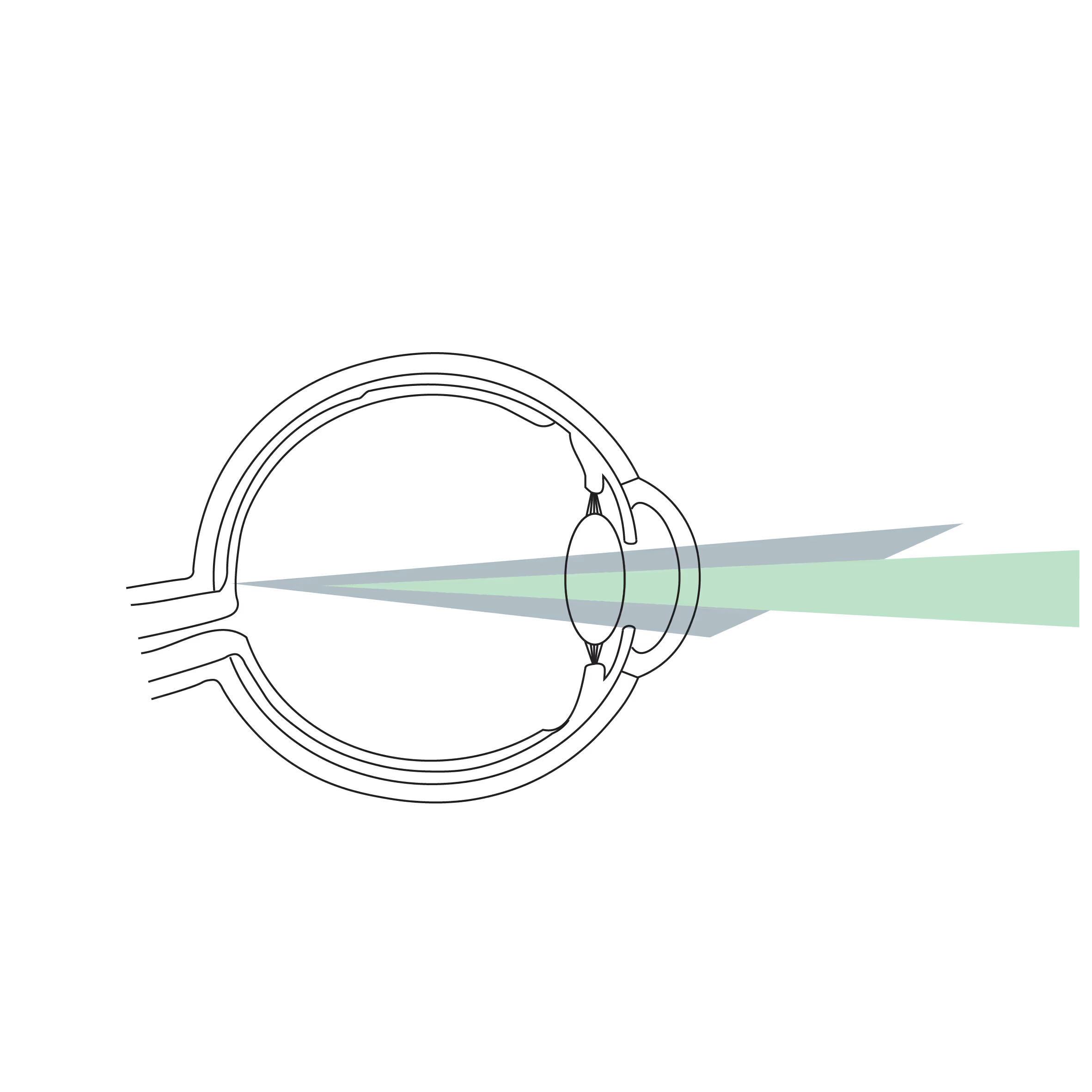
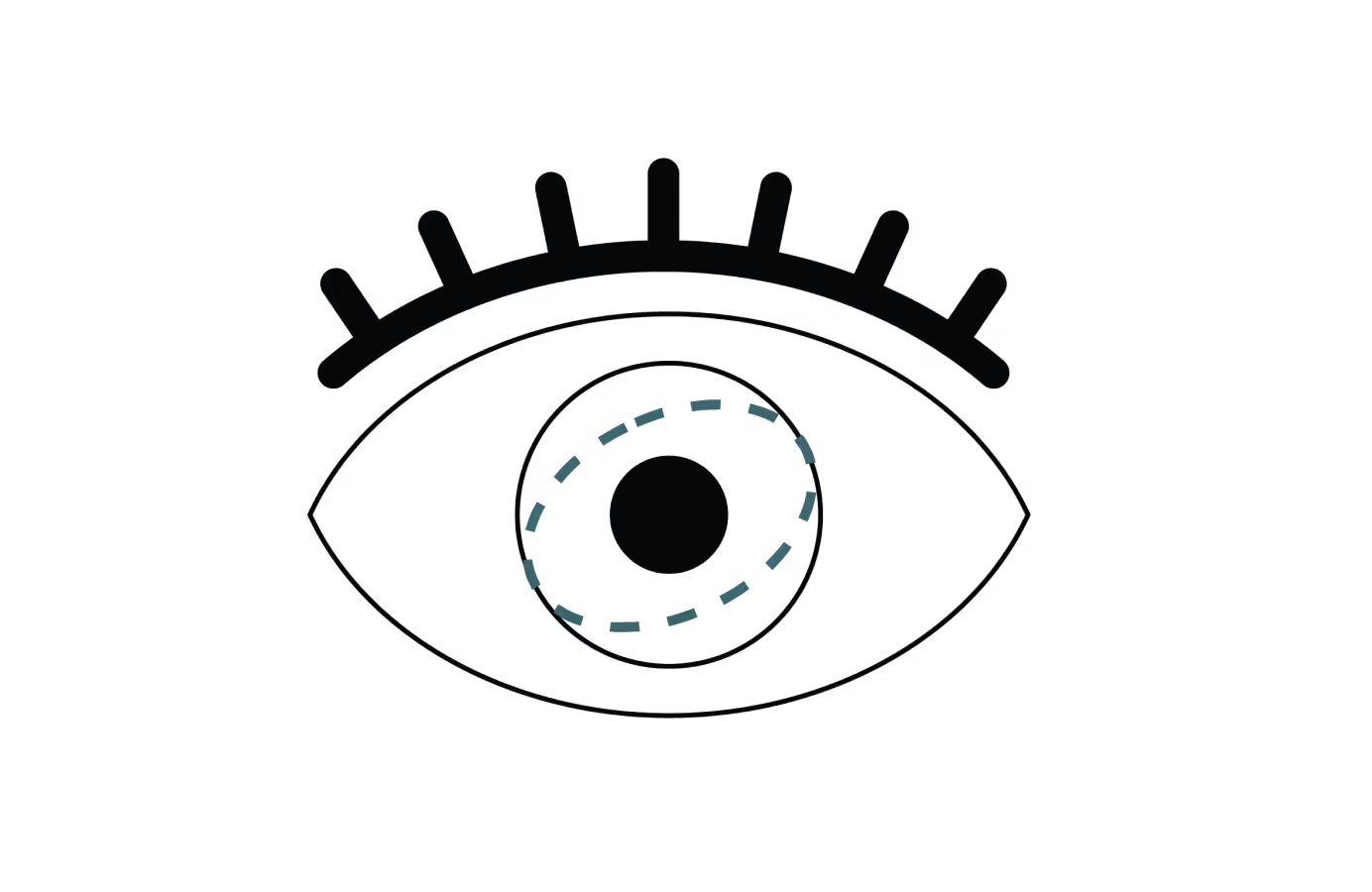
Astigmatism : a vision disorder where images appear blurry or distorted, both up close and far away. This is caused by an irregular curvature of the cornea or lens. Glasses, contact lenses, or refractive surgery can correct astigmatism.
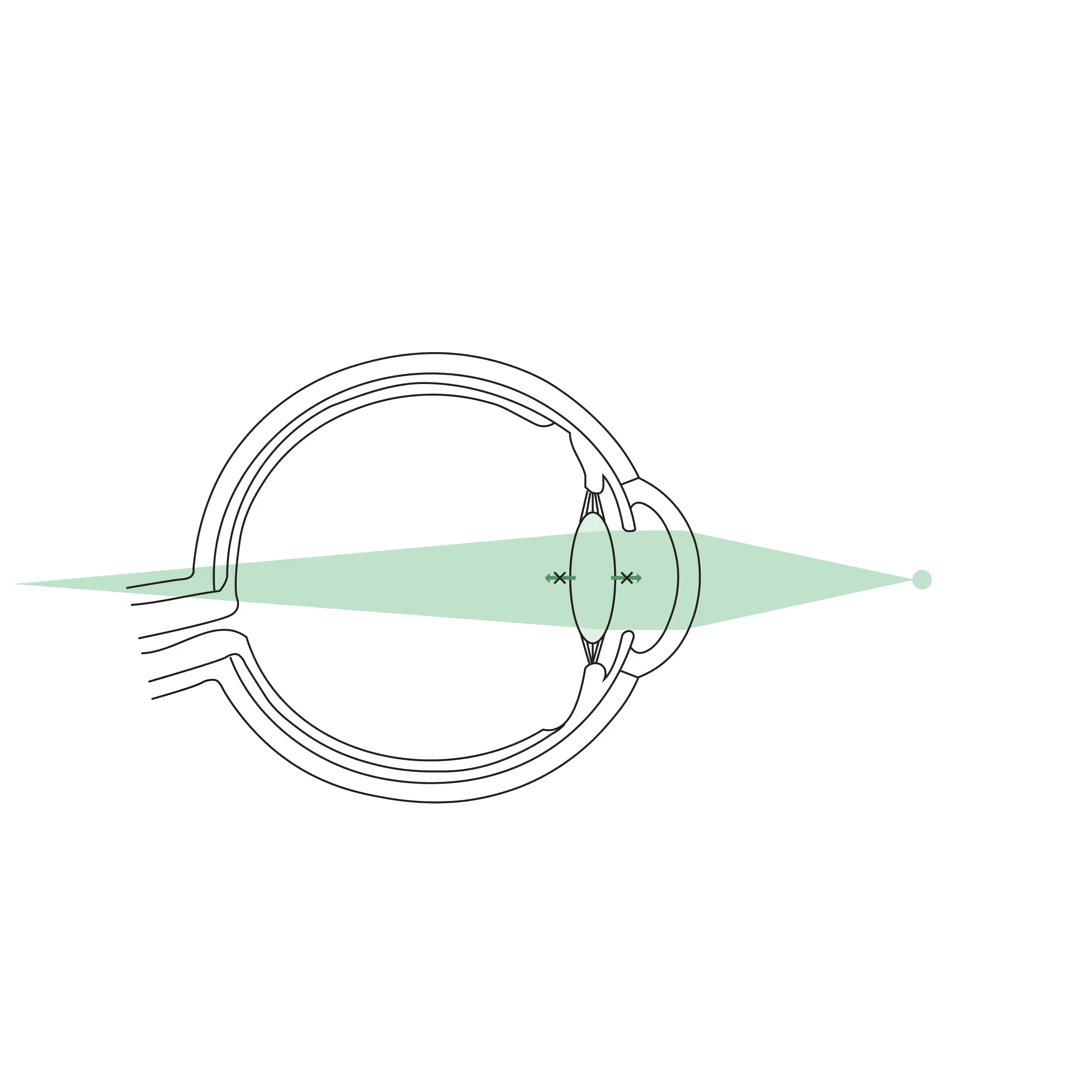
Presbyopia : With age, the lens loses its flexibility and can no longer sufficiently bulge to focus on near objects. This prevents light rays from focusing on the retina and makes near vision blurry.
Presbyopia can be corrected with glasses, contact lenses or refractive surgery.
Definitions
Emmetropia
An emmetropic individual sees clearly at a distance without the need for spectacles or contact lenses. This means that light enters the eye and focuses directly on the retina, allowing for clear vision. In young emmetropes, vision will be clear at all distances (far and near); in short, this is what is commonly referred to as "normal vision". In older emmetropic patients, correction will be required for near vision to remain clear due to the onset of presbyopia.
Ametropia
Ametropia refers to an ocular refractive error where the image of an object does not form properly on the retina, resulting in blurred or distorted vision. The main forms of ametropia are myopia (short-sightedness), hyperopia (long-sightedness), astigmatism (distorted vision at all distances), and presbyopia (the progressive loss of accommodation due to age).
Dependence on glasses and contact lenses
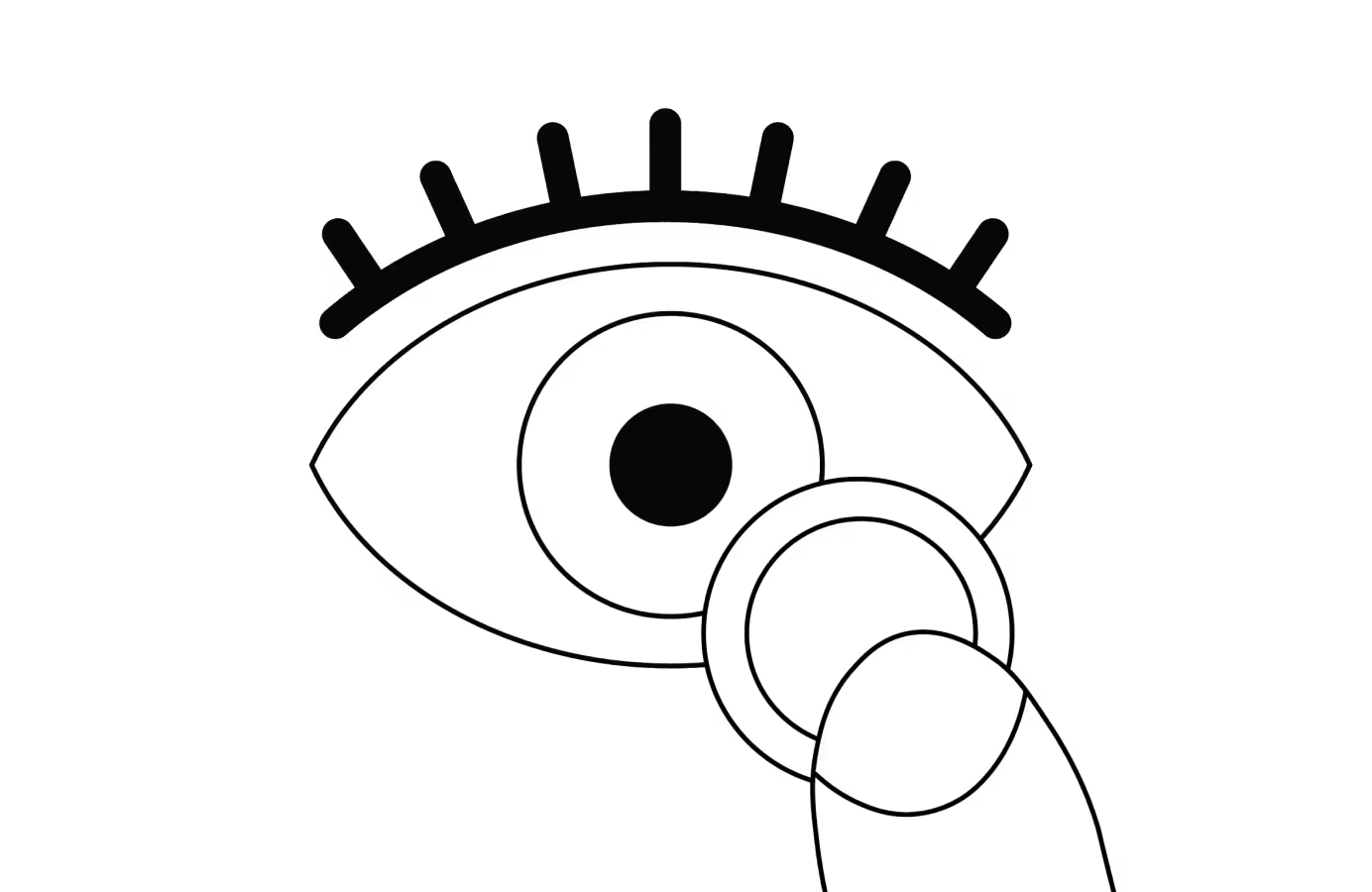
Ametropia causes a dependence on spectacles or contact lenses because the patient cannot see clearly without these corrective devices. The higher the degree of ametropia, the greater the dependence when performing daily tasks such as reading, driving, or working.
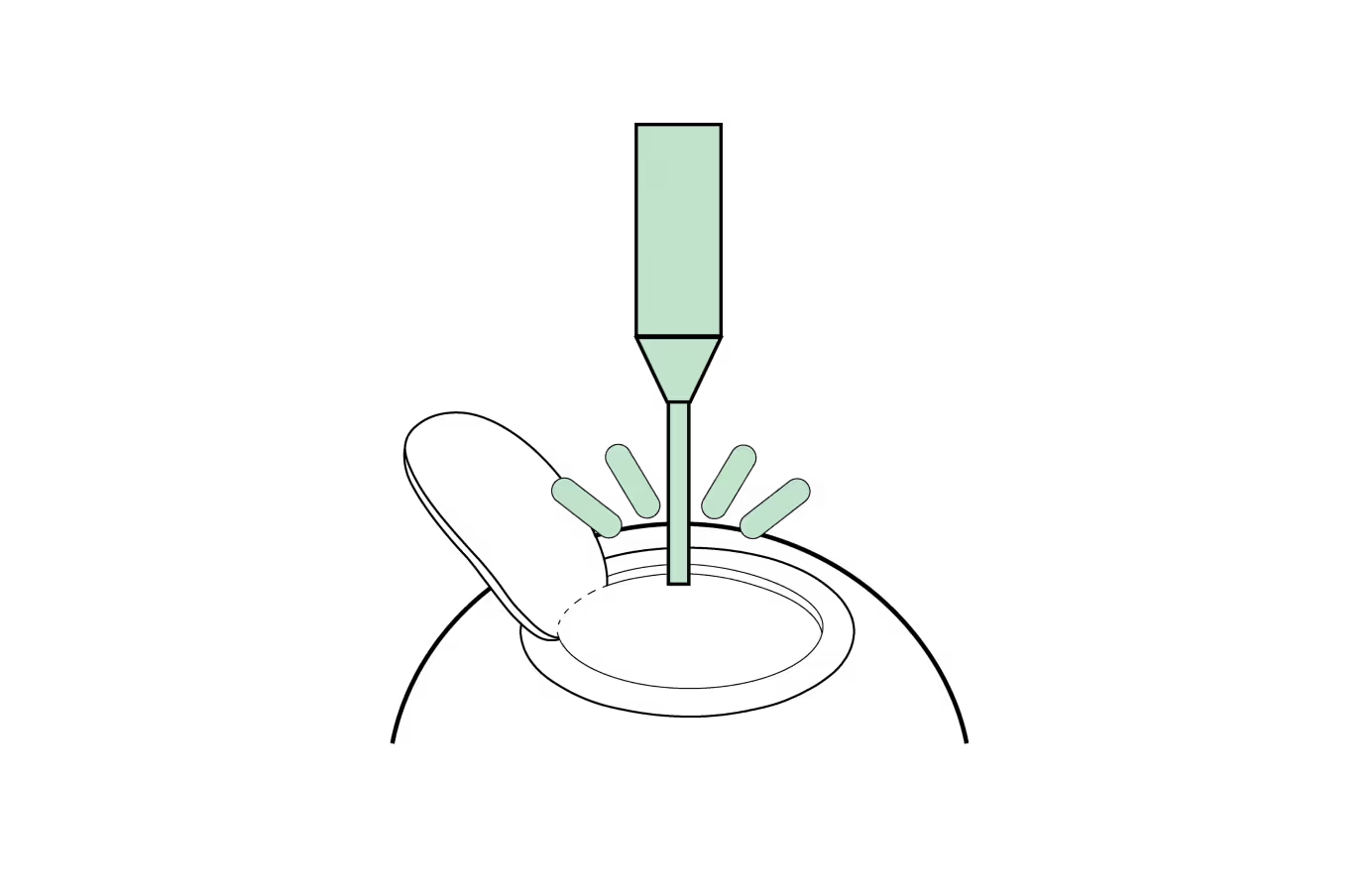
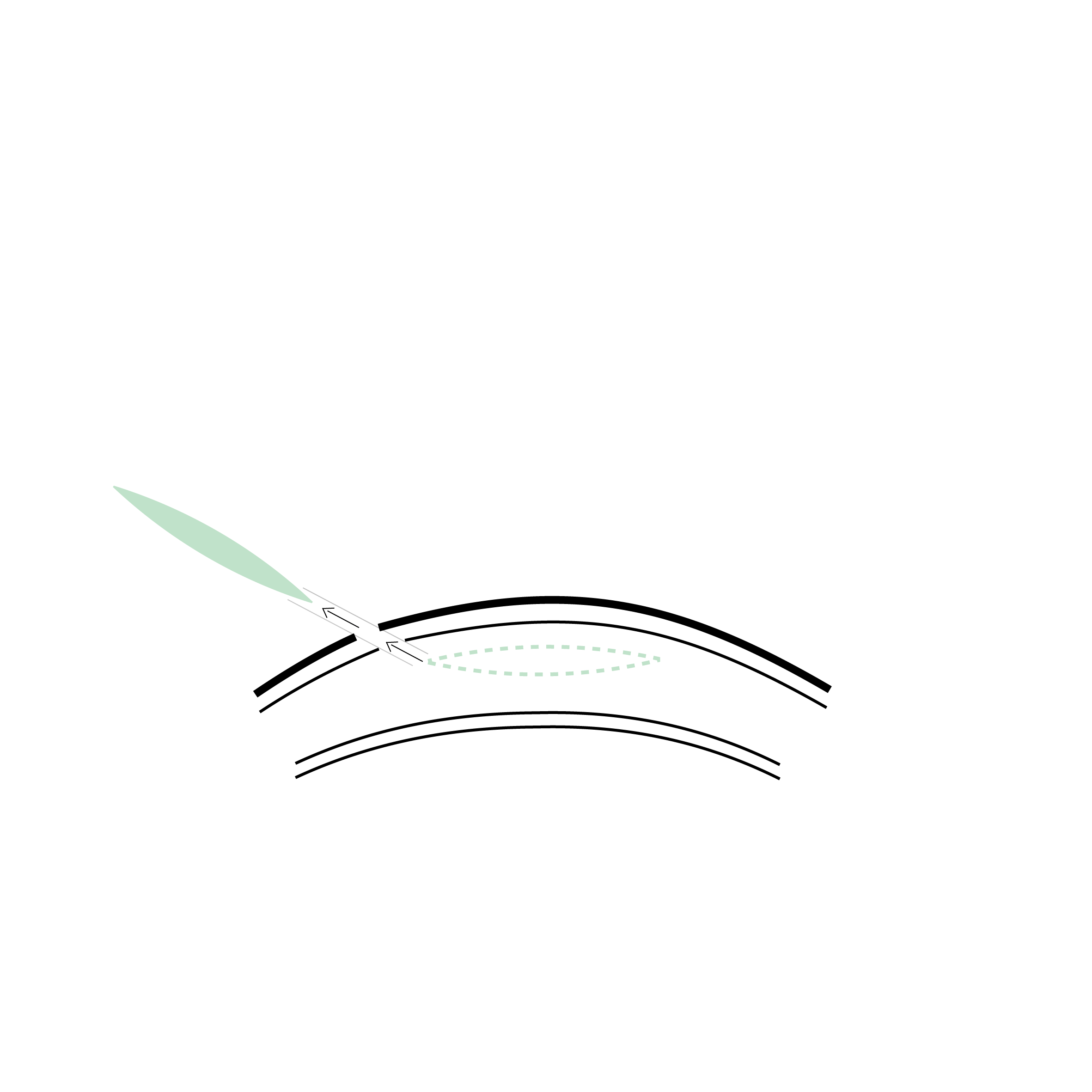
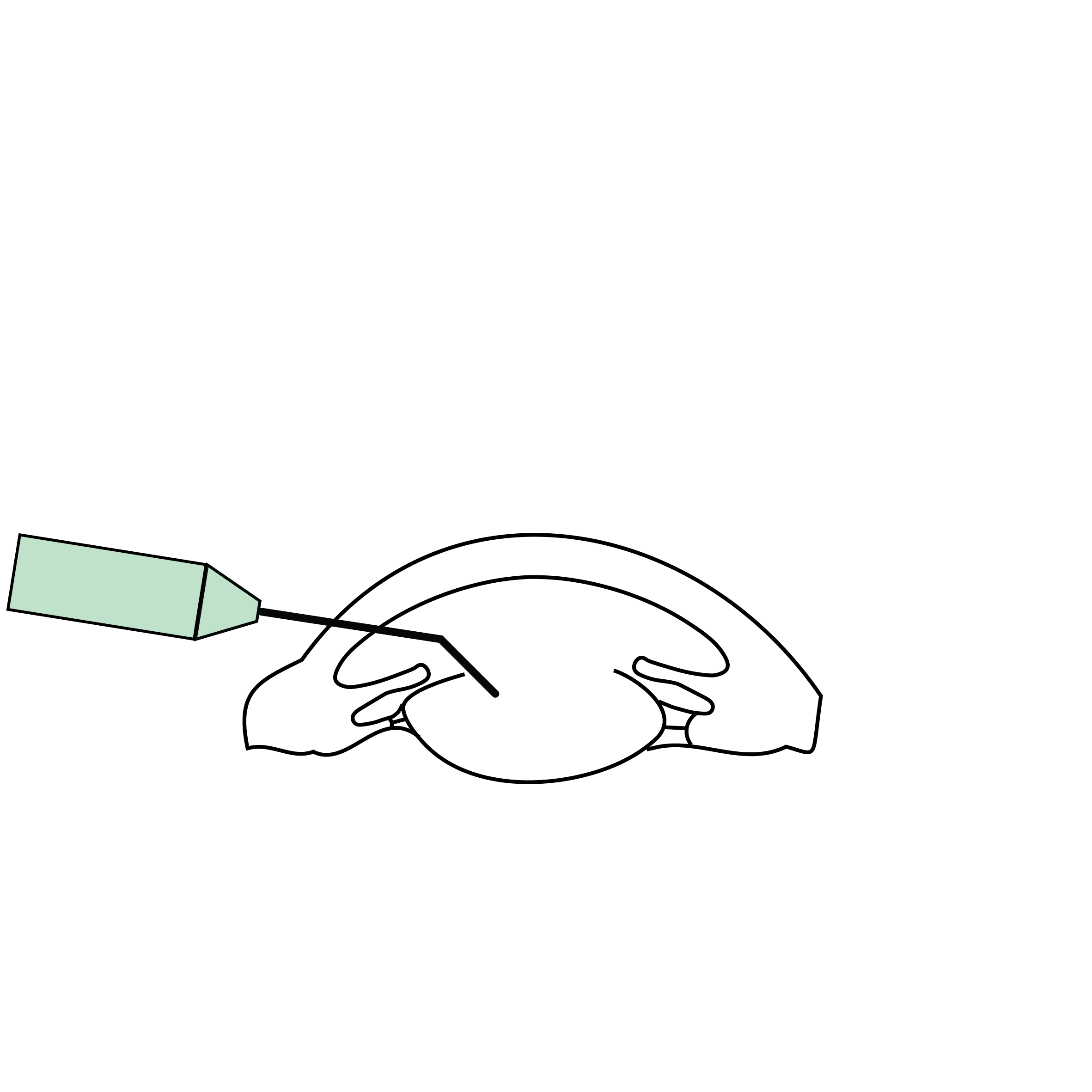
There are various surgical procedures available to reduce or eliminate this dependence, including laser eye surgery and intraocular lens implantation.
Linked conditions
Linked procedures
%20au%20laser.avif)
%20(1).png)
.avif)
.avif)
Les questions fréquentes
Si vous avez d'autres questions n'hésitez pas à nous contacter !
Book a consultation
Swiss Visio Montchoisi
1006 Lausanne, Switzerland