Recovery after ICL surgery: what to expect, stage by stage
Recovery after an ICL is usually quick and painless, with clear vision within the first 12 to 24 hours. Follow-up, by contrast, continues over the long term.
Created on
27.09.2026
·
Updated on
11.10.2026

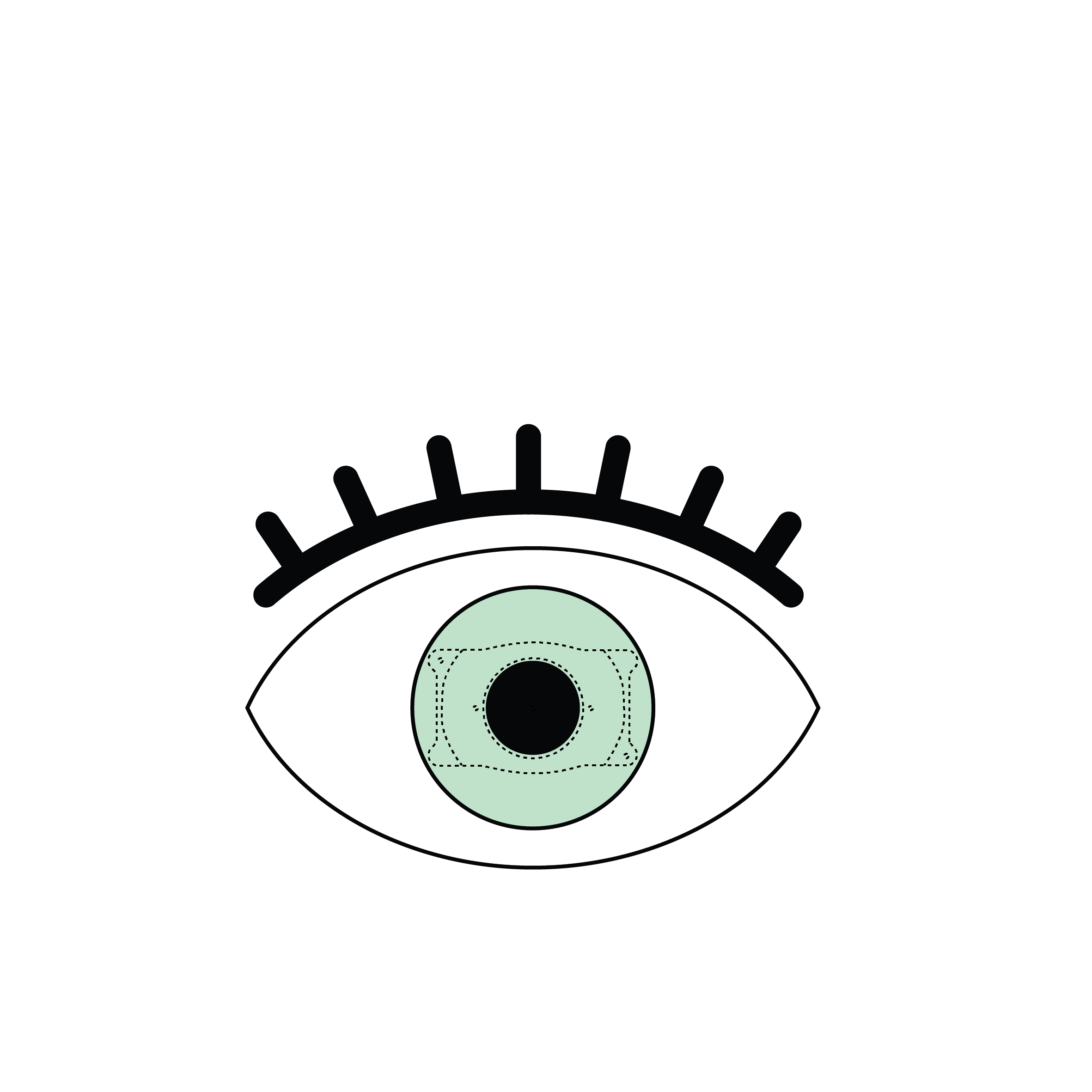
Recovery after an ICL implant is usually quick and painless: most patients notice a clear improvement in vision within the first 12 to 24 hours. That speed does not remove the need for a managed healing phase, with drops, check-ups and a few precautions. This article sets out what happens hour by hour and then week by week, the instructions that genuinely matter, what is normal and what should raise concern.
Recovery after an ICL, in brief
Implanting an implantable contact lens (ICL / IPCL) is an outpatient microsurgical procedure carried out under local anaesthetic drops. It takes on average 10 to 15 minutes per eye, and both eyes are most often treated on the same day. You go home the same day with an eye shield and a course of drops.
Unlike laser surgery, an ICL removes no corneal tissue: the implant is added in front of the natural crystalline lens, which stays in place. That difference largely explains the recovery profile, since the cornea has no reshaping to heal. The principle and indications of the implant are covered in the guide to implantable ICL lenses.
The first hours
Immediately after the procedure, slightly blurred vision and light sensitivity are common. A gritty sensation and mild discomfort are possible, generally for a day or two. These sensations ease with the prescribed drops.
Three instructions dominate that first evening: do not rub the eye, follow the prescribed drops, and rest rather than try to test your sight. Vision on the first evening is not representative of the result.
The next-day check
A check-up takes place the day after surgery. It verifies in particular the position of the implant and the intraocular pressure, the two key parameters of the early days. It is also when the improvement in vision is usually confirmed, most patients seeing markedly better within the first 12 to 24 hours.
This appointment is the moment for the practical questions: when to go back to work, to sport, to driving. The answers depend on how you are healing, and it is the surgeon who sets the timetable, not a general figure read online.
The first week
Over the first week, comfort improves and vision sharpens. Treatment combines anti-inflammatory and antibiotic drops, and that schedule must be followed carefully. During this period, swimming pools, saunas and rubbing the eyes are best avoided.
A return to everyday activities is usually possible within a few days. Glare or transient night-time halos may appear at this stage: they generally fade with time.
The following weeks
The course of drops continues over a few weeks, tapering according to the prescription. A later check-up again verifies the position of the implant and the intraocular pressure. This is the phase in which vision settles and any residual sensations gradually disappear.
One point deserves emphasis: the correction achieved is permanent for as long as the implant is in place, yet it remains reversible. The implant can be removed or replaced by the surgeon if the situation calls for it, which clearly distinguishes the ICL from LASIK laser eye surgery, which removes tissue permanently.
Long-term follow-up
Regular ophthalmic follow-up remains recommended over the long term, even when all is well. It monitors intraocular pressure, the position of the implant and the health of the corneal endothelium. That follow-up is what allows anticipation rather than reaction.
It also accompanies the natural changes of the eye. When presbyopia sets in around the ages of 40 to 45, a Presby-LASIK procedure can be carried out on the cornea with the ICL left in place. Later in life, once cataract begins to interfere, the ICL is removed and cataract surgery is performed in the same operating session.
These milestones are indicative. Only your ophthalmologist sets the timetable suited to your case, and it takes precedence over any general guidance.
Sport, screens and driving: the instructions to ask for
These are the most frequent questions at the next-day check, and they deserve a personalised answer. What is established: swimming pools, saunas and rubbing the eyes are to be avoided while healing, and everyday activities usually resume within a few days.
For the rest, sport, driving, eye make-up, dusty environments, ask your surgeon for explicit timings at your check-up. They depend on your healing and your activities. Driving in particular resumes once vision is clear and stable, after medical confirmation.
What is normal and what is not
Telling the two apart avoids both needless worry and delayed care. Part of ordinary recovery:
- blurred or fluctuating vision in the first few days
- marked light sensitivity at the start
- a gritty sensation and mild discomfort for a day or two
- transient night-time halos, which fade with time
Not part of ordinary recovery, and warranting a call without waiting:
- intense pain that worsens instead of easing
- a sudden drop in vision
- significant redness or discharge
- a haze or discomfort that sets in after having improved
As with any intraocular surgery, implanting an ICL carries risks that are rare but real, notably a transient rise in intraocular pressure. These are precisely what post-operative follow-up monitors, and they are discussed at the consultation beforehand.
Recovery after an ICL and after LASIK: the differences
Both recoveries are quick, but they concern different things. After LASIK, a corneal flap is healing, hence the absolute ban on rubbing the eye and the frequency of transient dry eye. After an ICL, the cornea has not been reshaped: what is monitored is the position of the implant and the intraocular pressure.
The detail of laser surgery aftercare is covered in the article on recovery after LASIK. And if your choice between the two techniques is not yet settled, the comparison ICL or LASIK for high myopia sets out the criteria that decide.
In practice at Dr Hammer's clinic
Dr Arthur Hammer is an FMH ophthalmic surgeon, MD-PhD, FEBO and FEBOS-CR. He sees patients in Lausanne and Geneva, and operates notably at the Clinique de Montchoisi. Every ICL plan begins with a full assessment, which confirms eligibility and determines the size and power of the implant.
Post-operative follow-up runs on the same logic: a check the next day, then later, and regular follow-up thereafter. Correcting myopia, hyperopia and any associated astigmatism is among his areas of practice. His background and areas of expertise are set out on the site.
How consultations work for an ICL implant in French-speaking Switzerland is set out on the ICL lenses in Switzerland page.
Preparing for recovery before the procedure
Much of the comfort of the first few days is arranged in advance. A few simple steps change the experience:
- arrange for someone to accompany you home, as vision that first evening may be blurred
- collect your drops before the day of surgery, so you need not stop at a pharmacy on the way out
- clear a few days of intense activity and prolonged visual demand
- write down your questions for the next-day check, sport and driving in particular
- have the eye shield ready and a quiet place to rest
Refractive surgery, including the ICL, is considered elective and is therefore generally not covered by Swiss basic insurance (LAMal). Some supplementary policies may contribute subject to conditions: checking your cover beforehand avoids an unwelcome surprise during convalescence.
When to seek urgent advice
Contact your surgeon without delay in the event of intense pain that worsens, a sudden drop in vision, significant redness or discharge. These situations are rare but warrant immediate advice rather than waiting for the next scheduled check.
FAQ: common questions about recovery after an ICL
How long before you see well after an ICL?
Most patients notice a clear improvement in vision within the first 12 to 24 hours after an ICL is implanted. Slightly blurred vision and light sensitivity are common at the start and settle quickly. A return to everyday activities is usually possible within a few days. Your surgeon confirms at the next-day check that recovery is following its expected course.
Is having an ICL implanted painful?
The procedure is carried out under local anaesthetic drops and is not painful. You may feel simple pressure or some discomfort from the light. Afterwards, a gritty sensation, mild discomfort and light sensitivity are possible for a day or two, and ease with the prescribed drops. Intense pain or a sudden drop in vision should prompt you to contact your ophthalmologist without delay.
How long does the course of eye drops last?
Treatment combines anti-inflammatory and antibiotic drops over a few weeks. The exact schedule, doses and duration are set by your surgeon and appear on the prescription given to you on the day. Following that schedule to the letter is part of a successful recovery: these drops control inflammation and the risk of infection.
When can you go back to sport, swimming and the sauna?
During the healing period, swimming pools, saunas and rubbing the eyes are best avoided. A return to everyday activities is usually possible within a few days. For sport, swimming and activities in damp or dusty environments, the timings are set by your surgeon according to how you are healing: ask for them explicitly at the post-operative check rather than relying on a general figure.
Do night-time halos after an ICL go away?
Glare and transient night-time halos are among the possible effects after an ICL is implanted. They generally fade with time as the eye adapts. If they persist or interfere with night driving, raise it at your check-up: how they evolve is one of the things monitored during follow-up.
How many check-ups are needed after an ICL?
A check-up takes place the day after surgery, then later to verify the position of the implant and the intraocular pressure. Beyond that phase, regular ophthalmic follow-up remains recommended over the long term, even when all is well: it is that follow-up which picks up a rise in pressure or a change in implant position early.
What if vision is not perfect after a few days?
Slightly fluctuating vision early in recovery is not unusual. If it does not sharpen as expected, the post-operative check looks for the cause: inflammation, surface dryness, implant position or a power to be reassessed. The ICL has a particular advantage here: the implant can be removed or replaced by the surgeon, which leaves room for adjustment that corneal surgery does not offer.
Should someone come with you on the day?
Yes, it is strongly advised. You go home the same day with an eye shield and drops, but vision that first evening can be blurred and light sensitivity marked. Arranging for someone to accompany you and not driving home is the usual sensible precaution. Driving resumes once vision is clear and stable, after it has been checked.
In summary
Recovery after ICL surgery is generally quick: clear vision within the first 12 to 24 hours, everyday activities resumed within a few days, drops over a few weeks. The instructions that genuinely matter are few: do not rub the eye, follow the drops, and avoid swimming pools and saunas while healing.
What sets the ICL apart is its follow-up: because it is an intraocular implant, monitoring of pressure and of the lens position continues over time. For a pre-operative assessment or follow-up, you can book an appointment with Dr Arthur Hammer, FMH ophthalmologist specialising in refractive and corneal surgery in Lausanne and Geneva.




.avif)

Related articles
Discover our other articles that might interest you

Book a consultation
Swiss Visio Montchoisi
1006 Lausanne, Switzerland