.png)
.jpg)
.jpeg)
Cataract is the gradual clouding of the crystalline lens, the natural lens sitting behind the iris. It sets in slowly, which is why it often goes unnoticed at first.
The indication does not rest on the appearance of the lens alone, but on the difficulty experienced day to day: reading, night driving, glare, work. When reduced vision limits those activities despite an up-to-date prescription, surgery becomes worth discussing.
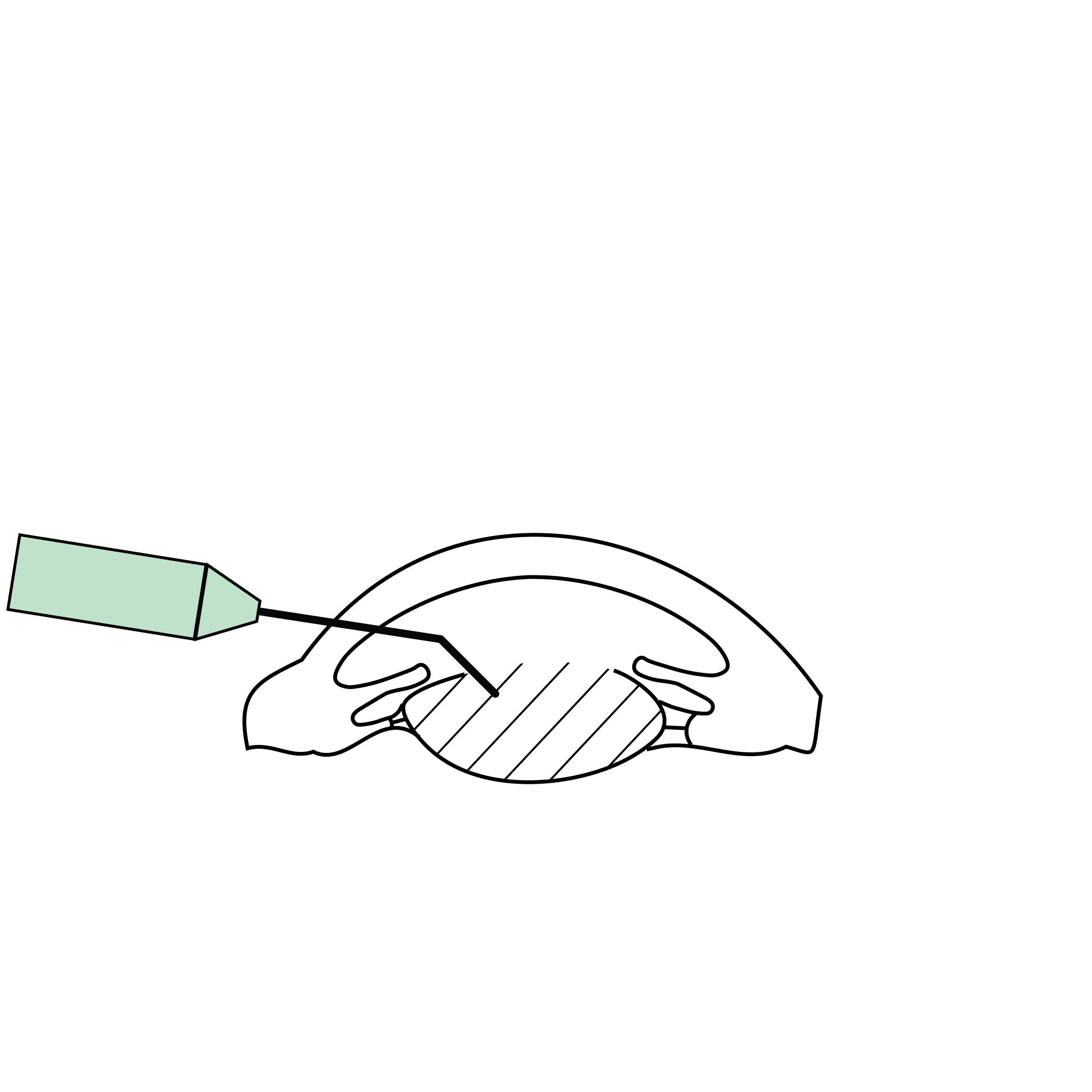
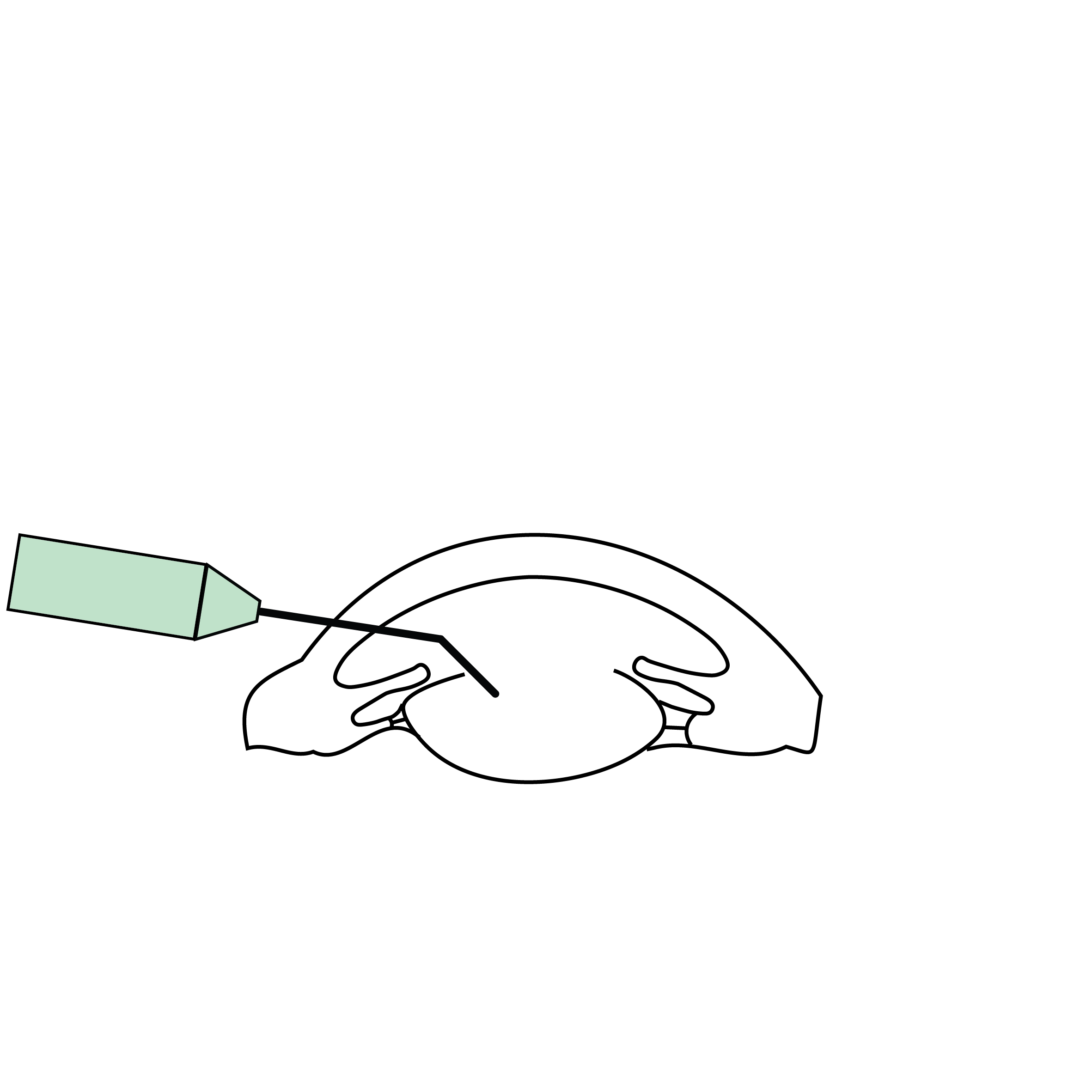
Surgery removes the clouded crystalline lens by phacoemulsification, then replaced by an intraocular artifical lens. It is carried out as a day case, usually under topical anaesthesia (with drops) with a mild sedation for improved comfort during surgery.
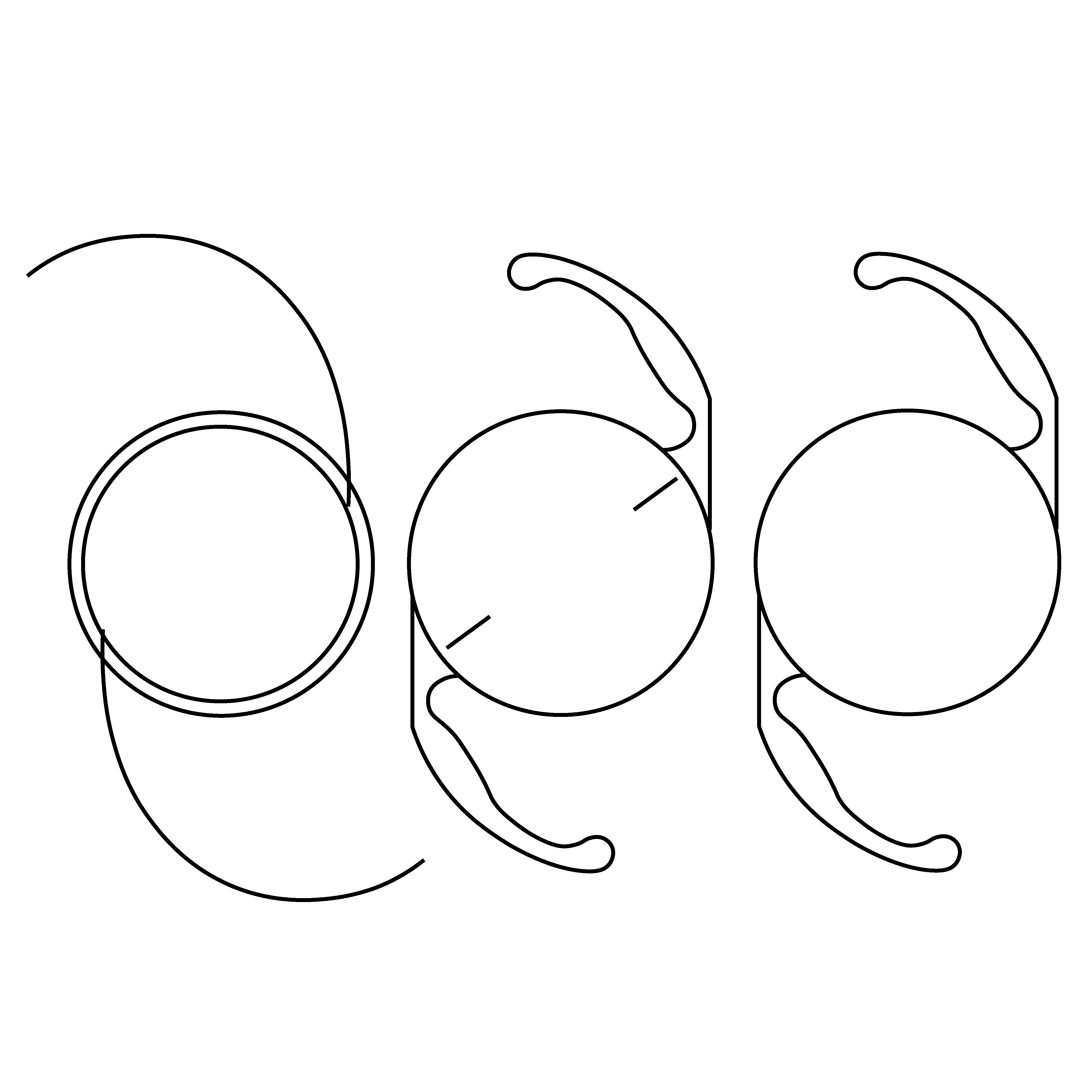
The implant is chosen according to your measurements, any astigmatism and your personal lifestyle. Monofocal, toric, extended depth of focus or multifocal implants: each option has its benefits and its trade-offs, discussed at the consultation.
Your cataract assessment at Swiss Visio Montchoisi, Lausanne
Ocular biometry, keratometry, corneal tomography/aberrometry and macular OCT: the assessment measures your eye to calculate the implant power needed and check the state of the central retina before surgery.
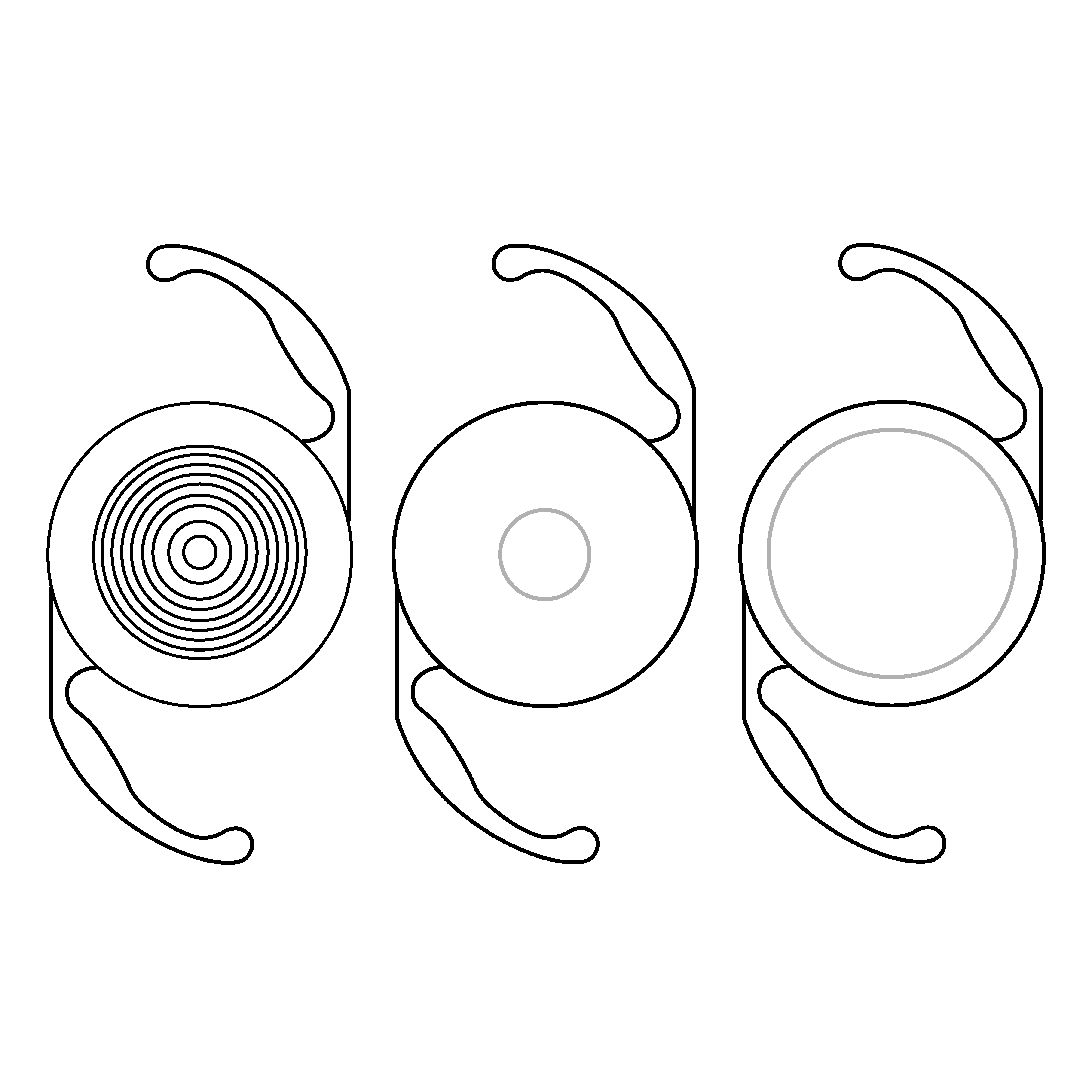
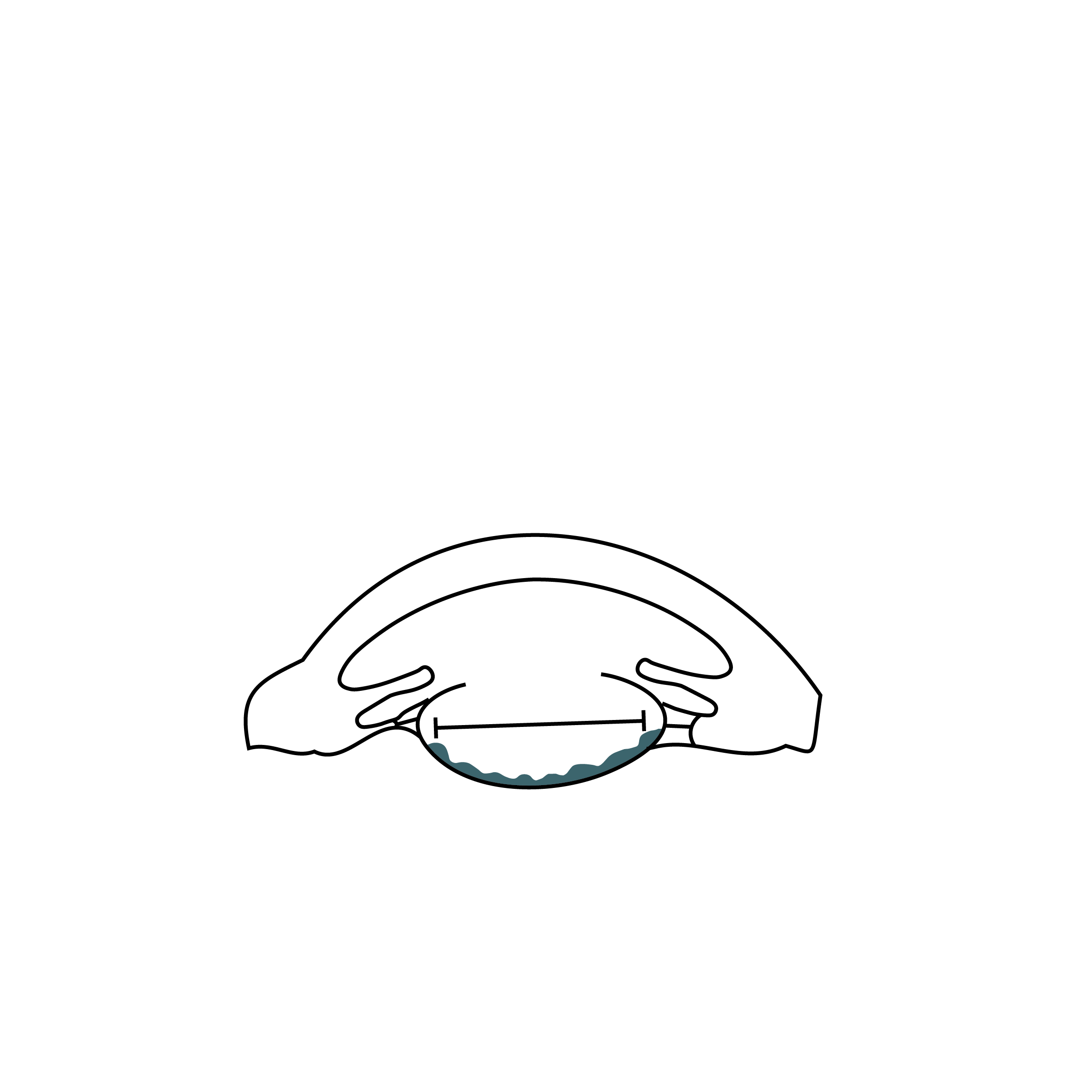
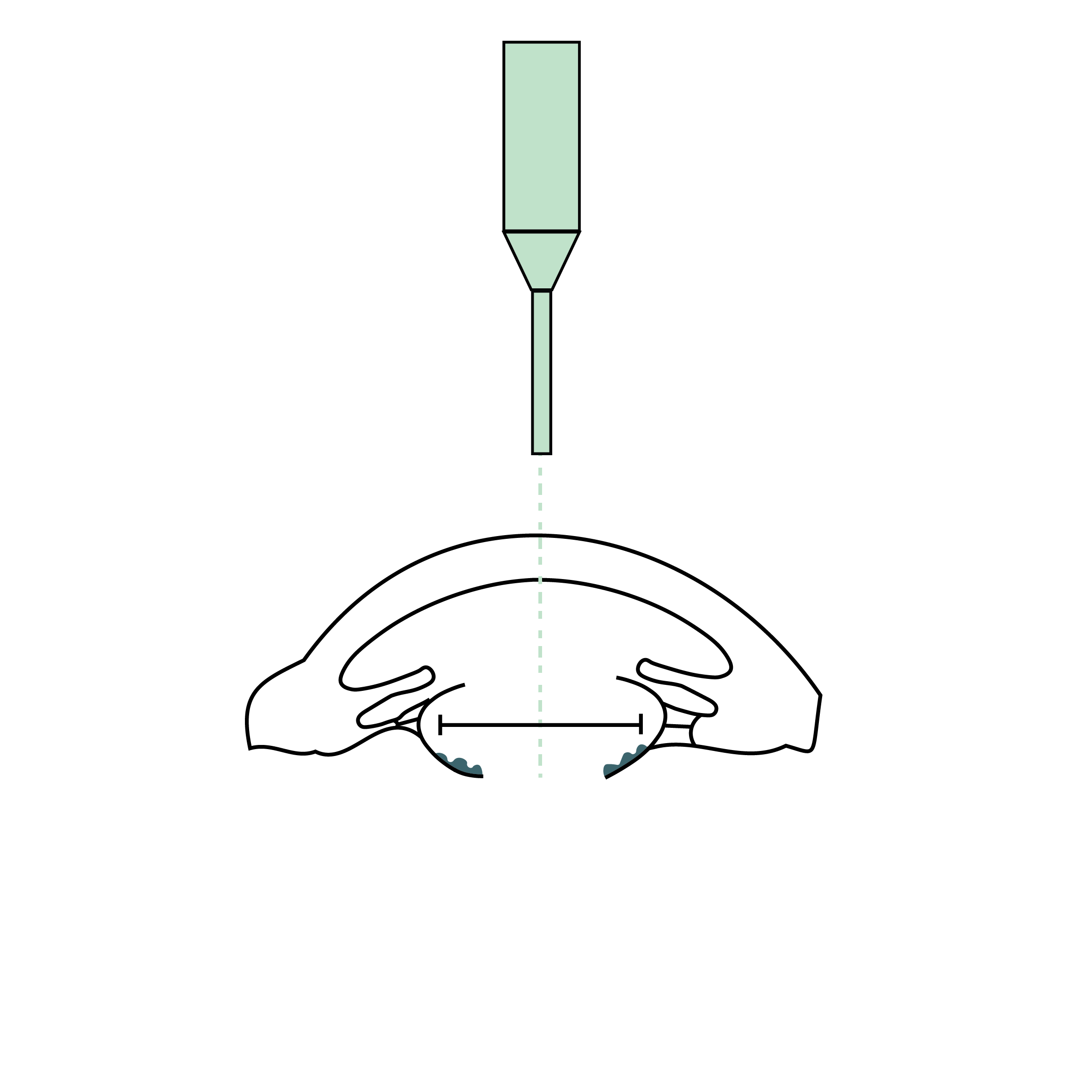
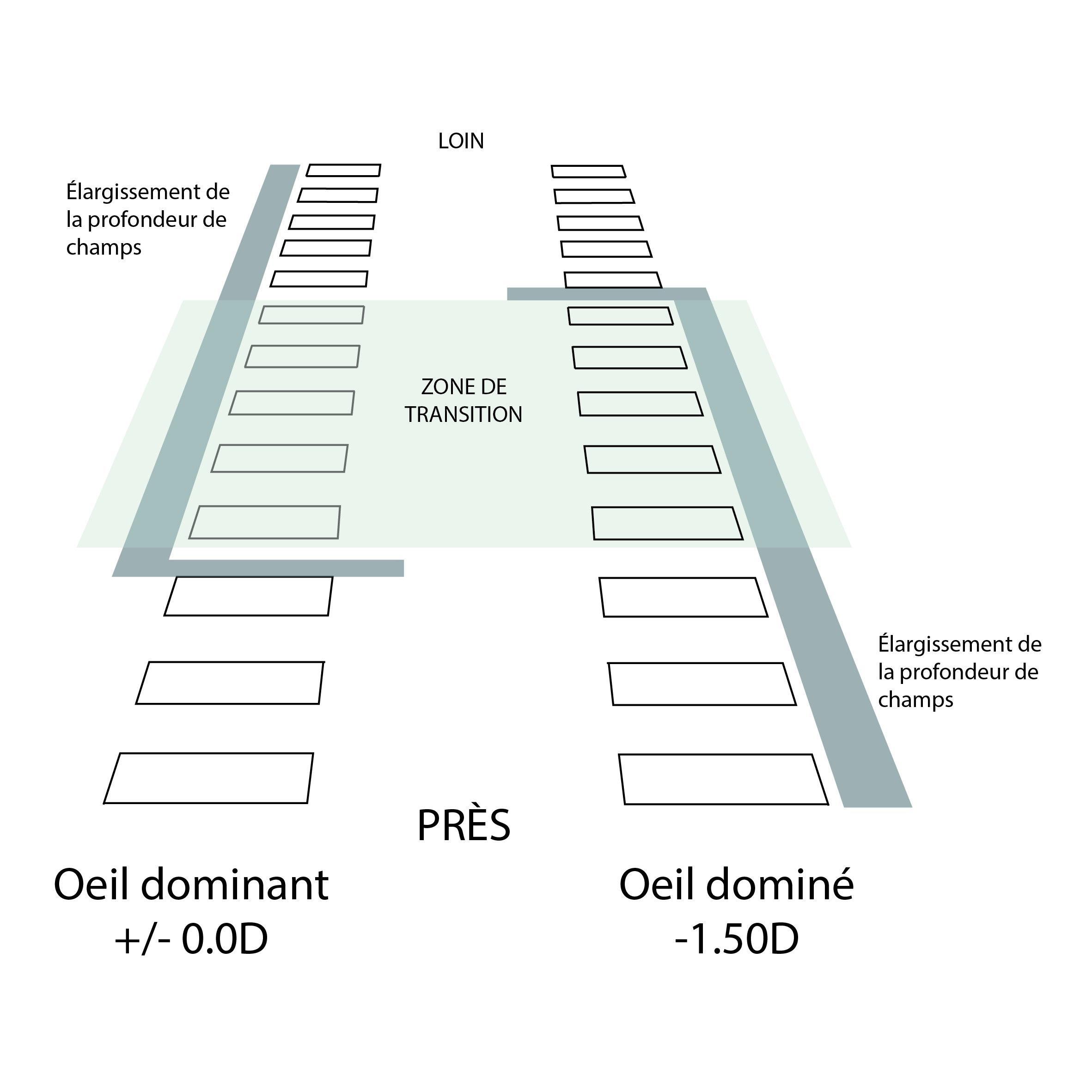
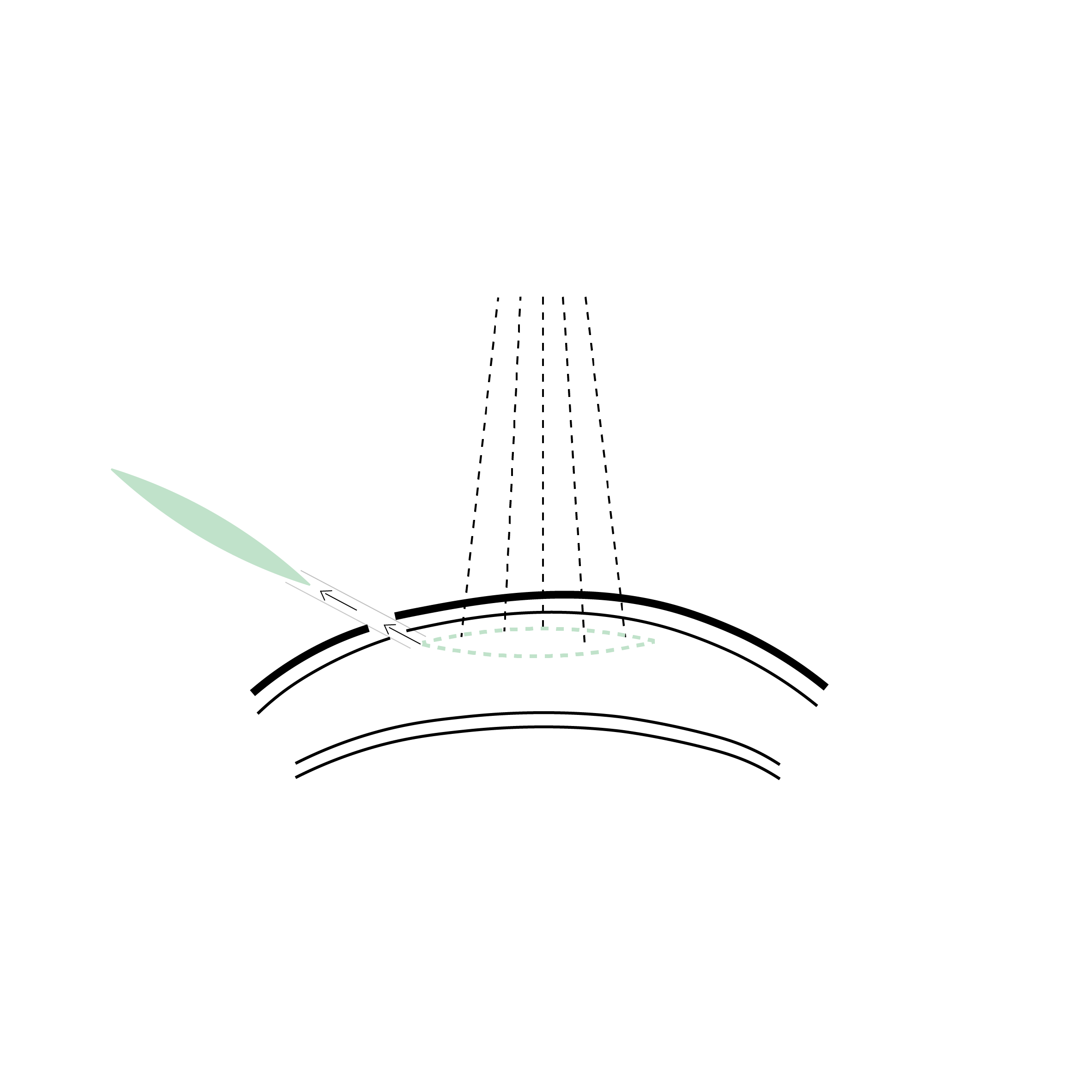
Anterior segment procedures performed in French-speaking Switzerland
Cataract and related reasons for consultation
Our articles on cataract
Partnerships and affiliations
.png)












Frequently asked questions about cataract surgery
When should a cataract be operated on?
The indication does not rest on the appearance of the lens alone, but on the difficulty experienced day to day: reading, night driving, glare, work. When reduced vision limits those activities despite an up-to-date prescription, surgery becomes worth discussing. There is no need to wait until the cataract is very advanced. Only a specialist examination can establish the indication.
How is cataract surgery performed?
The procedure removes the clouded crystalline lens by phacoemulsification and replaces it with an intraocular implant. It is carried out as a day case under local anaesthesia with drops, and you go home the same day. A prior assessment, with ocular biometry, keratometry and macular OCT, allows the implant to be calculated for your eye. Follow-up involves post-operative reviews and eye drops that must be used exactly as prescribed.
Is cataract surgery covered by Swiss basic insurance?
A cataract is a medical condition, not elective surgery. Its surgical treatment falls under Swiss basic health insurance (LAMal) once the medical indication is established. Your contribution is in principle limited to your annual deductible and the 10% co-payment. The premium implant portion remains payable by you. A detailed quotation is provided at the consultation.
Can both eyes be operated on?
Both eyes are usually operated on one after the other, a few weeks apart. That interval allows the result in the first eye to be checked and, where needed, the implant calculation for the second to be adjusted. The timing is decided case by case with your surgeon, according to your visual difficulty and your circumstances.
Which implant should I choose for cataract surgery?
A monofocal implant gives one distance in sharp focus, with glasses still needed for the others. A toric implant also corrects astigmatism. Extended depth of focus and multifocal implants aim for greater independence from glasses, with trade-offs discussed case by case, particularly around night vision. The choice is made from your measurements and the way you live: reading, screens, driving, close work.
Is cataract surgery painful?
The procedure is carried out under local anaesthesia with drops and is not painful. You remain awake, without seeing anything distinct of the procedure itself. In the hours that follow, the eye may be sensitive to light and feel gritty, which settles quickly. One instruction matters: do not rub the treated eye, and follow the prescribed drops.
How long does recovery take after cataract surgery?
Vision usually improves within the first few days, then continues to sharpen over several weeks as the eye settles. A post-operative review is arranged shortly after surgery, after which follow-up is spaced out. A final spectacle prescription is only issued once vision has stabilised. Your surgeon will confirm when you can resume your usual activities.
What is a secondary cataract and how is it treated?
After cataract surgery, the capsule supporting the implant can cloud over time and gradually blur vision again. This is known as a secondary cataract. It is not a recurrence of the cataract itself: the crystalline lens has been removed. Treatment is a YAG laser capsulotomy, carried out during a consultation. A gradual loss of vision after cataract surgery therefore warrants a check-up.
I have already had laser surgery: does that change the implant calculation?
Yes. Previous refractive surgery, whether LASIK, SMILE or PRK, alters the curvature of the cornea and makes the implant calculation more demanding. Specific formulas and measurements are used to improve the accuracy of the outcome. It is important to mention that surgery and, if possible, to bring your pre-operative data from the time. This receives particular attention at the practice, where implant calculation after refractive surgery is among the topics Dr Hammer works on.