.png)
.jpg)
.jpeg)
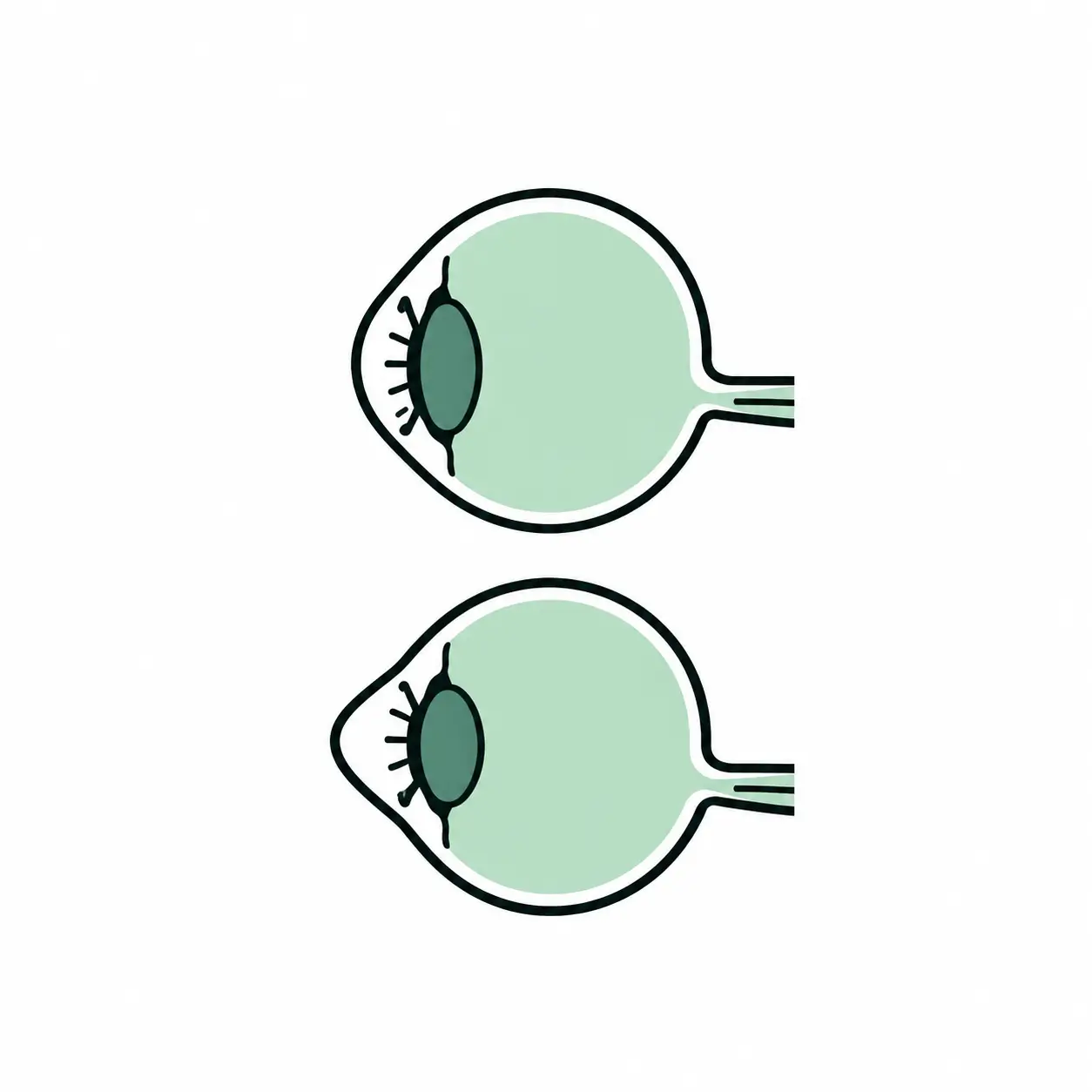
Keratoconus gradually thins and distorts the cornea, which takes on a cone shape and creates an irregular astigmatism that spectacles cannot fully correct. Dr Arthur Hammer, FMH ophthalmic surgeon specialising in the cornea, manages keratoconus in Lausanne and Geneva.
Treatment is not decided on how the cornea looks at a single moment, but on how it is changing. Progressive keratoconus has to be stabilised. Stable keratoconus calls for monitoring and a suitable optical correction. Comparing topographies/tomographies over time is what settles the question.
That distinction requires a close reading of the cornea. Dr Hammer is MD-PhD, FEBO and FEBOS-CR, and corneal surgery is at the centre of his practice: it is this expertise that helps detecting early distortion before any drop in vision, and matching the appropriate procedure to the real stage of the disease.
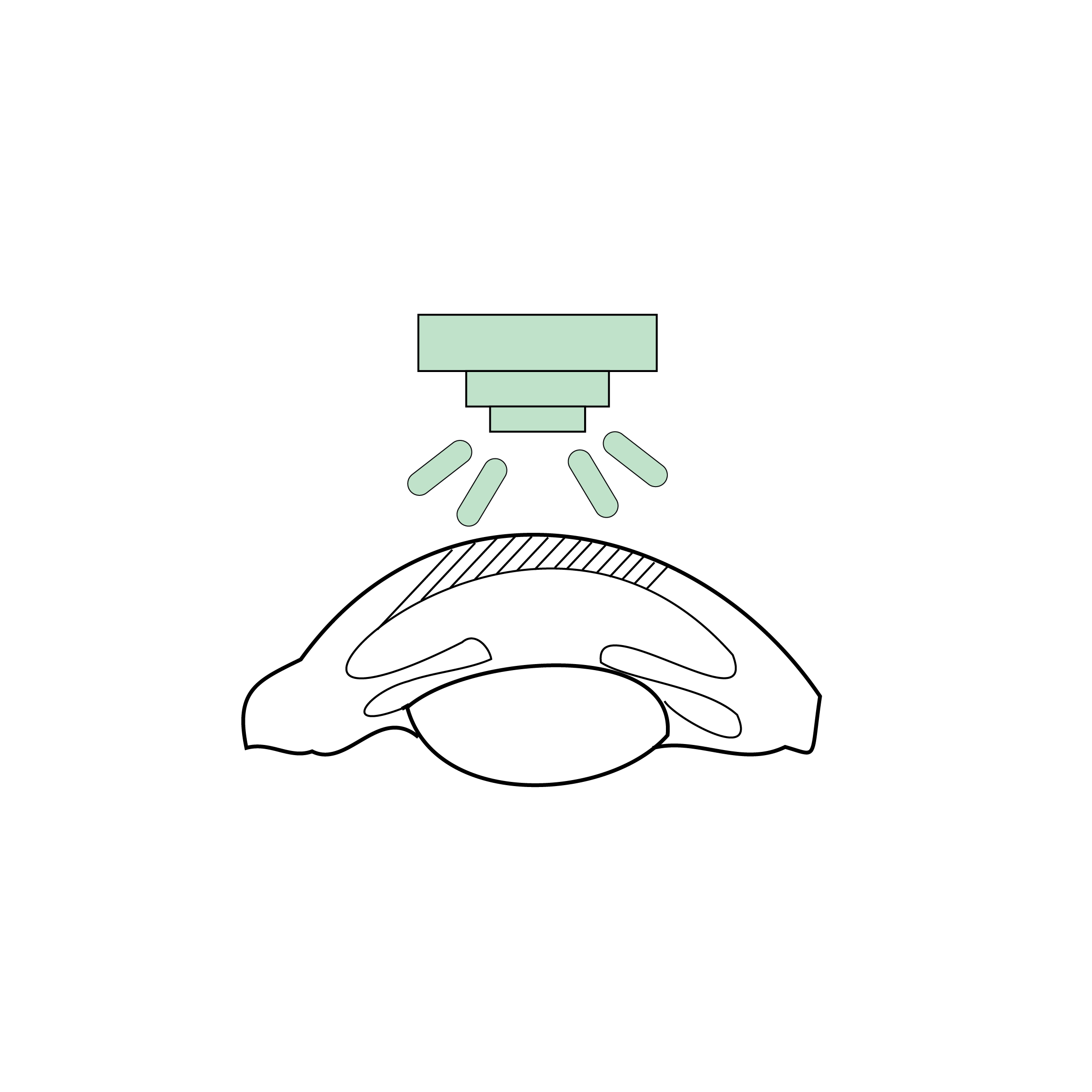
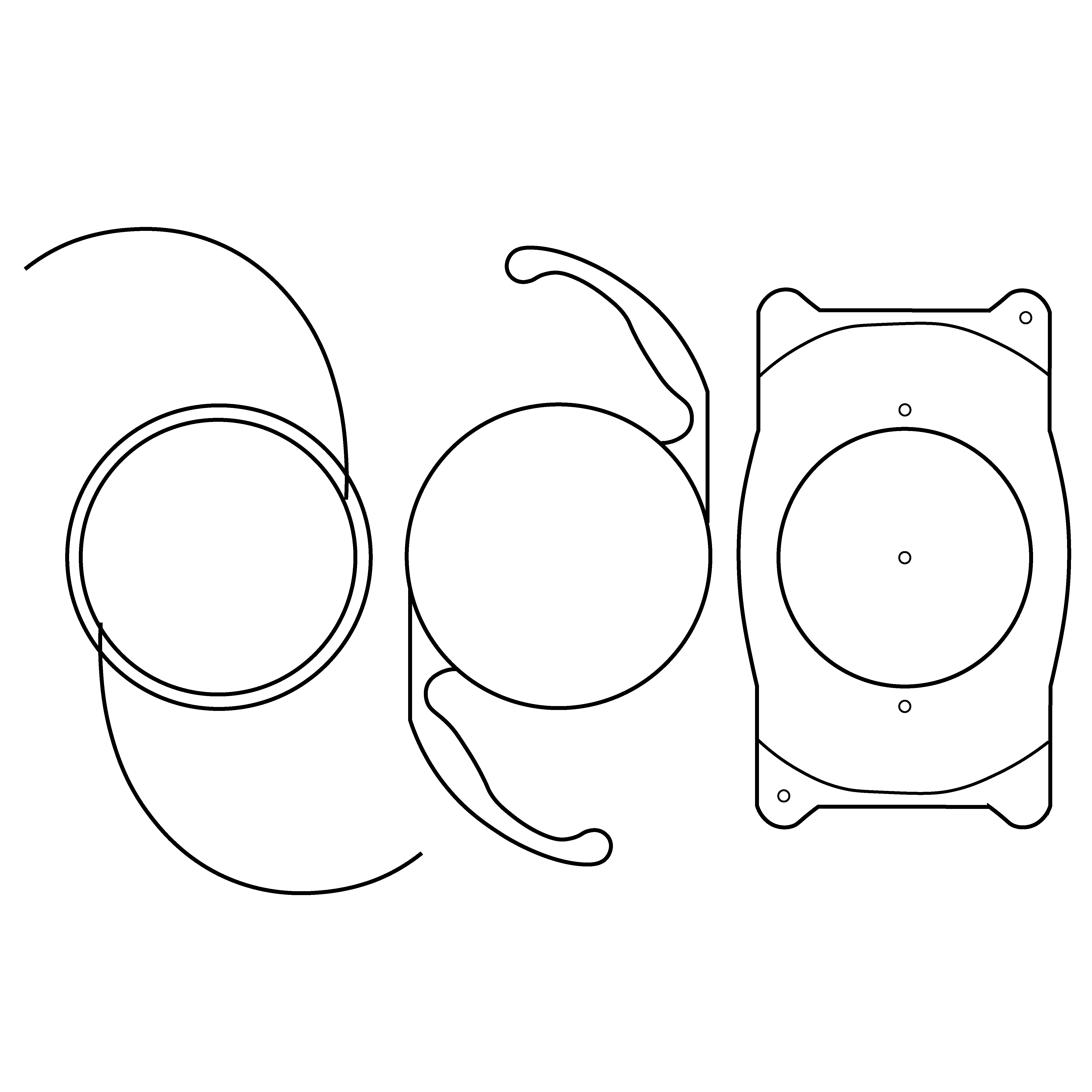
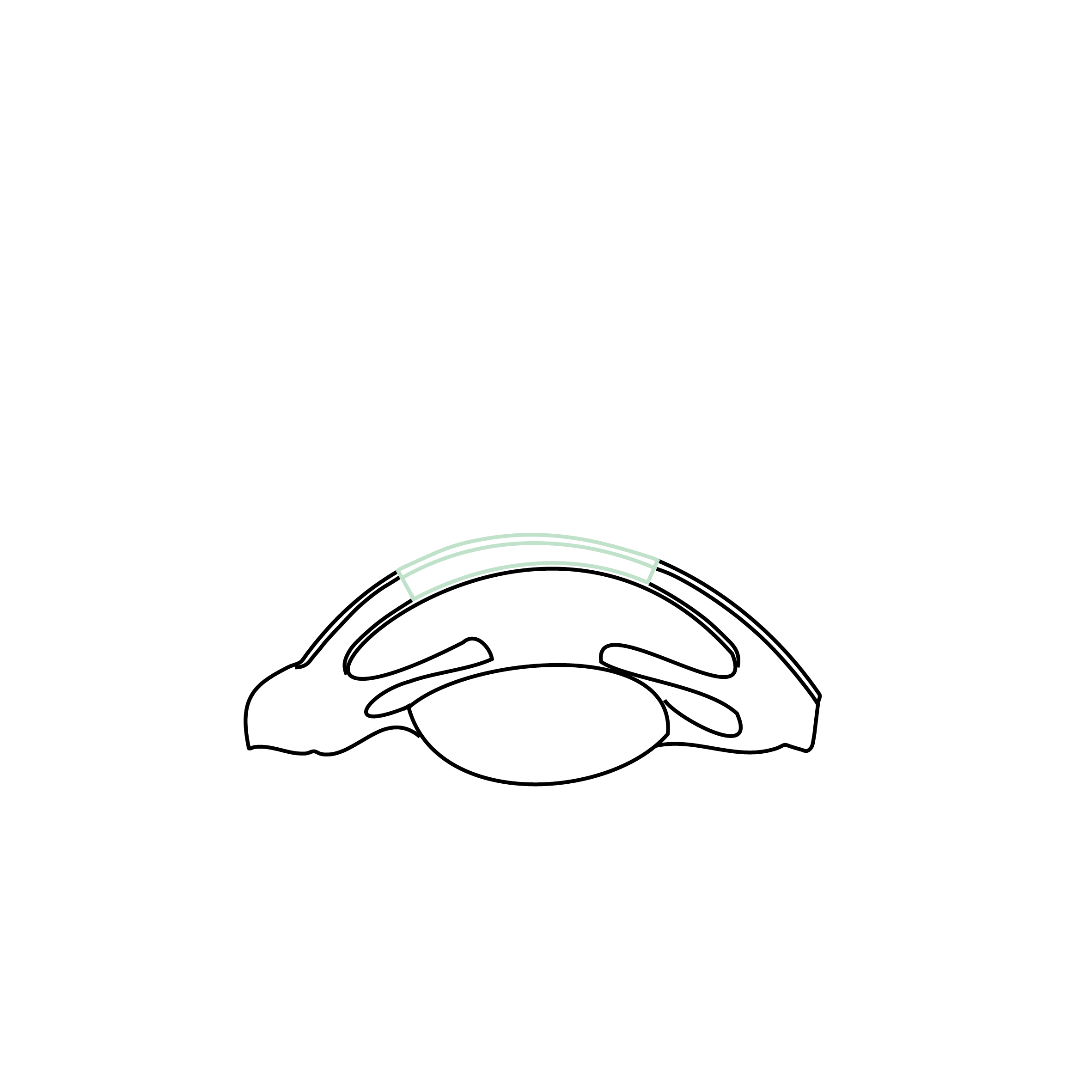
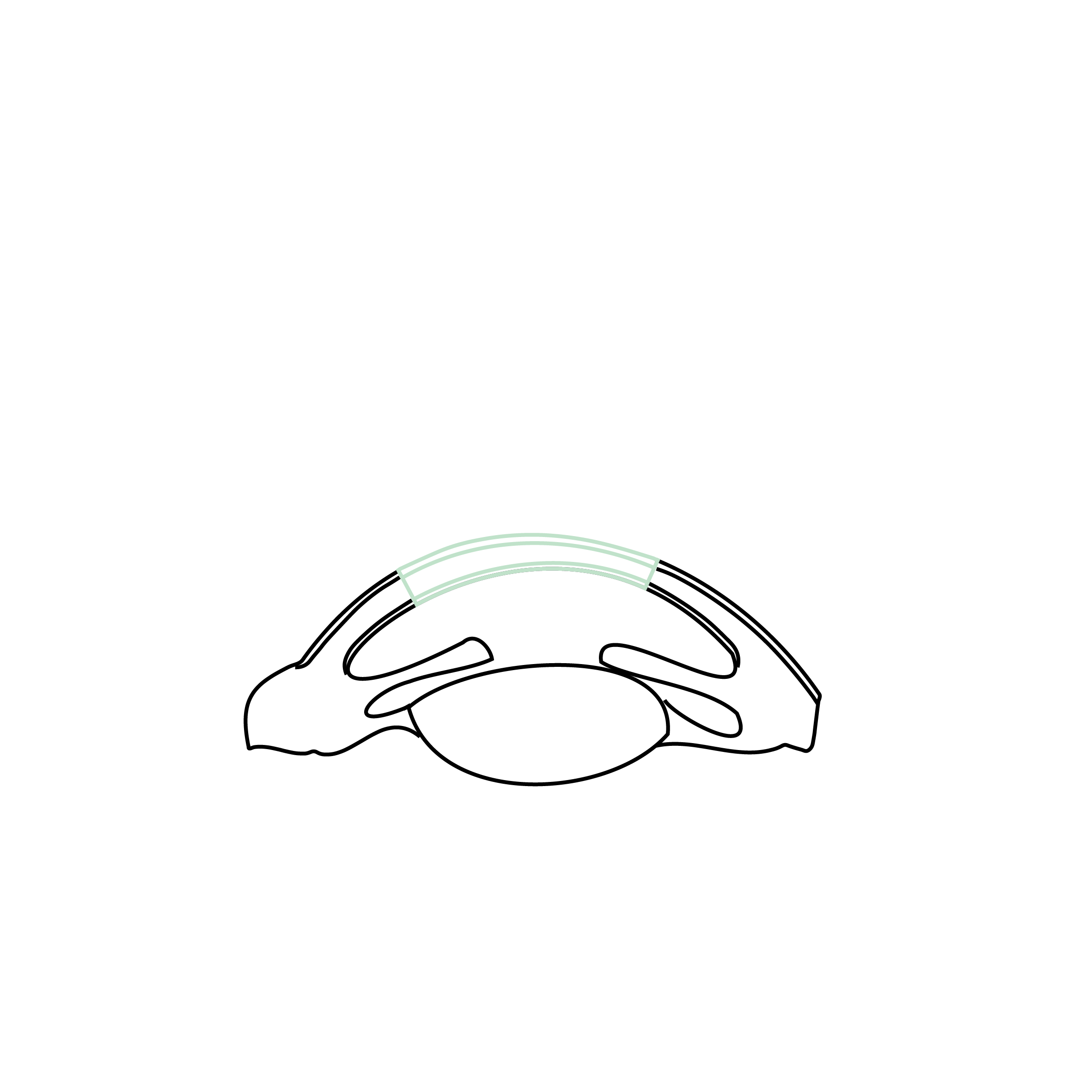
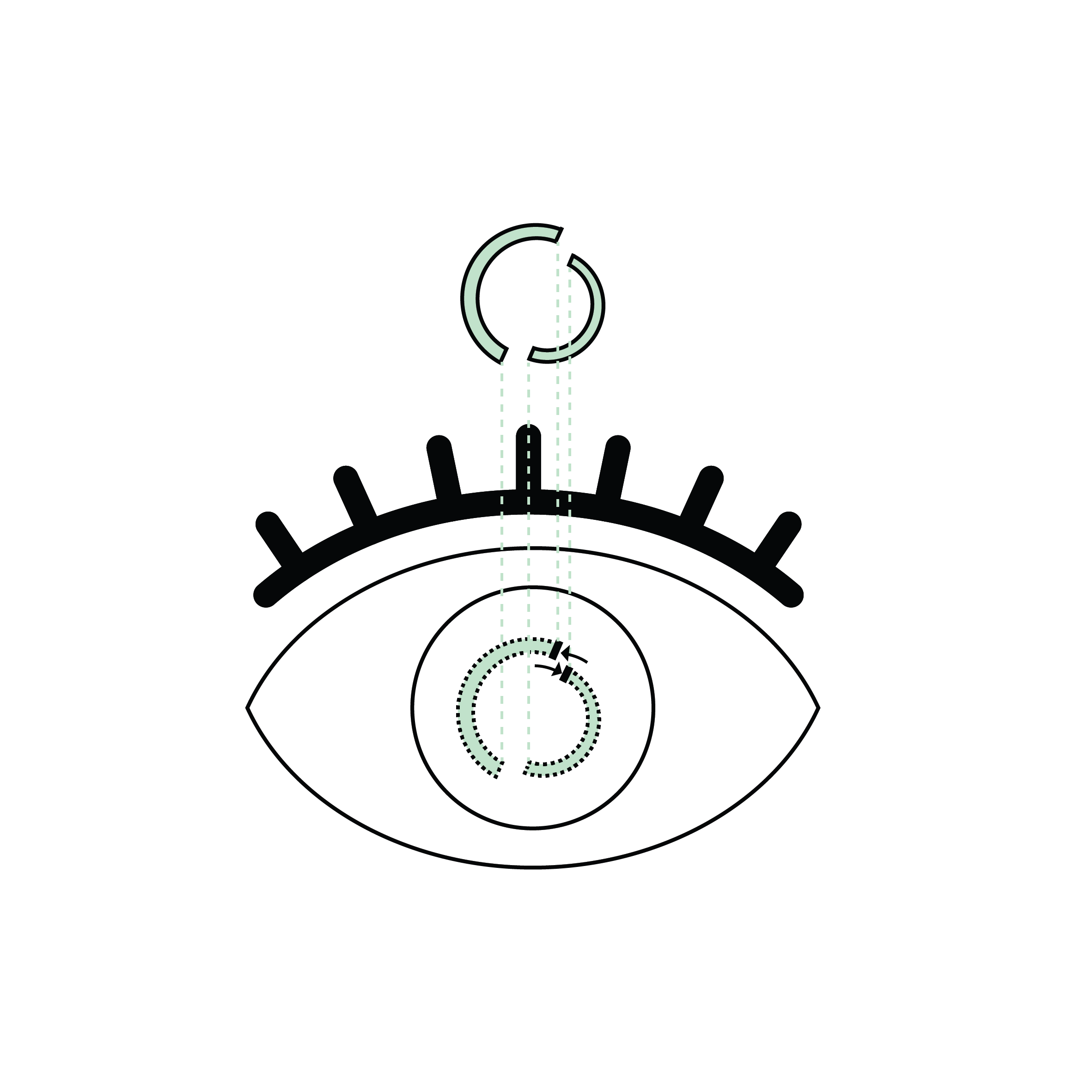
The range of treatment covers every stage: Special contact lenses when spectacles are not enough, collagen cross-linking to halt progression, intracorneal rings and segments or topo/wavefront guided PRK to regularise a cornea already distorted, and lamellar or penetrating transplants once the cornea no longer allows any satisfactory correction.
Your corneal assessment at Swiss Visio Montchoisi, Lausanne
Before any decision, a full map of the cornea establishes the stage of the keratoconus and, above all, whether it is still progressing. Topography, tomography, corneal OCT and pachymetry are all carried out on site.

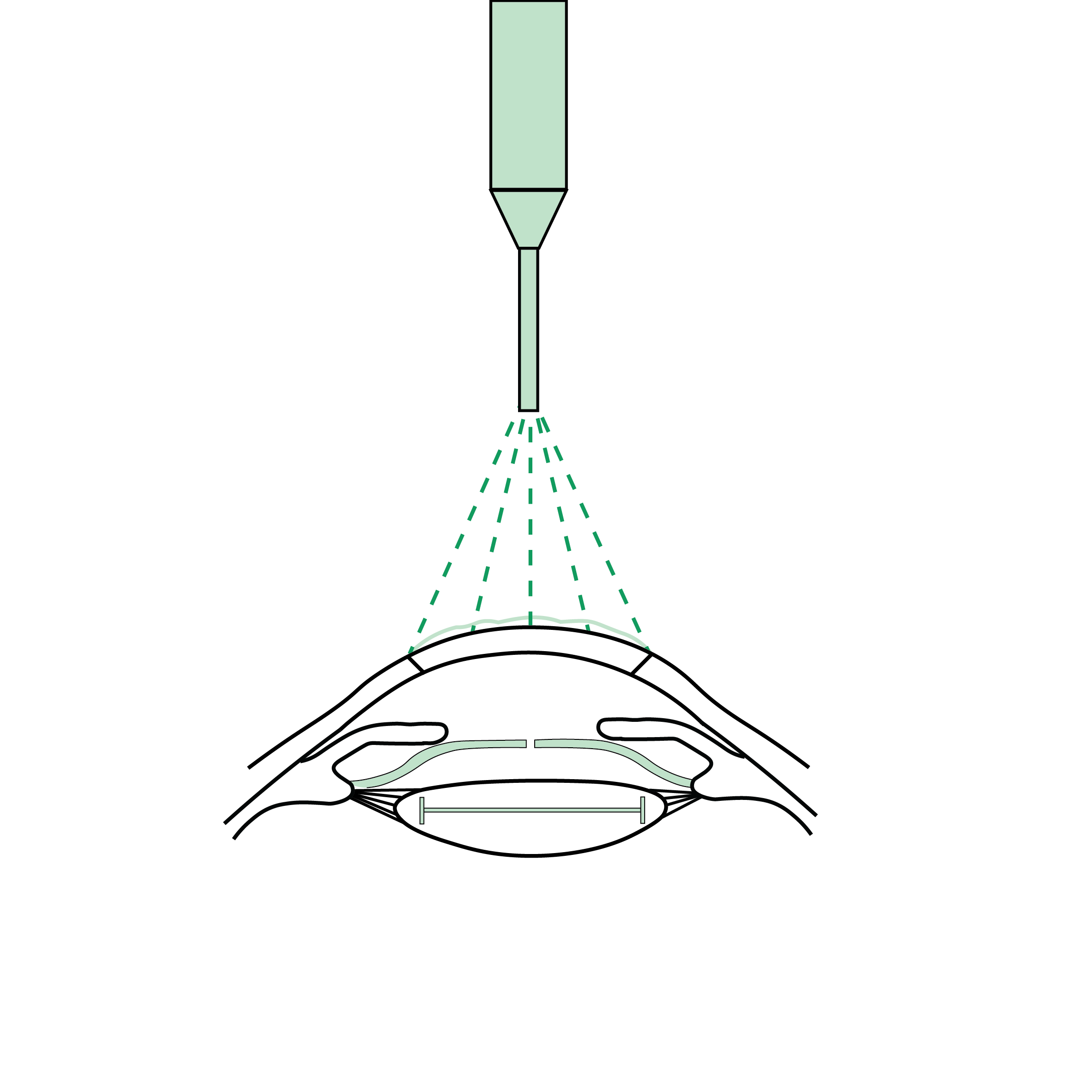
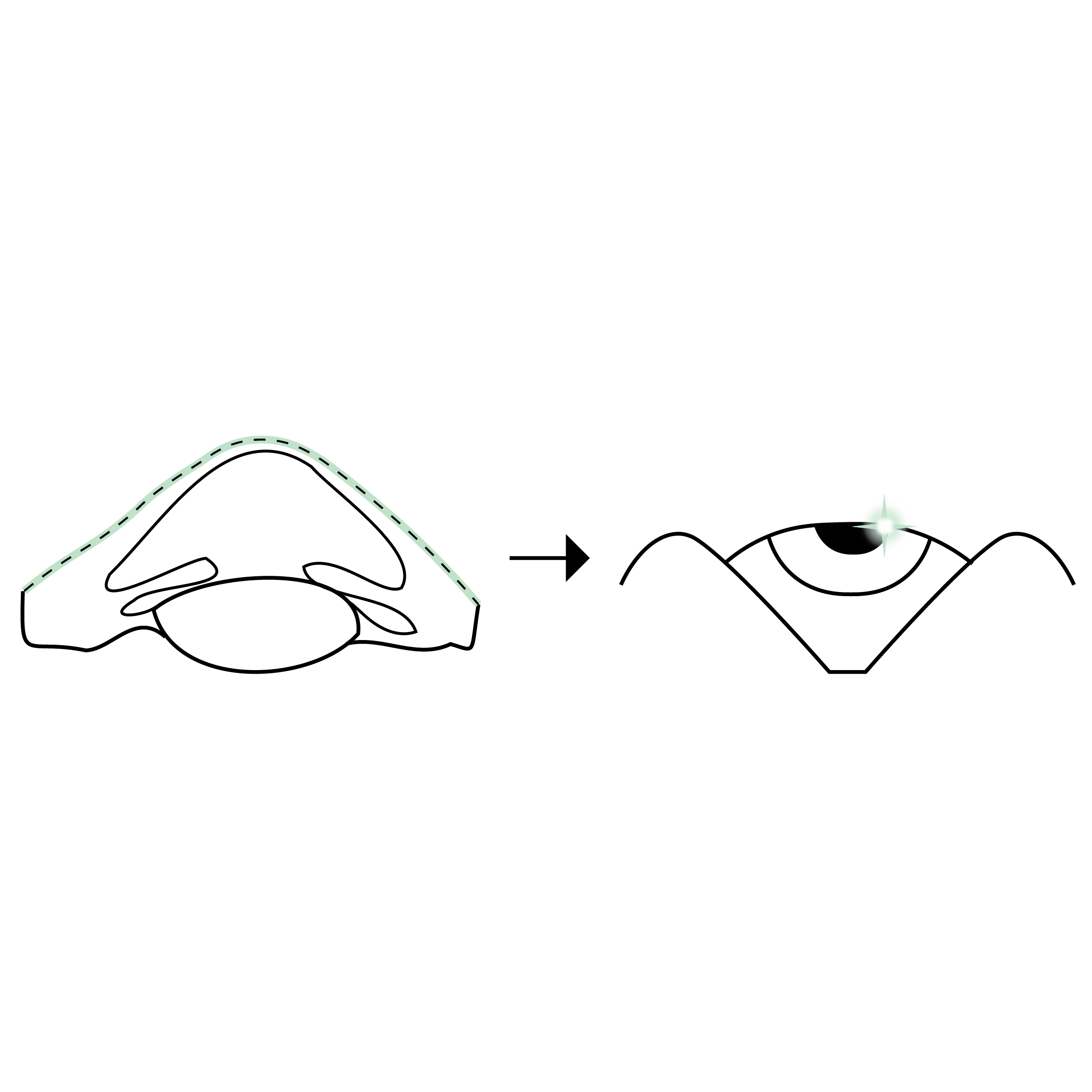

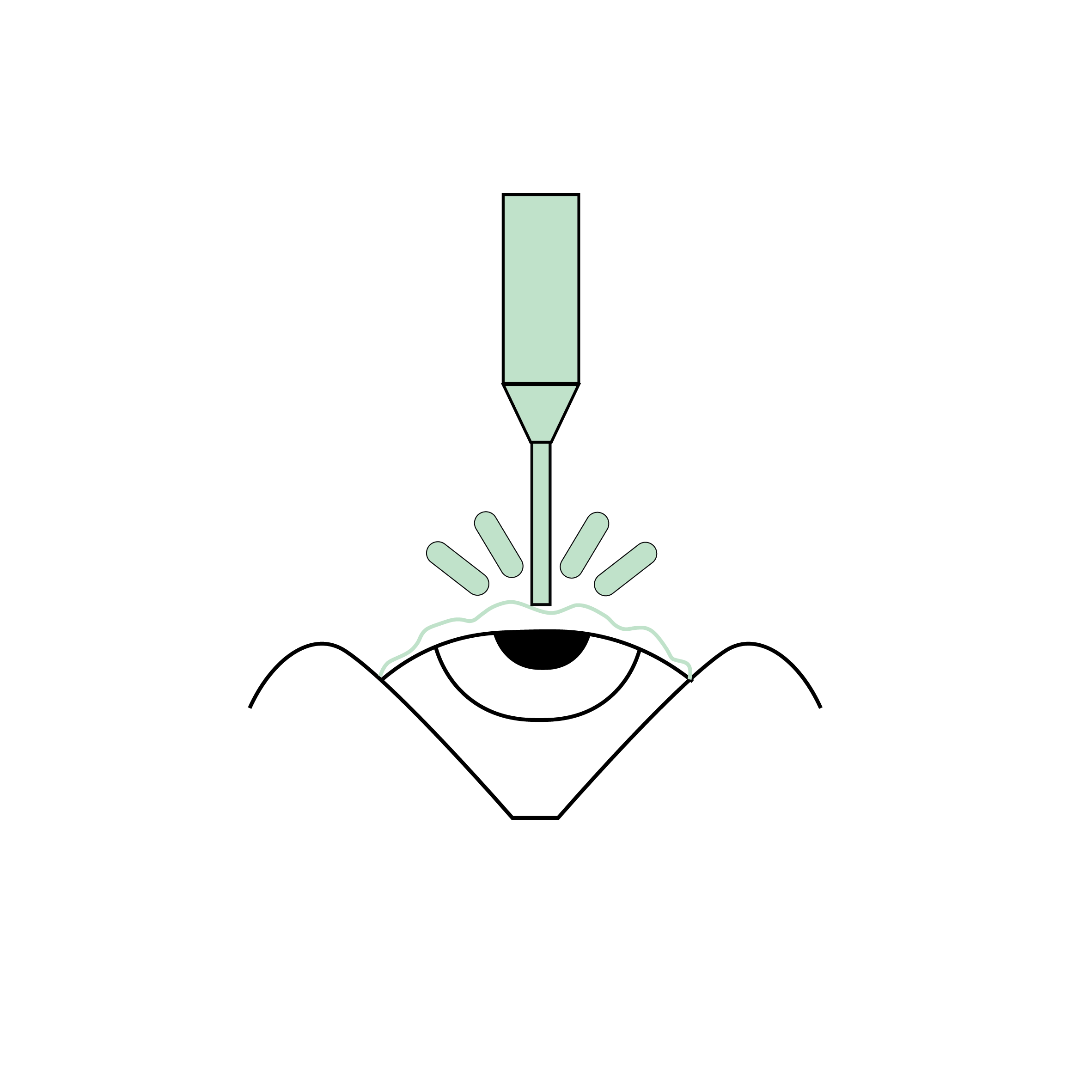
Corneal, cataract and refractive procedures performed in Lausanne
Corneal and ocular conditions managed at the clinic
Our news and articles
Partnerships and affiliations
.png)













Frequently asked questions about keratoconus treatment
What keratoconus treatments are offered?
Is cross-linking covered by Swiss basic insurance?
How is cross-linking performed and what is the recovery like?
When are intracorneal rings used rather than cross-linking?
Do you need a referral from your family doctor?
Where do consultations and procedures take place?
Can you get a second opinion before a corneal transplant?
Are both eyes treated at the same time?
What should you bring to your first consultation?