Am I a good candidate for laser refractive surgery?
Not everyone can be treated with a laser. Eligibility is decided by precise measurements, not by the numbers written on your spectacle prescription.
Created on
26.08.2026
·
Updated on
15.11.2026


Being a candidate for laser refractive surgery requires stable vision, a healthy cornea of sufficient thickness, and the absence of any progressive eye disease. Only a full pre-operative assessment can establish this. Many patients arrive at the consultation convinced they can be treated, or convinced they cannot, on the strength of their prescription alone. This article sets out the criteria that are actually examined, the measurements taken, the contraindications, and the alternatives when laser treatment is not indicated.
Being a candidate for laser refractive surgery, in brief
Eligibility for refractive surgery is a medical decision resting on a combination of objective measurements, not on a simple dioptre threshold. The principle of laser vision correction is to reshape the cornea so that light focuses correctly on the retina. Because that change is permanent, the assessment beforehand carries as much weight as the procedure itself.
Four questions structure that assessment: is your vision stable, does your cornea allow it, does your refractive error fall within treatable limits, and is your eye otherwise healthy.
The eligibility criteria examined at the consultation
Eligibility criteria are the clinical conditions that make a laser correction safe and durable. They are weighed together, never in isolation.
A stable refraction
Refractive stability is the first criterion. Operating on an eye whose myopia is still progressing amounts to correcting a moving target: the error returns in the medium term. Your previous spectacle or contact lens prescriptions are the best evidence of that stability, so it is worth bringing them to the consultation. Absolute stability is rare, especially for high refractive errors, and most specialist refractive surgery centres consider the correction stable if it has not changed by more than 0.50 dioptres over 2 years.
A cornea thick and regular enough
The cornea is the tissue the laser reshapes, so its thickness is a finite resource. Pachymetry measures that thickness, while corneal topography and tomography map its shape and detect any early distortion. A cornea that is too thin, or shows an irregularity suggestive of keratoconus, points towards a different solution, such as implantable contact lenses (ICL).
A refractive error within treatable limits
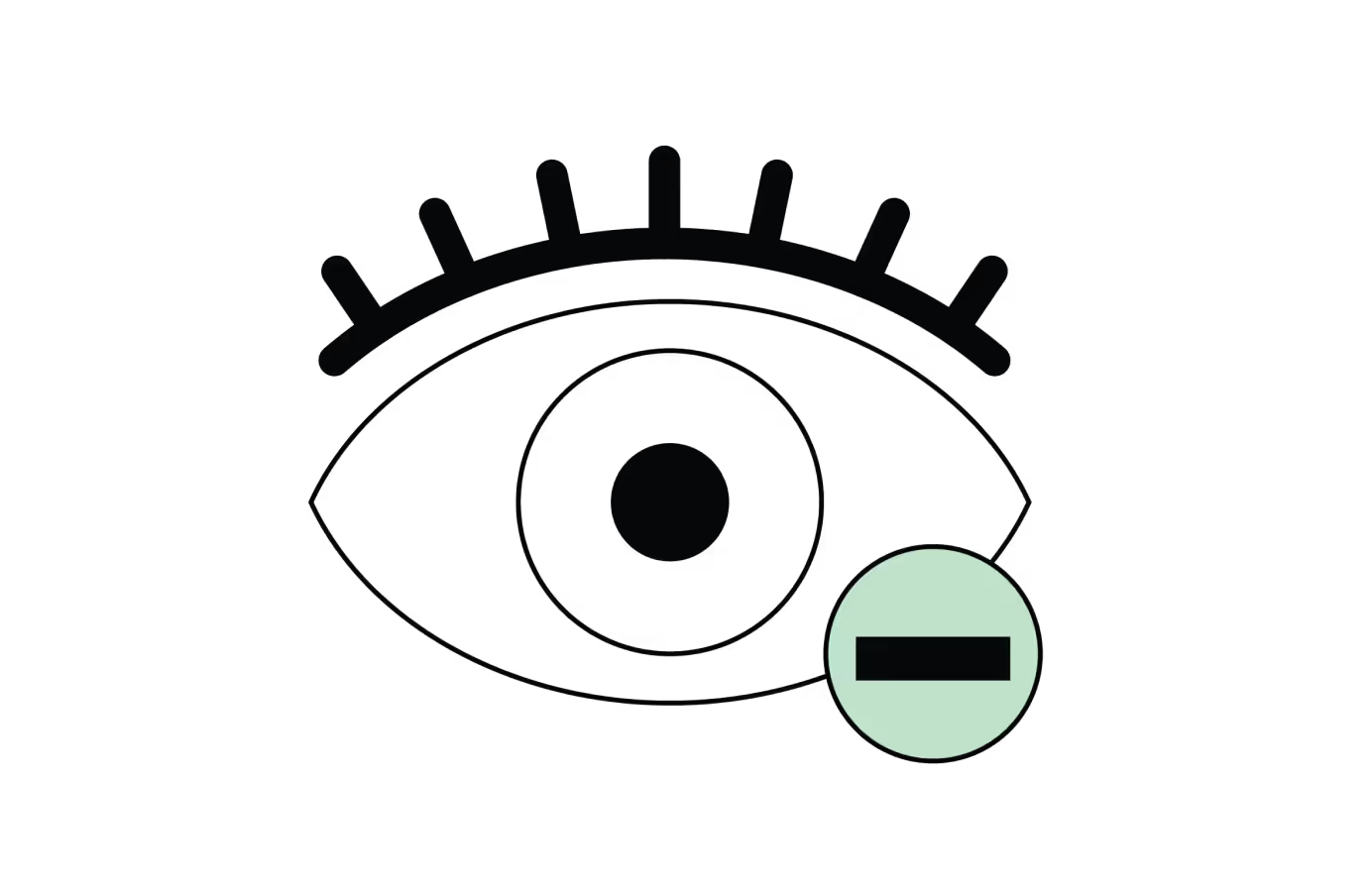
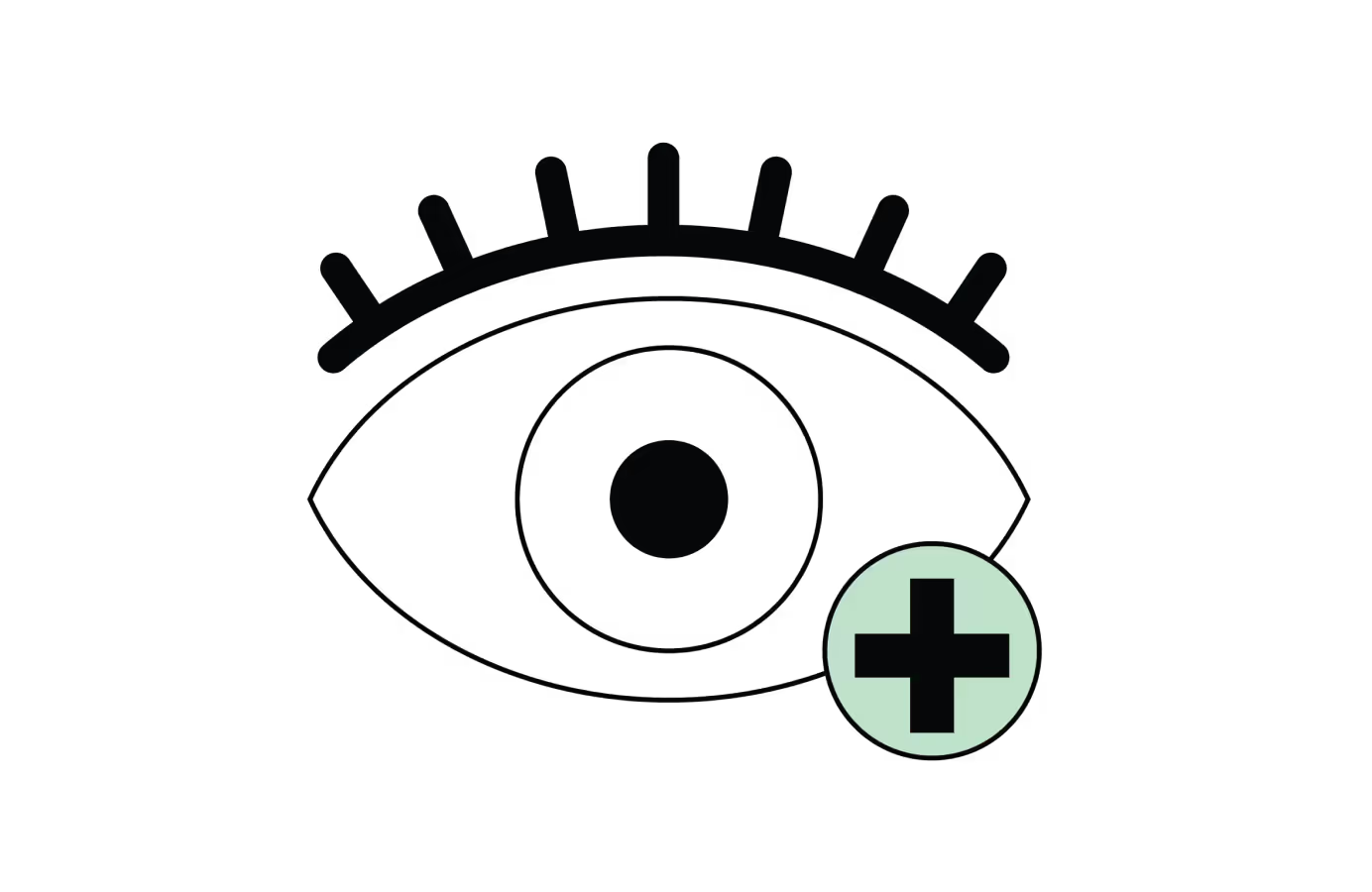
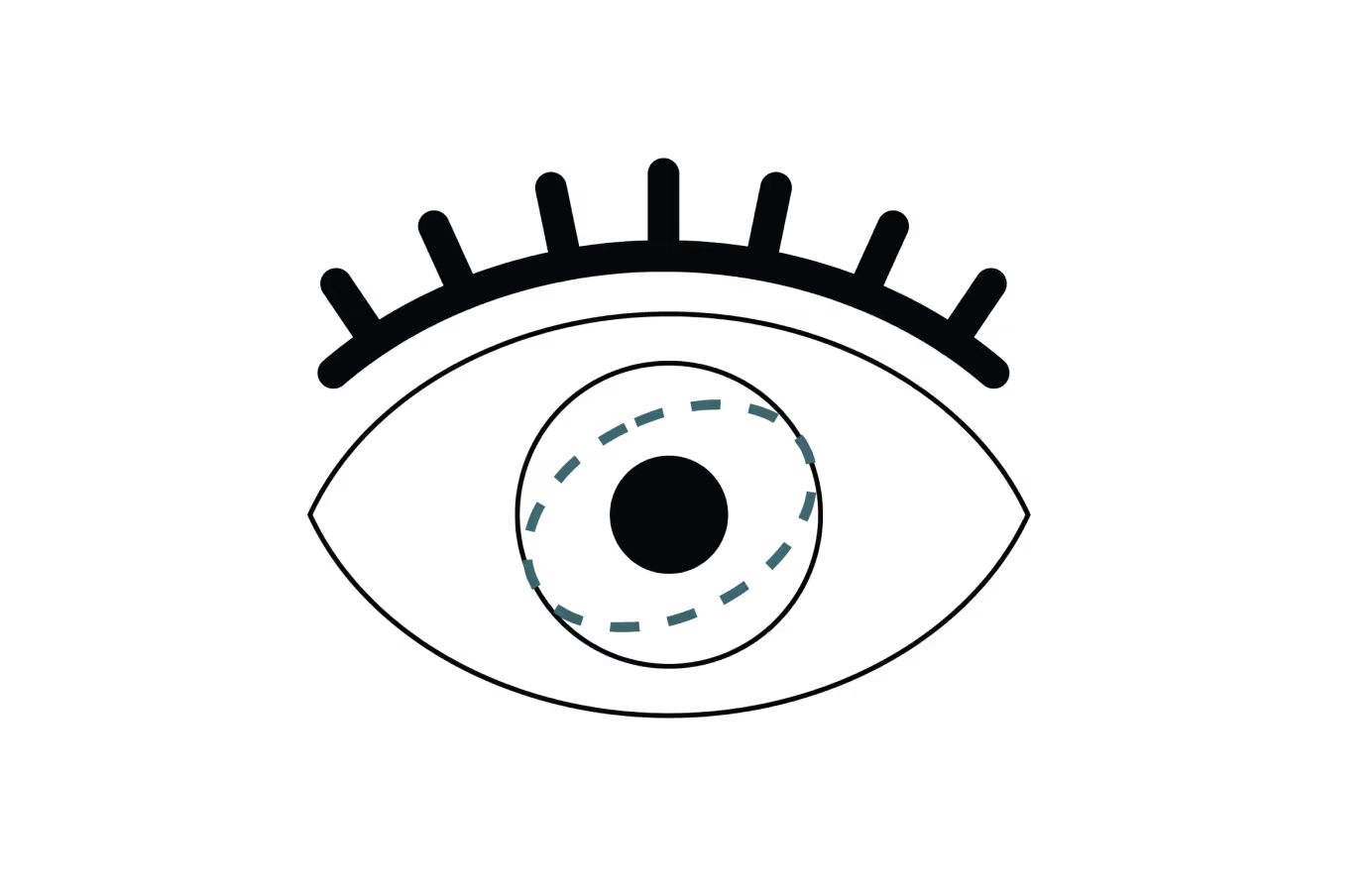
Each technique has a correction range beyond which it loses precision or consumes too much corneal tissue. Myopia, hyperopia and astigmatism do not behave in the same way. High myopia in particular can fall outside the limits of laser treatment and then calls for a different approach.
An otherwise healthy eye
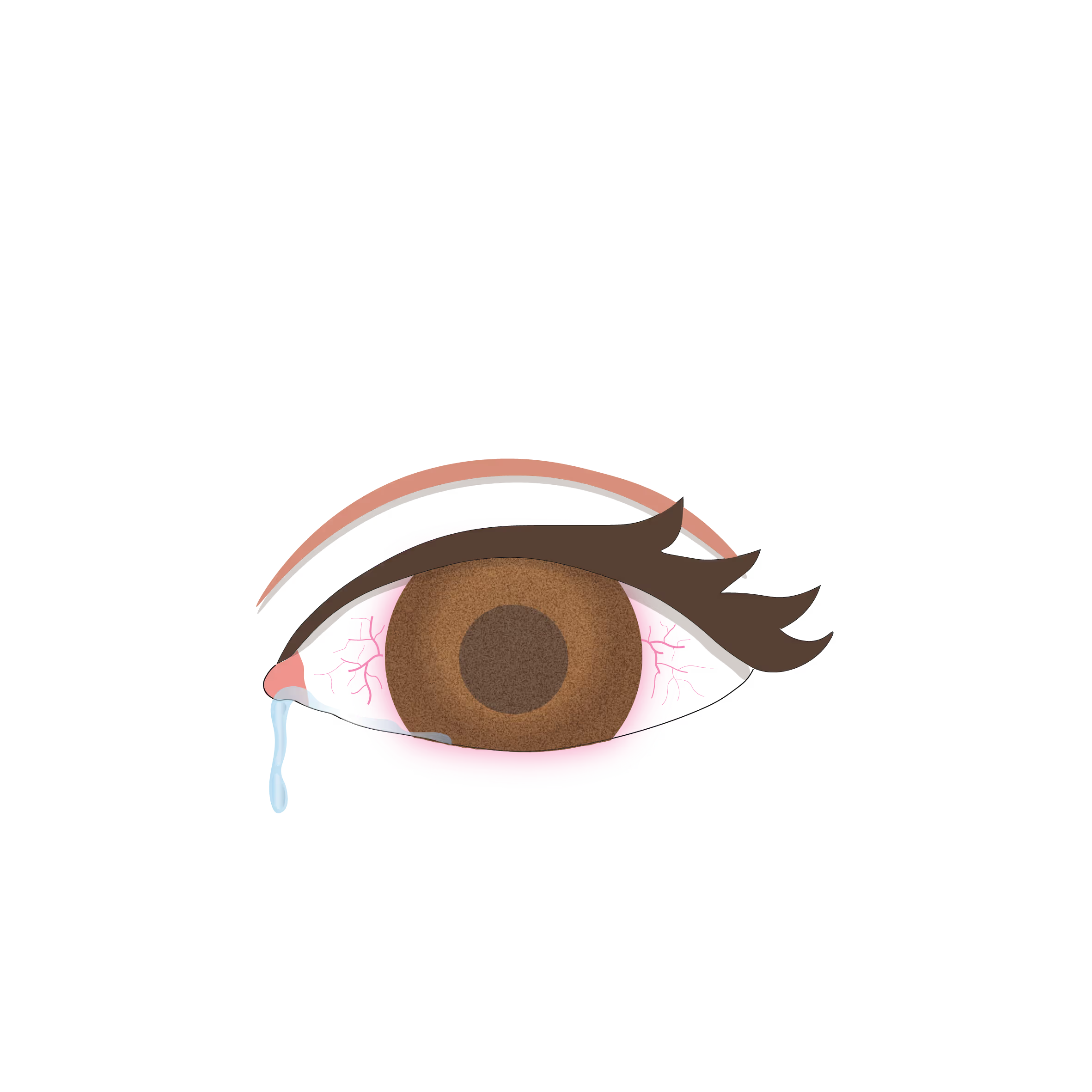
A healthy eye here means the absence of any condition that could compromise the outcome or healing. The tear film, the intraocular pressure, the crystalline lens, the macula and the peripheral retina are all examined. Significant dry eye is treated before surgery, since the laser can make it worse, usually only temporarily.
The pre-operative assessment: what is measured
The pre-operative assessment is the detailed examination that turns an intention into a surgical indication. It takes longer than an ordinary consultation and involves several complementary measurements:
- Subjective and cycloplegic refraction: measurement of the refractive error, including after relaxing accommodation, which can mask the true refractive error to be corrected.
- Corneal topography and tomography: mapping of curvature and thickness across the whole cornea, the key examination for detecting subclinical keratoconus.
- Pachymetry: measurement of corneal thickness and calculation of the residual tissue after treatment.
- OCT of the cornea, macula and optic nerve: detailed, micrometre-scale analysis of the eye's different structures.
- Aberrometry: analysis of the eye's optical aberrations, useful when considering a personalised treatment.
- Tear film evaluation: screening for dry eye to be treated beforehand.
- Fundus examination: assessment of the retina, particularly its periphery in myopic patients.
- Intraocular pressure measurement: screening for ocular hypertension or glaucoma.
These tests are painless and carried out at the consultation. Contact lenses must be left out for at least 1 week beforehand, as they temporarily distort the cornea and would skew the measurements.
Situations that contraindicate laser treatment
A contraindication is a clinical situation in which the balance between expected benefit and risk ceases to be favourable. Being transparent about this is part of good medical practice.
- established keratoconus, or suspected subclinical keratoconus on corneal topography/tomography
- a cornea too thin to leave sufficient residual thickness
- an unstable refraction
- severe dry eye or uncontrolled ocular surface disease
- certain active or uncontrolled autoimmune conditions, and other situations that impair healing
- an early cataract, which changes the indication and points towards lens surgery
- pregnancy and breastfeeding, periods during which the refraction can vary
This list is not exhaustive and every situation is assessed individually. These symptoms or history may suggest a contraindication, but only a specialist examination can confirm one.
A contraindication to laser treatment does not close every door
Not being a candidate for laser treatment does not mean giving up on surgical correction altogether. Several routes exist, depending on what rules the laser out.
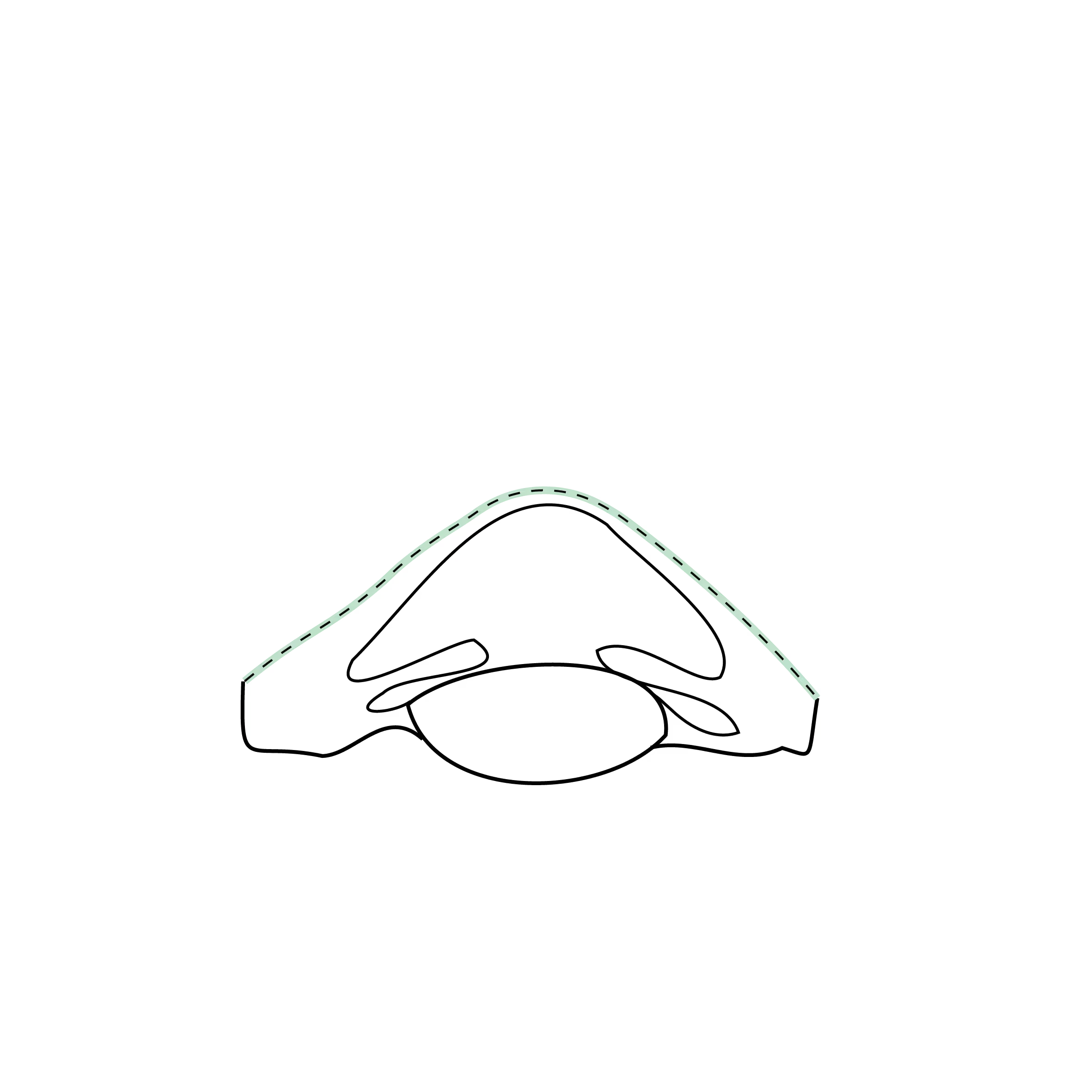
Where the cornea is too thin or the refractive error too high, implantable contact lenses (ICL) and clear lens exchange correct vision without removing corneal tissue. Where thickness limits LASIK without ruling it out entirely, a surface technique such as PRK may be suitable. Where presbyopia dominates the picture, the reasoning shifts towards dedicated solutions.
Which profile points to which option?
This table summarises the broad options discussed at the consultation. It does not replace an assessment and does not prejudge any individual indication.
In practice with Dr Hammer
At the consultation, every refractive surgery plan begins with a full assessment before any discussion of technique. Dr Arthur Hammer, FMH ophthalmic surgeon, MD-PhD, FEBO, FEBOS-CR, CertLRS, PGDip-CRS and FWCRS, practises in Lausanne, Geneva and Neuchâtel, notably at Swiss Visio Montchoisi, Swiss Visio Beau-Rivage and Swiss Visio La Providence. The approach is to set your measurements against your lifestyle and your expectations, then to spell out what is achievable and what is not.
Some patients leave with a clear indication, others with a different option from the one they had in mind, and a few with the recommendation to keep their glasses or contact lenses.
His background and areas of expertise are set out on the site.
Preparing for your assessment
Preparing for the consultation means gathering what is needed to judge the stability of your vision and the state of your ocular surface. A few simple steps make the assessment more reliable.
- Leave your contact lenses out for at least a week beforehand, as they temporarily change the shape of the cornea.
- Gather your previous prescriptions for glasses or contact lenses, which document how your correction has changed.
- List your current medication, including eye drops and systemic treatments.
- Mention your ocular and family history, particularly any cases of keratoconus.
- Arrange for someone to accompany you, or avoid driving afterwards, as pupil dilation can blur vision for a few hours.
It also helps to arrive with your expectations clearly in mind: wanting day-to-day independence from glasses, playing a particular sport, or relieving contact lens intolerance do not always lead to the same recommendation.
What does not determine eligibility
Several widely held beliefs count for little, or not at all, in the decision. The number of dioptres alone settles nothing: two patients with the same prescription can receive opposite answers depending on their corneas. Age taken in isolation is no more a criterion than that, since stability is what counts. And having been turned down elsewhere for one technique does not mean no other is possible, just as the reverse also holds.
When to seek advice without delay
Some signs warrant prompt ophthalmic advice, whether or not surgery is being considered:
- a prescription that changes often, particularly the astigmatism
- distorted vision or night-time halos that are becoming more marked
- a drop in vision despite an up-to-date prescription
- growing intolerance of contact lenses
- a habit of rubbing your eyes, which is best avoided as it can weaken the cornea
These may point to early corneal change. Only a specialist examination, with corneal topography and tomography, can establish a diagnosis.
FAQ: common questions about eligibility for laser refractive surgery
At what age can laser refractive surgery be performed?
Laser refractive surgery is generally performed from adulthood onwards, once vision has stabilised. Age alone is not the deciding factor: what matters is the stability of the refraction. In a young adult whose myopia is still progressing, it is better to wait. After 45, presbyopia sets in and changes the reasoning, without ruling out a suitably adapted laser correction.
Does a thin cornea rule out surgery for good?
A thin cornea limits LASIK and SMILE, which consume more tissue, but it does not rule out surgery altogether. A surface technique such as PRK, which preserves more of the stroma, often remains possible. Where thickness is genuinely insufficient, intraocular lenses offer an alternative. Only pachymetry and corneal tomography/topography, combined with the residual tissue calculation, can settle the question.
Can you have surgery if you have keratoconus?
Established keratoconus rules out conventional laser refractive surgery, which would further weaken an already distorted cornea. Management then aims to stabilise the cornea, with cross-linking in particular, before improving vision by other means. Subclinical keratoconus picked up during the assessment calls for the same caution. This is precisely why pre-operative topography/tomography matters so much.
Is dry eye a contraindication?
Dry eye does not necessarily rule out surgery, but it must be treated beforehand, because the laser can make it temporarily worse. Severe dry eye, or dry eye linked to a systemic condition, calls for a fuller assessment and may point towards a different technique. Tear film quality is evaluated as a matter of course during the pre-operative assessment.
How long must my vision be stable before surgery?
A refraction that has been stable over a sufficient period is one of the main criteria. Operating on an eye whose error is still changing risks leaving the correction inadequate in the medium term. Comparing your previous prescriptions helps document that stability, so do bring them to the consultation.
Is laser refractive surgery covered by Swiss basic insurance?
These procedures are considered elective and are generally not covered by Swiss basic health insurance (LAMal). A detailed quotation is provided at the consultation. Some supplementary insurance policies may contribute depending on the contract, so checking with your insurer beforehand is advisable.
What happens if the assessment concludes I am not a candidate?
An assessment that rules out laser treatment does not mean no correction is possible. Depending on the cause, other routes exist: intraocular lenses, surface techniques, or treating an underlying corneal condition first. In some cases glasses and contact lenses remain the best option. That conclusion is discussed at the consultation, together with the reasons behind it.
In summary
Being a good candidate for laser refractive surgery comes down to a set of verifiable conditions: stable vision, a healthy cornea of sufficient thickness, a refractive error within treatable limits, and an otherwise healthy eye. None of these can be guessed at, all of them are measured. And where laser treatment is not the right answer, other solutions usually exist.
The only reliable way to find out where you stand is a full pre-operative assessment with a specialist. You can book an appointment with Dr Arthur Hammer, FMH ophthalmologist specialising in refractive and corneal surgery in Lausanne and Geneva.

Linked procedures


Related articles
Discover our other articles that might interest you



Book a consultation
Swiss Visio Montchoisi
1006 Lausanne, Switzerland