Swiss Visio Montchoisi
Av. du Servan 38
1006, Lausanne
English-speaking eye surgeon for patients from Geneva
Cornea, cataract and refractive surgery with Dr Arthur Hammer, FMH ophthalmic surgeon, in Lausanne, about 40 minutes from Geneva by train
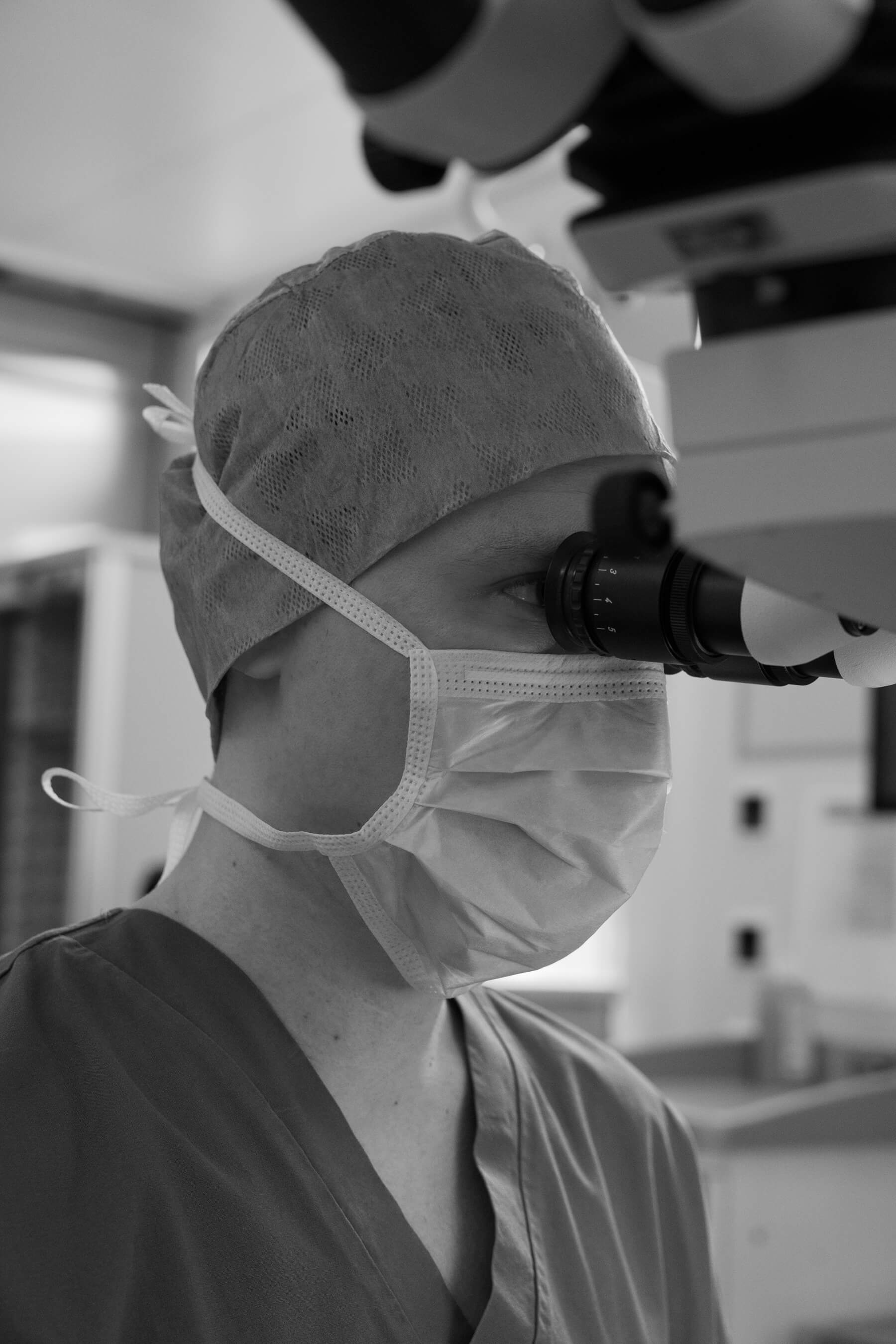
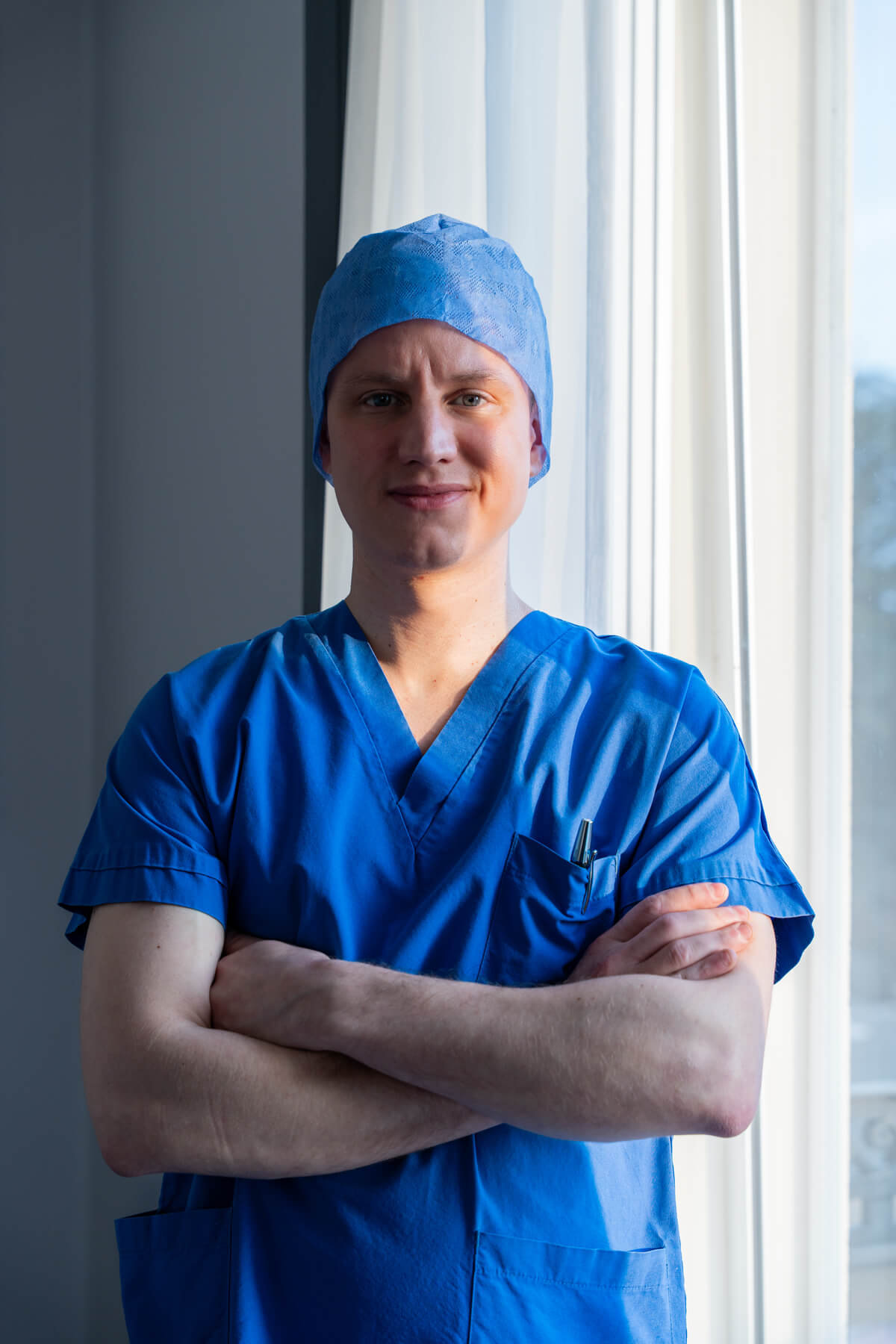
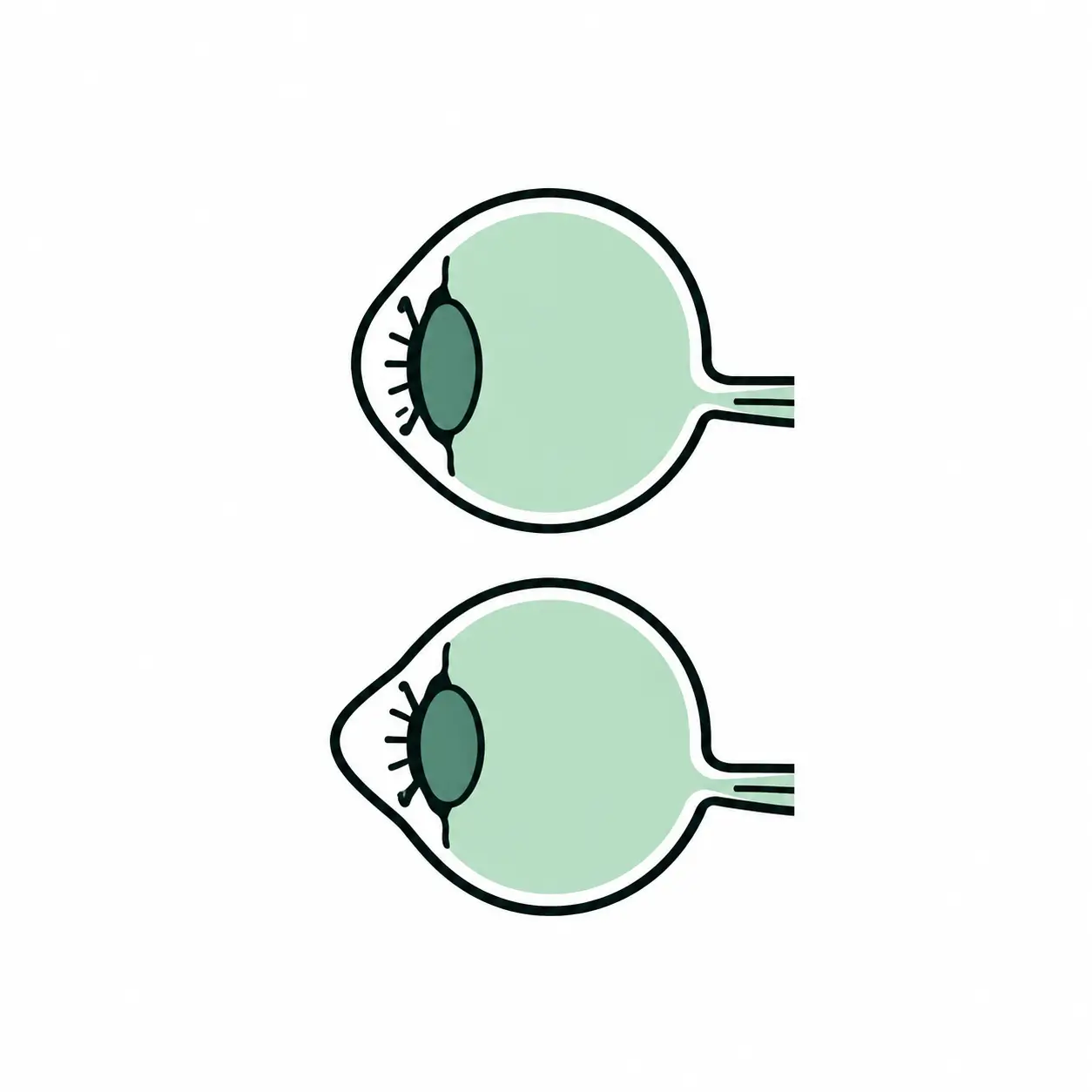
An FMH ophthalmic surgeon, Dr Arthur Hammer devotes a large part of his practice to the cornea: keratoconus, Fuchs dystrophy, corneal swelling, corneal dystrophies and pterygium.
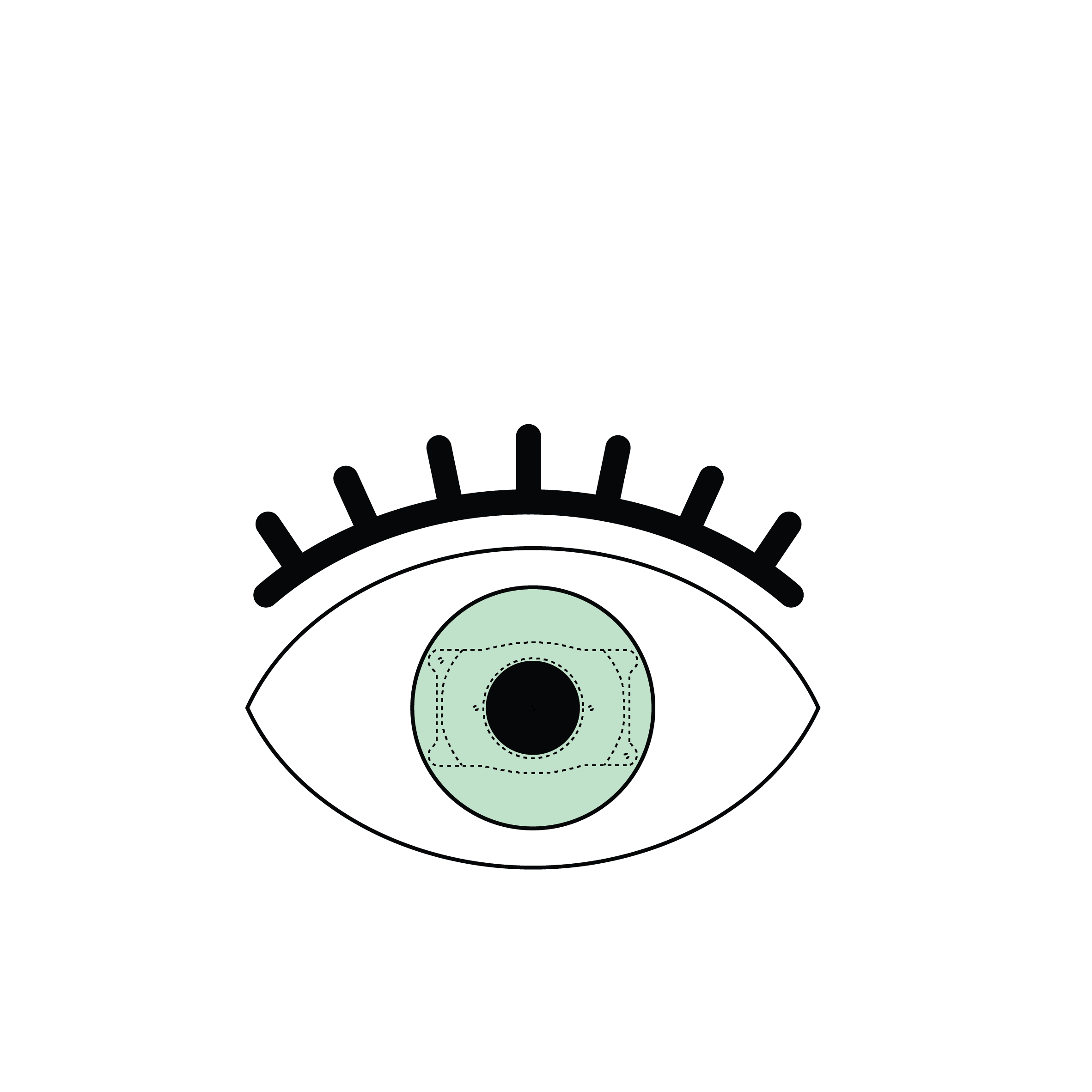
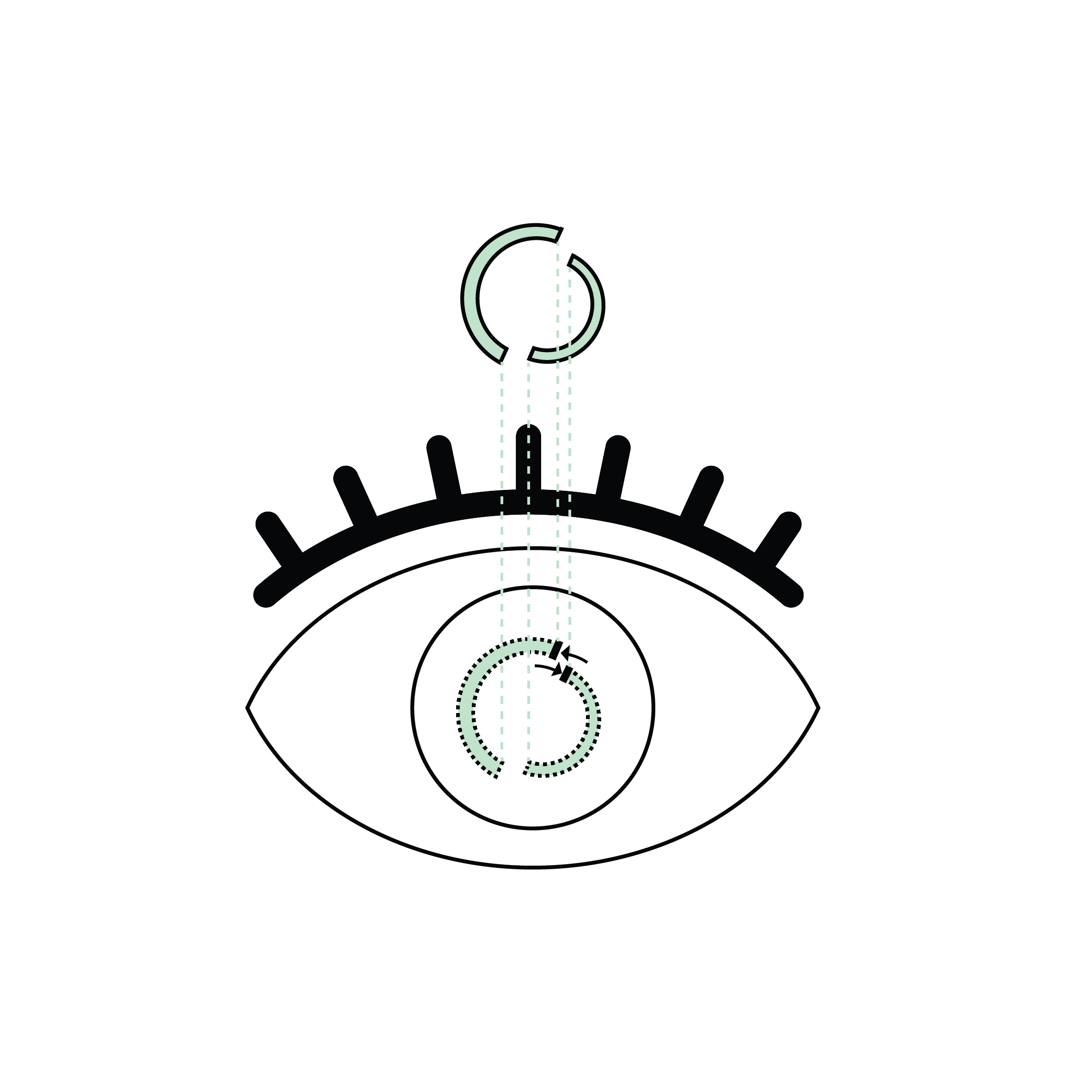
DMEK, DSAEK and DALK lamellar transplants, corneal collagen cross-linking, intracorneal ring segments, penetrating keratoplasty: these techniques answer different situations and are only decided after a thorough corneal assessment, with topography, tomography and corneal OCT.
The Lake Geneva region is home to a large international community. Consultations can be held in English, which makes it easier to discuss the things where precision matters: symptoms, expectations and post-operative instructions.
A share of consultations comes from ophthalmologists and optometrists seeking a specialist opinion regarding corneal conditions or in view of refractive surgery. Bringing your previous tests and prescriptions speeds up the assessment.
From Geneva to a consultation in Lausanne, in English or French
Dr Arthur Hammer sees patients from Geneva and the Lake Geneva region at Swiss Visio Montchoisi in Lausanne, about 40 minutes from Geneva by direct train. Assessment, surgery and follow-up all take place in the same location. Consultations can be held in English.
Cornea, cataract and refractive surgery
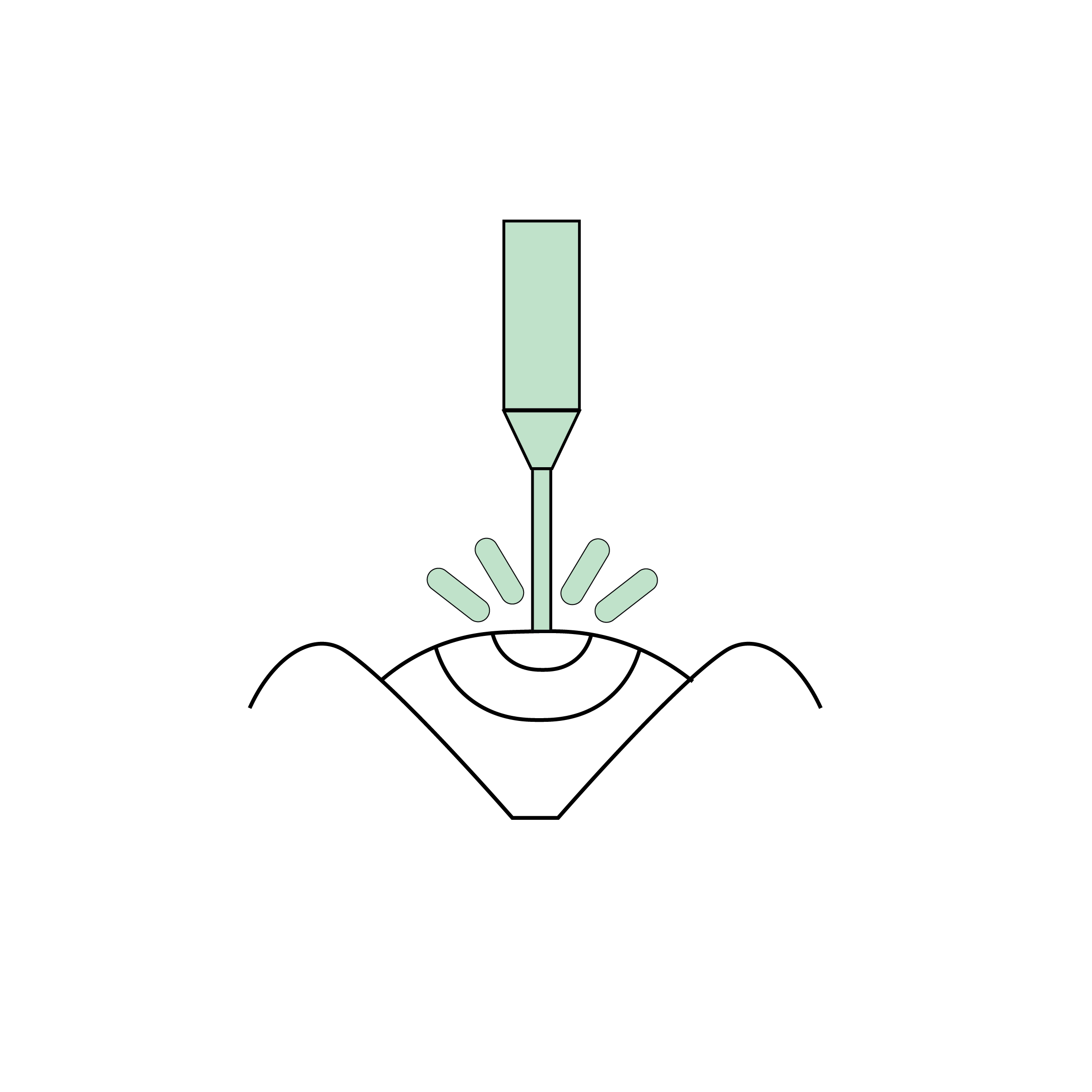
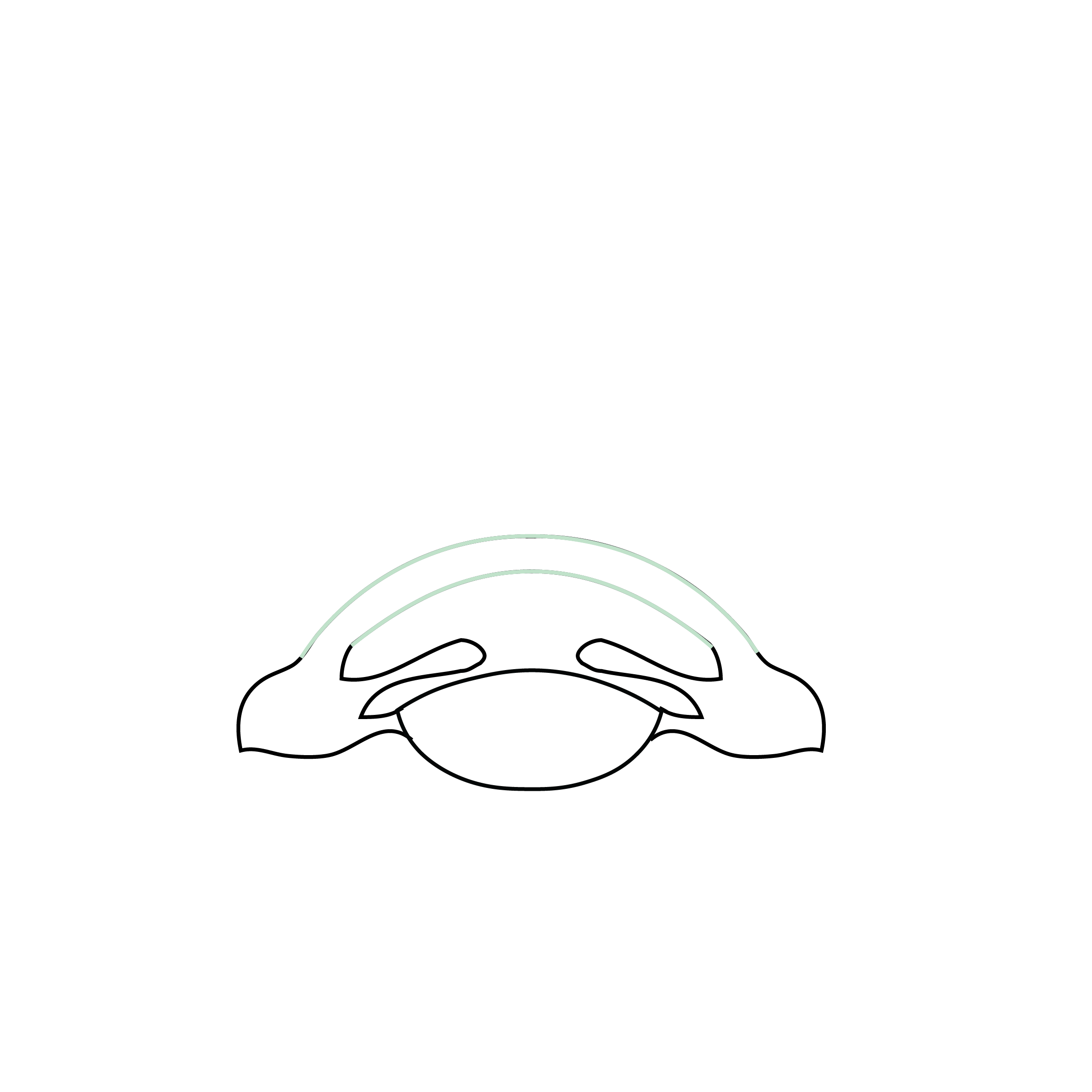
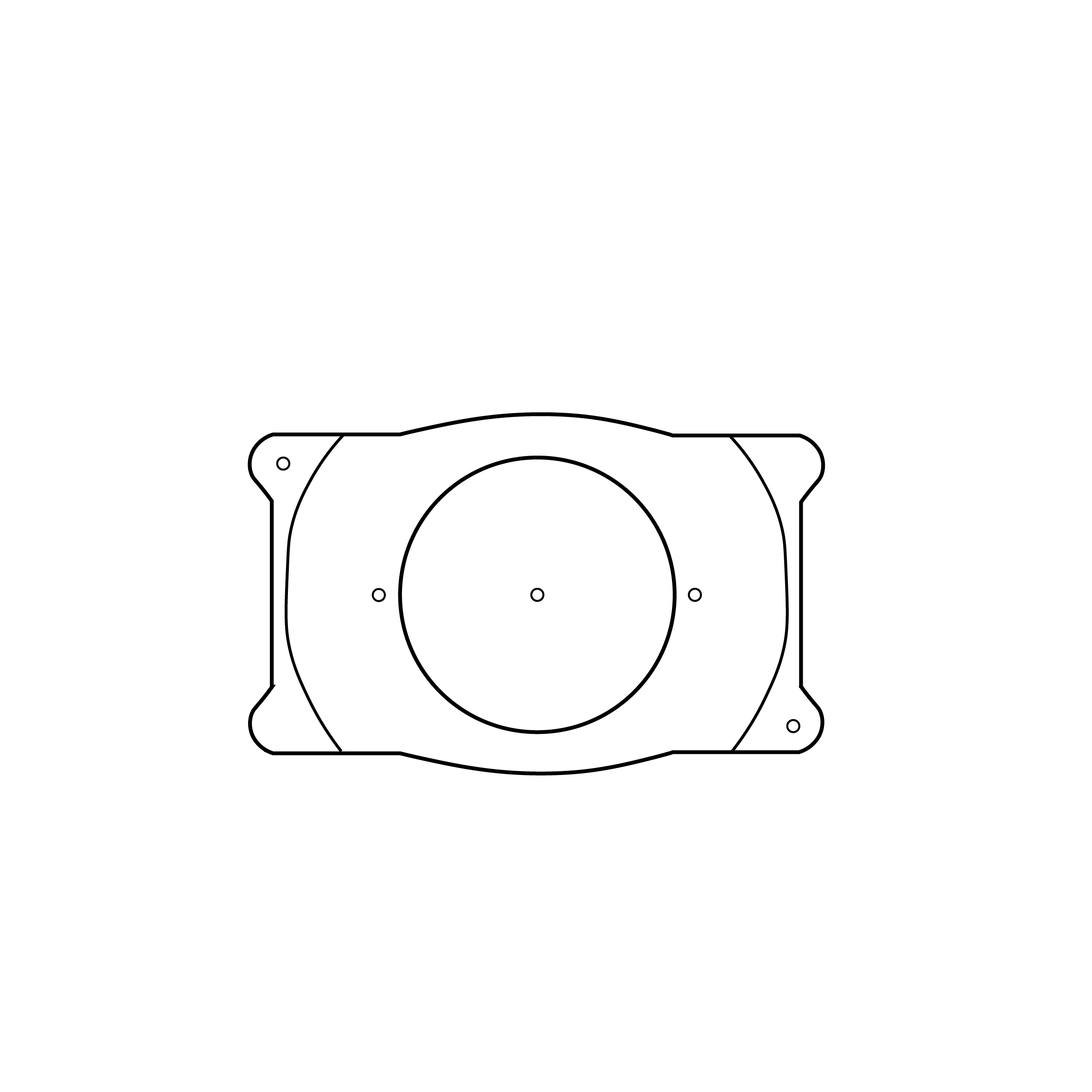
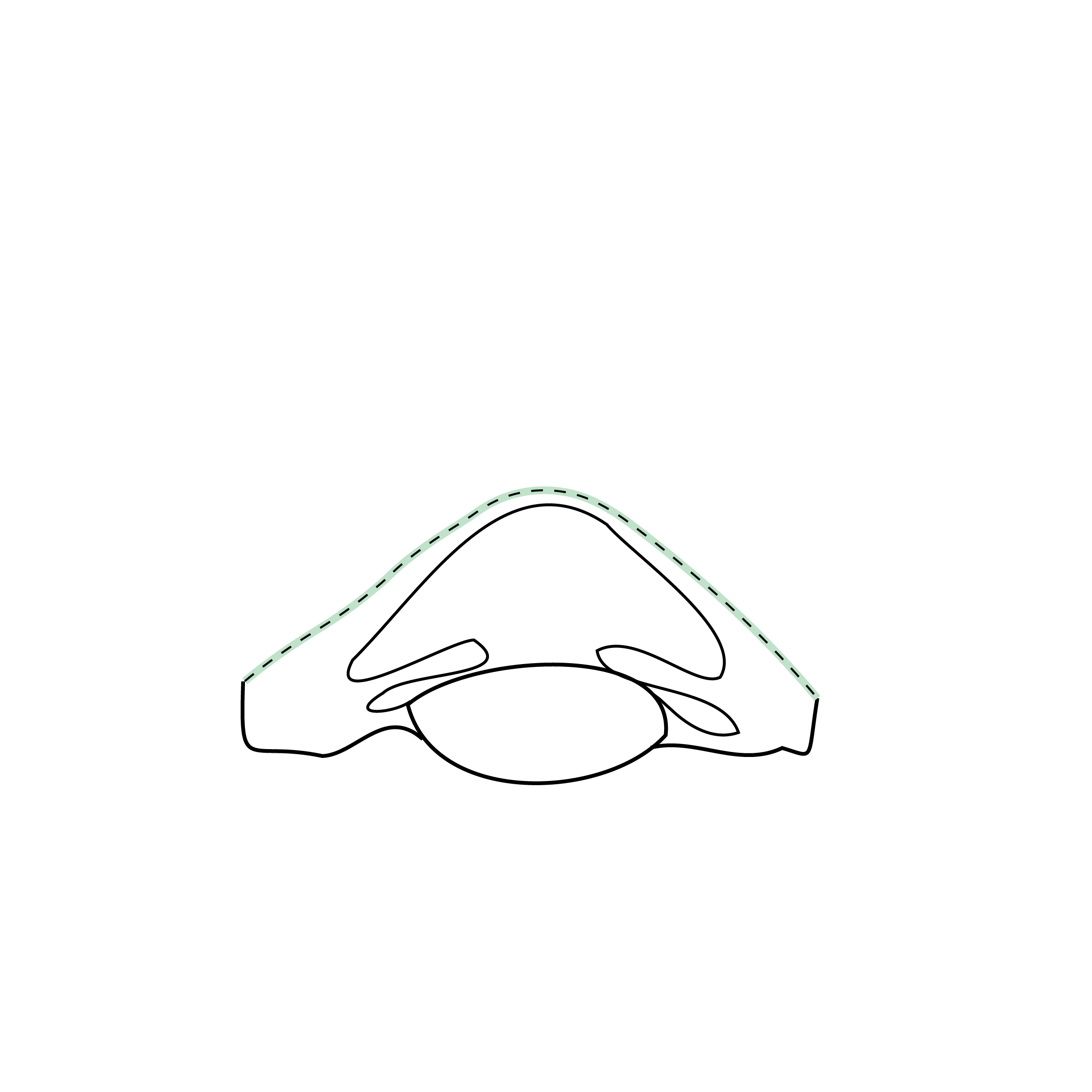
Procedures offered to patients from Geneva
The most common reasons for consultation
Publications and practice news
Partnerships and affiliations




Frequently asked questions from patients in Geneva
Can patients from Geneva see Dr Hammer?
Yes. Dr Arthur Hammer, FMH ophthalmic surgeon, sees patients in Geneva who are referred to him by their doctor. For a first appointment booked directly, he sees patients at Swiss Visio Montchoisi in Lausanne, about 40 minutes from Geneva by direct train. That is where the pre-operative assessment, the surgery and the follow-up take place, which makes appointments simpler to organise.
Which corneal conditions are treated?
Keratoconus, Fuchs dystrophy, corneal swelling and endothelial failure, corneal dystrophies, recurrent corneal erosion syndrome and pterygium are among the conditions treated. Depending on the situation, management ranges from simple monitoring to cross-linking, intracorneal ring segments or lamellar transplantation. Only a specialist examination can establish the indication.
Which corneal transplants are performed?
Lamellar transplants replace only the affected corneal layer. DMEK and DSAEK treat the endothelium, for instance in Fuchs dystrophy or corneal swelling. DALK replaces the anterior layers while preserving the patient's own endothelium. Penetrating keratoplasty replaces the full thickness of the cornea and remains indicated in the most extensive disease. The choice depends on which layer is affected and is made after a full assessment.
Can the consultation be held in English?
Consultations can be held in French or in English. Dr Hammer completed his surgical training at Moorfields Eye Hospital in London, where he then practised as a consultant, and subsequently at the Jules Gonin Eye Hospital in Lausanne. He regularly sees international patients living in or travelling through the Lake Geneva region.
Do I need a referral from an ophthalmologist?
You can request a consultation directly, without a referral from your family doctor, including on HMO, family-doctor and Telmed insurance models: ophthalmology is an explicit exception with every Swiss LAMal insurer. Many patients are also referred by their ophthalmologist or optometrist for a specialist opinion on the cornea or on refractive surgery.
Can keratoconus be treated surgically?
Yes. Keratoconus, the progressive distortion and thinning of the cornea that mainly affects adolescents and young adults, is one of Dr Arthur Hammer's subspecialties. Several treatments exist depending on the stage: corneal cross-linking to stabilise progression at early stages, topography-guided custom PRK combined with cross-linking, intracorneal ring segments to regularise the cornea, and corneal transplantation at advanced stages. Keratoconus is an absolute contraindication to LASIK and SMILE.
What happens at a first consultation?
A first consultation generally lasts between 30 and 60 minutes depending on the reason for referral. It includes a full medical history, measurement of the refraction and intraocular pressure, and a slit-lamp examination. Depending on the indication, specialist tests may be performed: corneal topography and tomography, pachymetry, aberrometry, OCT, optical biometry, pupillometry, specular microscopy and visual fields. The diagnosis is made at the end of the consultation and the treatment options explained. Except in emergencies, no procedure is carried out the same day, so that you have time to consider it.
What is the difference between an ophthalmologist and an ophthalmic surgeon?
An ophthalmologist is a doctor specialising in the eye and vision, trained in the diagnosis and medical treatment of eye disease. An ophthalmic surgeon has completed advanced surgical training and performs eye operations: cataract, refractive surgery, corneal transplants, ICL implants or surgical treatment of keratoconus. Not every ophthalmologist is a surgeon. The Swiss FMH title in ophthalmology and ophthalmic surgery, held by Dr Arthur Hammer, certifies that dual competence.
How do I book an appointment from Geneva?
For a first appointment, book online through the OneDoc platform, accessible from this site, or by telephone with the Swiss Visio Montchoisi secretariat in Lausanne. If you are already seen by Dr Hammer in Geneva, please write via the contact form on this site and your request will be passed on to arrange your follow-up. It helps to bring your previous spectacle or contact lens prescriptions, along with any earlier eye tests. If you wear contact lenses and a corneal assessment is planned, they must be left out for several days beforehand, as they temporarily distort the cornea.