.png)
.jpg)
.jpeg)
Laser refractive surgery corrects myopia, hyperopia and astigmatism by reshaping the cornea. Dr Arthur Hammer, FMH ophthalmic surgeon specialising in the cornea, performs LASIK, SMILE and PRK in Lausanne.
The choice between these techniques does not rest on your prescription alone. It depends on the thickness and regularity of your cornea, the degree of refractive error and the way you live. The pre-operative assessment is what settles it.
His corneal specialisation bears directly on refractive surgery: it is the fine analysis of the cornea, through topography and tomography, that separates an eye that can be treated from one that cannot, and that rules out subclinical keratoconus before any procedure.
Where the laser is not indicated, other routes exist, in particular implantable ICL lenses for high myopia. Every option is explained at the consultation, with its expected benefits and its limits.
Your pre-operative assessment with Dr Arthur Hammer, at Swiss Visio - Lausanne
Before any laser correction, a full assessment measures your cornea and confirms your eye is suited to it. Topography, tomography, pachymetry and aberrometry are all carried out on site, in Lausanne.
Correcting myopia, hyperopia and astigmatism
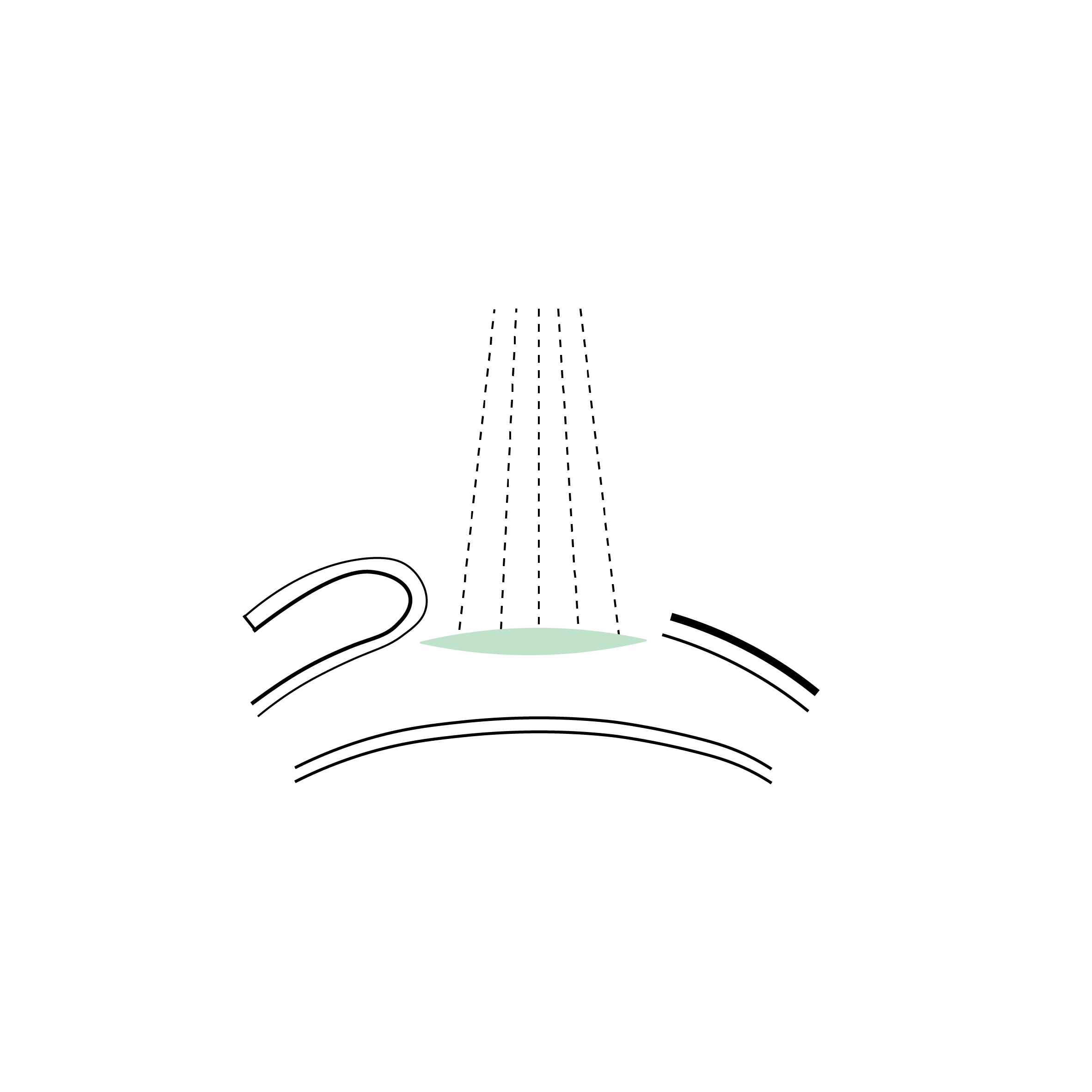
All surgical procedures performed in Lausanne
Reasons for consultation treated in Lausanne
Our news and articles
Partnerships and affiliations
.png)
Frequently asked questions about laser refractive surgery
Which laser refractive technique should I choose: LASIK, SMILE or PRK?
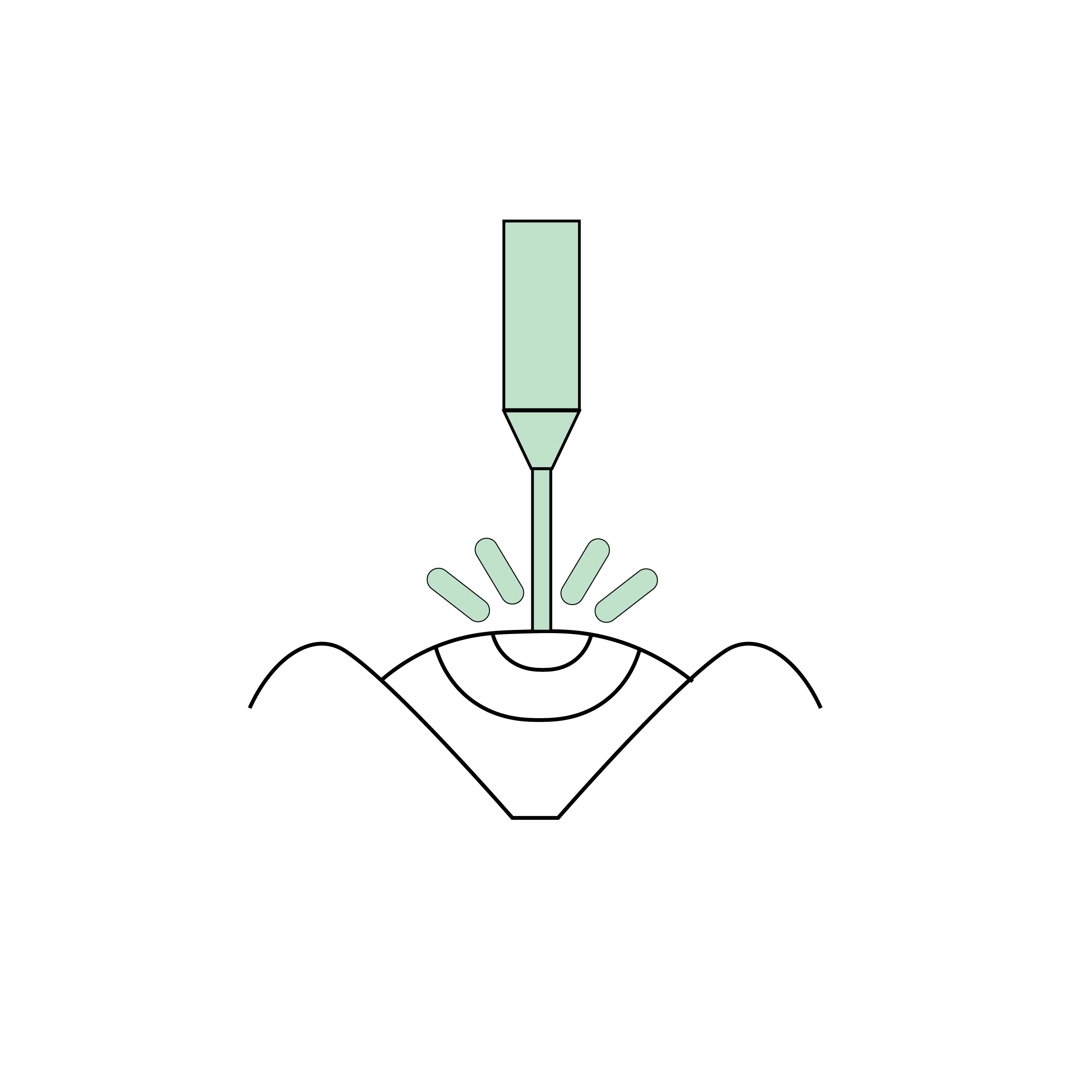
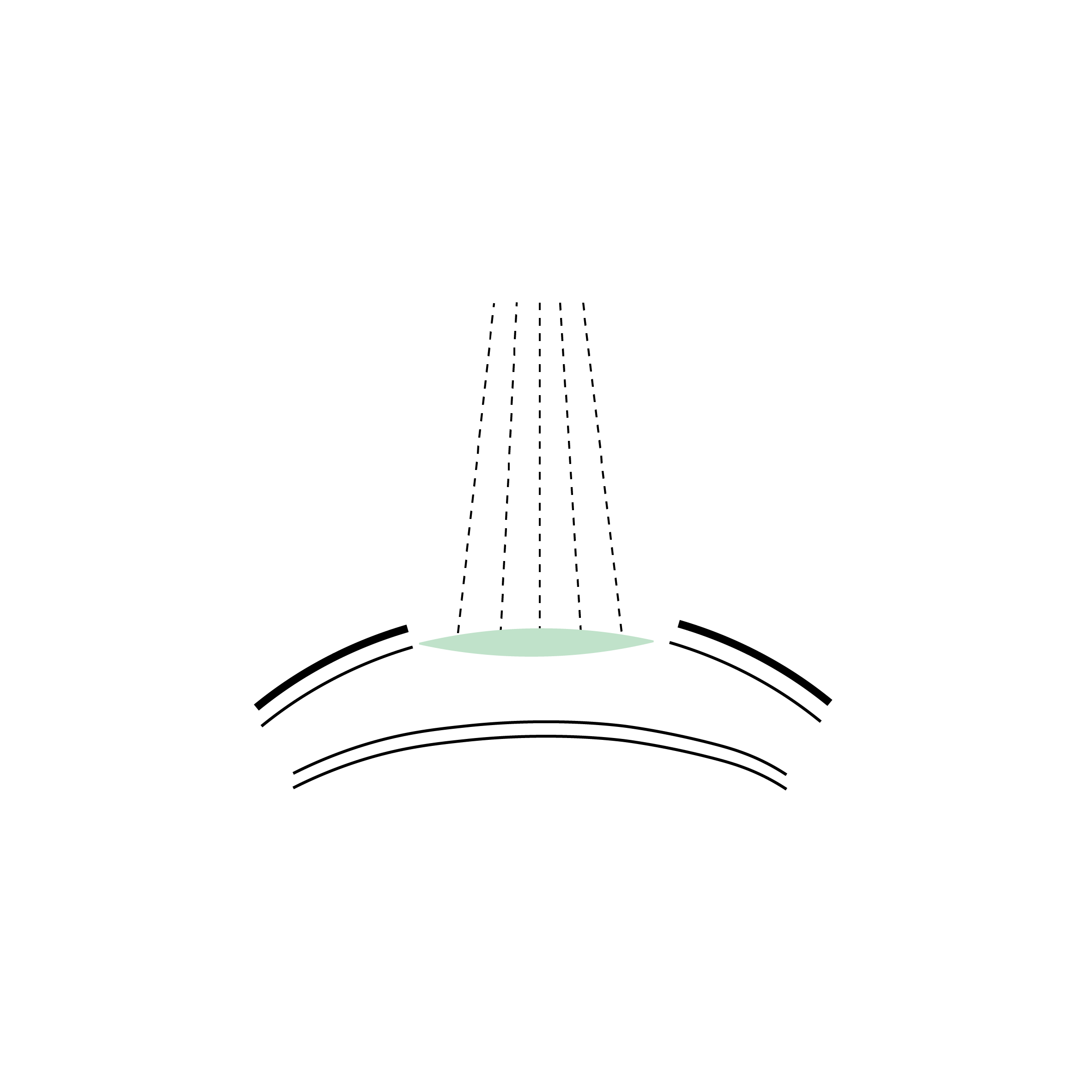
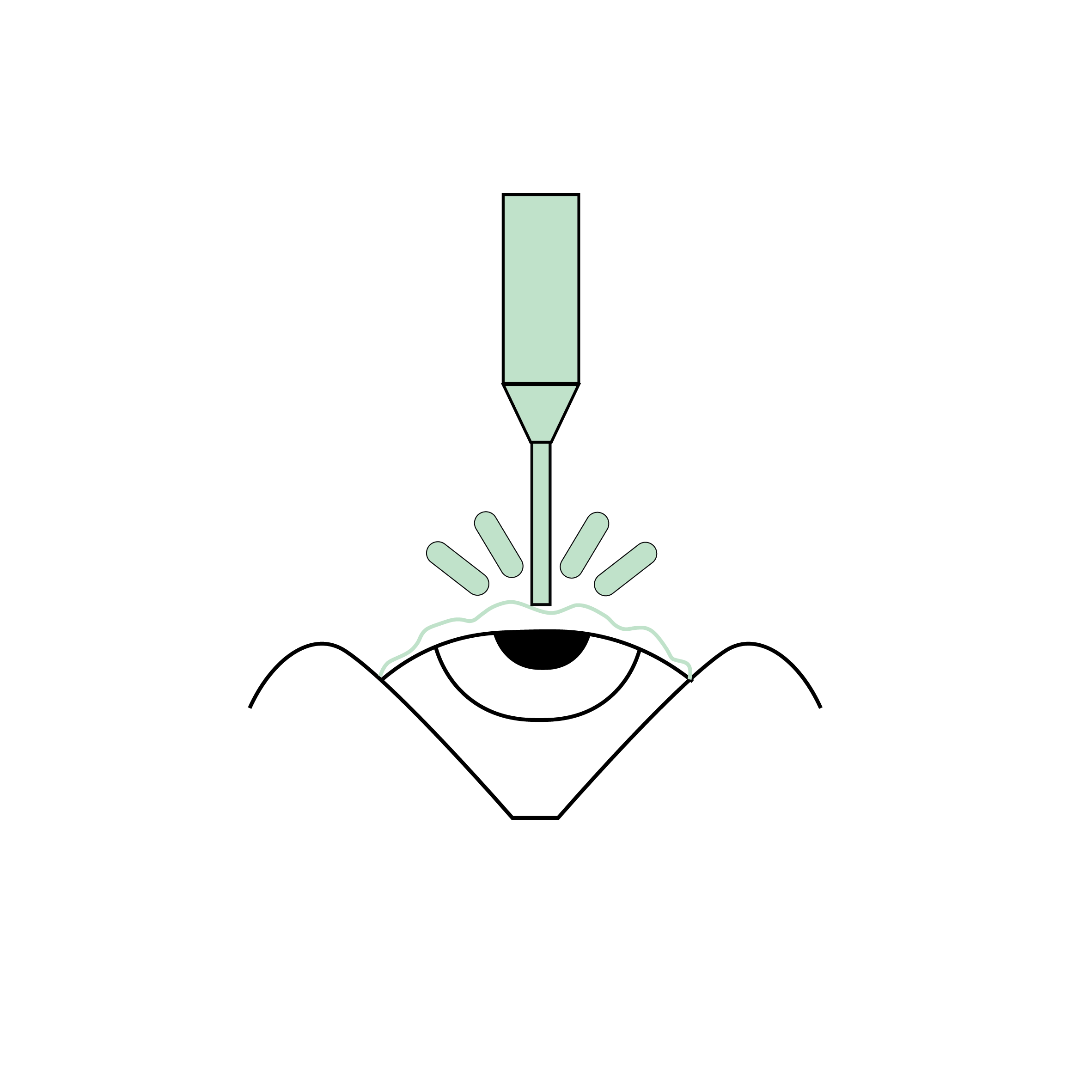
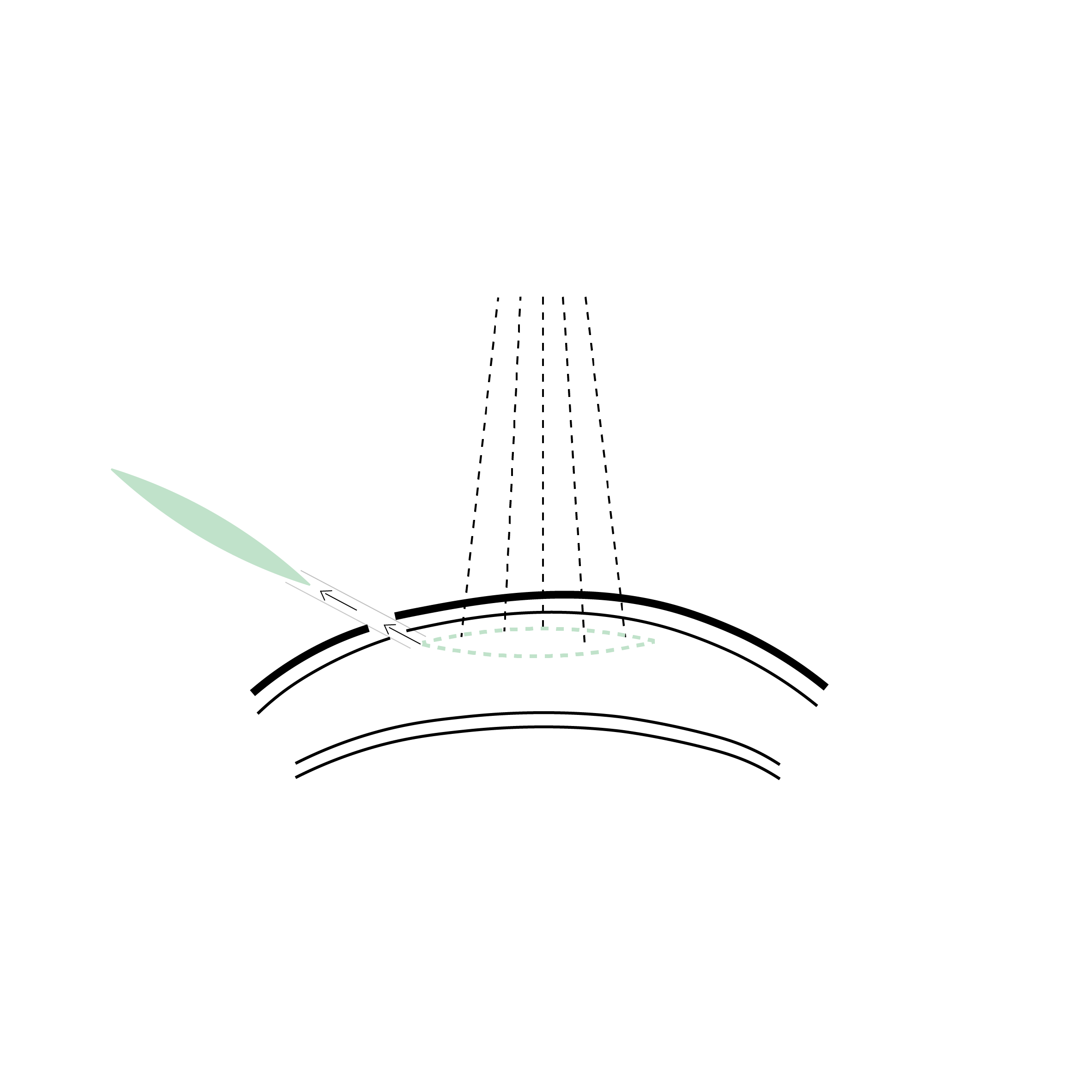
LASIK, SMILE and PRK correct the same refractive errors but differ in technique and recovery. LASIK lifts a corneal flap to treat the tissue beneath and offers very fast visual recovery. SMILE removes a lenticule through a micro-incision, with no flap. PRK is a surface laser that preserves more corneal thickness and often suits thinner corneas or exposed occupations. The choice follows the pre-operative assessment, based on your cornea and the way you live, never on the number of dioptres alone.
Am I a good candidate for laser refractive surgery?
Your prescription must have been stable for at least a year and ocular growth complete, generally from the age of 18. Some situations are contraindications: keratoconus or a cornea that is too thin, severe dry eye, uncontrolled glaucoma, a significant cataract or progressive retinal disease. Pregnancy is a temporary contraindication, and suitability is assessed case by case while breastfeeding. Only a full pre-operative assessment can confirm eligibility.
What does the pre-operative assessment involve in Lausanne?
The assessment includes a detailed refraction, subjective and under cycloplegia, a full examination of the anterior and posterior segments, corneal topography and tomography, pachymetry, pupillometry and OCT. These tests are painless and determine the most suitable technique between LASIK, SMILE and PRK. Contact lenses must be left out for several days beforehand, as they temporarily distort the cornea. All of these tests can be carried out at Swiss Visio Montchoisi or Swiss Visio Beau-Rivage in Lausanne.
How long does recovery take after LASIK or SMILE?
After LASIK, vision is usually much improved by the next day, with a first post-operative review to check the flap has healed properly. Vision continues to stabilise over several weeks and may remain slightly variable, which is normal. Recovery after SMILE is also fast, while a surface technique such as PRK takes longer. Transient dry eye is common and is managed with artificial tears. The timings for returning to sport, screens and driving are set by the surgeon.
Is laser refractive surgery covered by Swiss basic insurance?
These procedures are considered elective and are generally not covered by Swiss basic health insurance (LAMal). A detailed quotation is provided at the consultation. Some supplementary policies may contribute depending on the contract, so checking with your insurer beforehand is advisable.
What if laser surgery is contraindicated?
A contraindication to laser treatment does not close every door. Where the cornea is too thin or the myopia too high, phakic ICL and IPCL implants correct vision without removing corneal tissue. Where thickness limits LASIK without ruling it out entirely, a surface technique such as PRK may be suitable. With keratoconus, the priority is to stabilise the cornea, with cross-linking in particular, before considering any visual improvement.
Is laser refractive surgery painful?
The procedure is carried out under local anaesthesia with drops and is not painful. After LASIK or SMILE, the eye may sting, water and be sensitive to light for a few hours, and a foreign-body sensation is common. After PRK, discomfort is more marked for the first few days while the corneal surface heals. Appropriate treatment is prescribed in every case. One instruction matters above all: never rub the treated eye.
Can presbyopia be corrected with a laser in Lausanne?
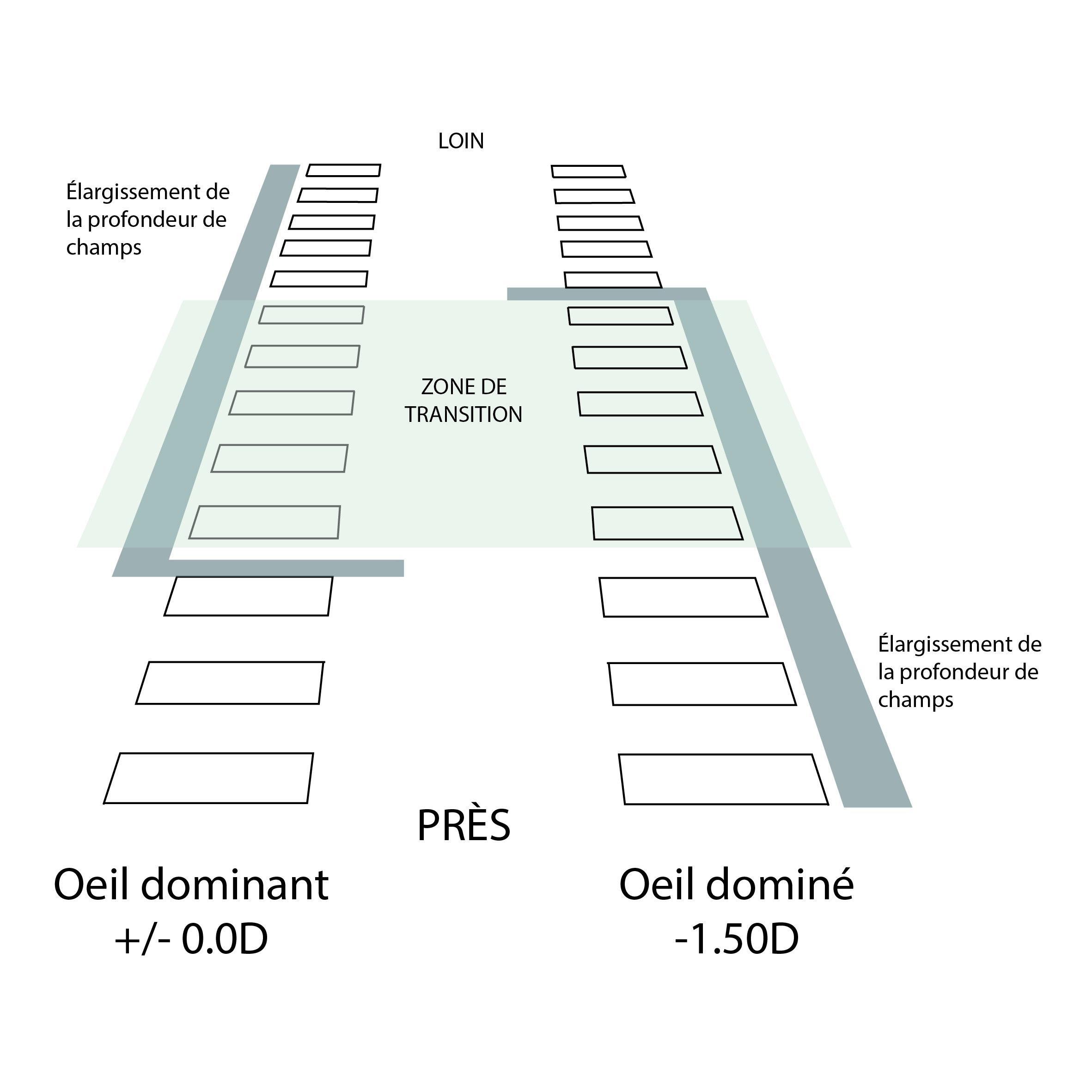
Yes, presbyopia can be corrected with a laser. Presby-LASIK adapts the correction to restore functional vision at near as well as distance, with an adaptation phase that generally takes a few weeks to a few months. Other approaches exist depending on the state of the crystalline lens and the patient's profile. After 45, an early cataract changes the reasoning and sometimes points towards lens surgery rather than a corneal laser. The indication is set after a full assessment.
Where does Dr Arthur Hammer perform refractive surgery in Lausanne?
Dr Arthur Hammer holds consultations at Swiss Visio Montchoisi, avenue du Servan 38, 1006 Lausanne, and operates at the Clinique de Montchoisi. Pre-operative tests can be carried out at Swiss Visio Montchoisi or Swiss Visio Beau-Rivage. Appointments are booked online through OneDoc from this site, or by telephone with the secretariat. Direct access to the ophthalmic surgeon is possible without a referral from your family doctor, including on HMO, family-doctor and Telmed insurance models.