.png)
.jpg)
.jpeg)
Dr. Arthur Hammer is a highly distinguished ophthalmic surgeon specialising in corneal and ocular surface diseases, as well as cataract and refractive surgery. With a career defined by clinical excellence, he utilises a wide range of advanced surgical techniques and has been recognised with numerous prestigious honors in his field.
Beyond his clinical practice, Dr. Hammer is a dedicated researcher and educator. He has supervised and mentored numerous trainee surgeons at world-renowned institutions, including Moorfields Eye Hospital in London and the Jules-Gonin Eye Hospital in Lausanne. Currently, he continues his work as a trainer and supervisor within the Swiss Visio network, committed to advancing surgical outcomes and shaping the next generation of ophthalmologists.
Your consultation at Swiss Visio Montchoisi - Lausanne
Dr. Arthur Hammer welcomes you to Swiss Visio for your comprehensive exams and pre-operative assessments, guaranteeing personalised care with the latest diagnostic technologies.
All Surgical Procedures
All Conditions
Relevant articles
Partnerships and affiliations
.png)

FAQ
Who is Dr. Arthur Hammer, ophthalmic surgeon in Lausanne?
Dr. Arthur Hammer is an FMH ophthalmologist in Lausanne, specialising in corneal surgery, cataract surgery, and laser refractive surgery. He consults at Swiss Visio Montchoisi, avenue du Servan 38, 1006 Lausanne, and performs surgeries at Clinique de Montchoisi. He holds a MD-PhD, is FEBO (Fellow of the European Board of Ophthalmology) and FEBOS-CR certified, with a European sub-specialization in cataract and refractive surgery. His surgical training was undertaken at Moorfields Eye Hospital in London, where he subsequently worked as a Bank consultant ophthalmologist. He then practised as a consultant ophthalmologist specialising in corneal, cataract and refractive surgery at the Jules Gonin Eye Hospital in Lausanne. He is currently a trainer within the Swiss Visio network, where he is actively involved in the training programme for ophthalmology residents.
How to book an appointment with an ophthalmic surgeon in Lausanne?
Appointments with Dr. Arthur Hammer in Lausanne can be booked online via the OneDoc platform, accessible from this website, or by phone through the Swiss Visio Montchoisi secretariat. Direct access to the ophthalmic surgeon is possible without a referral from a family doctor, even for those insured under HMO, family doctor, or Telmed models. Ophthalmology is explicitly exempt by all Swiss LAMal insurers, similar to gynecology.
What is the difference between an ophthalmologist and an ophthalmic surgeon?
An ophthalmologist is a medical doctor specializing in eyes and vision, trained in the diagnosis and medical treatment of ocular pathologies. An ophthalmic surgeon, or eye surgeon, is an ophthalmologist who has completed advanced surgical training and performs eye operations such as cataract surgery, refractive surgery (LASIK, SMILE, PRK), corneal grafts (DMEK, DSAEK, DALK, PKP), ICL implants, or surgical treatment for keratoconus. Not all ophthalmologists in Lausanne are surgeons. The FMH title in ophthalmology and ophthalmic surgery, held by Dr. Arthur Hammer, attests to this dual competence recognised by the Swiss Medical Association.
What do the FMH, MD-PhD, FEBO, and FEBOS-CR titles of an ophthalmic surgeon mean?
The FMH (Foederatio Medicorum Helveticorum) title is the Swiss specialist title, validated after at least six years of postgraduate training in ophthalmology and ophthalmic surgery in accredited institutions. The MD-PhD combines a medical doctorate and a scientific research doctorate, certifying training in clinical research. The FEBO (Fellow of the European Board of Ophthalmology) is a benchmark European examination in ophthalmology. The FEBOS-CR is the European sub-specialization in cataract and refractive surgery, obtained through an additional examination. These four combined titles are rare in French-speaking Switzerland and guarantee internationally recognized expertise.
What are the CertLRS, PGDip-CRS and FWCRS certifications for a refractive eye surgeon?
The CertLRS (Certificate in Laser Refractive Surgery) certifies specific expertise in laser refractive surgery techniques. The PGDip-CRS (Postgraduate Diploma in Cataract and Refractive Surgery) is a postgraduate university diploma demonstrating advanced training in cataract and refractive surgery. The FWCRS (Fellowship of the World College of Refractive Surgery and Visual Sciences) is an international fellowship recognising a high-level expertise and contribution in the field of refractive surgery and visual sciences.
These qualifications, which are rarely held together in French-speaking Switzerland, reflect internationally recognised expertise in ophthalmology, cataract surgery and refractive surgery.
What surgeries does a corneal specialist ophthalmologist perform in Lausanne?
Dr. Arthur Hammer performs all refractive, cataract, and corneal surgeries in Lausanne:
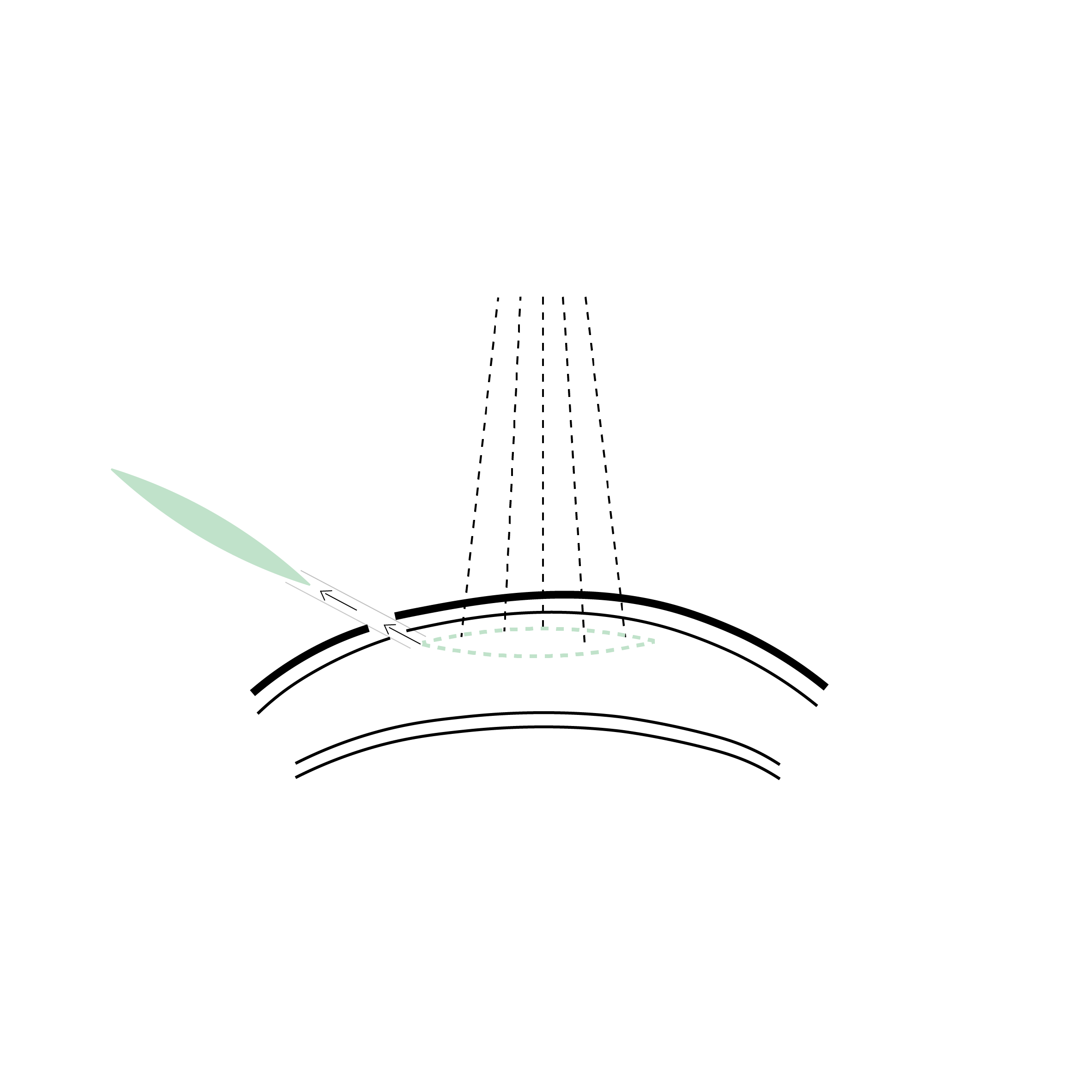
- Cataract surgery : phacoemulsification with monofocal, toric (astigmatism), EDOF (Extended Depth of Field) or multifocal implants
- Laser refractive surgery : LASIK, SMILE (Small Incision Lenticule Extraction), PRK, Presby-LASIK for presbyopia
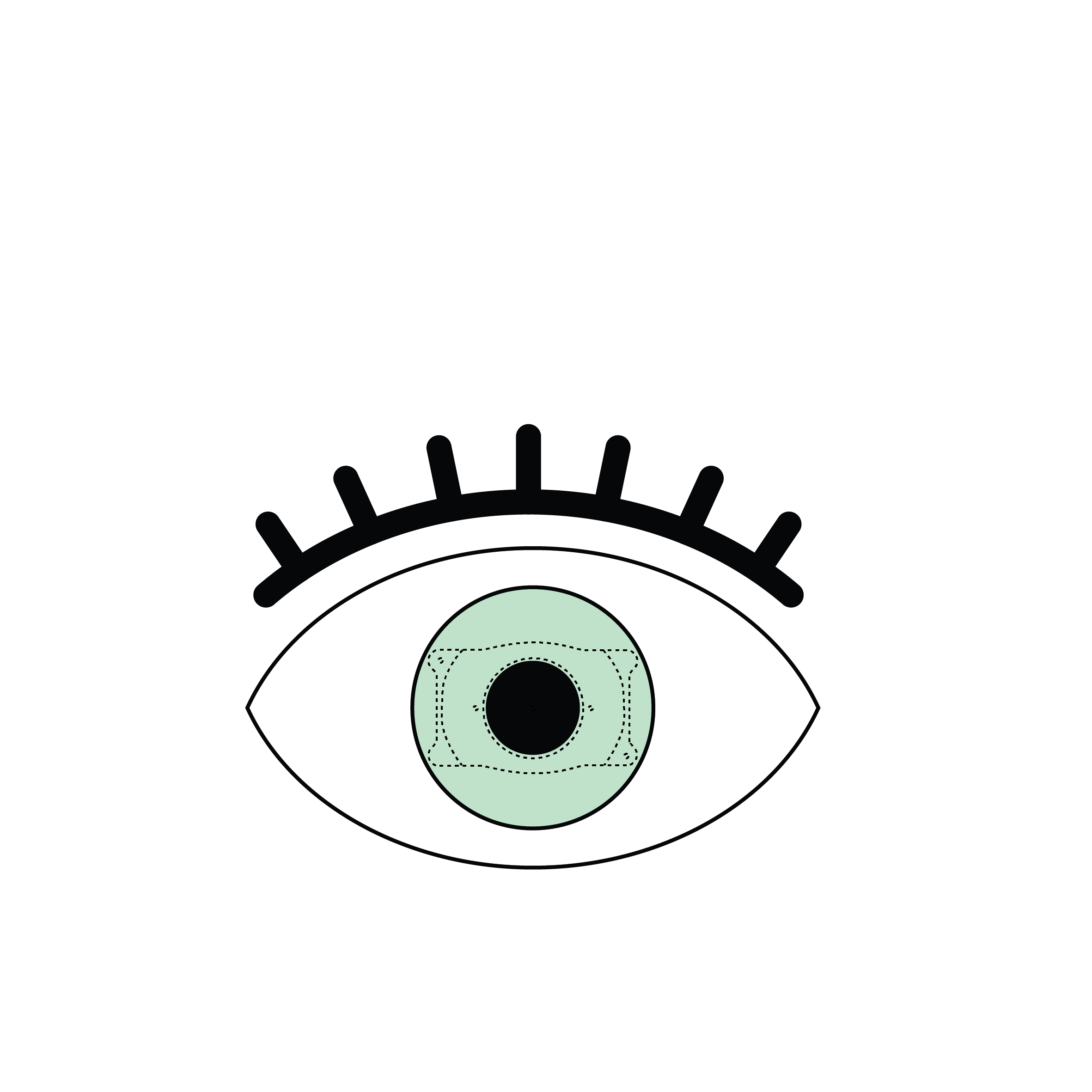
- Phakic ICL/IPCL implants for high myopia, hyperopia and astigmatism not eligible for laser surgery
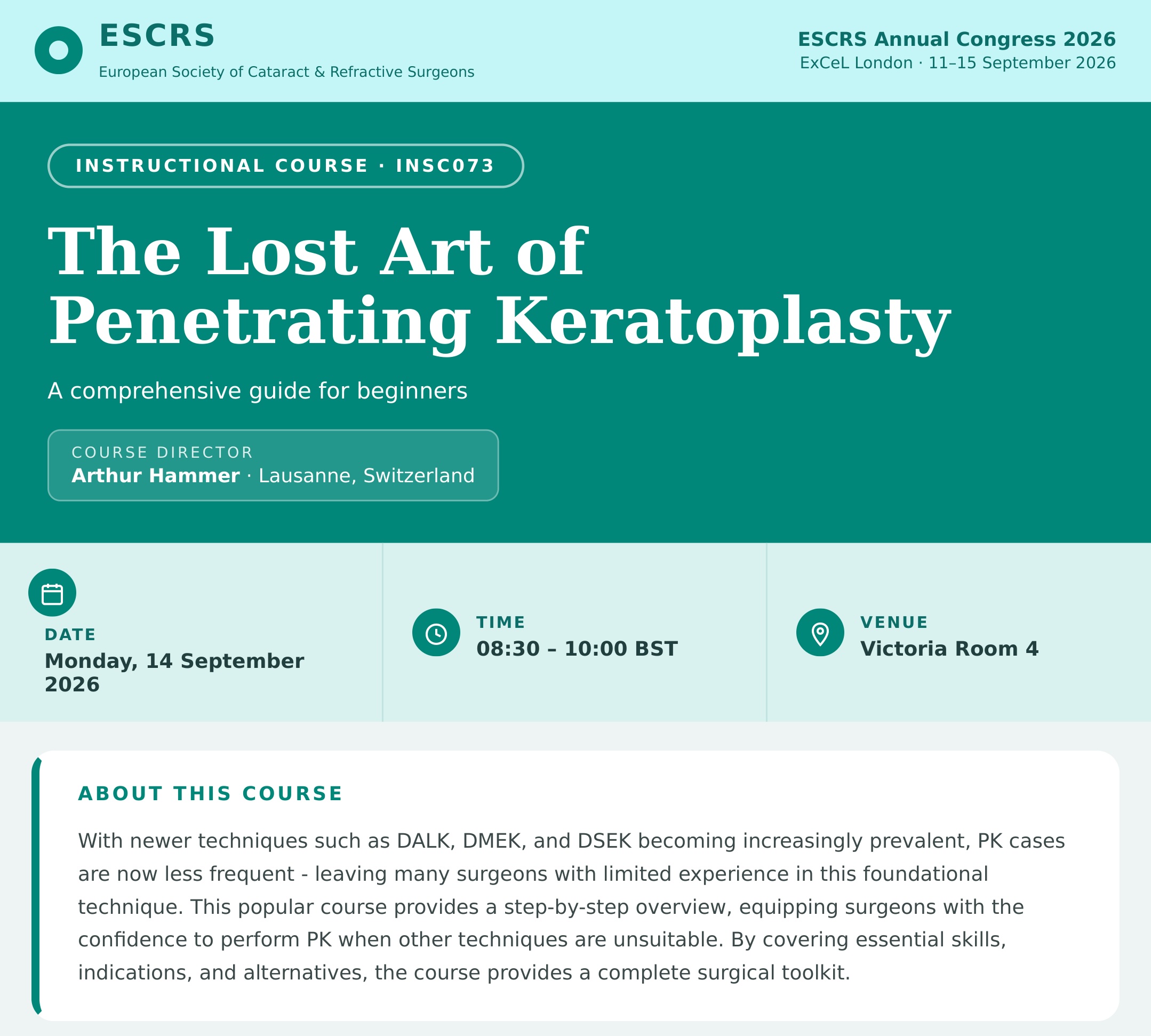
- Corneal transplants : DMEK, DSAEK, DALK, and penetrating keratoplasty
- Keratoconus treatment : corneal cross-linking, intracorneal rings
- Pterygium surgery and ocular surface
What happens during an initial consultation with an ophthalmic surgeon in Lausanne?
The first consultation with Dr Arthur Hammer, ophthalmic surgeon at Swiss Visio Montchoisi in Lausanne, typically lasts between 15 and 45 minutes depending on the reason for the visit.
It includes a comprehensive medical history, measurement of refraction and intraocular pressure, as well as a detailed slit-lamp eye examination. Depending on the clinical indication, additional specialised diagnostic tests may be performed, including corneal topography and tomography, corneal pachymetry, ocular and corneal aberrometry, OCT imaging (macula, optic nerve or anterior segment), optical biometry for intraocular lens calculation, pupillometry, specular microscopy with endothelial cell count, and automated visual field testing.
At the end of the consultation, a diagnosis is established and personalised treatment options are explained. This assessment allows for the management of a wide range of ophthalmic conditions, including diseases of the cornea, retina and optic nerve, as well as visual disorders requiring medical or surgical treatment. It also helps determine the most appropriate treatment or surgical options, such as cataract surgery, laser refractive surgery, intraocular lens implantation, keratoplasty (corneal graft surgery) and other specialised procedures.
If surgery is indicated, detailed information is provided to obtain the patient’s informed consent before any operative planning. Except in emergencies, surgery is not performed on the same day in order to allow sufficient time for reflection.
Can keratoconus be treated surgically in Lausanne?
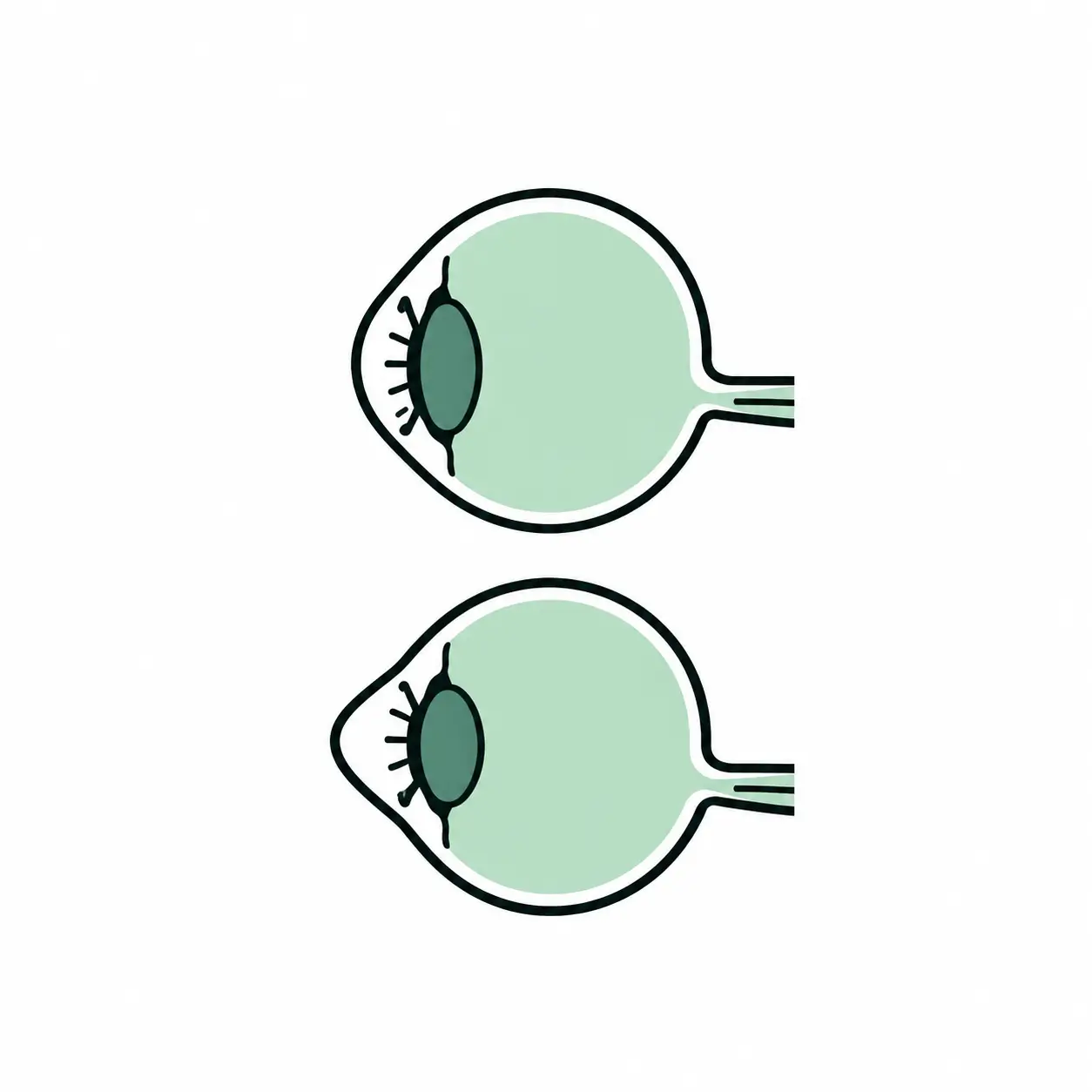
Yes. Keratoconus, a progressive thinning and bulging of the cornea that primarily affects teenagers and young adults, is one of Dr Arthur Hammer’s subspecialty areas. He has completed advanced training in cornea and refractive surgery, notably at Moorfields Eye Hospital in London.
Several surgical treatment options are available in Lausanne depending on the stage of the disease:
- Corneal cross-linking (CXL) to stabilise progression in the early stages
- Customised topography-guided PRK combined with CXL to regularise the corneal surface and improve vision while limiting progression of keratoconus
- Intracorneal ring segments to improve corneal shape and visual quality
- Phakic intraocular lenses (ICL) or, in selected cases, correction with glasses or rigid contact lenses
- Corneal transplantation (DALK or penetrating keratoplasty) in advanced cases
Keratoconus is an absolute contraindication to LASIK and SMILE. For this reason, a systematic preoperative corneal topography/tomography and anterior segment OCT for epithelial mapping is performed before any refractive surgery in order to rule out forme fruste keratoconus or early disease.
Is laser refractive surgery (LASIK, SMILE) suitable for all patients?
No. Laser refractive surgery in Lausanne requires several medical requirements in order to ensure both safety and long-term stability of the visual outcome.
Visual correction must have been stable for at least one year, and ocular development must be complete, generally from around 18 years of age. Certain conditions are contraindications, including keratoconus or excessively thin corneas, severe dry eye disease, uncontrolled glaucoma, significant cataract, or progressive retinal pathology.
Pregnancy is a temporary contraindication to refractive surgery. With regard to breastfeeding, suitability is assessed on a case-by-case basis.
A comprehensive preoperative assessment is essential. It includes detailed refraction testing (both subjective and under cycloplegia), a full examination of the anterior and posterior segments, assessment of ocular motility, as well as corneal topography and tomography, pachymetry, pupillometry, complemented by OCT imaging of both the anterior segment and the retina/optic nerve. These examinations allow determination of the most appropriate technique between LASIK, SMILE or PRK.
In cases where laser surgery is not suitable, effective alternatives are available, including phakic intraocular lenses (ICL/IPCL), particularly indicated for high refractive errors.
All of these examinations can be performed at Swiss Visio Montchoisi or Swiss Visio Beau-Rivage in Lausanne.